נישואים חד-מיניים (Ehe für alle) אושרו ב-1 באוקטובר 2017. שותפויות אזרחיות (Lebenspartnerschaft) היו זמינות מאז 2001. זכויות אימוץ משותפות לזוגות חד-מיניים מאז 2017. הגנות פדרליות חזקות נגד אפליה (AGG, חוק השוויון הכללי בטיפול משנת 2006) המכסות תעסוקה, סחורות ושירותים. טיפול המרה נאסר לקטינים ב-2020; איסור מלא על מבוגרים הוצע אך עדיין לא נחקק נכון לשנת 2026. שינוי מגדר חוקי לטרנסג'נדרים דורש הערכה פסיכולוגית וצו בית משפט — רפורמה.
Bremen has a history of progressive politics and openness. While not as widely known for its gay scene as larger German cities, Bremen's LGBTQ+ community has grown since the 1980s. The city's maritime trade and cosmopolitan nature have fostered a generally tolerant atmosphere. The community is now more visible, with Pride celebrations and organized groups contributing to the city's cultural life.
The LGBTQ+ community in Bremen includes active drag and transgender communities, with events celebrating these cultures. Local organizations focus on health advocacy, social support, and cultural programming.
Neighborhoods and Where to Stay
The Altstadt (Old Town) is the historic center of Bremen and where many LGBTQ+-friendly venues are located. This area includes the Marktplatz, St. Peter's Cathedral, and the statue of the Town Musicians of Bremen. Staying in or near the Altstadt offers proximity to restaurants, bars, cultural sites, and the Weser River.
The Altstadt features narrow lanes, historic buildings, and a medieval atmosphere. Accommodation options range from budget to upscale. The Schnoor district, within the Altstadt, is a particularly old and atmospheric area.
For a more modern, residential feel, the Neustadt (New Town) district, across the river, has a younger atmosphere with cafes, galleries, and independent shops. The areas around Domsheide and Sielwall are popular with artists and young professionals.
Bremen's gay venues are primarily located in the Altstadt and surrounding areas. The scene is smaller than in major German cities but features established and welcoming establishments. Information on specific venues can change. It is advisable to consult current local LGBTQ+ guides or websites before visiting to confirm active establishments.
The city has several gay bars and cafes that serve as community gathering spots. Many venues attract both locals and tourists, contributing to an integrated atmosphere.
Cultural venues like the Schlachthof sometimes host LGBTQ+ events, theater, and film screenings. The city's independent cinema and theater scene is active and inclusive.
Pride and Annual Events
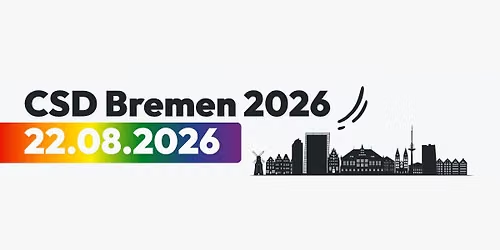
BremenPride, typically held in August, is the city's main LGBTQ+ celebration. The event includes a parade through the Altstadt, stages, performances, and parties over several days. The parade draws participants and spectators, with various local groups joining. Daytime events are generally family-friendly, with evenings becoming more festive.
Beyond Pride, local LGBTQ+ organizations host events throughout the year, including film festivals, theater productions, and dance parties. The community calendar is active, particularly in spring and summer.
Getting Around
Bremen is a walkable city, especially the Altstadt. The tram system is efficient and easy to navigate, with clear signage. Day passes offer unlimited travel. Taxis are available and reasonably priced.
The main train station (Hauptbahnhof) is a short walk or tram ride from the Altstadt. Regional trains connect Bremen to other northern German cities.
Food and Dining
Bremen's culinary scene reflects its maritime heritage, with fresh fish like plaice and eel being local specialties. Beck's beer has been brewed locally since 1873, and brewery tours are available.
The Altstadt offers a range of restaurants, from traditional German to international cuisine. Many establishments are LGBTQ+-friendly. Street markets near the Marktplatz offer local produce and goods.
Cafes and coffee shops are plentiful, providing places to rest. The Schnoor district has intimate cafes popular with all visitors.
Safety and Practical Considerations
Bremen is a safe city for LGBTQ+ travelers. Germany has progressive LGBTQ+ rights, and Bremen is known for its tolerance. Public displays of affection between same-sex couples are generally accepted. Basic urban awareness is recommended, particularly in less populated areas late at night.
The city and its institutions are welcoming to LGBTQ+ visitors. Hotels do not discriminate, and anti-discrimination laws are in place.
Language: English is increasingly spoken, especially in tourist areas. Learning basic German phrases is appreciated. Many signs, menus, and information are available in English.
Day Trips and Nearby Attractions
Bremen's location allows for various day trips. The artist colony of Worpswede is about 30 kilometers away. Bremerhaven, Bremen's port city, is about 60 kilometers away and offers maritime museums.
The North Sea coast is accessible within two to three hours for beach towns. Hanover and Hamburg are also reachable for day trips.
The Teufelsmoor (Devil's Bog) region offers opportunities for cycling and nature exploration.
Cultural Attractions
Bremen has significant cultural attractions. The Kunsthalle Bremen (Bremen Art Museum) has a diverse art collection. The Wilhelm Wagenfeld House showcases design heritage. Böttcherstraße is a unique street from the 1920s featuring architecture and art galleries.
The Focke Museum details Bremen's history as a port and trading center. Theater and music performances are regularly scheduled throughout the city.
When to Visit
Summer (June through August) offers pleasant weather, longer daylight hours, and outdoor events, including Pride. Spring and early autumn provide moderate temperatures and fewer crowds. Winter can be cold, though Christmas markets in December are popular. The shoulder seasons offer fewer crowds at major attractions.
Bremen is a worthwhile destination for LGBTQ+ travelers seeking an authentic German city experience. Its compact size, historic charm, welcoming atmosphere, and growing Pride celebrations make it a comfortable choice for experiencing German culture and community.
שאלות נפוצות
לברמן יש תרבות פוליטית פרוגרסיבית וחברה אזרחית חזקה המטפחת נראות וקבלה של להט"ב. ממשלת העיר תומכת באופן פעיל בזכויות להט"ב, והסצנה מאופיינת בדרך כלל בשילוב בתרבות המיינסטרים.
ה-Altstadt (העיר העתיקה) היא הלב הגיאוגרפי והחברתי של סצנת הלהט"ב של ברמן. רוב המקומות הידידותיים ללהט"ב מרוכזים בשטח קומפקטי ב-Altstadt, שקל לחקור ברגל.
האזור הגובל ב-Sögestraße, Obernstraße, והרחובות המקיפים את ה-Marktplatz ב-Altstadt מכיל את רוב הברים והחללים החברתיים בהם מבקרת קהילת הלהט"ב. היסטורית, מקומות כמו Café Schlachte וברים שונים ב-Altstadt שימשו כנקודות מפגש קהילתיות.
אירוע הגאווה של ברמן הופיע בשנות ה-80 וצמח בהתמדה. תאריכים ספציפיים לאירוע אינם מסופקים במדריך.
בניגוד לערים גדולות יותר, סצנת הלהט"ב של ברמן מעולם לא הגיעה להיקף שיצר שכונות להט"ב מובחנות. במקום זאת, מקומות ומפגשים מרוכזים במרחק הליכה נוח, בעיקר ב-Altstadt.
המדריך שסופק אינו מפרט מלונות ספציפיים ידידותיים ללהט"ב. עם זאת, ה-Altstadt, שם ממוקמים רוב המקומות הידידותיים ללהט"ב, הוא אזור מרכזי שכדאי לשקול עבור לינה.


 בארים ומועדונים ידידותיים לקהילה הגאה
מומלץ
(21)
בארים ומועדונים ידידותיים לקהילה הגאה
מומלץ
(21)