Havana and LGBTQ+ Cuba: A Complex History and Present Scene
Cuba's relationship with LGBTQ+ rights represents one of the most complex and contested narratives in the Caribbean and Latin America. Understanding the current scene requires grappling with the country's recent past, ongoing political situation, and the resilience of its LGBTQ+ communities.
Historical Context
Following the 1959 revolution, Cuba's early approach to homosexuality was deeply repressive. Many gay men and trans people faced persecution, imprisonment, and forced labor in what became known as Military Units to Aid Production (UMAP) camps in the 1960s. This dark period lasted until the late 1970s, when attitudes began to shift. In 1979, Cuba decriminalized homosexuality, becoming one of the first countries in the Americas to do so. The turning point was significantly influenced by activists like Mariela Castro (daughter of Raúl Castro, niece of Fidel), who has championed LGBTQ+ rights since the 1990s.
By the early 2000s, Cuba had legalized same-sex marriage (in 2022, following a 2020 constitutional reform), adopted strong anti-discrimination laws, and provided access to hormone therapy and gender recognition. However, the gap between legal protections on paper and social acceptance in practice remains significant. Machismo culture runs deep, and acceptance varies widely by generation, geography, and social context.
Navigating Havana as an LGBTQ+ Visitor
Havana does not have a commercial gay district lined with rainbow flags the way Miami, Mexico City, or San Juan do, but it does have a clear centre of gravity: Vedado, and in particular La Rampa, the stretch of Calle 23 running down to the Malecon. The corner of 23 and L, by the Cine Yara and the Coppelia ice-cream park (of Fresa y Chocolate fame), has been the city's gay meeting point for decades, and the Malecon seawall at the foot of 23 remains a long-standing, tolerated evening gathering spot. Centro Habana and Habana Vieja add scattered venues, but Vedado is where the nightlife concentrates.
Venue and Social Scene
The most reliable gay venues are in and around Vedado. Cabaret Las Vegas, on the Calzada de Infanta, is a state-run cabaret famous for its late-night drag shows. King Bar, on Calle 23, draws a queer, arty crowd, and the bar now trading as X Y (the former Bar Mix) runs drag nights. Cafe Cantante Mi Habana, in the basement of the Teatro Nacional, hosts a popular gay party with drag on Saturday nights. Madrigal Bar Cafe in Vedado is a relaxed gay-friendly cafe-bar. Beyond the fixed venues, much of the scene still runs on private parties and word-of-mouth, so recommendations from your casa particular or local contacts are valuable.
Traditional bars and clubs exist throughout Havana, but they are not marketed as gay-specific. Some venues may have particular nights or reputations, but these change frequently. Nightlife generally centers around Habana Vieja, Vedado, and areas near the Malecón, with clubs, bars, and casas de la música (music venues) offering live Cuban music and dancing.
Pride and Events
Cuba does not have a Pride parade in the traditional sense. However, May 17 (International Day Against Homophobia, Transphobia, and Biphobia) is officially recognized, and various cultural events, discussions, and gatherings take place. The National Center for Sex Education (CENESEX), led by Mariela Castro, organizes educational and advocacy activities. Some international tour operators offer Cuba trips timed around this date.
Neighborhoods
Habana Vieja (Old Havana) is the historic colonial center, full of colorful buildings, plazas, and restored sites. It's tourist-friendly and walkable. Vedado is the mid-20th-century neighborhood with tree-lined streets, Art Deco architecture, and a mix of locals and visitors. Centro Habana is the gritty heart of the city, less touristy and more authentically Cuban but less developed for visitors. The Malecón runs along the waterfront and is iconic for evening strolls and as a social gathering space.
Accommodation
Visitors can choose between state-run hotels and casas particulares (private homes rented short-term). Casas particulares often provide more authentic connections and may be run by or connected to LGBTQ+ owners or hosts. Hotels in Vedado and Habana Vieja cater to international tourists and offer more infrastructure. Some accommodations catering to LGBTQ+ travelers are available through specialized booking platforms.
Cuba is generally safe for tourists, with low violent crime rates. However, LGBTQ+ visitors should be aware that while legal protections exist, social acceptance remains uneven. Overt displays of affection may attract attention or negative reactions in some contexts, particularly outside central tourist areas. Harassment is not common but discretion is advisable. The U.S. embargo and limited internet access mean that some online resources, apps, and financial services may be restricted. Cash (preferably in euros or Canadian dollars, as U.S. dollars face additional fees) is essential; credit cards often do not work. Internet is limited and expensive; government-controlled WiFi hotspots are available but connectivity is unreliable.
Transportation
Havana is navigable on foot, particularly in Habana Vieja and Vedado. Taxis are available but can be expensive for tourists; state-run Cubataxi and private taxis operate. Classic American cars from the pre-embargo era are iconic but less common as transport options. Ride-sharing apps do not operate in Cuba. Walking is the safest and most authentic way to explore, though visitors should remain aware of surroundings and not travel alone late at night.
Food and Nightlife
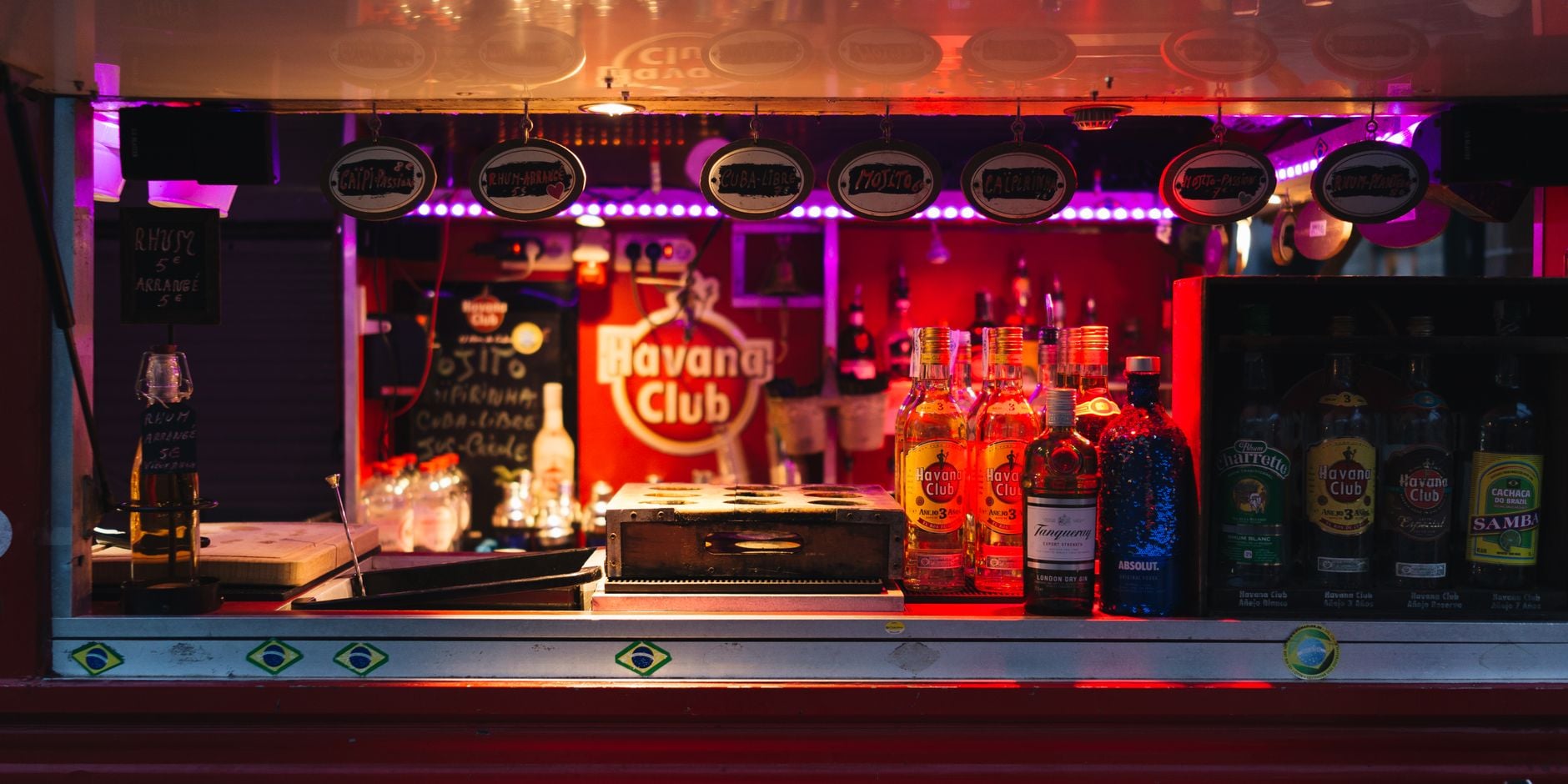
Cuban cuisine emphasizes rice, beans, plantains, and local seafood. Paladar restaurants (private family-run establishments) often offer better quality and more creative offerings than state restaurants. The Malecón and Habana Vieja have numerous dining options. Cuban music is central to nightlife; casa de la música venues offer live performances. Beer, rum (Havana Club and others), and cocktails are integral to social scenes.
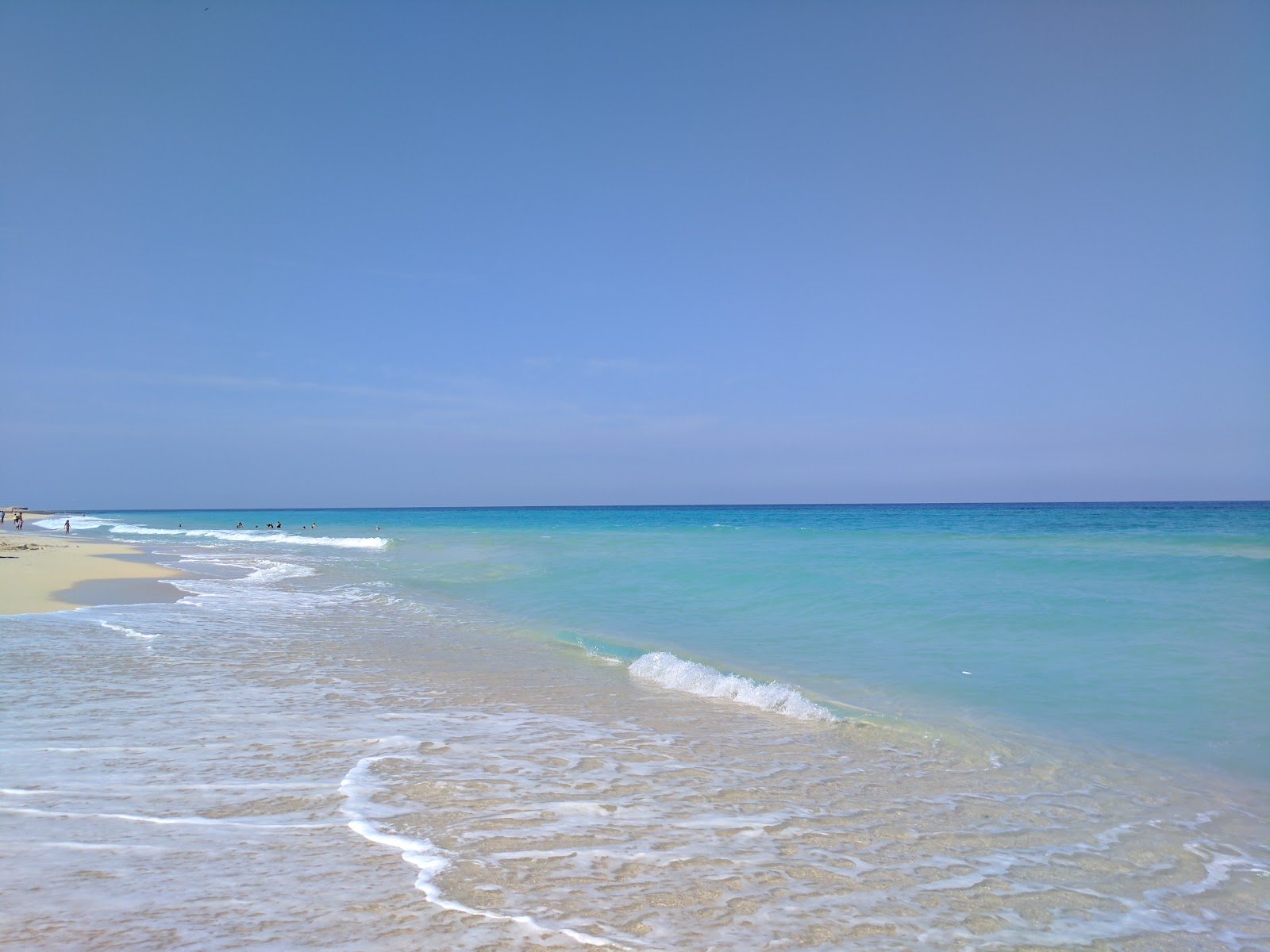
Viñales Valley (two hours west) features dramatic limestone mogotes (hills), tobacco farms, and rural charm. The beaches of Playas del Este (about 30 minutes east) offer swimming and relaxation; Playa Mi Cayito, near Santa Maria del Mar, is Havana's recognised gay beach, where the rainbow flag flies and the LGBTQ+ crowd gathers. Hemingway's former home, Finca Vigía, is a museum accessible as a day trip. These areas are less cosmopolitan than Havana but offer insight into Cuban rural life and culture.
Visitor Tips
Learn basic Spanish; English is limited outside tourist areas. Register with your embassy before arrival. Respect local culture and sensitivities regarding LGBTQ+ identity; avoid assuming openness based on legal changes. Connect with local LGBTQ+ organizations or tour operators specializing in Cuba for the most current and authentic recommendations. Be flexible; plans change frequently due to infrastructure limitations. Engage with the city's rich cultural and artistic heritage; Havana's value lies in its unique position as a Caribbean destination with a distinct historical trajectory.
שאלות נפוצות
להוואנה יש מסגרת חוקית פרוגרסיבית לזכויות להט"ב, כולל נישואים חד-מיניים חוקיים מאז 2022. עם זאת, קבלה חברתית משתנה, ותצוגות פומביות של חיבה אינן נפוצות בחברה הקובנית באופן כללי. ודאדו נחשבת לשכונה בטוחה יחסית למבקרי להט"ב.
ודאדו היא השכונה המרכזית בהוואנה למבקרי ותושבי להט"ב, עם הריכוז הגבוה ביותר של ברים, מסעדות ובתי קפה גאים. גם למרכז הוואנה יש מקומות בילוי גאים ואווירה מקומית יותר, אך דורשת יותר זהירות בנוגע לבטיחות אישית.
לוודאדו יש את הריכוז הגבוה ביותר של ברים, מסעדות ובתי קפה גאים. רחוב 23 (Calle 23) בוודאדו מכיל מקומות רבים המתויירים על ידי אנשי להט"ב. גם למרכז הוואנה יש מקומות בילוי גאים.
להוואנה אין מצעד גאווה בסגנון מערבי. האירוע המרכזי השנתי של הקהילה הגאה הוא ה-Jornada Cubana contra la Homofobia y la Transfobia שמתקיים במאי, סביב ה-17 במאי (IDAHOBIT), הכולל את ה-Conga contra la Homofobia המאורגן על ידי CENESEX, בהובלתה של מריאלה קסטרו. גם ה-Rainbow World Fund מקיים את הטיול שלו Cuba Rainbow סביב אותם תאריכים במאי. ניסיון למצעד עצמאי נעשה ב-2019 אך פוזר על ידי המשטרה; תוכנית ה-CENESEX של מאי נותרת הרגע המרכזי, המוכר רשמית, של נראות להט"בית.
ההיסטוריה של קובה עם אנשי להט"ב מורכבת, עם תקופה של רדיפה פעילה בעקבות מהפכת 1959. הומוסקסואליות עברה דה-קרימינליזציה ב-1979, והתקדמות משמעותית נעשתה מאז סוף שנות ה-80, עם הגנות חוקיות ונישואים חד-מיניים כעת.
תצוגות פומביות של חיבה נותרות לא נפוצות בחברה הקובנית באופן כללי, ללא קשר לנטייה מינית.


 בארים ומועדונים לקהילה הגאה
(39)
בארים ומועדונים לקהילה הגאה
(39)