Havana and LGBTQ+ Cuba: A Complex History and Present Scene
Cuba's relationship with LGBTQ+ rights represents one of the most complex and contested narratives in the Caribbean and Latin America. Understanding the current scene requires grappling with the country's recent past, ongoing political situation, and the resilience of its LGBTQ+ communities.
Historical Context
Following the 1959 revolution, Cuba's early approach to homosexuality was deeply repressive. Many gay men and trans people faced persecution, imprisonment, and forced labor in what became known as Military Units to Aid Production (UMAP) camps in the 1960s. This dark period lasted until the late 1970s, when attitudes began to shift. In 1979, Cuba decriminalized homosexuality, becoming one of the first countries in the Americas to do so. The turning point was significantly influenced by activists like Mariela Castro (daughter of Raúl Castro, niece of Fidel), who has championed LGBTQ+ rights since the 1990s.
By the early 2000s, Cuba had legalized same-sex marriage (in 2022, following a 2020 constitutional reform), adopted strong anti-discrimination laws, and provided access to hormone therapy and gender recognition. However, the gap between legal protections on paper and social acceptance in practice remains significant. Machismo culture runs deep, and acceptance varies widely by generation, geography, and social context.
Navigating Havana as an LGBTQ+ Visitor
Havana's LGBTQ+ scene is not immediately visible in the way gay districts are organized in Miami, Mexico City, or San Juan. There is no clearly marked gayborhood with rainbow flags and dedicated venues. Instead, the community operates through private networks, word-of-mouth, and small gatherings. Centro Habano and Habana Vieja have pockets of activity, and the Malecón waterfront is historically a cruising area, particularly in the early morning and evening hours.
Venue and Social Scene
Casa Rosa is a recognized cultural space that has hosted LGBTQ+-themed events and gatherings. Beyond this, much of the social scene happens in private homes, small clubs, and underground parties. Visitors are advised to connect with local LGBTQ+ contacts through travel groups, online forums, or through recommendations from accommodations. Some hotels and casa particulares (private rental homes) catering to international LGBTQ+ visitors may provide local connections.
Traditional bars and clubs exist throughout Havana, but they are not marketed as gay-specific. Some venues may have particular nights or reputations, but these change frequently. Nightlife generally centers around Habana Vieja, Vedado, and areas near the Malecón, with clubs, bars, and casas de la música (music venues) offering live Cuban music and dancing.
Pride and Events
Cuba does not have a Pride parade in the traditional sense. However, May 17 (International Day Against Homophobia, Transphobia, and Biphobia) is officially recognized, and various cultural events, discussions, and gatherings take place. The National Center for Sex Education (CENESEX), led by Mariela Castro, organizes educational and advocacy activities. Some international tour operators offer Cuba trips timed around this date.
Neighborhoods
Habana Vieja (Old Havana) is the historic colonial center, full of colorful buildings, plazas, and restored sites. It's tourist-friendly and walkable. Vedado is the mid-20th-century neighborhood with tree-lined streets, Art Deco architecture, and a mix of locals and visitors. Centro Habano is the gritty heart of the city, less touristy and more authentically Cuban but less developed for visitors. The Malecón runs along the waterfront and is iconic for evening strolls and as a social gathering space.
Accommodation
Visitors can choose between state-run hotels and casas particulares (private homes rented short-term). Casas particulares often provide more authentic connections and may be run by or connected to LGBTQ+ owners or hosts. Hotels in Vedado and Habana Vieja cater to international tourists and offer more infrastructure. Some accommodations catering to LGBTQ+ travelers are available through specialized booking platforms.
Cuba is generally safe for tourists, with low violent crime rates. However, LGBTQ+ visitors should be aware that while legal protections exist, social acceptance remains uneven. Overt displays of affection may attract attention or negative reactions in some contexts, particularly outside central tourist areas. Harassment is not common but discretion is advisable. The U.S. embargo and limited internet access mean that some online resources, apps, and financial services may be restricted. Cash (preferably in euros or Canadian dollars, as U.S. dollars face additional fees) is essential; credit cards often do not work. Internet is limited and expensive; government-controlled WiFi hotspots are available but connectivity is unreliable.
Transportation
Havana is navigable on foot, particularly in Habana Vieja and Vedado. Taxis are available but can be expensive for tourists; state-run Cubataxi and private taxis operate. Classic American cars from the pre-embargo era are iconic but less common as transport options. Ride-sharing apps do not operate in Cuba. Walking is the safest and most authentic way to explore, though visitors should remain aware of surroundings and not travel alone late at night.
Food and Nightlife
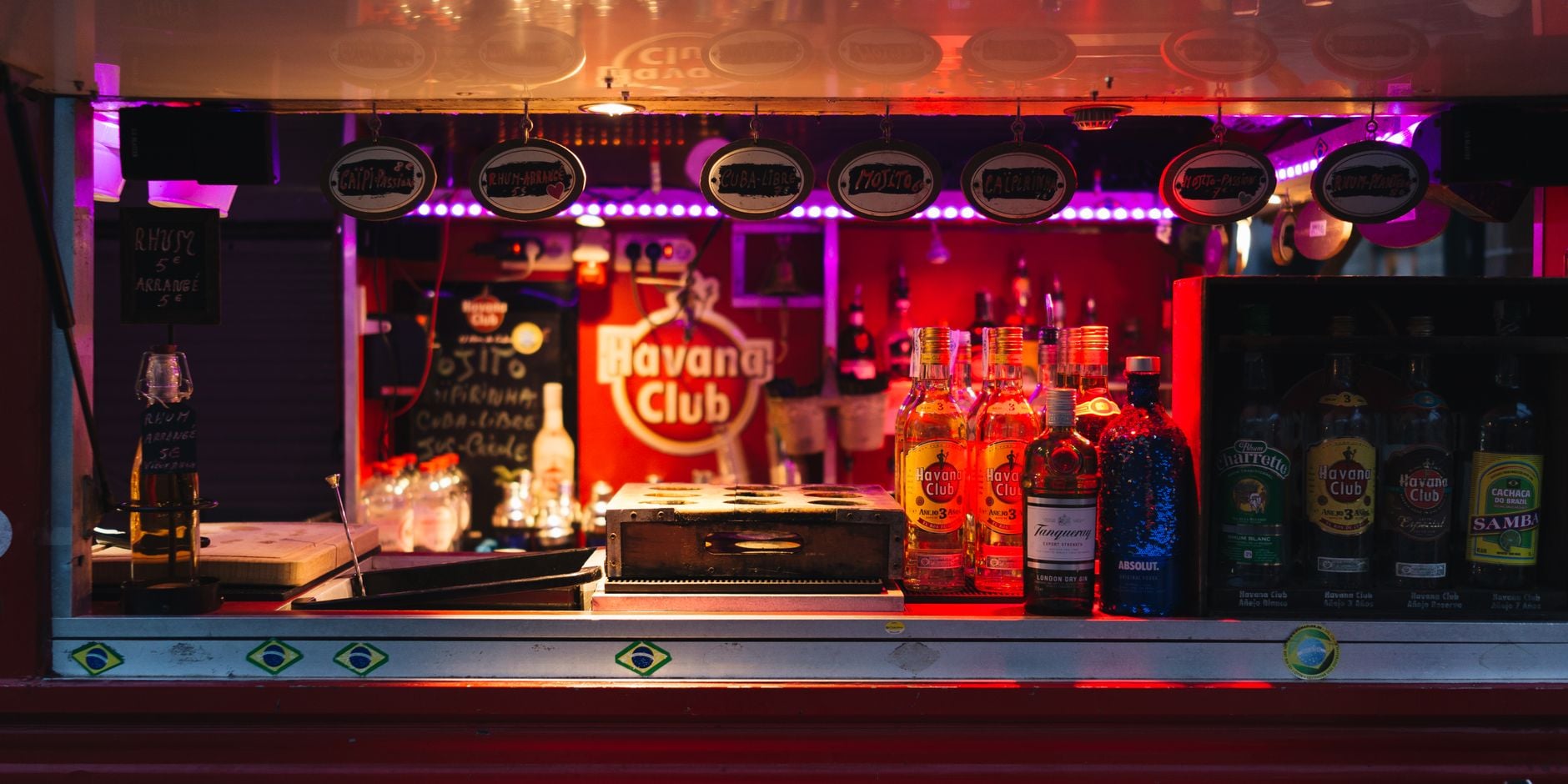
Cuban cuisine emphasizes rice, beans, plantains, and local seafood. Paladar restaurants (private family-run establishments) often offer better quality and more creative offerings than state restaurants. The Malecón and Habana Vieja have numerous dining options. Cuban music is central to nightlife; casa de la música venues offer live performances. Beer, rum (Havana Club and others), and cocktails are integral to social scenes.
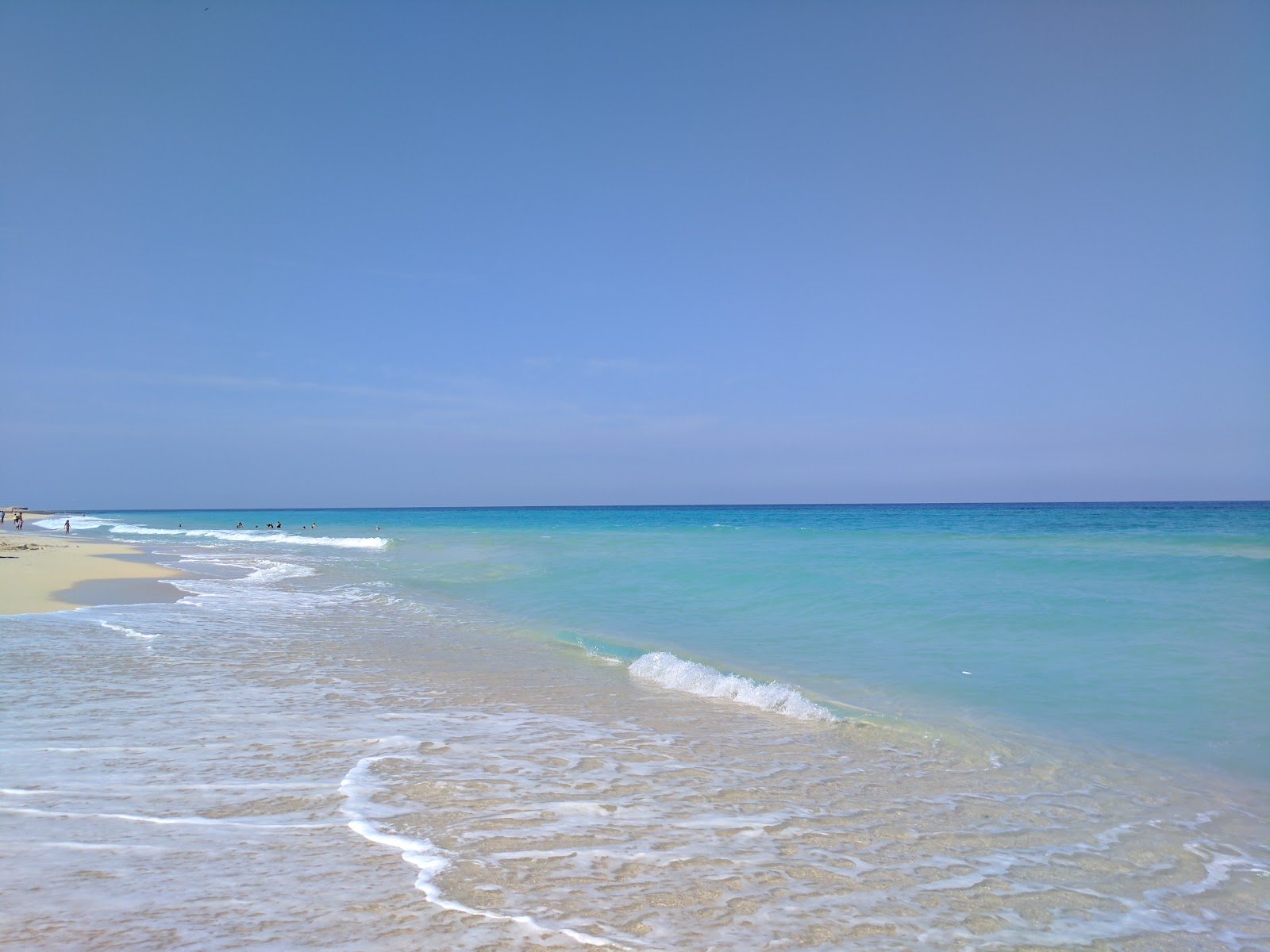
Viñales Valley (two hours west) features dramatic limestone mogotes (hills), tobacco farms, and rural charm. The beaches of Playas del Este (30 minutes east) offer swimming and relaxation. Hemingway's former home, Finca Vigía, is a museum accessible as a day trip. These areas are less cosmopolitan than Havana but offer insight into Cuban rural life and culture.
Visitor Tips
Learn basic Spanish; English is limited outside tourist areas. Register with your embassy before arrival. Respect local culture and sensitivities regarding LGBTQ+ identity; avoid assuming openness based on legal changes. Connect with local LGBTQ+ organizations or tour operators specializing in Cuba for the most current and authentic recommendations. Be flexible; plans change frequently due to infrastructure limitations. Engage with the city's rich cultural and artistic heritage; Havana's value lies in its unique position as a Caribbean destination with a distinct historical trajectory.
Frequently asked questions
Havana has a progressive legal framework for LGBTQ+ rights, including legal same-sex marriage since 2022. However, social acceptance varies, and public displays of affection are uncommon across Cuban society generally. Vedado is considered a relatively safe neighborhood for LGBTQ+ visitors.
Vedado is Havana's primary neighborhood for LGBTQ+ visitors and residents, featuring the highest concentration of gay bars, restaurants, and cafes. Centro Habana also has gay venues and a more local atmosphere, but requires more caution regarding personal safety.
Vedado has the highest concentration of gay bars, restaurants, and cafes. Calle 23 (23rd Street) in Vedado contains many venues frequented by LGBTQ+ people. Centro Habana also has gay venues.
The provided guide does not contain information about when Pride is celebrated in Havana.
Cuba's history with LGBTQ+ people is complex, with a period of active persecution following the 1959 revolution. Homosexuality was decriminalized in 1979, and significant progress has been made since the late 1980s, with legal protections and same-sex marriage now in place.
Public displays of affection remain uncommon across Cuban society generally, regardless of sexual orientation.
Your privacy choices.
We use cookies to run GayOut and, with your consent, measure usage. Learn more
Your privacy choices
We use cookies to keep GayOut running, remember your preferences, and (with your permission) measure how the site is used. You can accept all, reject all, or pick what you allow. Learn more
Essential
Required for sign-in, fraud prevention, CSRF protection and remembering your language. Cannot be disabled.
Always on
Remembers your favourites, dark mode and other interface preferences across visits.
Helps us understand which pages people visit (Google Analytics, server-side stats) so we can improve.
Used by campaign tracking pixels. None are active right now, reserved for future use.
Install GayOut
Add GayOut to your home screen for faster access, offline favourites, and Pride alerts.


 Gay-Friendly Bars & Clubs
(39)
Gay-Friendly Bars & Clubs
(39)