שוויון בנישואים מאז Obergefell v. Hodges (26 ביוני 2015). חוק הכבוד לנישואין (דצמבר 2022) מספק רצפת קונגרס, הדורש הכרה פדרלית בכל הנישואים החד-מיניים ובין-גזעיים התקפים ללא קשר להחלטות עתידיות של בית המשפט העליון. Bostock v. Clayton County (2020) קבע כי כותרת VII של חוק זכויות האזרח אוסרת אפליה בתעסוקה על בסיס נטייה מינית וזהות מגדרית. אין חוק פדרלי מקיף נגד אפליה בדיור או בציבור.
Berkeley has been a significant center for LGBTQ+ activism and community since the 1960s and 1970s. The city's progressive political climate, influenced by the student movement and counterculture centered at UC Berkeley, fostered an environment of acceptance for queer individuals early on. The spirit of the Stonewall uprising and subsequent gay liberation movements resonated with Berkeley's activist community. Over time, Berkeley became recognized as a place where LGBTQ+ people could live openly and organize for civil rights.
The city has a history of electing openly LGBTQ+ officials and has consistently supported LGBTQ+ rights through local policies and community initiatives. This legacy of acceptance continues to shape Berkeley's identity, making it a notably LGBTQ+-friendly city, though it does not feature a concentrated gay district like San Francisco.
Neighborhoods and Areas
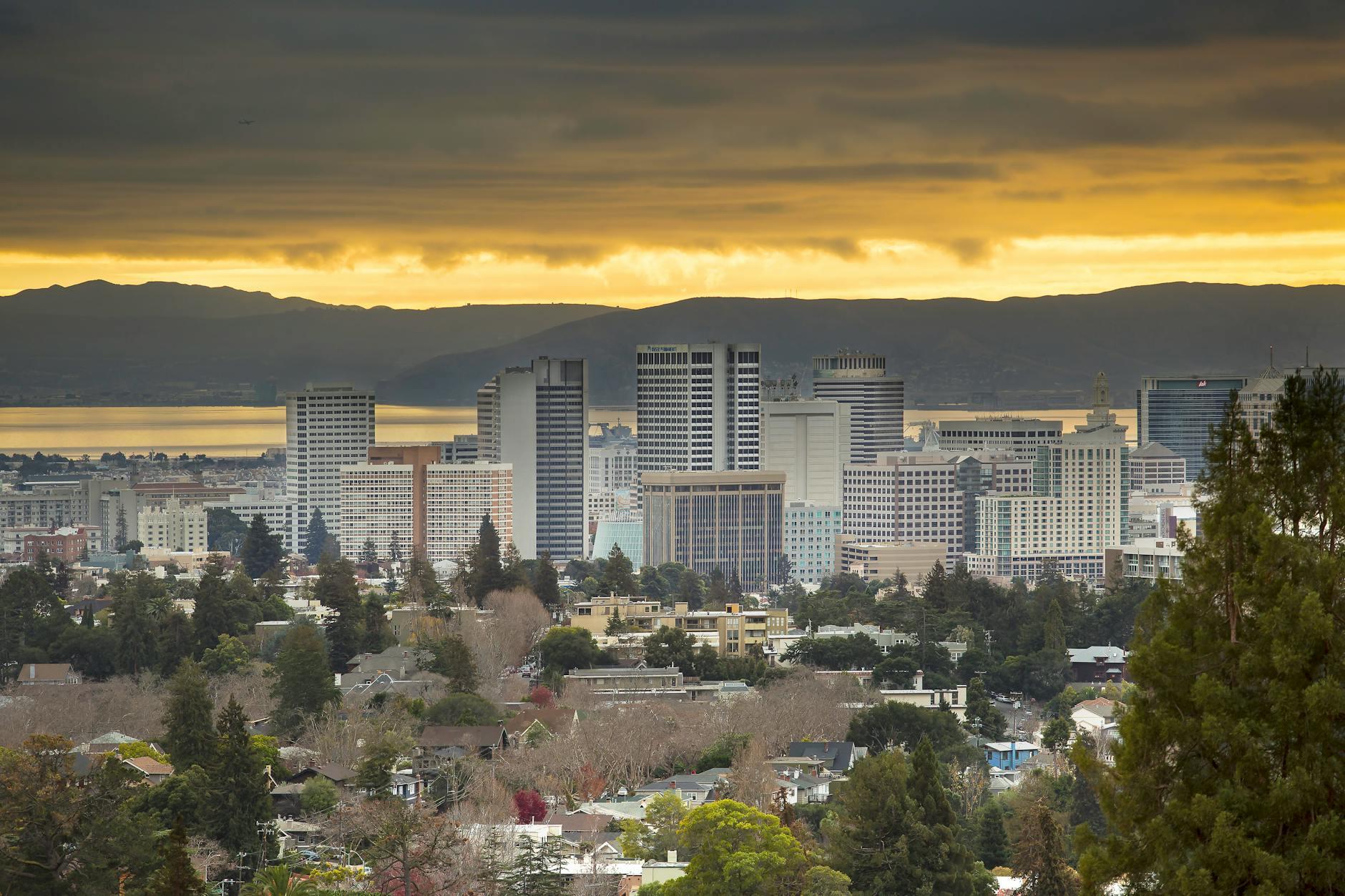
While Berkeley lacks a single defined gay neighborhood, LGBTQ+ residents are present throughout the city. South Berkeley, generally south of the UC campus, has a more visible LGBTQ+ presence and is home to a number of dining establishments and cafes. The area around Telegraph Avenue and the UC Berkeley campus remains a hub for student culture and activism. The Elmwood neighborhood, east of campus, offers a quieter residential setting. Downtown Berkeley, near BART, provides walkability and access to shops, restaurants, and cultural venues.
Visitors often choose to stay in or near downtown Berkeley for convenience. Some opt for nearby Oakland for more nightlife options, or San Francisco for access to its larger LGBTQ+ scene.
Venues and Culture
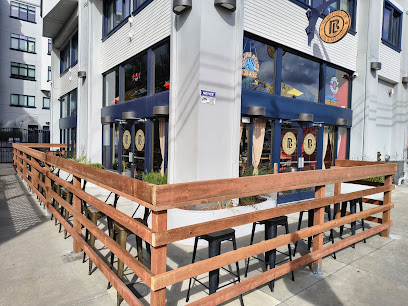
Berkeley's queer scene is characterized by community spaces, cultural institutions, and inclusive dining and cafe options, rather than traditional gay bars. The city has a strong independent bookstore culture, with establishments like Moe's Books attracting LGBTQ+ visitors and locals. Various neighborhoods feature cafes, restaurants, and shops that are LGBTQ+-owned or known for their welcoming atmosphere, particularly in the downtown and South Berkeley areas.
The Hillside Club and other community venues occasionally host LGBTQ+ events and performances. UC Berkeley's campus also supports LGBTQ+ student organizations and hosts cultural events. The Freight and Salvage, a music venue in downtown Berkeley, presents a diverse range of performers.
Berkeley's cultural landscape includes numerous theaters, galleries, and performance spaces that showcase LGBTQ+ artists and themes. The city's progressive atmosphere means LGBTQ+ content and perspectives are regularly featured in local cultural programming.
Berkeley Pride and Events
Berkeley Pride, held annually in September, is the city's largest LGBTQ+ celebration. The event typically includes a parade, festival, performances, and community booths in downtown Berkeley and surrounding areas, drawing participants from across the Bay Area. Berkeley Pride emphasizes activism and community organizing alongside its celebratory aspects.
Throughout the year, various LGBTQ+ organizations host community events, film screenings, and cultural programs. The city's calendar often includes Pride-related programming and commemorations of events such as Trans Day of Visibility and Pride Month in June.
Where to Stay
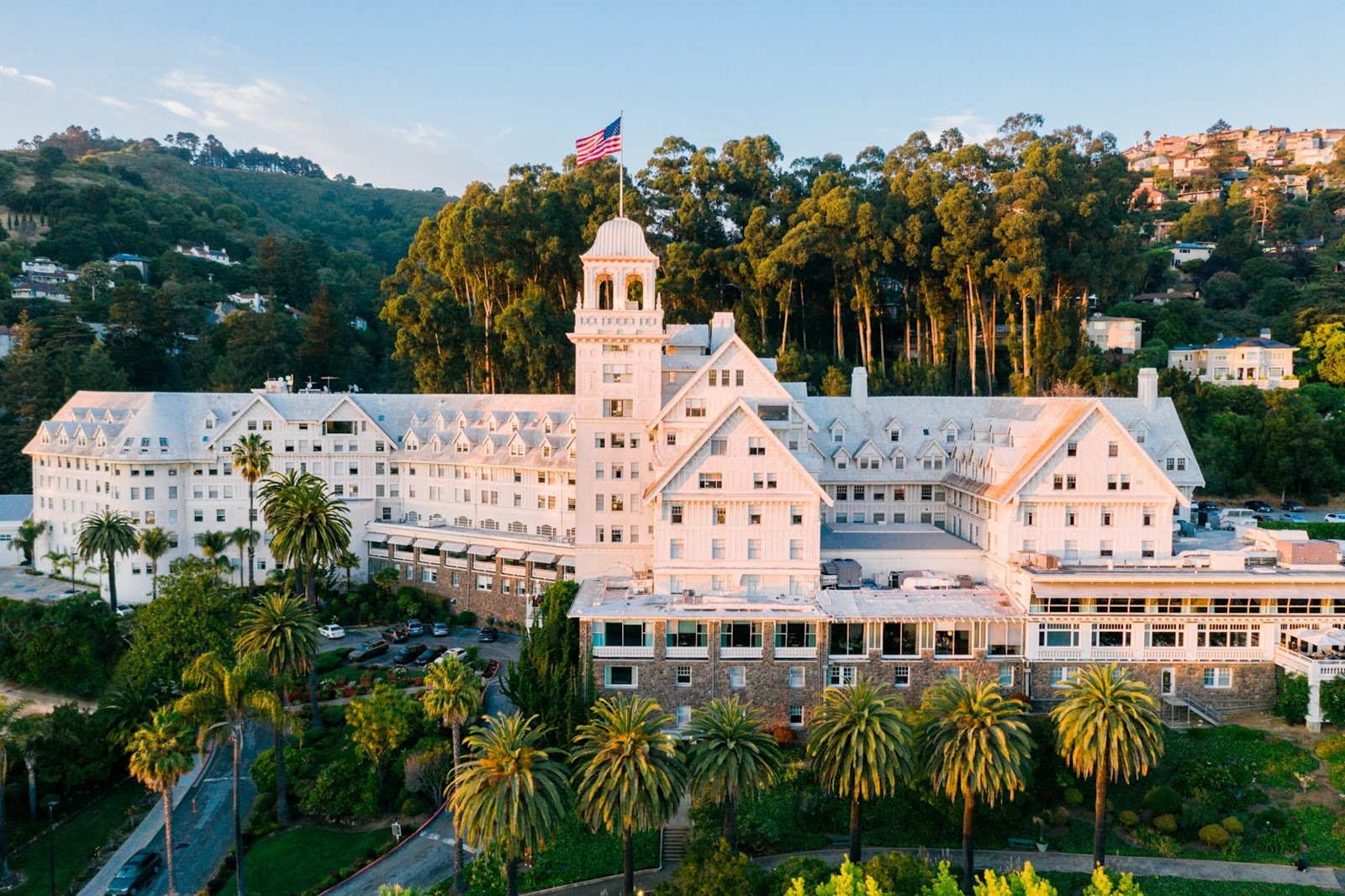
Downtown Berkeley offers a convenient base for visitors, with hotels located within walking distance of BART, restaurants, and cultural attractions. Accommodation options range from budget to mid-range. The downtown area provides easy access to Telegraph Avenue, the campus, and South Berkeley.
Some visitors prefer staying in nearby Oakland, accessible via BART, which offers more nightlife and a developing LGBTQ+ scene. San Francisco, approximately 30 minutes away by BART, provides a larger and more established LGBTQ+ district.
Berkeley is well-served by BART (Bay Area Rapid Transit), connecting the city to San Francisco, Oakland, and other Bay Area destinations. The downtown Berkeley BART station is centrally located and offers connections to local bus routes.
AC Transit buses provide extensive service throughout Berkeley, making car rental often unnecessary. The city is also increasingly bike-friendly, with bicycle rentals available for exploring neighborhoods and nearby parks. Walking is feasible in downtown Berkeley and the campus area, though some parts of the city have steep inclines.
Food and Dining
Berkeley boasts a notable food scene with numerous LGBTQ+-friendly and LGBTQ+-owned restaurants. The city is known for its farm-to-table dining, vegetarian and vegan options, diverse international cuisines, and innovative eateries. South Berkeley, in particular, has a concentration of dining options. The Gourmet Ghetto area near campus offers casual, high-quality dining. Telegraph Avenue and its surrounding neighborhoods feature numerous cafes, bakeries, and casual restaurants.
Day Trips and Activities
Berkeley's location offers convenient access to Bay Area attractions. Day trips to natural areas like Mount Tamalpais and Muir Woods are feasible. Point Reyes National Seashore is approximately 90 minutes away. San Francisco is easily reached via BART for those interested in its larger LGBTQ+ scene, museums, and attractions.
Locally, the UC Berkeley campus is worth exploring. The UC Berkeley Art Museum and Pacific Film Archive present contemporary and historical artwork. The Bancroft Library houses extensive archives and occasionally hosts exhibitions. Regional parks offer opportunities for hiking, picnicking, and nature activities. Tilden Regional Park provides expansive views, hiking trails, and botanical gardens.
Safety and Practical Considerations
Berkeley is generally considered safe for LGBTQ+ travelers, with strong legal protections and a welcoming cultural environment. As with any urban area, visitors should practice standard city safety precautions, especially at night or in less populated areas.
Some downtown areas experience issues related to homelessness and drug use, though these are not specifically directed at LGBTQ+ individuals. Downtown Berkeley, particularly around the BART station, may feel less secure at night, warranting usual urban precautions.
Berkeley's weather is generally mild year-round, though it can be foggy and cool, particularly on summer mornings. Layered clothing is recommended. Fall (September-October) and spring (April-May) typically offer the most pleasant weather.
שאלות נפוצות
Berkeley has a history of activism and community for LGBTQ+ people, and this acceptance is woven into its identity today. It is considered one of California's most genuinely LGBTQ+-friendly cities.
Berkeley does not have a single defined gay neighborhood, but LGBTQ+ people live throughout the city. South Berkeley has a more visible LGBTQ+ presence.
Gay visitors often stay in or near downtown Berkeley for convenience. Some also choose to stay in nearby Oakland or San Francisco for more nightlife or a larger gay scene.
Berkeley's queer scene centers on community spaces, cultural institutions, and inclusive restaurants and cafes rather than traditional gay bars. The city has a strong independent bookstore culture, and several neighborhoods have LGBTQ+-owned or LGBTQ+-friendly cafes, restaurants, and shops.
The Hillside Club and other community spaces occasionally host LGBTQ+ events and performances. Information on specific Pride timing or larger city-wide events is not detailed in the provided guide.
While Berkeley is a genuinely LGBTQ+-friendly city, it lacks the concentrated gay district found in San Francisco. Many visitors choose to stay in San Francisco for access to a larger gay scene.



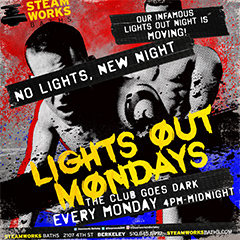

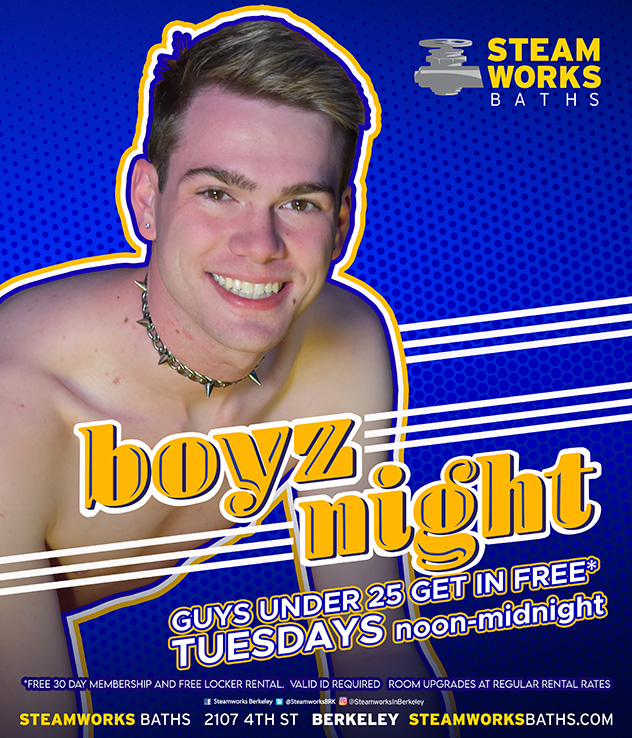


 בארים ומועדונים ידידותיים לקהילה הגאה
(22)
בארים ומועדונים ידידותיים לקהילה הגאה
(22)