Tutto quello che vale la pena sapere prima di partire.
Chelsea's history as a focal point for New York City's LGBTQ+ community is a notable part of the city's social fabric. In the 1970s, as industrial spaces gave way to residential use, the neighborhood became more accessible and appealing to gay men seeking community and affordable living. By the 1980s, Chelsea had become a prominent gay enclave.
The neighborhood was a center for nightlife and community spaces. During the AIDS epidemic of the 1980s and 1990s, Chelsea was deeply affected, with many residents impacted and community organizations providing crucial support and advocacy. This period left a lasting imprint on the neighborhood.
In the following decades, Chelsea underwent significant gentrification. Rising property values led to the displacement of many long-term residents, including members of the LGBTQ+ community who had helped shape its character. While this has changed the neighborhood's demographics, Chelsea retains its historical importance as an LGBTQ+ destination and continues to host LGBTQ+-oriented businesses and events.
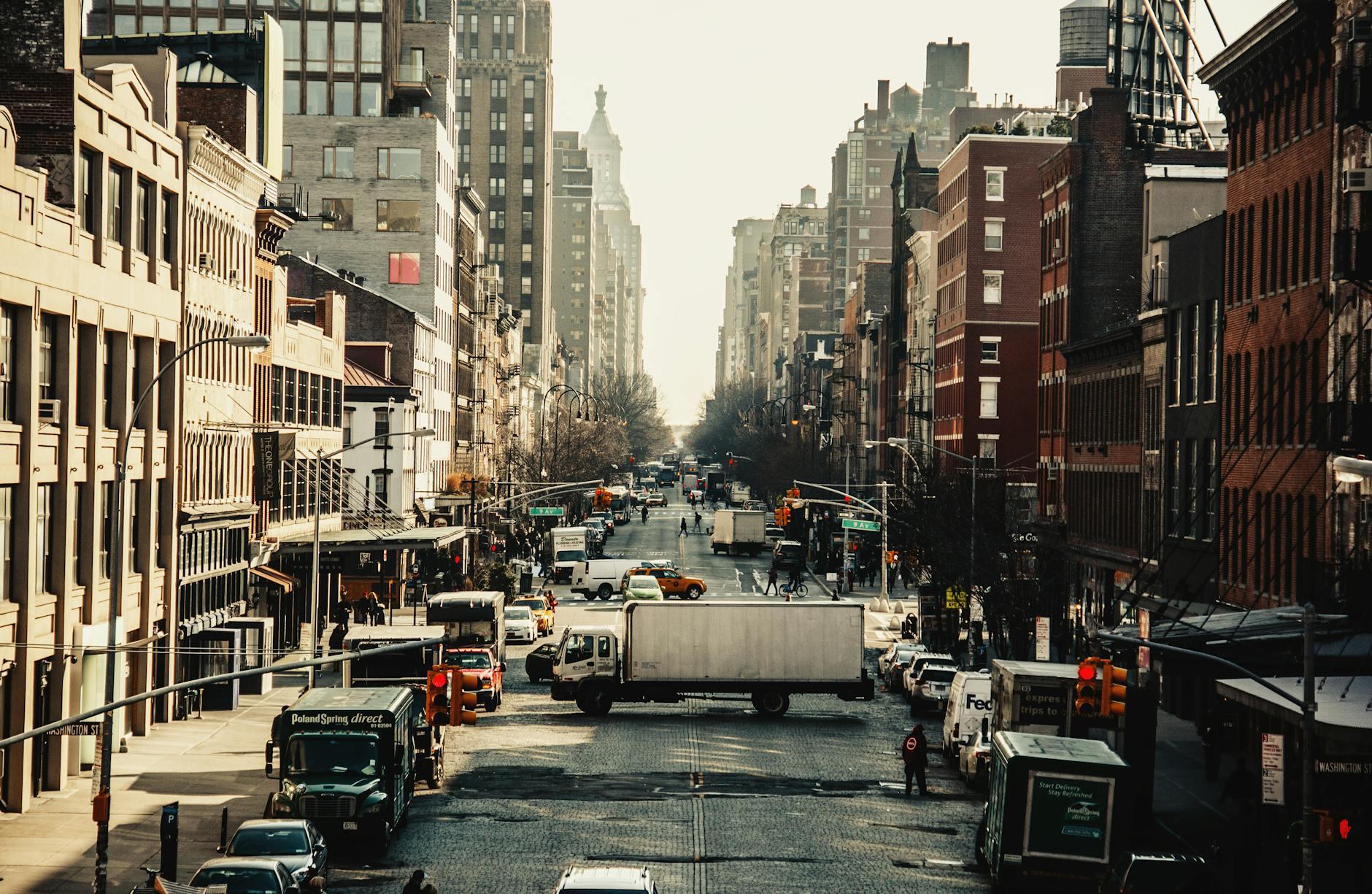
Chelsea generally extends from 14th Street to 30th Street, between the Hudson River and Eighth Avenue. The LGBTQ+ scene and gay-friendly establishments can also be found in areas slightly beyond these borders.
The western waterfront, particularly around Chelsea Piers (17th to 23rd Streets along the Hudson), serves as a popular area for recreation and socializing. This section features parks and waterfront establishments where the community often gathers, especially during warmer weather.
Eighth Avenue between 14th and 23rd Streets has historically been a central hub for LGBTQ+ life, featuring bars, shops, and restaurants. While some original establishments have closed, the avenue still hosts LGBTQ+-friendly businesses and remains a recognizable area.
The side streets between Eighth and Ninth Avenues, and between Sixth and Eighth Avenues, are primarily residential, with galleries and dining options. The neighborhood has become more mixed-use, with fewer exclusively LGBTQ+-oriented venues than in the past.
Chelsea's bar and club scene has evolved. Some long-standing venues have closed, and new ones have opened. The neighborhood continues to offer dance clubs, bars, and gay-friendly restaurants, though specific establishments can change.
Historically significant venues that contributed to the neighborhood's culture included various dance clubs and bars along Eighth Avenue. While some of these are no longer operating, their cultural impact is part of the neighborhood's past.
Visitors should check current listings for operating venues, as the scene is fluid. LGBTQ+ travel guides and local publications can provide up-to-date information on bars, clubs, and entertainment. Chelsea still hosts various LGBTQ+ events and parties, often organized by promoters who utilize different locations.
The neighborhood has numerous LGBTQ+-friendly restaurants, cafes, and shops, distributed throughout rather than concentrated in one area. Chelsea Piers offers recreational facilities, including a sports complex popular for activities like gym, basketball, and swimming.
New York City's Pride celebrations take place annually in June, with Chelsea being a key area. The Pride March, typically held in mid-June, passes through Chelsea, with Eighth Avenue closed to traffic. Chelsea also hosts various Pride-related parties and events throughout the month. The neighborhood is particularly busy during Pride week, which now often extends beyond a single day.
Throughout the year, Chelsea hosts various LGBTQ+ cultural events, film screenings, and community gatherings. The neighborhood remains a destination for LGBTQ+ Pride celebrations, and its bars and clubs frequently host themed events.
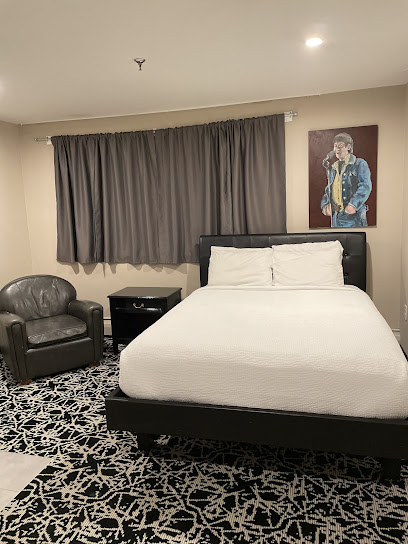
Chelsea provides a range of accommodation options. Several hotels are welcoming to LGBTQ+ travelers, and many mainstream hotels are also inclusive. Some visitors choose Chelsea for its proximity to LGBTQ+ venues and community atmosphere, while others opt for nearby neighborhoods based on budget and preference.
Guesthouses and smaller hotels operated by LGBTQ+ owners can be found in the neighborhood, though these can change. Online travel platforms and LGBTQ+-specific travel websites offer current listings. During Pride week in June, accommodations across Manhattan book up well in advance, often at higher rates.
Chelsea is generally considered a safe neighborhood with a visible police presence. LGBTQ+ travelers should exercise standard urban safety awareness, staying mindful of surroundings and using transportation safely. New York City has strong anti-discrimination laws and a large, visible LGBTQ+ community.
Public transportation in Chelsea is extensive. Subway lines serving the area include the A, C, E (at 14th Street and other stops), the L (crosstown at 14th Street), and the 1, 2, 3 trains on the west side. Numerous bus routes also serve the neighborhood. Subway stations sell Metrocards. Chelsea is a highly walkable neighborhood, and many areas can be explored on foot. The proximity to the Hudson River waterfront offers pleasant walking routes, including the Hudson Greenway.
Chelsea offers a variety of dining options, from casual to more formal. Restaurants and cafes reflect diverse cuisines. Eighth Avenue and surrounding streets have many dining choices, some with LGBTQ+ ownership or clientele. Options include pizzerias, Thai restaurants, French bistros, sushi establishments, and casual eateries.
The Chelsea Market, located at Ninth Avenue and 15th Street, is a food hall and market with numerous food vendors, shops, and casual dining. Originally a Nabisco factory, it is now a popular destination for food and shopping.
Chelsea's location in Manhattan provides convenient access to many of the city's attractions. The High Line, an elevated park on a former railway line, runs through and adjacent to Chelsea, offering views, walking paths, and access to galleries and restaurants. The neighborhood is also near the Museum of Modern Art, the Whitney Museum of American Art, and numerous galleries.
Further afield, Brooklyn neighborhoods are accessible by subway. The Statue of Liberty and Ellis Island can be reached from Battery Park. Other Manhattan neighborhoods are also within easy reach. Communities like Provincetown and Fire Island, known LGBTQ+ destinations, can be visited as day or overnight trips.



 Amichevoli Bar e club gay