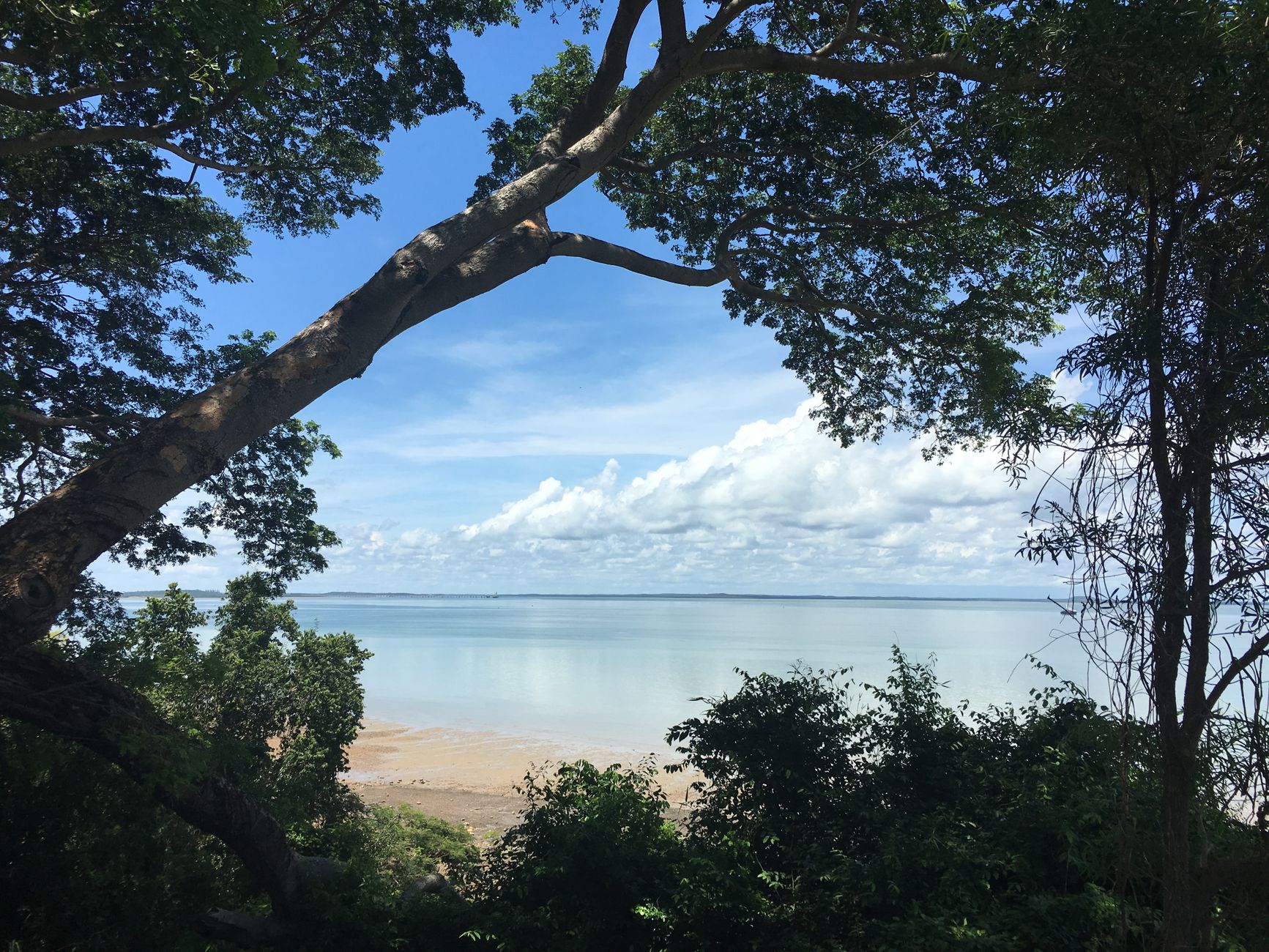
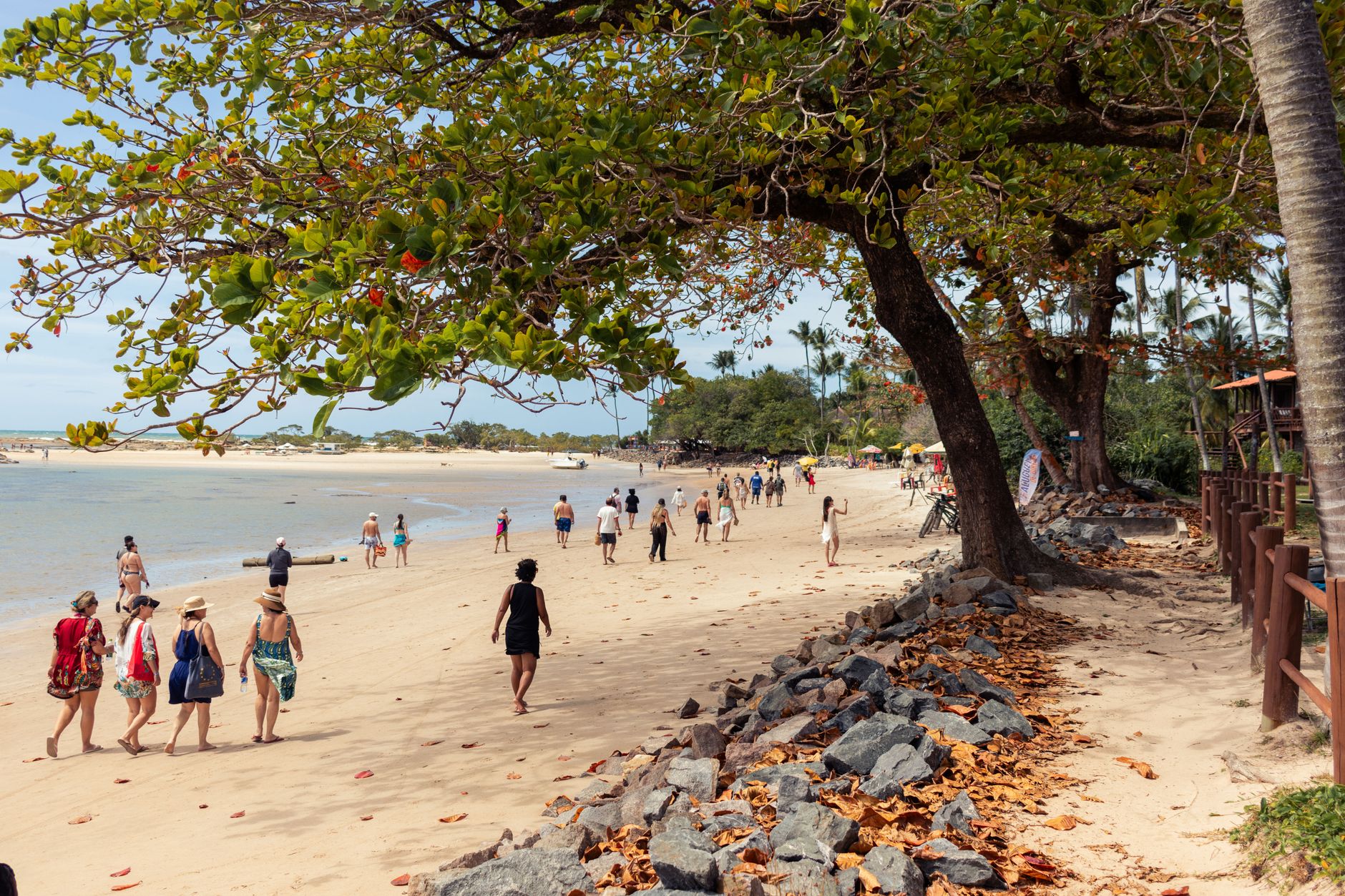
Darwin, Australia’s northernmost capital, is a compact, multicultural city of 150,000, famously laid-back and right on the edge of the tropics. Its LGBTQ+ history mirrors the Northern Territory’s wider social shifts: homosexuality was decriminalized here in 1990, and the community has become steadily more visible since. Because Darwin is small, remote, and mostly rebuilt after 1974’s Cyclone Tracy, its queer scene is integrated rather than concentrated in one gay village. It relies more on community organizations, Pride, and word-of-mouth than on a dedicated strip of venues.
Most social life centers on the city. Mitchell Street is the main nightlife area, and the nearby Waterfront precinct has harborside dining with tropical views. You can walk everywhere in the CBD. The leafy inner suburbs of Fannie Bay, Parap, and Nightcliff are close by for markets, cafes, and the beach. Darwin doesn’t have a dedicated gay bar anymore: Throb, the city’s long-running gay nightclub near Mitchell Street, closed in 2023 when its building was condemned and demolished in early 2024. Now, the scene leans on gay-friendly spots the local community adopts, like Charlies of Darwin (a CBD gin distillery and bar), Dom’s Bar in the northern suburbs, and the Cavenagh Hotel. You’ll also find queer nights popping up around Pride and during the dry season. Always check current listings and community social media before a night out; venues and events change fast in a city this size.
The Territory’s main celebration is the Darwin Pride Festival, run by the volunteer group Top End Pride (NT) Inc. Pride happens in June — don't confuse it with the separate mainstream Darwin Festival in August. First held in 1985, Darwin Pride celebrated its 40th anniversary in 2025; the 2026 festival runs June 18-21. The program centers on the Pride March from Bicentennial Park to Parliament House, and includes parties, live music, family days, art, and community events. It has a warm, grassroots feel that fits the city, not the scale of Sydney or Melbourne.
Darwin’s real LGBTQ+ infrastructure lies in its community organizations. Top End Pride (NT) Inc advocates year-round and organizes the festival. The Northern Territory AIDS and Hepatitis Council (NTAHC) is the Territory’s main sexual-health body. From its Darwin base, it runs Rainbow Inclusion and LGBTI Living Well programs, counseling, peer support, and rapid HIV testing. Sisters & Brothers NT supports Sistergirls, Brotherboys, and the broader LGBTIQ+ community, with a special focus on Aboriginal and Torres Strait Islander people. This reflects the Top End’s unique place in Australia’s Sistergirl and Brotherboy story. These groups are the best first contact for visitors wanting to connect locally.
For outdoors, Casuarina Free Beach in the Casuarina Coastal Reserve, about twenty minutes north of the CBD, has been the Northern Territory’s only official clothing-optional beach since 1976. Its far north-eastern end is popular with gay and bi men. East Point Reserve, a bushland headland on Fannie Bay, is great for sunsets and walks, and has a long-standing informal after-dark reputation. Just remember the tropical marine stinger season from roughly October to May, when ocean swimming isn’t safe. The cooler, drier months from May to September are the time to enjoy the coast.
Darwin is a very safe place for LGBTQ+ travelers. Australia has strong anti-discrimination laws and progressive attitudes; same-sex relationships are legal and recognized nationwide, and marriage equality arrived in 2017. Same-sex couples are unremarkable in the city center, and violent homophobia is rare. Standard urban common sense is all you need.
Getting Around
Getting around is easy. The CBD is very walkable, cycling suits the flat terrain, and buses, taxis, and rideshare are all available. Many visitors hire a car for day trips. The Waterfront is a 15-20 minute walk from Mitchell Street. Darwin’s dining is a highlight, influenced by its Asian neighbors and diverse population. Think superb seafood (barramundi, mud crab, prawns), excellent Asian food, and the famous Mindil Beach Sunset Market during the dry season.
Darwin also acts as a gateway to some of Australia’s best natural sights: Kakadu National Park (a UNESCO World Heritage site about 200km east), Litchfield National Park with its waterfalls and swimming holes about 100km south, and the Top End’s wetlands and wildlife. These are welcoming to all visitors and usually reached by tour or hire car. For an LGBTQ+ traveler, Darwin is different from Australia’s big-city scenes: it’s about genuine community, tropical nature, and an easygoing, multicultural pace.




 フレンドリーなゲイバー&クラブ
(422)