Thessaloniki, Greece's second-largest city, has seen its LGBTQ+ community grow more visible and confident in recent decades. Following Greece's EU membership, the city underwent significant social and legal changes. While homosexuality was decriminalized in 1951, broader acceptance and visibility took time. Today, Thessaloniki is known for its active LGBTQ+ organizations, annual Pride celebrations, and a developing gay scene.
The LGBTQ+ movement in the city gained momentum in the 2000s, aligning with European trends toward equality. Same-sex civil partnerships became legal in Greece in 2015, and same-sex marriage was legalized in 2024, reflecting evolving attitudes, particularly in urban centers like Thessaloniki.
The dedicated gay bars and clubs are concentrated around Valaoritou and Syngrou streets and the adjacent Vardaris area, just inland from the waterfront and a short walk from Aristotelous Square. This central cluster — home to venues such as Enola, exPOSE, ID Club and Zigkouala — is compact and easy to explore on foot. Ladadika, the restored Ottoman-era warehouse quarter nearby, is the city's main area for gay-friendly dining and mixed nightlife.
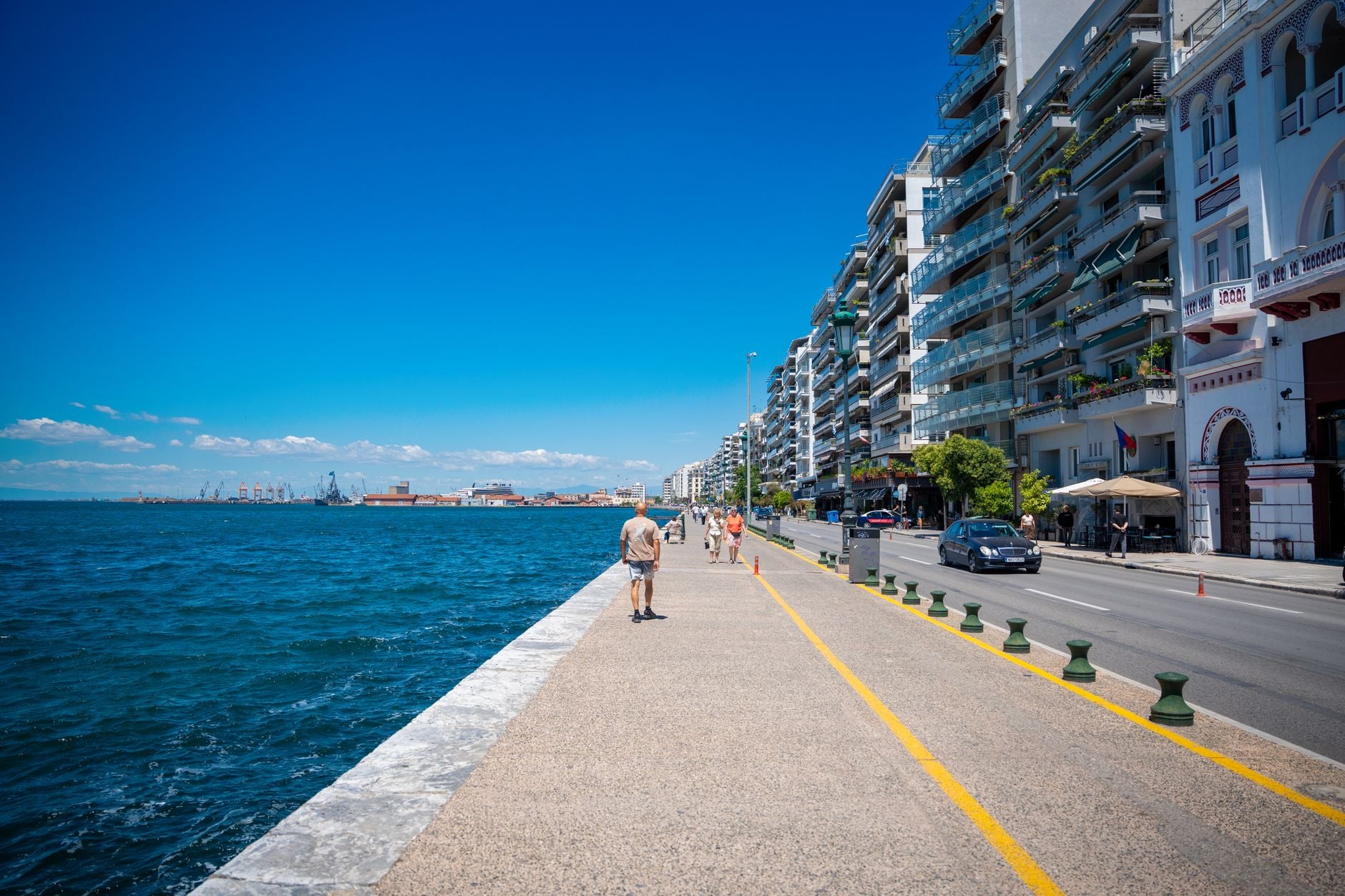
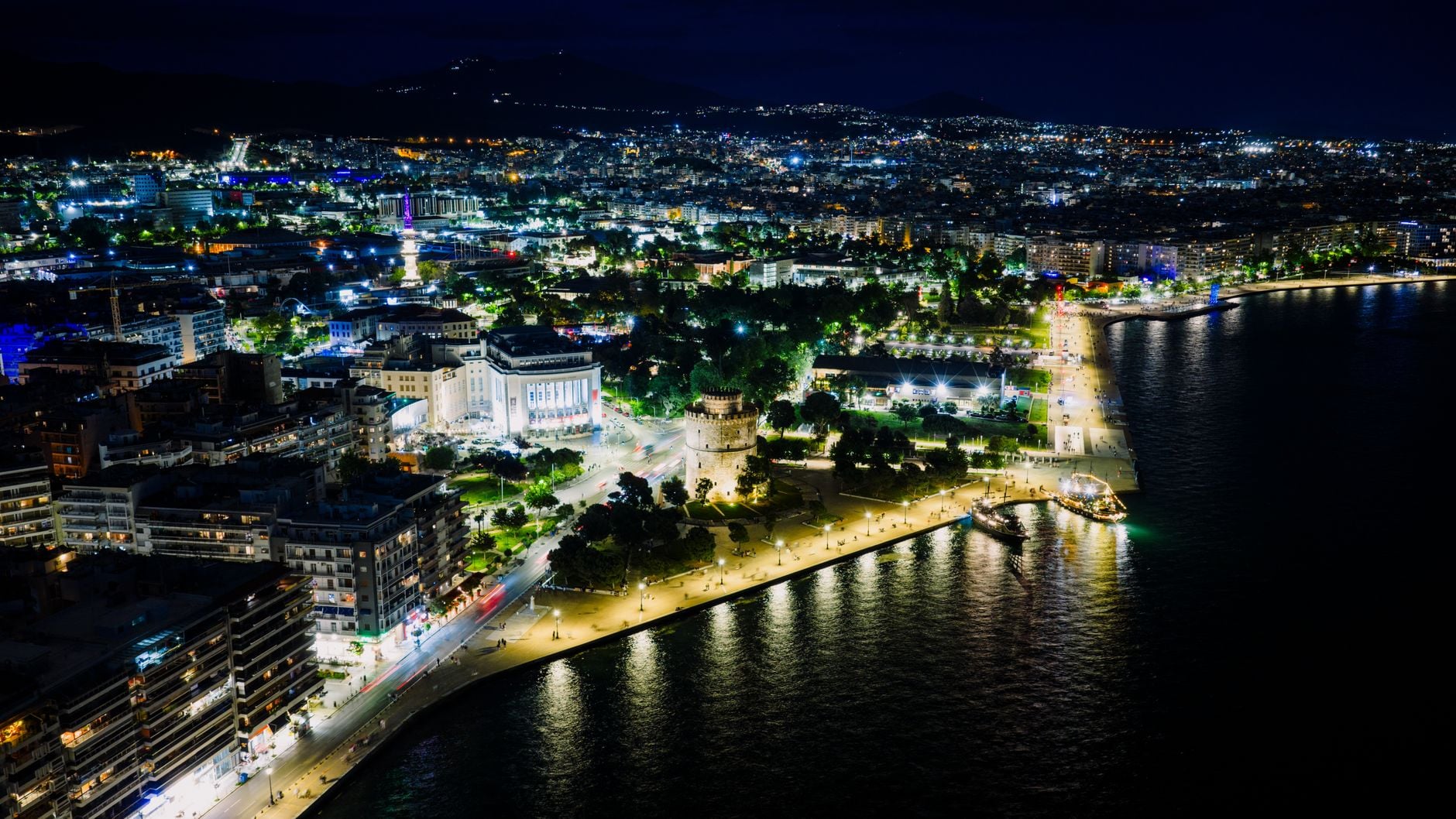
Valaoritou Street and the surrounding area near Aristotelous Square also feature several gay bars and are considered part of an extended gay quarter. This district blends into the general city center and is easily accessible from most accommodations. The waterfront (Paralia) is popular for evening strolls, with bars and cafes that cater to a mixed but LGBTQ+-friendly crowd.
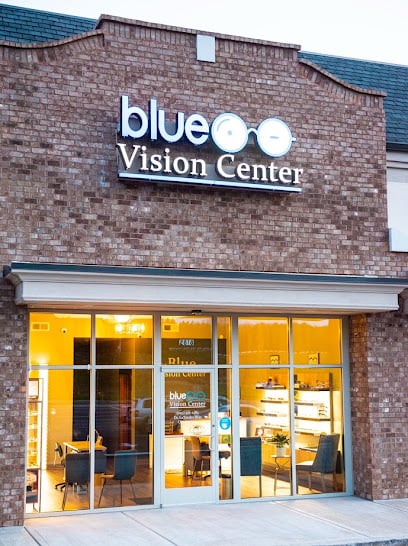
While specific venue details change over time, Thessaloniki's gay nightlife has settled around the Valaoritou and Vardaris streets in the centre, which hold the city's dedicated gay bars and clubs — from casual evening spots like Don't Tell Mama and the bear-friendly Big Bar to late-night dance venues such as exPOSE. Many places in the wider centre are also open-minded and welcoming without being exclusively gay. The city has one dedicated gay sauna, AquaSplash — the relocated and rebranded successor to the long-running Splash — in the Vardaris district near the centre, plus men-only cruise venues such as Play and Blue Vision nearby. Mainstream clubs and bars throughout the city center are generally LGBTQ+-friendly, especially in areas influenced by the university population. For the most current venue information, it is advisable to consult online resources or local LGBTQ+ organizations.
Thessaloniki Pride usually takes place in June and has become a significant annual event. It includes a parade through the city streets, often with participation from local officials and organizations. Pride week typically features cultural events, film screenings, and parties. Beyond Pride, the city's university presence contributes to a regular schedule of cultural and artistic events that often appeal to LGBTQ+ audiences, including film festivals and cultural weeks throughout the year.
Where to Stay
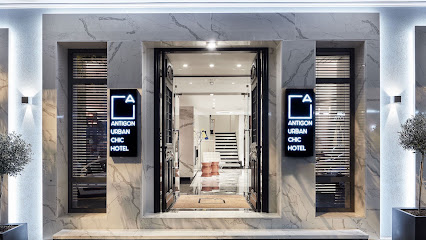
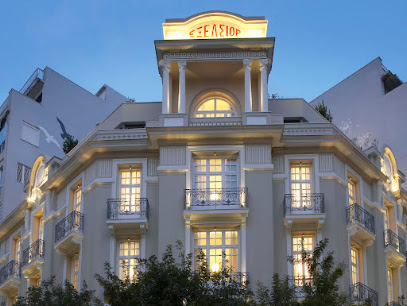
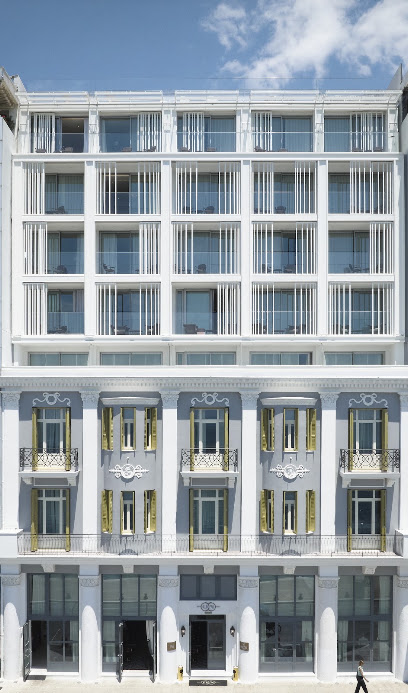
Accommodation in Thessaloniki ranges from hostels to hotels. Ladadika offers hotels close to the gay scene, though this area can be noisy at night due to its lively restaurant and bar activity. The city center near Aristotelous Square provides good access to both LGBTQ+-friendly venues and general attractions. Budget-friendly hostels are available and popular with younger travelers. Mid-range hotels are plentiful and offer reasonable prices. The waterfront area includes some higher-end hotels with views of the Thermaic Gulf.
Thessaloniki has an efficient bus system (OASTH) with extensive coverage. Taxis are readily available and reasonably priced. The city center and its gay districts are compact and walkable. Renting a car is generally not necessary unless planning day trips outside the city. Macedonia Airport, located about 15 kilometers from the city center, connects to major European cities and is accessible by bus or taxi.
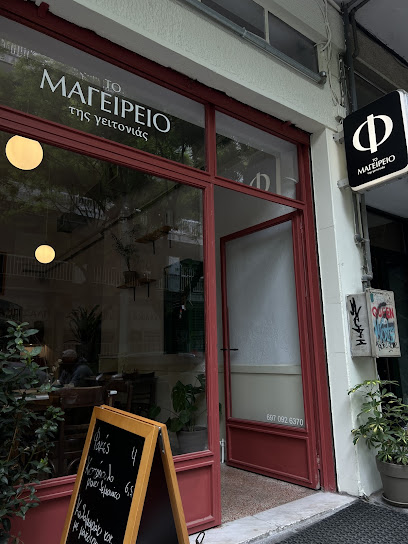
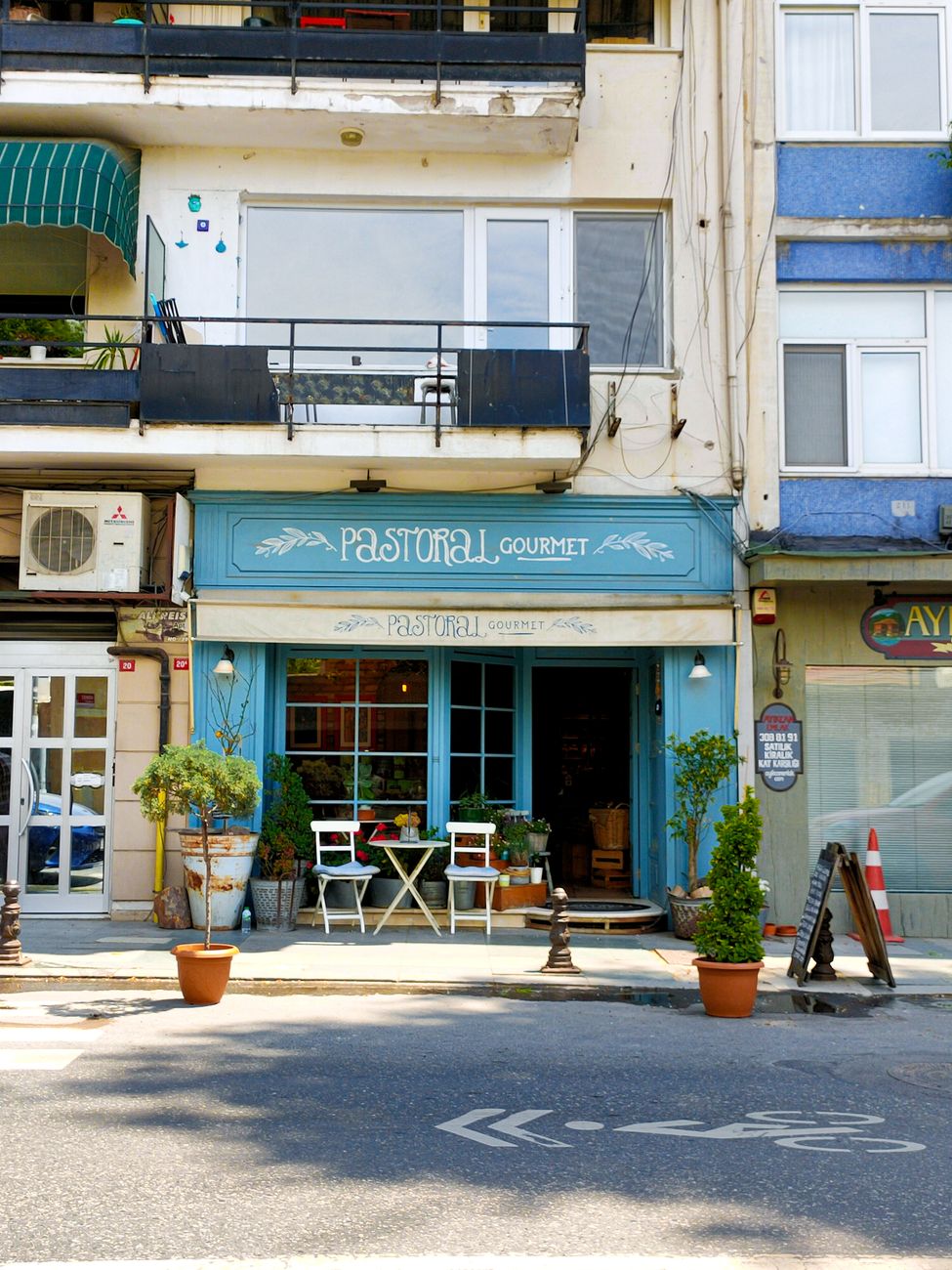
Thessaloniki's food scene offers a blend of traditional Greek cuisine and contemporary dining. Local specialties include bougatsa and various seafood dishes. Ladadika features numerous restaurants, from traditional tavernas to modern establishments. The city center provides diverse dining options. Mezze-style dining, where small plates are shared, is a popular and social way to eat.
Several destinations are within day-trip distance. The Meteora monasteries, about 90 kilometers away, are UNESCO-listed sites. These can be visited via organized tours or independently. Nearby beaches and coastal areas are accessible by public transport or car, with the Kassandra Peninsula offering beaches and villages. The islands of Thassos and Skopelos can be reached by ferry. Mount Olympus, approximately 90 kilometers south, offers hiking and mountain scenery.
Thessaloniki and Greece are generally safe for LGBTQ+ travelers, with a visible LGBTQ+ community and legal protections against discrimination. Standard urban safety precautions are recommended, such as being aware of your surroundings and securing valuables. Public displays of affection are generally safe and increasingly common in central areas.
Greece uses the Euro, and ATMs are widely available. English is spoken in most tourist areas, bars, and hotels. The city operates on Eastern European Time (EET/EEST, UTC+2). Notable cultural sites include the White Tower, Byzantine churches and monasteries, Roman monuments, and several museums.
Visiting during June Pride season can mean increased accommodation demand and higher prices. Booking accommodation in advance is advisable. Outside of Pride, the city remains welcoming with fewer crowds and lower prices. The summer months (June-September) offer warm weather suitable for waterfront activities, though July and August are peak tourist times.
Thessaloniki provides a Mediterranean experience with a visible LGBTQ+ community. The city combines modern European values with Greek tradition, offering food, culture, history, and hospitality.




 ゲイバー&クラブ
おすすめ
(619)