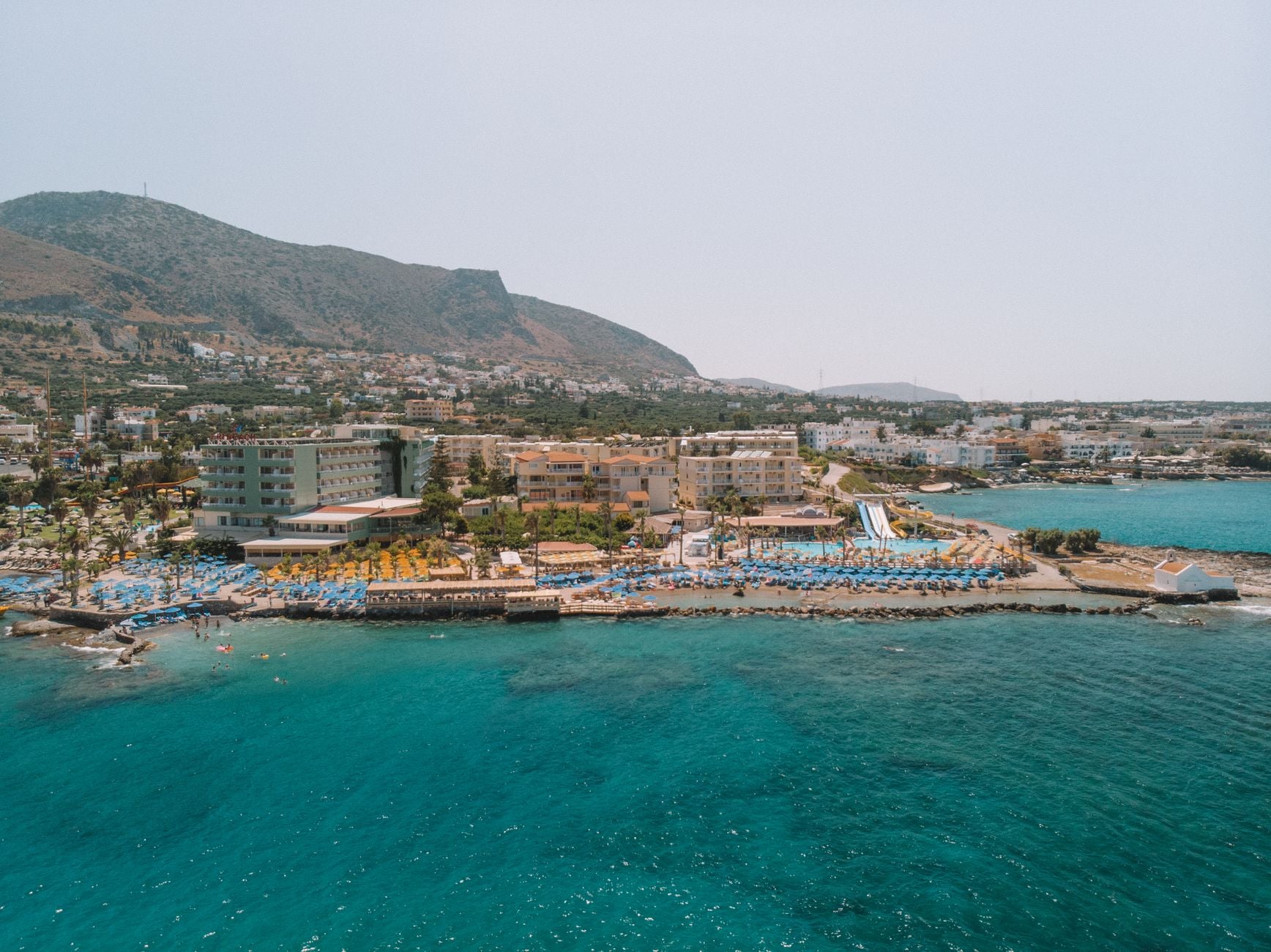
Crete, the largest Greek island, occupies a unique position in Greece's LGBTQ+ tourism landscape. While not as famous as Mykonos or as specifically marketed to gay travelers as some islands, Crete has developed a quiet but genuine LGBTQ+ community, particularly in its urban centers. The scene here appeals to travelers seeking cultural depth, natural beauty, and historical significance alongside social and nightlife opportunities.
Historical Context and Current Community
Greece legalized same-sex relations in 1987, later than many Western European countries, and same-sex marriage remains unrecognized (though civil partnerships are legal). Crete, as part of traditional Greek society, has historically maintained conservative social attitudes, particularly outside urban areas. However, younger generations and urban populations have become increasingly accepting. The visible LGBTQ+ scene on Crete is not a product of recent marketing but rather an organic community that has developed quietly over decades. Unlike Mykonos, which was explicitly marketed to gay tourists in the 1980s and 1990s, Crete's gay scene emerged through word-of-mouth and grassroots community networks.
Today, Heraklion and Chania have established social venues and networks, though these remain modest compared to major European gay destinations. The community is diverse, including local residents, long-term expat residents, and seasonal visitors. Pride events and organized LGBTQ+ activities are limited; there is no major annual Pride festival on the island, though occasional social gatherings, beach meetups, and community events occur, particularly during summer months.
Heraklion: The Main Urban Hub
Heraklion, Crete's capital and largest city, is the primary center of LGBTQ+ nightlife and social activity on the island. Located on the northern coast, the city has a working-class character quite different from the polished tourist infrastructure of resort areas. The old harbor district and areas around Plateia Venizelou (Venizelos Square) have traditionally hosted most gay venues.
Key venues in Heraklion have historically included gay bars and clubs, though specific establishments change over time. Kalua and similar venues have served as gathering spots for the local gay community. The scene tends toward smaller, more intimate settings rather than large clubs; bars often function as social meeting points where regulars gather for drinks and conversation. Dancing and nightlife do occur, particularly on weekends, but the atmosphere is typically more social than the high-energy club culture of larger gay destinations.
The gay scene in Heraklion operates somewhat discretely compared to tourist-focused gay neighborhoods in other destinations. Venues are not heavily advertised with rainbow flags or gay-specific marketing; instead, locals and informed travelers discover them through word-of-mouth, online gay travel guides, and local connections. This reflects both the conservative broader social environment and the preference of many community members for non-commercialized social spaces.
Chania: Charm and Relaxation
Chania, located on Crete's northwestern coast, is arguably the island's most beautiful city, famous for its Venetian harbor, narrow streets, and vibrant waterfront. While less focused on nightlife than Heraklion, Chania has become increasingly popular with LGBTQ+ travelers seeking a more laid-back atmosphere. The city attracts gay visitors interested in dining, cultural exploration, and beach outings rather than primarily nightlife.
Chania's gay social scene is more diffuse than Heraklion's; rather than concentrated in specific dedicated venues, LGBTQ+ socializing happens in gay-friendly restaurants, cafes, and beach clubs scattered throughout the city and nearby areas. The waterfront is particularly popular for evening strolls and dining. Several beaches near Chania, particularly those further from the main tourist areas, are known to attract LGBTQ+ visitors and locals.
The charm of Chania for LGBTQ+ travelers lies in its integration into general tourism and social life. Rather than seeking out separate gay venues, visitors experience Chania as a gorgeous Mediterranean destination that happens to be welcoming to LGBTQ+ travelers.
Beaches and Outdoor Spaces
Crete's beaches are a major draw for all travelers, and several have become known within LGBTQ+ communities as welcoming spaces. Beaches near Chania, such as those accessed from the coastal towns of Agia Marina or Kalamaki, attract LGBTQ+ visitors. Some smaller, less crowded beaches, particularly in more remote areas, have developed informal reputations within local and visitor LGBTQ+ networks. Balos Lagoon, on Crete's northwestern tip, and Elafonissi Beach in the southwest are famous for their natural beauty and attract diverse visitors, including LGBTQ+ travelers.
The island's outdoor culture—swimming, sunbathing, dining by the sea—is central to Cretan summer life and equally accessible to LGBTQ+ travelers. Many accommodations and beach clubs are explicitly gay-friendly, and beaches themselves are generally open and non-discriminatory.
Accommodations
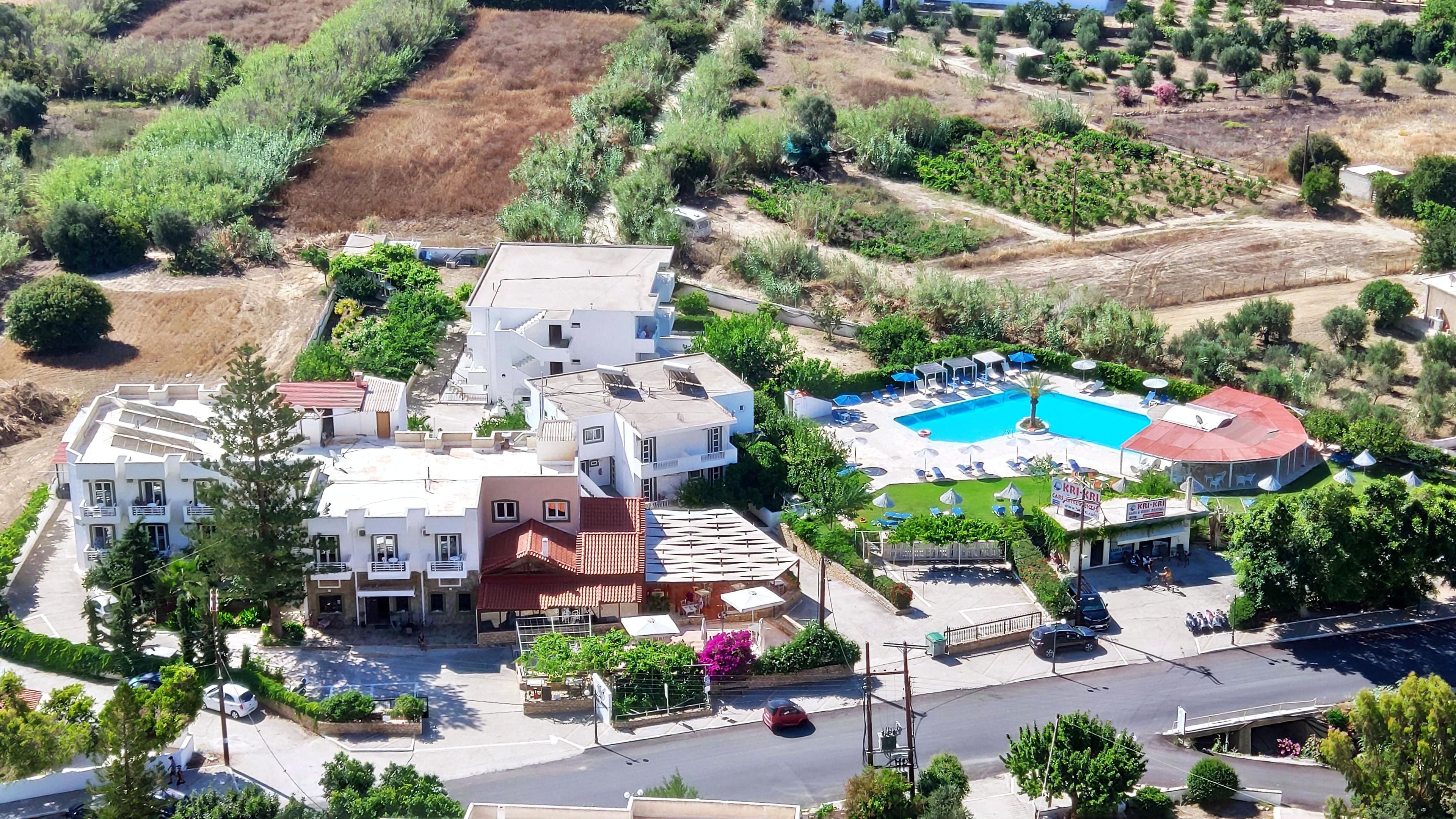
Crete has numerous gay-friendly accommodations ranging from budget guesthouses to luxury hotels. Heraklion and Chania both have hotels and apartments specifically marketed to LGBTQ+ travelers through platforms like misterb&b and dedicated gay travel sites. Many general accommodations are equally welcoming; Greek hospitality tends to be warm and non-judgmental in tourist areas and urban centers. Boutique hotels in Chania's old town, apartment rentals, and beachfront resorts all offer options. During peak summer season (July-August), booking in advance is essential, particularly for popular locations in Chania.
Cretan cuisine is renowned throughout Greece, emphasizing fresh seafood, local vegetables, olive oil, and traditional preparations. LGBTQ+ travelers will find dining experiences just as welcoming as any visitors; restaurants are generally non-discriminatory, and many have become explicitly gay-friendly through online reviews and word-of-mouth. Waterfront restaurants in Chania and Heraklion's harbor areas offer both food and ambiance. Traditional tavernas in smaller towns are also welcoming, though discretion in very conservative villages is advisable.
Pride and Events
Unlike larger Greek cities or famous gay destinations, Crete does not host a major annual Pride festival. However, the community organizes smaller gatherings and events, particularly during summer months. LGBTQ+ travelers should check current travel forums and local social media before visiting to learn about any organized events. Some pride-related events occur in nearby Rhodes or Athens that Cretan LGBTQ+ individuals may participate in or that travelers might coordinate visits around.
Transportation
Crete is accessible by air to Heraklion International Airport (HER) and Chania International Airport (CHQ), both served by European carriers including budget airlines. Ferry services connect Crete to Athens and other islands. Within Crete, local buses (KTEL) connect cities and towns, though service is more limited than in larger cities. Renting a car or motorbike provides flexibility for exploring the island and reaching more remote beaches and archaeological sites. Taxis are available in cities and can be arranged through hotels or ride-hailing apps.
Day Trips and Cultural Attractions
Crete's main draw beyond its LGBTQ+ scene is its rich history and natural beauty. Knossos Palace, the largest Bronze Age archaeological site in the Mediterranean, is located near Heraklion and is essential for anyone interested in Minoan civilization. The Samaria Gorge offers one of Europe's most famous trekking routes, attracting hikers from worldwide. The ancient Minoan palaces at Phaistos and Mallia provide additional archaeological interest. Rethymno, a mid-sized town between Heraklion and Chania, offers beaches, a charming old town, and fortress ruins.
Many LGBTQ+ visitors combine beach time, cultural exploration, and social activities. A typical trip might include spending time in Chania's waterfront, visiting nearby beaches, day-tripping to Samaria Gorge or archaeological sites, and enjoying the island's social scene in the evenings.
Safety and Social Considerations
Crete is generally safe for LGBTQ+ travelers, with standard urban safety precautions applicable. In Heraklion and Chania, public displays of affection between same-sex couples are acceptable in tourist areas and urban centers, though they may draw attention in conservative villages or rural areas. The Greek legal environment provides anti-discrimination protections in employment and services, though enforcement can be inconsistent and social conservatism persists in some regions.
Greece's age of consent is equal for all orientations at 15, and legal marriage and adoption remain unavailable for same-sex couples, though civil partnerships are recognized. Medical care is good, and Heraklion and Chania have modern hospitals and healthcare facilities.
Who Crete Is For
Crete suits LGBTQ+ travelers seeking balance: those wanting cultural and natural experiences without sacrificing community and social connection. It appeals to history enthusiasts, nature lovers, and travelers preferring quieter alternatives to commercialized gay destinations. It also suits travelers seeking to experience authentic Greece while being respected and welcomed as LGBTQ+ people. The island is less ideal for those seeking high-energy gay nightlife or party atmosphere; those should consider Mykonos or other islands. Crete offers substance—archaeology, landscapes, cuisine, and genuine hospitality—alongside community.
Practical Planning
The best time to visit is May-June or September-October, offering warm weather, lower prices, and smaller crowds than July-August peak season. Winter (November-March) is quieter and cheaper but has limited nightlife and some beach activities. LGBTQ+ travelers should use established gay travel sites and forums to find current venue information, as specific bars and clubs may change. Learning basic Greek phrases is appreciated and enhances the experience. Budget ranges widely depending on accommodation and dining choices; Crete is less expensive than Western Europe but pricier than non-tourist areas of Greece.
Frequently asked questions
Greece has made legal progress regarding LGBTQ+ rights, but social attitudes can vary by region and generation. While urban centers like Chania have visible LGBTQ+ communities and inclusive venues, more conservative rural areas exist on the island.
Chania is Crete's primary LGBTQ+ hub, with the majority of gay-friendly venues located in its Old Town, particularly around the Venetian harbor and waterfront promenade.
Near Chania, Nea Chania Beach and Kalamaki Beach attract diverse crowds and are considered LGBTQ+ friendly. Rethymno also has beach areas popular with LGBTQ+ visitors.
Rethymno offers a smaller but welcoming LGBTQ+ scene, with its Old Town providing a quieter, more intimate atmosphere. Beach areas near Rethymno are also popular with LGBTQ+ visitors.
Heraklion, Crete's largest city, has limited but existing LGBTQ+ infrastructure. While primarily a transport hub, it hosts some gay-friendly venues.
The provided guide does not contain information about when Pride is celebrated in Crete.
Your privacy choices.
We use cookies to run GayOut and, with your consent, measure usage. Learn more
Your privacy choices
We use cookies to keep GayOut running, remember your preferences, and (with your permission) measure how the site is used. You can accept all, reject all, or pick what you allow. Learn more
Essential
Required for sign-in, fraud prevention, CSRF protection and remembering your language. Cannot be disabled.
Always on
Remembers your favourites, dark mode and other interface preferences across visits.
Helps us understand which pages people visit (Google Analytics, server-side stats) so we can improve.
Used by campaign tracking pixels. None are active right now, reserved for future use.
Install GayOut
Add GayOut to your home screen for faster access, offline favourites, and Pride alerts.


 Gay-Friendly Hotel
(1427)
Gay-Friendly Hotel
(1427)