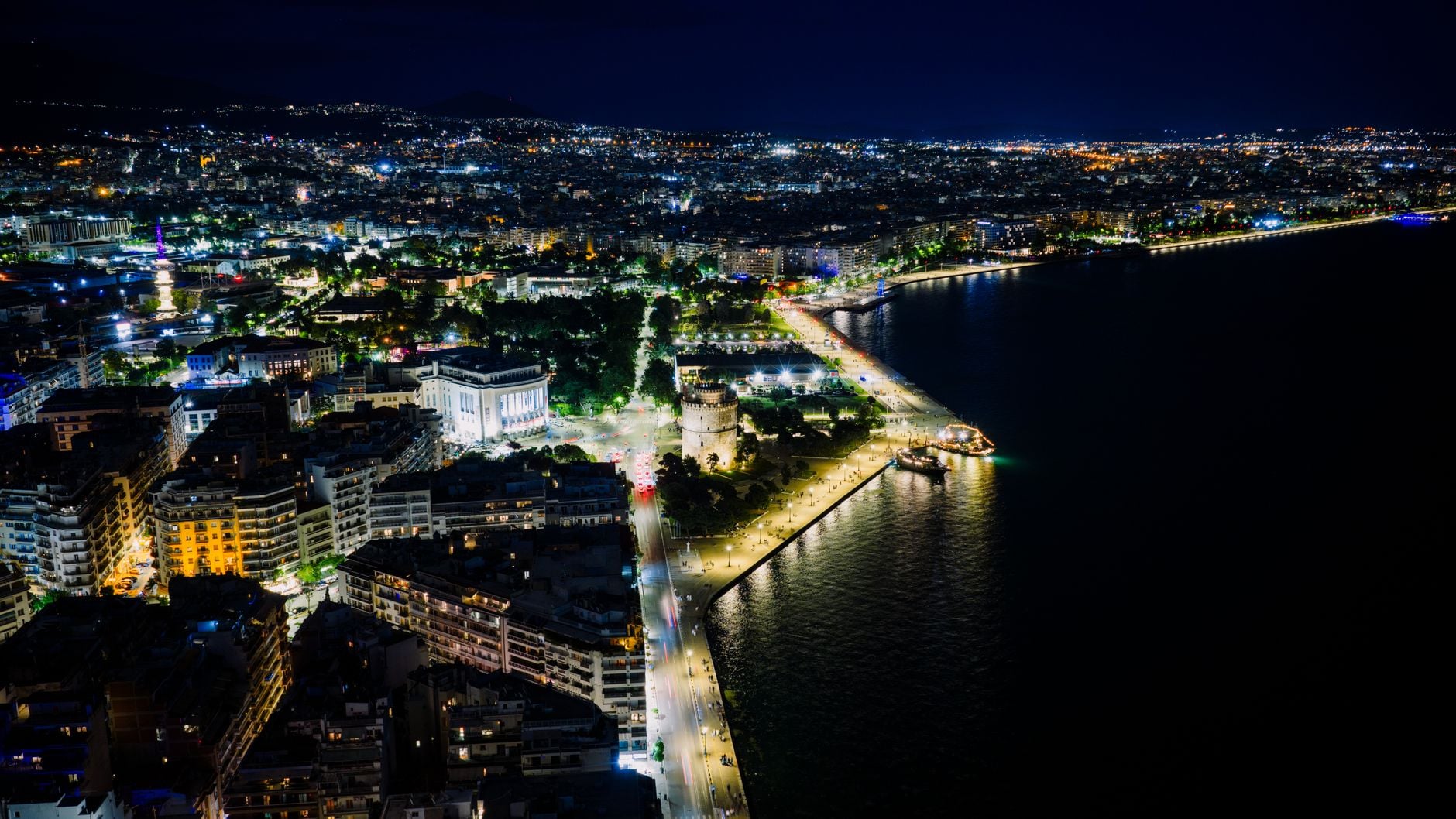
Thessaloniki, Greece's second-largest city and capital of Macedonia, has emerged as an increasingly vibrant destination for LGBTQ+ travelers seeking Mediterranean charm with contemporary queer culture. Situated on the Thermaik Gulf, the city blends ancient history, Byzantine heritage, Ottoman influences, and modern Greek culture into a dynamic urban center that has become noticeably more progressive and LGBTQ+-friendly over the past 15 years.
HISTORY OF THE LGBTQ+ SCENE
Thessaloniki's LGBTQ+ history is intertwined with broader Greek social shifts. Like most of Greece, the city experienced significant legal and social changes following the decriminalization of same-sex relationships in 1987 (though the age of consent remained unequal until 2015). The visible gay scene began developing more openly in the 1990s and 2000s, though it remained relatively discreet compared to Athens.
The turning point came with the establishment of Thessaloniki Pride in the early 2000s. Initially modest, the event grew substantially after 2010, evolving into a major celebration with official city support. By the 2020s, Pride had become a significant cultural event drawing thousands from across Greece and the Balkans, signaling the city's broader shift toward LGBTQ+ acceptance and visibility. Local LGBTQ+ organizations and social groups have become increasingly visible and active, contributing to a cultural change that extends beyond nightlife into mainstream social institutions.
NEIGHBORHOODS AND AREAS
Ladadika remains the primary gay social hub in Thessaloniki. This historic district of restored 19th-century Ottoman-era warehouses sits immediately north of Aristotelous Square, near the waterfront. The neighborhood's narrow streets, atmospheric tavernas, and converted warehouse venues create a bohemian atmosphere. Several gay-friendly and LGBTQ+-oriented bars and cafes cluster here, particularly along the main thoroughfares. The district's gentrification over the past two decades has made it increasingly upscale while maintaining character.
The city center, particularly around Plateia Aristotelous (Aristotle Square) and extending toward Tsimiski Street, contains additional gay-friendly venues and social spaces. This area is the commercial and social heart of Thessaloniki, with high-end shopping, restaurants, and cafes alongside nightlife venues.
The Paralia (waterfront promenade) stretches along the bay and has become increasingly developed as a social and recreational area, with cafes and bars offering views of the water. Parts of this area attract LGBTQ+ visitors, particularly during summer evenings.
Old Town (Ano Poli), the elevated historic quarter with Byzantine churches and Ottoman fortifications, is primarily a sightseeing area but contains some traditional tavernas. While not specifically gay-oriented, it's welcoming and worth visiting for its cultural significance and views.
VENUES AND NIGHTLIFE
While Thessaloniki's LGBTQ+ nightlife scene is smaller than Athens', it is genuine and growing. Several bars and clubs in Ladadika and the city center cater to LGBTQ+ crowds, though specific venue names and details should be verified before travel as establishments frequently change names, relocate, or close. The scene is most active Thursday through Sunday, with quieter nights mid-week.
The city hosts themed parties, DJ nights, and special events throughout the year, with information typically available through local LGBTQ+ social media groups and tourism information services. Pride Week in May brings additional temporary events and celebrations.
Sauna facilities exist in the city, though details about LGBTQ+-specific establishments should be researched through current online directories or local contacts, as such information is dynamic.
Thessaloniki Pride takes place annually in May and has become the second-largest Pride celebration in Greece after Athens Pride. The event typically includes a parade through central streets, cultural programming, exhibitions, and parties. Parade participation has grown to several thousand, and the city officially supports the event. Pride Week extends several days and includes both formal events and informal celebrations.
Beyond Pride, the city hosts occasional LGBTQ+-focused cultural events, film festivals, and performances throughout the year. Information about current events should be sought through Thessaloniki tourism websites and LGBTQ+ organizations.
WHERE TO STAY
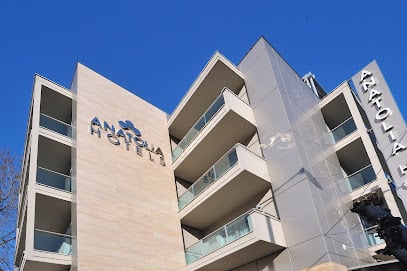
Thessaloniki offers accommodations across all price ranges. The city center and Ladadika are most convenient for accessing gay venues and nightlife, with numerous hotels, boutique guesthouses, and Airbnb options available. Staying in Ladadika or central areas near Aristotle Square provides walkable access to restaurants, bars, and nightlife.
More upscale options exist near the waterfront (Paralia), which offer nice views and are still within reasonable distance of the gay social scene. Budget options and hostels serve backpackers and budget-conscious travelers. Booking in advance is recommended, particularly during Pride Week in May when accommodation fills quickly.
Greece, including Thessaloniki, is generally safe for LGBTQ+ travelers. Same-sex relationships are legal, LGBTQ+ people have legal protections against discrimination, and the city has an open gay scene with official Pride support. However, as in many Mediterranean countries, open displays of same-sex affection may attract unwanted attention in some areas or among certain demographics, though this is increasingly uncommon in central Thessaloniki.
The city's general safety for all travelers is good, with standard urban precautions recommended. The gay scene itself is welcoming and safe, particularly in the primary social venues.
TRANSPORT
Thessaloniki is easily navigable by foot in the city center. The public bus system serves outlying areas, and taxis or ride-sharing apps (Uber, Beat) provide additional transport options. The city has train and bus connections to Athens and other Greek cities, as well as ferry connections to the Sporades islands.
The airport, Macedonia International "Makedonia" Airport (SKG), is about 15 km southeast of the city center with bus, taxi, and car rental options for reaching the city. From Athens, frequent trains, buses, and occasional flights serve the route, making Thessaloniki accessible for multi-city Greek itineraries.
FOOD AND DINING
Thessaloniki has an excellent reputation for food, with a distinct regional cuisine influenced by Ottoman and Balkan traditions alongside modern Greek cooking. Ladadika is filled with tavernas ranging from casual to upscale, many welcoming to LGBTQ+ guests. The city's fish, seafood, and meat specialties are notable.
Keyword dishes include bougatsa (a pastry with savory or sweet fillings), souvlaki, fresh seafood, and local wines. The café culture is vibrant, with numerous spots for coffee, drinks, or casual meals throughout the city center.
DAY TRIPS AND REGIONAL ATTRACTIONS
Thessaloniki's location makes several day trips feasible. Mount Olympus, legendary home of the Greek gods, is about 90 km south and accessible by bus or car, offering hiking and scenic views. The Archaeological Museum of Thessaloniki houses significant Byzantine and Hellenistic artifacts. Nearby coastal towns like Paralia and Nei Pori offer beaches and seaside relaxation within 30-50 km. The Meteora monasteries, a UNESCO site with dramatic rock formations and monasteries perched atop, are approximately 150 km southwest and accessible as a day trip or overnight excursion.
CONCLUSION
Thessaloniki offers LGBTQ+ travelers an authentic Mediterranean destination with a welcoming, visible queer scene, strong cultural attractions, and a growing Pride celebration. It provides an alternative to Athens for those seeking Greek culture and LGBTQ+ hospitality in a somewhat less touristy setting, combining nightlife, history, food, and outdoor recreation within a single city.
Frequently asked questions
Thessaloniki has become noticeably more progressive and LGBTQ+-friendly over the past 15 years. Local LGBTQ+ organizations and social groups have become increasingly visible and active, contributing to a cultural change.
Ladadika remains the primary gay social hub in Thessaloniki. This historic district of restored 19th-century Ottoman-era warehouses sits immediately north of Aristotelous Square.
Thessaloniki Pride was established in the early 2000s and has grown substantially after 2010, evolving into a major celebration by the 2020s.
Several gay-friendly and LGBTQ+-oriented bars and cafes cluster in the Ladadika district, particularly along the main thoroughfares. The city center also contains additional gay-friendly venues.
The visible gay scene in Thessaloniki began developing more openly in the 1990s and 2000s, though it remained relatively discreet compared to Athens.
Ladadika is the primary gay social hub and offers a bohemian atmosphere. The city center, particularly around Plateia Aristotelous and Tsimiski Street, also contains gay-friendly venues and social spaces.
Your privacy choices.
We use cookies to run GayOut and, with your consent, measure usage. Learn more
Your privacy choices
We use cookies to keep GayOut running, remember your preferences, and (with your permission) measure how the site is used. You can accept all, reject all, or pick what you allow. Learn more
Essential
Required for sign-in, fraud prevention, CSRF protection and remembering your language. Cannot be disabled.
Always on
Remembers your favourites, dark mode and other interface preferences across visits.
Helps us understand which pages people visit (Google Analytics, server-side stats) so we can improve.
Used by campaign tracking pixels. None are active right now, reserved for future use.
Install GayOut
Add GayOut to your home screen for faster access, offline favourites, and Pride alerts.


 Gay Bars & Clubs