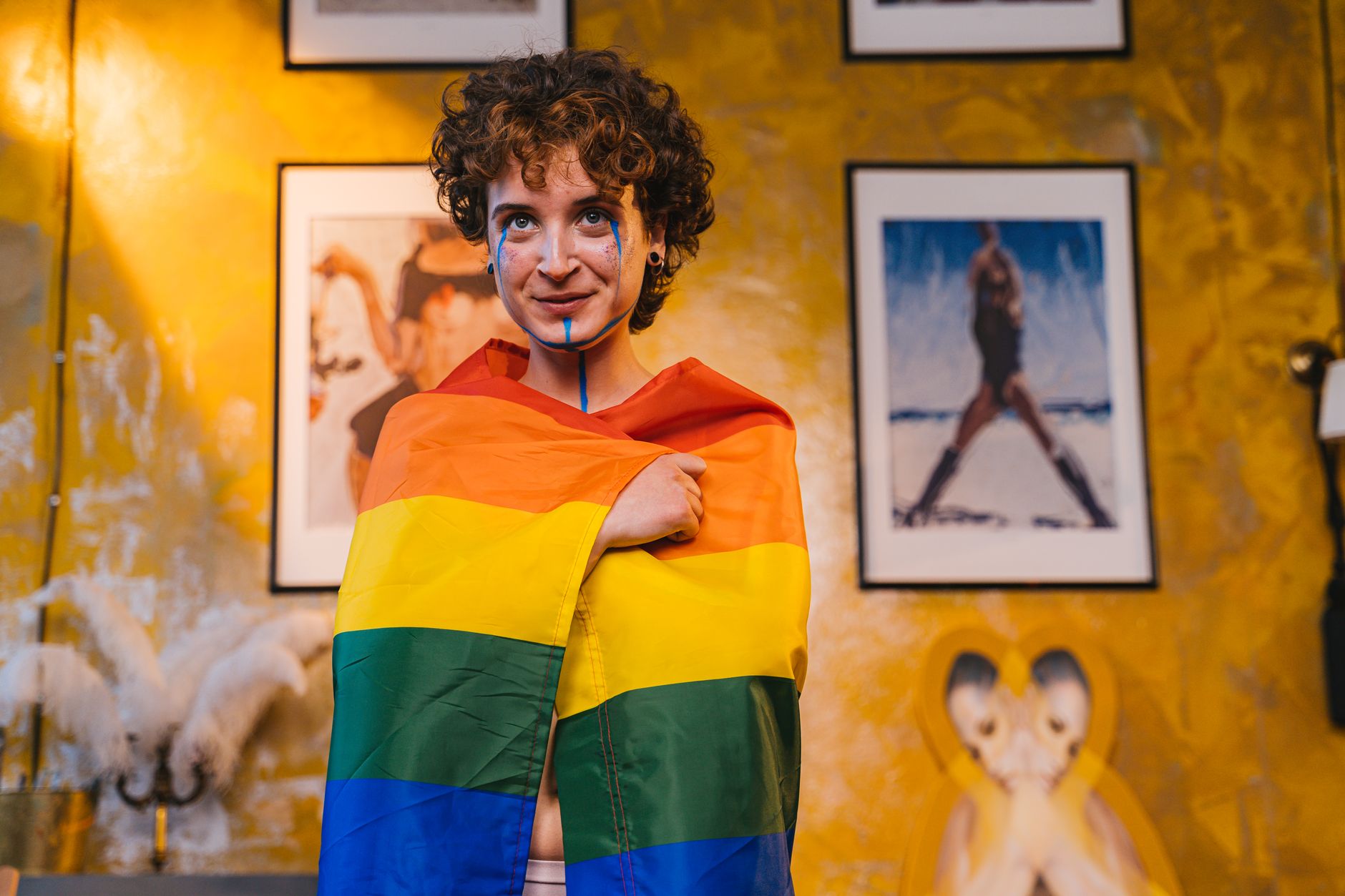
Florianópolis, known locally as Floripa, is the capital of Santa Catarina state, set on an island connected to the mainland by two bridges. As Brazil's southernmost major beach destination, it blends striking natural beauty with a compact but genuine LGBTQ+ scene that has grown steadily over the past two decades, offering both beach days and nightlife.
Florianópolis's queer scene developed through the 1990s and 2000s, evolving from an underground culture into a visible community. Tourism growth and a younger, university-town demographic helped normalize LGBTQ+ presence and businesses. Long-running local organizations — notably ADEH (Associação em Defesa dos Direitos Humanos, with a strong focus on the trans and travesti community) and Acontece Arte e Política LGBTI+, known nationally for producing Brazil's LGBTI+ rights and violence reports — have championed visibility, health and rights. The establishment of the Parada da Diversidade (Pride parade) helped position the city as an LGBTQ+ destination.
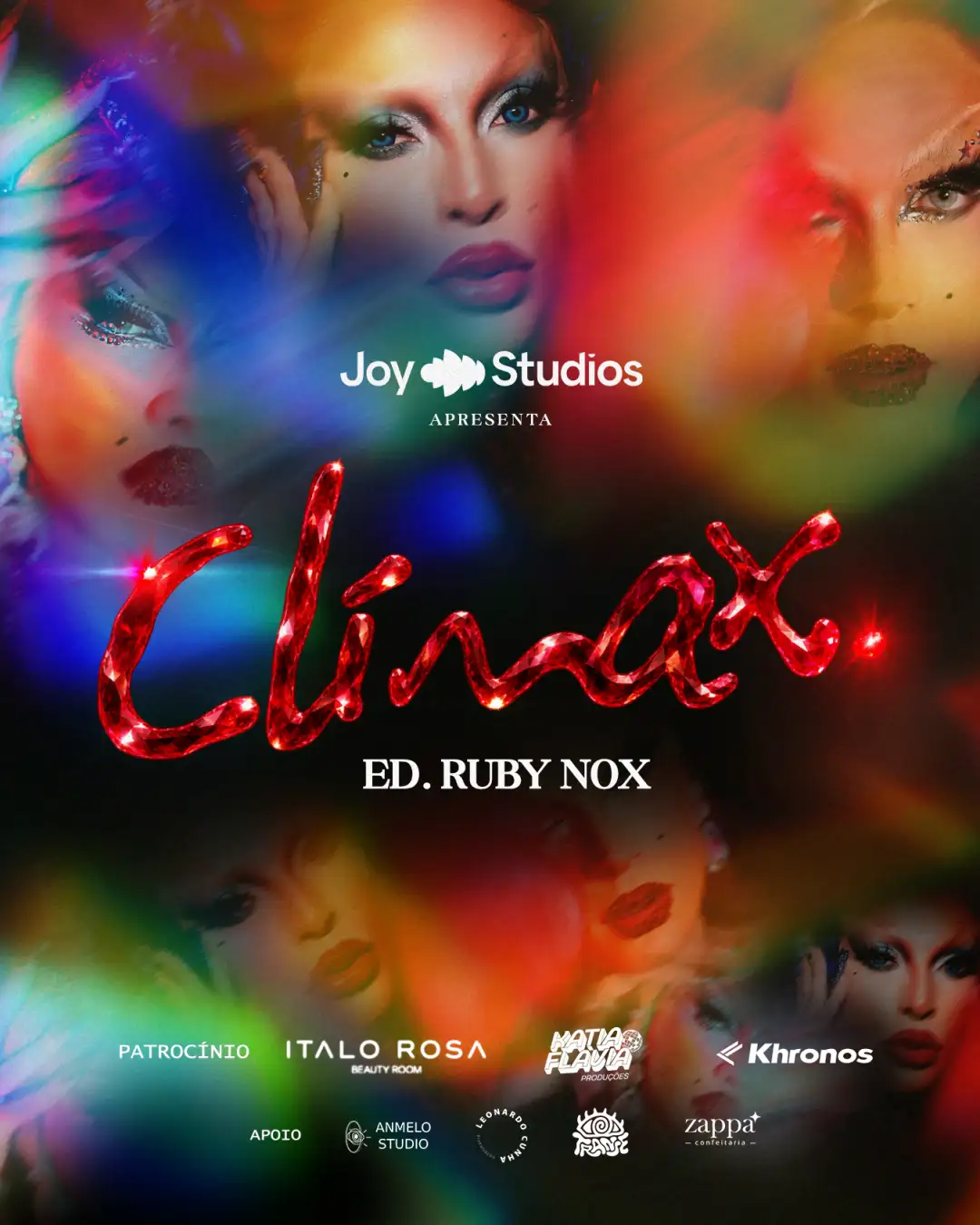
The heart of the gay nightlife is the downtown Centro district, not the beaches — a point worth knowing, since many guides get it wrong. Along and around Avenida Rio Branco and Alameda Adolfo Konder you'll find the city's main queer venues clustered within walking distance: Conca Club, one of the island's most popular LGBTQ+ clubs; SELVA and OPIUM, with regular queer party nights; UNDR, an underground-style electronic club; plus Pink Pub, 153 Club and JIVAGO. Sapateco Bar & Cultura offers a rare space centered on the lesbian, sapatão and trans community, while Bar do Deca anchors the daytime beach-party scene out at Praia Mole. A couple of long-standing cabaret and drag venues, such as Franz Cabaret and Don't Tell Mama, round out the mix.
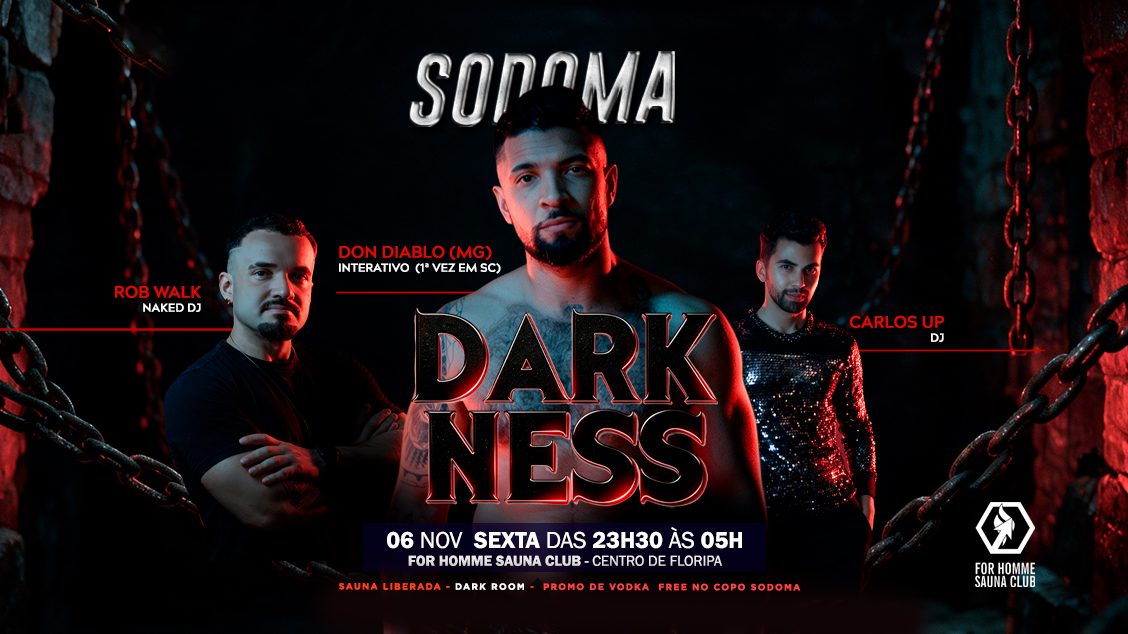
Florianópolis also has a real bathhouse scene: Sauna Thermas 2500 is the best-known gay sauna, with For Homme, Adelino and Duo providing further men-only options. As with any sauna, guests should respect house rules, privacy and consent.
The beaches are central to gay life here. Praia Mole is the island's most famous gay-friendly beach, buzzing on summer weekends, and Bar do Deca's parties spill onto the sand. A short trail over the headland leads to Praia da Galheta, an undeveloped, unofficially clothing-optional beach that is the traditional gay beach, with discreet cruising in the vegetation and dunes behind the sand. There is no infrastructure at Galheta, so bring water and be mindful of other beachgoers. Lagoa da Conceição, centered on its lagoon, is a bohemian, artistic neighbourhood of cafes and casual bars that many LGBTQ+ visitors enjoy by day, though the dedicated gay venues are downtown.
Nightlife in Floripa is more intimate and seasonal than in São Paulo or Rio, peaking in the summer months (December–February) and around major holidays. Some venues are explicitly gay while others are mixed but reliably queer-friendly; programming shifts with the season, so it's worth checking venues' social media before heading out.
The Parada da Diversidade (Floripa Pride) is the year's largest LGBTQ+ event, drawing thousands for a parade — traditionally along Avenida Beira-Mar Norte — followed by parties and street celebrations. Exact dates shift from year to year, so confirm with local organizers before planning a trip around it. Throughout the year the city also hosts cultural events, film and animation festivals and beach parties with LGBTQ+ involvement.
Where to Stay
Accommodation ranges from LGBTQ+-friendly hostels to mid-range hotels and upscale beach resorts. Staying in or near Centro puts you closest to the bars and clubs, while Lagoa da Conceição offers a pleasant base with easy access to beaches; resort-style stays near Praia Mole are lovely but require transport to nightlife. Booking platforms and short-term rentals are widely used, and Lagoa hostels often organize social events.
Florianópolis is generally considered one of Brazil's safer cities, and this extends to LGBTQ+ visitors; the city has a visible community and local anti-discrimination protections, and same-sex marriage has been legal across Brazil since 2013. Standard urban precautions apply: avoid flashing valuables, use registered taxis or ride-hailing apps at night, and stay aware of your surroundings. Public displays of affection are generally fine in LGBTQ+-friendly venues and neighbourhoods but may draw more attention in conservative areas.
Getting there is easy via Hercílio Luz International Airport, with flights from major Brazilian cities; long-distance buses connect to the rest of the country. On the island, local buses reach most neighbourhoods (service thins outside peak hours), and ride-hailing or a rental car is convenient for beach-hopping. Centro and Lagoa da Conceição are walkable.
Santa Catarina is famous for fresh seafood, and Floripa's restaurants — many beachfront or in the Lagoa area — serve excellent fish, shrimp and local sequência de camarão feasts, alongside Brazilian, Italian and international options. Beyond nightlife and beaches, the island offers around 40 beaches, hiking to waterfalls and viewpoints, sandboarding on the Joaquina dunes, surfing and paddleboarding, and boat tours. The Brazilian real is the currency and Portuguese the main language, though English is understood in tourist areas. The best times to visit are the summer season (December–February) and the milder shoulder months of March–May.
はい。フロリアノポリスはブラジル国内でも比較的安全な都市の一つとされており、これはLGBTQ+の旅行者にも当てはまります。可視化された組織的なクィアコミュニティがあり、地域レベルでの差別禁止措置も整っています。また、2013年以降、同性婚は全国で合法化されています。Centro、Praia Mole、Lagoa da Conceiçãoなどのゲイフレンドリーな施設やエリアでは公共の場での親密な行為も受け入れられていますが、保守的な地域では慎重さが求められます。一般的な都市部の安全対策として、貴重品を見せびらかさないこと、深夜には登録済みのタクシーや配車アプリを利用することをお勧めします。
Centro(ダウンタウン)地区は、ゲイナイトライフの中心地です。Conca Club、SELVA、OPIUM、UNDRといったクラブがAvenida Rio BrancoとAlameda Adolfo Konder周辺に集まっています。ビーチでのシーンでは、Praia Moleが有名なゲイフレンドリーなビーチであり、隣接するPraia da Galhetaは伝統的なゲイ/ヌーディスト対応のビーチです。Lagoa da Conceiçãoはボヘミアンでアート色の強いエリアで、日中は非常に魅力的ですが、バーの多くは専用ゲイ施設ではなくミックス客層向けです。
フロリアノポリスでは、年間最大級のLGBTQ+イベントであるParada da Diversidade(フロリパ・プライド)が開催されます。伝統的にAvenida Beira-Mar Norte沿いで行われるパレードに続き、ストリートパーティーが催されます。正確な日程は年によって異なるため、旅行を計画する前にADEHやAconteceなどの地元の主催者に時期を確認してください。また、この街では通年にわたってLGBTQ+の文化祭や映画・アニメーションフェスティバルも開催されています。
はい。ダウンタウンのCentro地区に主要なスポットが集まっています。Conca Club(最も人気のあるクラブの一つ)、SELVA、OPIUM、UNDR、Pink Pub、153 Club、JIVAGOがあり、さらにレズビアンとトランスジェンダーコミュニティの中心であるSapateco Bar & Culturaがあります。Praia MoleではBar do Decaが日中のビーチパーティーシーンを牽引しています。サウナについては、Sauna Thermas 2500が最も知られており、For Homme、Adelino、Duoも男性専用の選択肢としてあります。プログラムは季節ごとに変わるため、外出前に各施設のソーシャルメディアを確認してください。
Centroに滞在したり、その周辺に宿泊したりすれば、主要なゲイクラブやバーへは徒歩圏内です。Lagoa da Conceiçãoは人気のある快適な拠点で、ビーチへのアクセスも良く、ボヘミアンな雰囲気があります。一方、Praia Mole付近のリゾートスタイルのホテルは美しいですが、ナイトライフを楽しむには交通手段が必要です。島全体にLGBTQ+フレンドリーなホステル、中級ホテル、高級リゾートがあり、Lagoaのホステルではよくソーシャルイベントが催されています。
Florianópolisは、サンパウロやリオデジャネイロとは異なる、よりリラックスしたビーチ志向の選択肢を提供します。この街のゲイシーンはコンパクトで季節性があり、最も賑わうのは夏(12月から2月)です。特定のエリアに限定されるのではなく、日常生活により密接に溶け込んでいるのが特徴です。ダウンタウンのナイトライフ、有名なゲイビーチであるPraia MoleとPraia da Galheta、そして自然へのアクセスの容易さが組み合わさっている点が、ブラジルの大都市よりも安全で騒がしくない環境の中で、この街を際立たせています。





 ゲイバー&クラブ
おすすめ
(349)