Guayaquil: An Emerging LGBTQ+ Hub on Ecuador's Coast
Guayaquil, Ecuador's largest city, is developing as a notable LGBTQ+ destination in South America. As the nation's primary port and economic centre, it offers a distinct experience from the Andean capital of Quito, defined by tropical heat, Pacific proximity, riverfront energy and a real, if low-key, gay scene shaped by local coastal culture.
Historical Context and Community Growth
Homosexuality was decriminalised in Ecuador in 1997, and LGBTQ+ rights have advanced rapidly since: civil unions were recognised from 2008, and full same-sex marriage has been legal nationwide since June 2019, following a Constitutional Court ruling. Guayaquil's LGBTQ+ community, historically less visible than Quito's, has grown considerably since the early 2000s, and its annual Pride march has expanded from small gatherings into one of Ecuador's largest. The city is also home to Ecuador's leading trans-rights movement: Asociación Silueta X, led by Diane Rodríguez, is headquartered here, alongside the Federación Ecuatoriana de Organizaciones LGBT. Social acceptance is strongest among younger residents and in the commercial districts, and more reserved in outlying neighbourhoods.
Neighbourhoods and Geography
Guayaquil sits on the west bank of the Guayas River. There is no single "gayborhood"; instead the scene clusters in two areas. The downtown "Zona Rosa" — the grid around Avenida Rocafuerte and Padre Solano, a few blocks in from the Malecón — is the heart of gay nightlife, home to most of the city's dedicated clubs, karaoke bars and saunas. Urdesa, an upscale residential and dining district to the north along Avenida Víctor Emilio Estrada, is the community's day-to-day social hub, with cocktail bars, restaurants and gay-friendly spaces (and a gay men's spa). Las Peñas, the colourful historic waterfront quarter, and the Malecón 2000 promenade are the main tourist draws, pleasant by day and early evening.
Venues and Nightlife
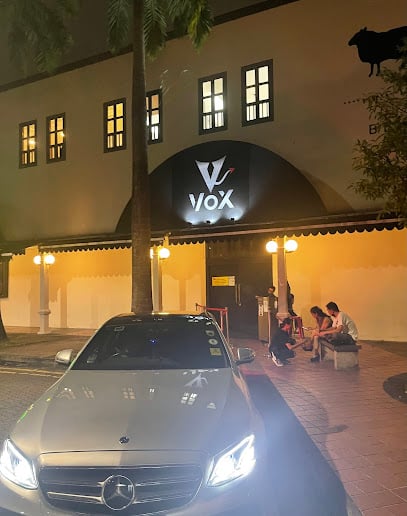
Guayaquil's gay nightlife is compact but genuine. The city's best-known LGBTQ+ dance clubs include Vox Club (a large, established gay discoteca with a Saturday gay night), Bunker Discotec, Nyx Disco Lounge, La Monalisa / Club Mona Lisa and Pose, with Remiendo al Corazón offering LGBTQ+ karaoke in the Zona Rosa. Most venues are busiest Friday and Saturday and open late. Guayaquil also has a real gay-sauna scene — Relax Spa, Scorpius Spa, Pegasso, Spa S&S and the Urdesa men's spa Hamam are the established bathhouses, several with steam, dry sauna and cruising areas. As in any port city the roster shifts over time, so it is worth checking current hours on venues' social channels before heading out.
The Marcha del Orgullo Guayaquil (Guayaquil Pride) is held each June, organised by the Comité Orgullo Guayaquil together with local collectives. The march typically sets off from the Malecón/Avenida Olmedo area and moves up Simón Bolívar and 9 de Octubre to Parque Centenario, drawing thousands of participants and making it Ecuador's biggest Pride outside Quito. Exact dates and the extent of surrounding events vary year to year, so check with local LGBTQ+ organisations in advance. Beyond Pride, community film nights, cultural events and club parties appear through the year, usually promoted via social media.
Where to Stay
Guayaquil offers accommodation across all price points. For LGBTQ+ travellers, hotels near downtown or Urdesa give the best access to nightlife and walkability. Upscale options include the Grand Hotel Guayaquil in the historic centre; mid-range and boutique choices cluster around Urdesa and Kennedy; and budget travellers will find hostels and smaller hotels downtown. Many city-centre hotels are well used to LGBTQ+ guests.
Guayaquil requires more caution than most South American tourist cities. Since 2023 the city has experienced elevated violent crime linked to organised crime, in addition to ordinary petty theft; this is a general safety issue, not one specific to LGBTQ+ travellers. Stick to established areas, avoid displaying valuables, use registered taxis or ride-hailing apps at night, and treat downtown streets with care after dark. Central, tourist-oriented areas and the Malecón are generally fine by day and early evening. Public displays of affection are more reserved than in North America or Northern Europe, and same-sex couples should use discretion, especially in outlying neighbourhoods.
Transportation
Guayaquil has no metro; the Metrovía bus-rapid-transit system and ordinary buses are cheap but can be confusing and are best avoided with luggage or late at night. Registered radio taxis and ride-hailing apps such as Uber are the reliable way to get around and offer predictable pricing. José Joaquín de Olmedo International Airport (GYE) is only about 5 km north of downtown, a short taxi ride away, and is the main gateway for flights to the Galápagos Islands.
Food and Dining
Guayaquil's food scene reflects its coast and its port. Ceviche, encebollado (a tuna soup eaten as a hangover breakfast), fresh seafood, green plantain dishes and tropical fruit are everywhere. The Malecón, downtown and Urdesa offer everything from street empanadas to upscale international dining.
Day Trips and Nearby Attractions
Guayaquil is a convenient base for excursions: Salinas, a Pacific beach resort, is about 2 hours west; flights to the Galápagos Islands depart from the city; and coastal mangrove tours, Amazon lodges and the Andean highlands are all reachable for longer trips.
Practical Information
Language: Spanish; English is spoken in tourist-facing businesses. Currency: the US dollar. Visa: most Western passport holders enter visa-free for up to 90 days. Climate: hot and humid year-round, with a rainier season from January to April — pack light, breathable clothing, sun protection and rain gear. Time zone: Ecuador Standard Time (UTC-5). ATMs are common in central areas and cards are widely accepted, but carry some cash for small vendors.
よくある質問
Guayaquil is legally welcoming — Ecuador has had same-sex marriage since 2019 — but it requires more general caution than most South American tourist cities. Since 2023 the city has seen elevated violent crime linked to organised crime, alongside ordinary petty theft; this is a citywide safety issue rather than one aimed at LGBTQ+ visitors. Stick to established areas, use registered taxis or ride-hailing at night, and be discreet with public displays of affection, especially outside the central districts.
The scene clusters in two areas rather than a single gayborhood. The downtown "Zona Rosa" (around Avenida Rocafuerte and Padre Solano, near 9 de Octubre and the Malecón) is the nightlife heart, home to most gay clubs, karaoke bars and saunas. Urdesa, an upscale dining and residential district to the north along Avenida Víctor Emilio Estrada, is the community's more relaxed day-to-day social hub.
The Marcha del Orgullo Guayaquil (Guayaquil Pride) is held each June, organised by the Comité Orgullo Guayaquil with local collectives. It typically marches from the Malecón/Avenida Olmedo area up Simón Bolívar and 9 de Octubre to Parque Centenario, drawing thousands — Ecuador's largest Pride outside Quito. Exact dates vary year to year, so confirm with local organisers in advance.
It's compact but real. Dedicated gay dance clubs include Vox Club, Bunker Discotec, Nyx Disco Lounge, La Monalisa (Club Mona Lisa) and Pose, with Remiendo al Corazón offering LGBTQ+ karaoke in the Zona Rosa. Most venues are busiest Friday and Saturday and open late. Guayaquil also has a genuine gay-sauna scene downtown and in Urdesa.
Yes. Beyond the clubs above, Guayaquil has several established gay saunas — Relax Spa, Scorpius Spa, Pegasso and Spa S&S downtown, plus the Urdesa men's spa Hamam. On the community side, Asociación Silueta X (Ecuador's leading trans-rights organisation) and the Federación Ecuatoriana de Organizaciones LGBT are both based in Guayaquil.
Yes. Guayaquil has hotels across all price points, and many city-centre and Urdesa hotels are well used to LGBTQ+ guests. Staying near downtown or Urdesa gives the best access to nightlife; the Grand Hotel Guayaquil in the historic centre and various Urdesa/Kennedy boutique hotels are popular choices.


 ゲイバー&クラブ
おすすめ
(70)