2015年6月26日のObergefell v. Hodges判決により、米国では同性婚が合法化されました。2022年12月に成立したRespect for Marriage Actは、連邦政府による婚姻承認の最低基準を定め、将来の最高裁判所の判断にかかわらず、有効なすべての同性間および異人種間の婚姻を連邦レベルで認めることを義務付けています。2020年のBostock v. Clayton County判決では、公民権法第7編(Title…
San Francisco has held a pivotal place in LGBTQ+ American history since at least the 1950s, when the city became a destination for gay men and women seeking community away from the repression of postwar America. The 1960s and 1970s saw the emergence of the Castro District as a gay neighborhood and the development of South of Market as a working-class gay male area. The city was ground zero for the AIDS crisis in the 1980s and has continued to evolve as both a center of LGBTQ+ culture and activism.
Chaps Bar itself emerged from this lineage. The bar represents the leather culture that developed in San Francisco and became central to gay male identity in the city. Leather bars were spaces where certain expressions of masculinity, sexuality, and community could flourish, and they remain significant gathering points today.
Neighborhoods and Districts
South of Market (SoMa): This is where Chaps Bar is located. SoMa has historically been an industrial and working-class neighborhood where many gay bars, leather shops, and community spaces have operated. The neighborhood has changed significantly due to tech industry growth and gentrification, but it retains important LGBTQ+ venues and cultural significance. Streets like Harrison and Folsom have hosted multiple gay bars and clubs over the decades.
The Castro District: Located about two miles northwest of SoMa, the Castro is San Francisco's most recognizable gay neighborhood. It features numerous bars, shops, restaurants, and the iconic Castro Theatre. While the neighborhood has become more mainstream and expensive, it remains a vibrant LGBTQ+ area with strong community organizations. The streets around Castro and 18th form the neighborhood's core.
Hayes Valley and Other Areas: San Francisco's LGBTQ+ community is now more dispersed than in previous decades, with queer spaces and residents throughout the city including Hayes Valley, the Mission District, and elsewhere.
Key Venues
Chaps Bar: Located on Harrison Street in SoMa, Chaps is a leather bar that has operated for decades. It features a no-frills atmosphere, wood-heavy interior, and draws a regular crowd of gay men, many in leather or Levi's. The bar serves as a social space with pool tables and dartboards. It represents a particular aesthetic and community that values authenticity and working-class sensibility.
Other SoMa Venues: The SoMa neighborhood has hosted numerous gay bars over the years, though the number has fluctuated due to development and changing nightlife patterns. Some venues have closed while others continue operating.
Castro District Venues: The Castro remains home to multiple bars and nightlife venues. The Midnight Sun is a video bar; Badlands offers dancing and video; The Lookout provides upscale cocktails. The Castro Theatre, while not specifically a gay bar, is an iconic movie palace frequented by LGBTQ+ audiences.
Other Neighborhoods: Venues continue to operate in various parts of the city, though the concentration and visibility of gay nightlife has shifted compared to previous decades.
Pride and Events
San Francisco Pride, held annually in late June, is one of the largest and most established Pride celebrations in North America. The event includes a parade down Market Street, Civic Center festivities, and related events throughout the city. San Francisco Pride evolved from the 1978 San Francisco Gay Freedom Day Parade and has grown into a major event that draws hundreds of thousands of people.
Circuit parties and dance events continue in San Francisco, though the scene has evolved over time. Various community organizations host events throughout the year centered on LGBTQ+ culture, history, and activism.
Where to Stay
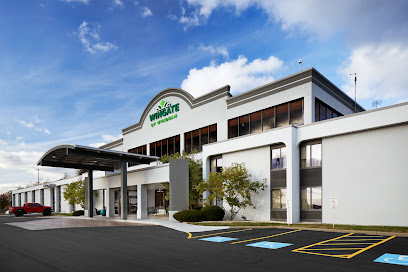
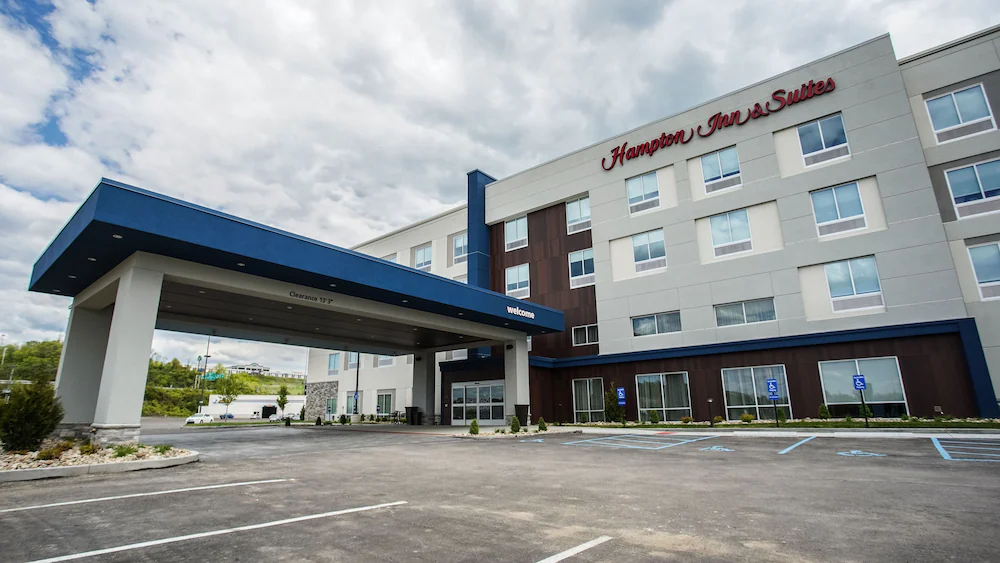
San Francisco offers accommodations across price ranges, though the city is expensive. Hotels and vacation rentals exist in the Castro, SoMa, Hayes Valley, and throughout the city. Visitors should book in advance, particularly during Pride and other peak periods. The Castro and SoMa neighborhoods place visitors near LGBTQ+ venues and culture, though accommodations here tend to be pricier.
San Francisco has a public transit system (MUNI) including buses, streetcars, and the cable cars. The BART (Bay Area Rapid Transit) connects to the airport and surrounding areas. Ride-share services operate throughout the city. Neighborhoods like the Castro and SoMa are walkable, and many visitors navigate the city on foot.
Safety and Community
San Francisco remains generally safe for LGBTQ+ travelers, with visible queer presence and community infrastructure. Like any urban area, visitors should exercise standard city safety practices. The LGBTQ+ community has organized support services and community centers. San Francisco is a welcoming destination for LGBTQ+ people, though rising costs have made it less accessible for residents and visitors with limited budgets.
Food and Neighborhood Exploration
Both SoMa and the Castro feature restaurants, cafes, and food options reflecting San Francisco's diverse food culture. The neighborhoods offer opportunities to explore gay-owned and LGBTQ+-friendly businesses, bookstores, and shops. Markets and street food are available throughout the city.
Day Trips and Broader Exploration
The San Francisco Bay Area offers multiple destinations within reach. Nearby areas include Oakland, Berkeley, Marin County, and the Sonoma/Napa wine country. San Francisco itself contains numerous neighborhoods and cultural sites worth exploring beyond specifically LGBTQ+ venues.
Community and Connection
Beyond bars and nightlife, San Francisco has LGBTQ+ community centers, organizations, and groups focused on various interests and identities. The San Francisco LGBTQ+ Community Center, various sports leagues, religious congregations, and interest-based groups provide ways to connect with community during a visit or relocation.
Changing Landscape
Visitors should note that San Francisco's LGBTQ+ scene has changed significantly in recent decades due to gentrification, rising costs, and broader cultural shifts. Some historic venues have closed. The geographic concentration of gay life has dispersed. The city remains an important LGBTQ+ destination, but the experience differs from previous eras. Chaps Bar and similar establishments represent continuity with historical gay male culture in San Francisco.
よくある質問
Chaps Bar
ヘルズ・キッチン(クリントンとも呼ばれる)は、ニューヨーク市におけるLGBTQ+コミュニティの拠点として長年親しまれており、ゲイフレンドリーなバーやレストラン、社交スポットが数多く点在しています。この地域ではジェントリフィケーションが進みましたが、その独特な雰囲気は現在も色濃く残っています。


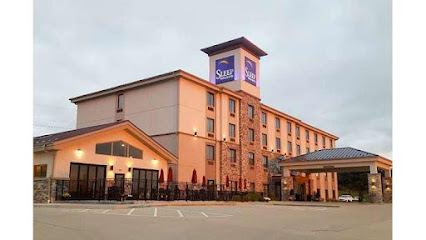 フレンドリーなLGBTQ+フレンドリーなホテル
(492)