2015年6月26日のObergefell v. Hodges判決により、米国では同性婚が合法化されました。2022年12月に成立したRespect for Marriage Actは、連邦政府による婚姻承認の最低基準を定め、将来の最高裁判所の判断にかかわらず、有効なすべての同性間および異人種間の婚姻を連邦レベルで認めることを義務付けています。2020年のBostock v. Clayton County判決では、公民権法第7編(Title…
Little Rock, the capital and largest city of Arkansas, anchors LGBTQ+ life in the state. It is a compact scene rather than a sprawling one, but it is real and resilient: a dedicated queer nightclub downtown, a long-running club complex south of the center, a deep network of advocacy organizations, and a growing calendar of Pride and community events. Arkansas remains a politically conservative, legally hostile state — especially toward transgender residents — yet Little Rock itself is markedly more progressive than the surrounding region, and its LGBTQ+ community is visible, organized, and welcoming to visitors.
Neighborhoods and Geography
Downtown Little Rock and the adjacent River Market District form the nightlife and cultural core, sitting along the Arkansas River with restaurants, galleries, bars, and the city's flagship queer club, Club Sway. Just south, the South Main (SoMa) district has become the city's most visibly inclusive arts-and-food neighborhood and hosts its own street festival each June. Hillcrest, a leafy residential neighborhood southwest of downtown, is the area most associated with LGBTQ+ residents — historically progressive and home to independent shops and cafes. Across the Arkansas River, North Little Rock (the Argenta district) is the metro's twin city and part of the same community fabric.
Bars and Nightlife
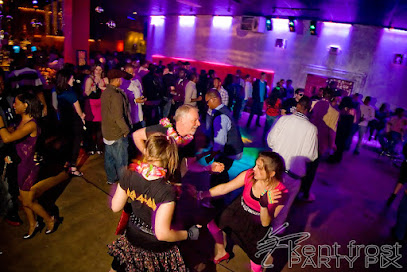
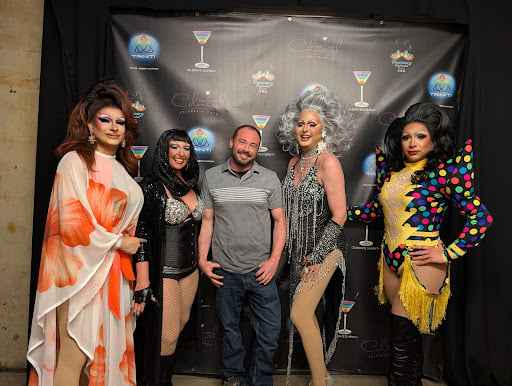
Little Rock's gay nightlife centers on two anchors. Club Sway (412 South Louisiana Street), open since 2010, is Arkansas's flagship LGBTQ+ club — a downtown venue known for drag, DJs, themed parties, and a mixed queer crowd, busiest on weekend nights. South of downtown, the club complex at 1021 Jessie Road operates as Triniti Nightclub on Friday nights and Discovery Nightclub on Saturday nights; Discovery has been a fixture of Arkansas gay nightlife since 1979 and features multiple rooms — a main dance floor, a drag showroom, and additional bars. Together these two addresses carry essentially the whole of the city's dedicated gay-club scene. The long-running Six Ten Center on Center Street has permanently closed. Beyond these, many downtown and SoMa bars and restaurants are openly LGBTQ+-friendly.
There are no gay bathhouses or saunas in Little Rock. The nearest historic bathhouse district is in Hot Springs, about an hour southwest, though those are mainstream thermal baths rather than gay venues.
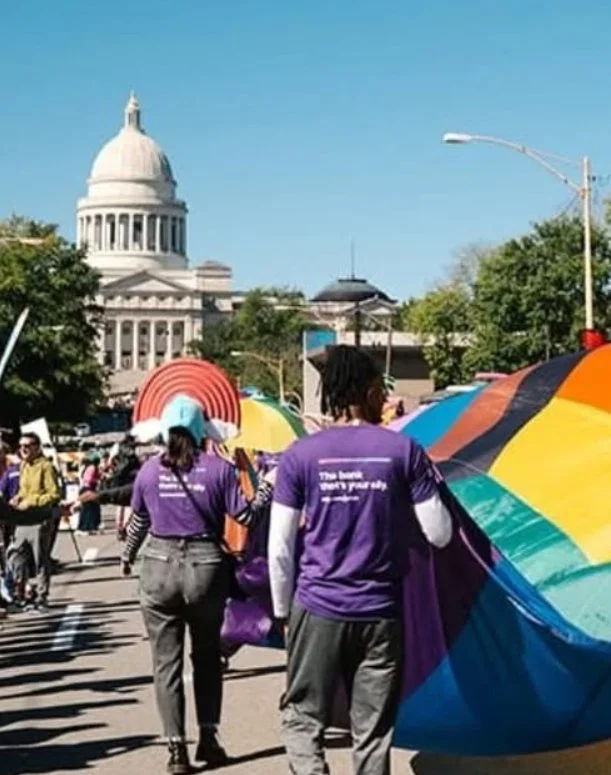
The city's main LGBTQ+ celebration is Central Arkansas PRIDEFest & Parade, organized by Central Arkansas Pride and held in mid-October to coincide with LGBTQ+ History Month. After several years at Argenta Plaza in North Little Rock, the festival moved across the river to downtown Little Rock, along Capitol Avenue, where it now draws thousands for a parade, outdoor festival, pageant, and related parties. A separate, smaller event — the SoMa Pride Street Festival — takes place in the South Main district in June. Throughout the year, local organizations run mixers, film nights, support groups, and community gatherings.
Community and Organizations
Little Rock has a notably strong LGBTQ+ organizational network for a city its size. The Center for Artistic Revolution (CAR), founded in 2003, is one of the state's longest-running queer nonprofits, running youth, Latinx, and Safe Schools programs and housing the Lucille Marie Hamilton Youth Center. Intransitive, founded in 2017, opened Arkansas's first Transgender Community Center in 2021 and leads trans mutual aid and advocacy. Lucie's Place supports LGBTQ+ young adults experiencing homelessness through a downtown drop-in center. Metro-wide, PFLAG Central Arkansas and health providers such as ARcare round out the support landscape.
Accommodations
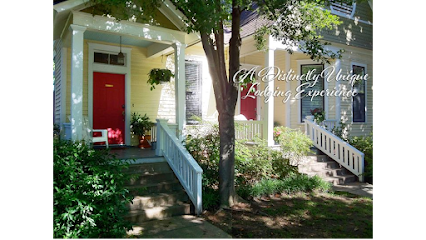
Little Rock offers a range of gay-friendly hotels, with the highest concentration downtown near the River Market — walkable to Club Sway and the riverfront. Historic bed-and-breakfasts in the downtown and Quapaw Quarter areas, such as The Empress of Little Rock, are long-time favorites with LGBTQ+ travelers. Rates are generally more affordable than in major metros.
The River Market District, downtown, and SoMa host a diverse and increasingly celebrated food scene — Southern classics, farm-to-table restaurants, food halls, and international options. Several venues are LGBTQ+-owned or known for welcoming queer customers.
Getting Around
Little Rock is best navigated by car; downtown and the River Market are walkable, and rideshare is widely available. Public transit (Rock Region METRO, including a downtown streetcar linking to North Little Rock and Argenta) exists but is limited compared with larger cities.
Safety and Legal Notes
Same-sex marriage is legal nationwide. However, Arkansas has enacted some of the country's most aggressive anti-transgender legislation, and LGBTQ+ travelers — particularly transgender visitors — should be aware of the state's hostile political climate. Little Rock as the capital is comparatively welcoming and progressive, and the city's venues and organizations are visible and safe; standard urban precautions apply. Local organizations are excellent resources for current, on-the-ground guidance.
Day Trips and Attractions
Beyond the queer scene, Little Rock offers the Clinton Presidential Library, the Museum of Discovery, the Arkansas Museum of Fine Arts, and riverfront trails and parks. Pinnacle Mountain State Park, just west of the city, offers hiking with panoramic river-valley views. Hot Springs National Park is an easy day trip.
When to Visit
Mid-October is ideal for Central Arkansas PRIDEFest; June brings SoMa Pride and warm weather. Spring and fall offer the most comfortable temperatures, while summers are hot and humid and winters mild but occasionally icy.
よくある質問
The main hub for LGBTQ+ nightlife is Downtown Little Rock and the River Market District, home to Club Sway, the city's flagship queer club. A second cluster of gay clubs sits just south at 1021 Jessie Road (Triniti on Fridays, Discovery on Saturdays). The South Main (SoMa) district and the Hillcrest neighborhood are the areas most associated with LGBTQ+ life.
Little Rock has a small but real dedicated scene. The main venues are Club Sway (412 S Louisiana St) downtown and the club complex at 1021 Jessie Road, which operates as Triniti Nightclub on Friday nights and Discovery Nightclub on Saturday nights (Discovery has run since 1979). The former Six Ten Center has permanently closed. Many downtown and SoMa bars and restaurants are also openly LGBTQ+-friendly.
The city's main LGBTQ+ event is Central Arkansas PRIDEFest & Parade, organized by Central Arkansas Pride and held in mid-October to coincide with LGBTQ+ History Month. After several years at Argenta Plaza in North Little Rock, it moved to downtown Little Rock along Capitol Avenue. A separate, smaller SoMa Pride Street Festival takes place in the South Main district in June.
Hillcrest, southwest of downtown, is the residential neighborhood most associated with LGBTQ+ residents. The South Main (SoMa) district is the city's most visibly inclusive arts-and-food area and hosts SoMa Pride each June. Across the Arkansas River, North Little Rock's Argenta district is part of the same metro community.
Yes. Beyond the dedicated gay clubs, many restaurants and bars in downtown, the River Market District, and SoMa are openly LGBTQ+-friendly, and several are LGBTQ+-owned.
Little Rock's LGBTQ+ scene is small but genuine and community-focused, backed by a strong network of organizations such as the Center for Artistic Revolution and the trans-led Intransitive. As Arkansas's capital, the city is more progressive than the surrounding region, though the state's political climate — especially toward transgender people — remains hostile, so local organizations are valuable resources.






 ゲイバー&クラブ
おすすめ
(191)