2015年6月26日のObergefell v. Hodges判決により、米国では同性婚が合法化されました。2022年12月に成立したRespect for Marriage Actは、連邦政府による婚姻承認の最低基準を定め、将来の最高裁判所の判断にかかわらず、有効なすべての同性間および異人種間の婚姻を連邦レベルで認めることを義務付けています。2020年のBostock v. Clayton County判決では、公民権法第7編(Title…
Honolulu has supported an active LGBTQ+ community since at least the 1970s, with the scene growing steadily through subsequent decades. Hawaii was among the first U.S. states to recognize same-sex domestic partnerships (in the 1990s) and legalized same-sex marriage in 2013, reflecting the islands' relatively progressive stance. The community is woven into Honolulu's cultural fabric, with LGBTQ+ individuals and businesses integral to the city's hospitality, arts, and service industries. The scene has matured from underground social networks to openly operating venues and established community organizations.
Neighborhoods and Areas
Waikiki remains the primary tourist hub and home to many gay-friendly resorts, bars, and restaurants. The neighborhood stretches along the famous beach and offers everything from budget lodging to luxury hotels. While Waikiki itself is not exclusively gay, it welcomes LGBTQ+ visitors and hosts several gay bars and clubs.
Downtown Honolulu, centered around the Fort Street and Merchant Street area, contains much of the city's nightlife and dining scene, including several LGBTQ+-friendly establishments. This area feels more local and less touristy than Waikiki, offering authentic Hawaiian and international cuisine alongside contemporary bars and clubs.
Kaimuki and Makiki neighborhoods, located east and inland from Waikiki, are residential areas home to many LGBTQ+ residents and feature local cafes, small shops, and community-oriented venues.
Key Venues
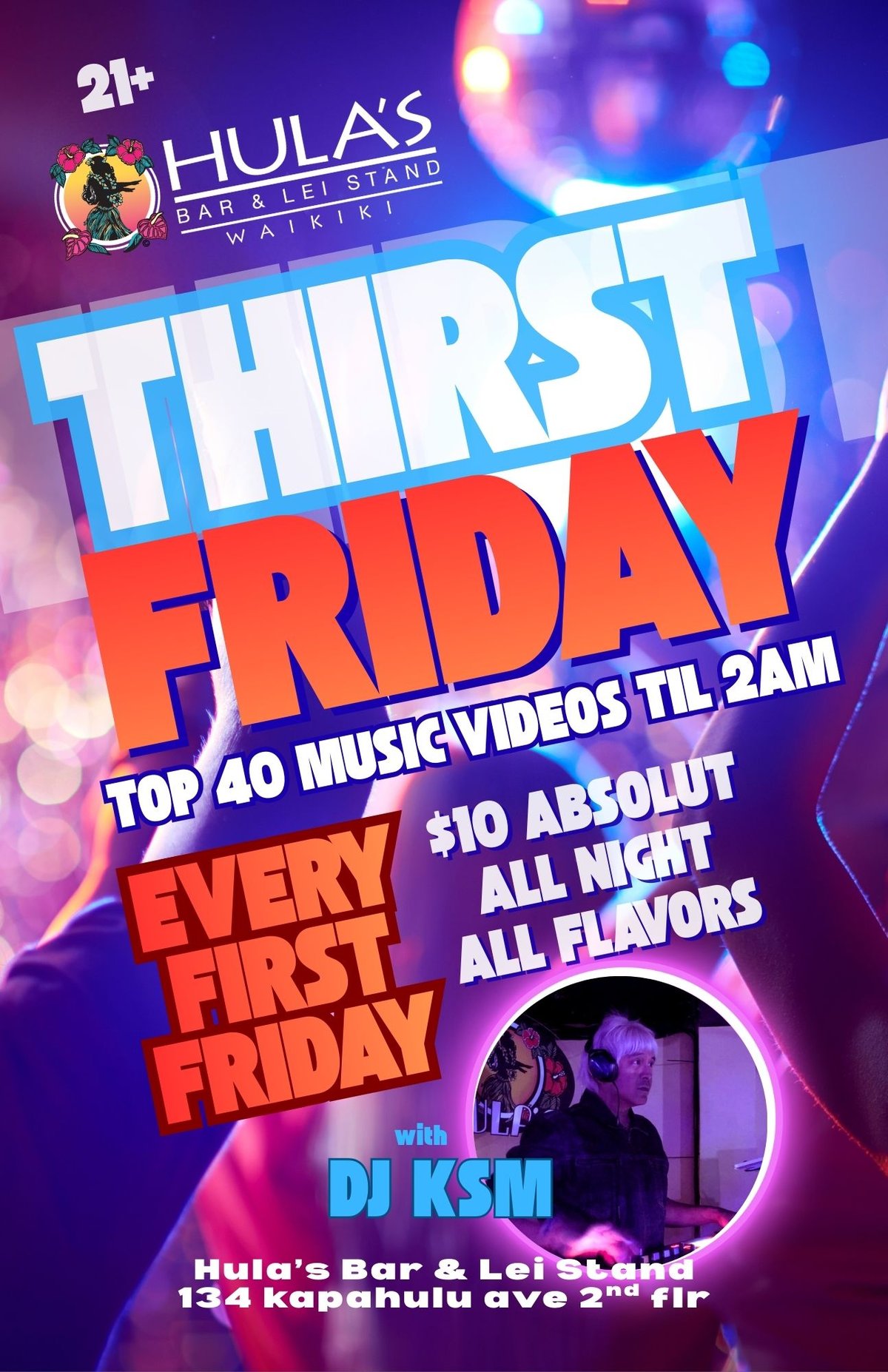
Honolulu's gay venues have fluctuated over the years, as is typical for nightlife establishments. Historically, venues like Hula's Bar and Lei Stand in Waikiki have served as popular gay hangouts offering ocean views and social atmosphere. The downtown area has hosted various dance clubs and bars catering to the LGBTQ+ crowd, though specific venues change periodically.
Visitors should check current local resources and LGBTQ+ community websites before traveling, as bar and club scenes shift with ownership changes and market trends. Apps like Grindr and local LGBTQ+ visitor guides provide up-to-date venue information. Hotels often have concierge services that can recommend current gay-friendly nightlife options.
Pride and Events
Honolulu Pride happens each October — the 2026 parade and Waikiki Shell festival land on October 17 and has grown into a significant celebration featuring a parade through downtown streets, festival booths, live entertainment, and cultural programming. The event draws both residents and visitors and represents the island's most visible LGBTQ+ celebration. Participation from local businesses, community organizations, and government officials reflects the mainstream acceptance of the event.
Beyond Pride, Honolulu hosts various LGBTQ+ film festivals, art exhibitions, and social events throughout the year. The Community Center of Hawaii and other local organizations coordinate many of these activities.
Where to Stay
Waikiki offers abundant accommodation options ranging from budget hostels to five-star resorts. Many hotels in the area are explicitly welcoming to LGBTQ+ guests, with some marketing specifically to gay travelers. The Moana Surfrider, Royal Hawaiian, and Outrigger properties represent larger chains with visible LGBTQ+ tourism initiatives, though numerous other hotels throughout Waikiki are equally welcoming.
Downtown Honolulu offers fewer hotel options but provides closer access to the city's restaurant and entertainment scene. Vacation rentals through Airbnb and VRBO are available throughout the city and can offer local neighborhood experiences.
Honolulu and O'ahu are generally safe for LGBTQ+ travelers. Hawaii's culture emphasizes respect and aloha (compassion), and Honolulu is a cosmopolitan city accustomed to diverse visitors. Standard urban travel precautions apply: avoid displaying excessive valuables, be aware of surroundings late at night, and use licensed taxis or rideshare services. The neighborhoods frequented by tourists and LGBTQ+ visitors are well-traveled and regularly patrolled.
Transit and Getting Around
The Oahu Transit System (TheBus) provides affordable island-wide transportation, though service is most frequent in central Honolulu and Waikiki. Taxis, Uber, and Lyft operate throughout the island. Many visitors rent cars to explore beyond central areas, though traffic in Honolulu can be heavy during peak hours. Waikiki is walkable for beach and immediate dining areas. Downtown Honolulu requires short transit rides or taxi trips but remains accessible.
Food and Dining
Honolulu's restaurant scene reflects its multicultural population and tourism industry. Waikiki offers everything from casual plate lunch shops to upscale fine dining. Downtown Honolulu features excellent Hawaiian regional cuisine, fresh seafood, and diverse international options. Kaimuki neighborhood is known for local restaurants and cafes with neighborhood character. LGBTQ+ owners and staff are visibly represented throughout the food scene. Farmers markets, especially the KCC Saturday Market, offer fresh local produce and prepared foods.
Day Trips and Activities
Beyond Honolulu city proper, O'ahu offers numerous attractions. Diamond Head provides a moderate hiking trail with panoramic views. Hanauma Bay offers protected snorkeling in a marine sanctuary. The North Shore beaches (Sunset Beach, Pipeline) attract surfers and swimmers. Pearl Harbor and related WWII sites are historically significant. The Dole Plantation and botanical gardens provide scenic outings. Hiking trails throughout the island range from easy to strenuous, offering forest and mountain views.
Practical Information
Hawaii observes Hawaiian Standard Time year-round, with no daylight saving time. The climate is warm and tropical year-round, with winter months (November-March) being slightly cooler and wetter. Summers are warm and drier. Visitors from the mainland U.S. need no passport, only standard ID. Travel between islands requires short flights or ferry service; O'ahu is the most visited and accessible island.
The cost of living in Hawaii is notably high, with prices for food, lodging, and activities exceeding mainland U.S. averages. Planning and advance booking help manage expenses. Many travelers combine beach time with cultural activities and outdoor exploration to maximize their visit.










 フレンドリーなLGBTQ+フレンドリーなホテル
(1065)


