Orland Park, a village in Cook County, Illinois, isn't a gay destination. It's a suburb southwest of Chicago. People live here for quiet, safe neighborhoods and easy access to Chicago's gay scene.
The village got incorporated in 1892, mostly as a place for houses. Chicago's always had a visible gay community, going back to the 1960s and 70s, especially in neighborhoods like Boystown (Lakeview). Orland Park's queer residents live all over, not in one specific area. The village has non-discrimination ordinances and generally tries to be inclusive, but you won't find dedicated gay infrastructure here.
You won't find a "gay neighborhood" in Orland Park. The downtown area, around 143rd Street and Ravinia Avenue, has shops and restaurants. Parks are everywhere, including the big Orland Park Village Center.
Don't come to Orland Park for gay bars. It doesn't have any. You'll find standard shops, restaurants, and entertainment that welcome everyone. The Orland Park Public Library offers community resources and sometimes has inclusive programs. If you want a dedicated gay venue, you'll need to go to Chicago. The closest gay bar is Club Krave in Blue Island (about 11 miles east), which calls itself a South Side LGBTQ+ bar with drag shows and Latin nights. The closest gay bathhouse is Steamworks in Chicago's Northalsted district (about 28 miles northeast).
Orland Park's main draw for queer travelers is its closeness to Chicago. The Metra commuter rail gets you to downtown Chicago in 30-50 minutes. Northalsted in Lakeview (formerly Boystown) has dozens of gay bars, clubs, and restaurants like Sidetrack Video Bar, Roscoe's Tavern, and Hydrate. Berlin, a decades-old nightclub, closed in 2023. Logan Square and Pilsen also have LGBTQ+-friendly places. The Chicago Pride Parade, on the last Sunday of June, runs through Northalsted and Lakeview and is one of North America's biggest Pride events.
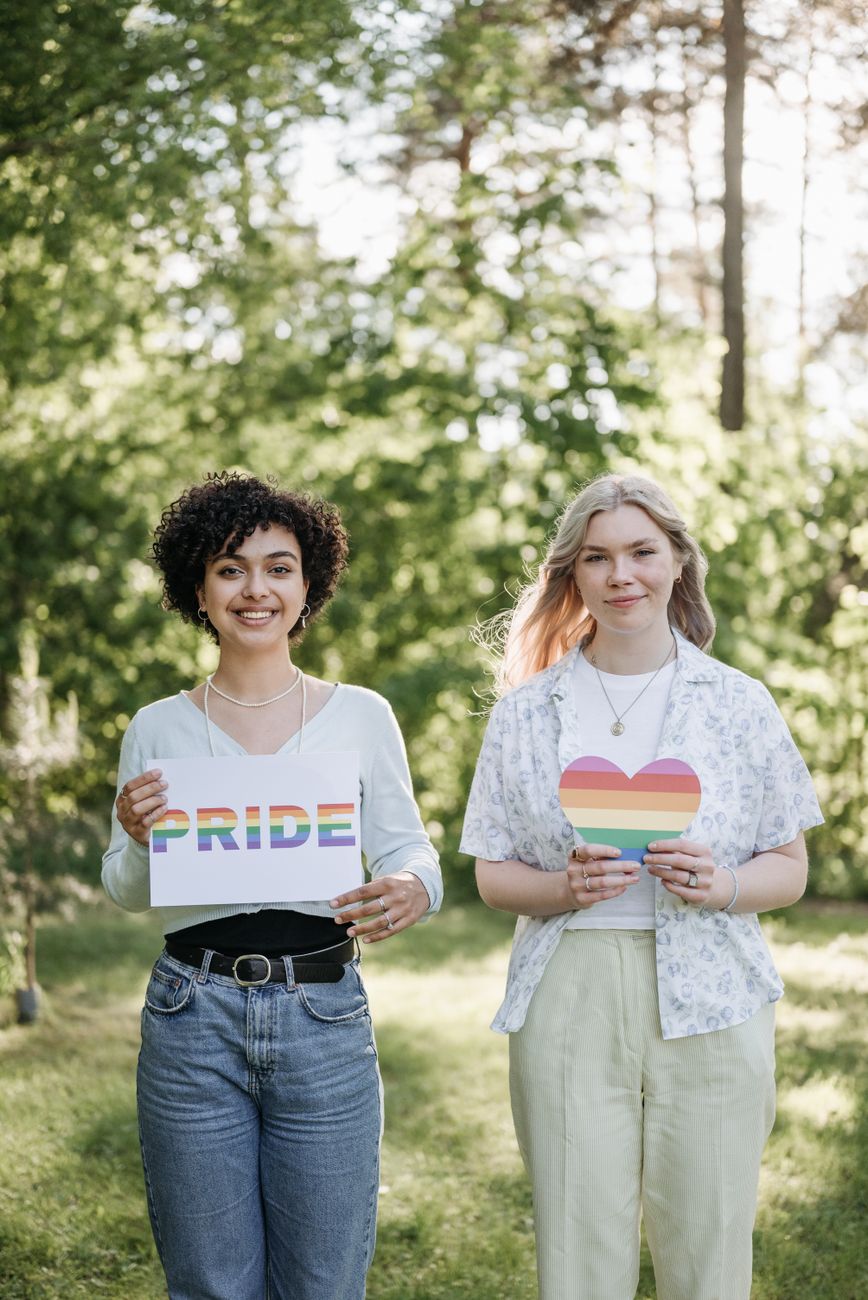
Orland Park doesn't have its own Pride. Most residents go to Chicago Pride in mid-June, which pulls in hundreds of thousands of people for performances, floats, and community booths. Closer to Orland Park, the southwest and south suburbs have their own June celebrations. Look for the Slay the Lake Pride book festival in Tinley Park (about 5 miles away) and the Homewood-Flossmoor Pride Fest.
You'll find standard hotel chains here: La Quinta, Motel 6, Red Roof Inn. They all have non-discrimination policies. For something fancier, you'll need to look in Chicago. Airbnb and other rental platforms list homes throughout the village.
Orland Park is safe. It has non-discrimination protections for sexual orientation and gender identity. Crime rates are typical for a suburb. It's a welcoming place, but use common sense like you would anywhere.
The Metra Commuter Rail's SouthWest Service line stops at 143rd Street, 153rd Street, and 179th Street, connecting to Chicago's Union Station in about 50 minutes. Just know the SouthWest Service runs weekdays only, so no trains on Saturday or Sunday. Weekend trips to the city mean driving via I-80 or I-294. Pace provides regional bus service. A car makes sense for getting around Orland Park itself. Chicago's public transit (CTA) is extensive and queer-friendly.
Expect chain restaurants and casual spots in Orland Park. You can find different cuisines throughout the village. Chicago has endless fine dining and specialty options, a short ride away.
From Orland Park, you can easily visit Chicago's attractions: the Art Institute, Field Museum, Museum of Science and Industry, lakefront, shopping, and entertainment. Brookfield Zoo and Morton Arboretum are nearby. Starved Rock State Park and other outdoor areas are also a reasonable drive.


 フレンドリーなLGBTQ+フレンドリーなホテル
(1048)