2015年6月26日のObergefell v. Hodges判決により、米国では同性婚が合法化されました。2022年12月に成立したRespect for Marriage Actは、連邦政府による婚姻承認の最低基準を定め、将来の最高裁判所の判断にかかわらず、有効なすべての同性間および異人種間の婚姻を連邦レベルで認めることを義務付けています。2020年のBostock v. Clayton County判決では、公民権法第7編(Title…
Savannah's relationship with LGBTQ+ acceptance has evolved. While historically conservative, the city has become more progressive, especially since the 1990s. The local LGBTQ+ community has grown more visible and organized, with Savannah Pride growing into a well-established annual October tradition. Today, the community is present in local politics, business, and culture, though progress continues across Georgia.
Key Neighborhoods
Downtown Savannah, particularly around its historic squares and the riverfront, hosts the most LGBTQ+-friendly venues, restaurants, and accommodations. This area's historic architecture and walkable streets make it a central point for visitors.
Midtown Savannah, situated between the historic district and the islands, serves as a secondary hub with additional LGBTQ+-welcoming businesses and services. It is more residential and less tourist-focused.
The Islands, including Tybee Island, offer beach access and are popular weekend destinations for LGBTQ+ residents and visitors.
Venues and Nightlife
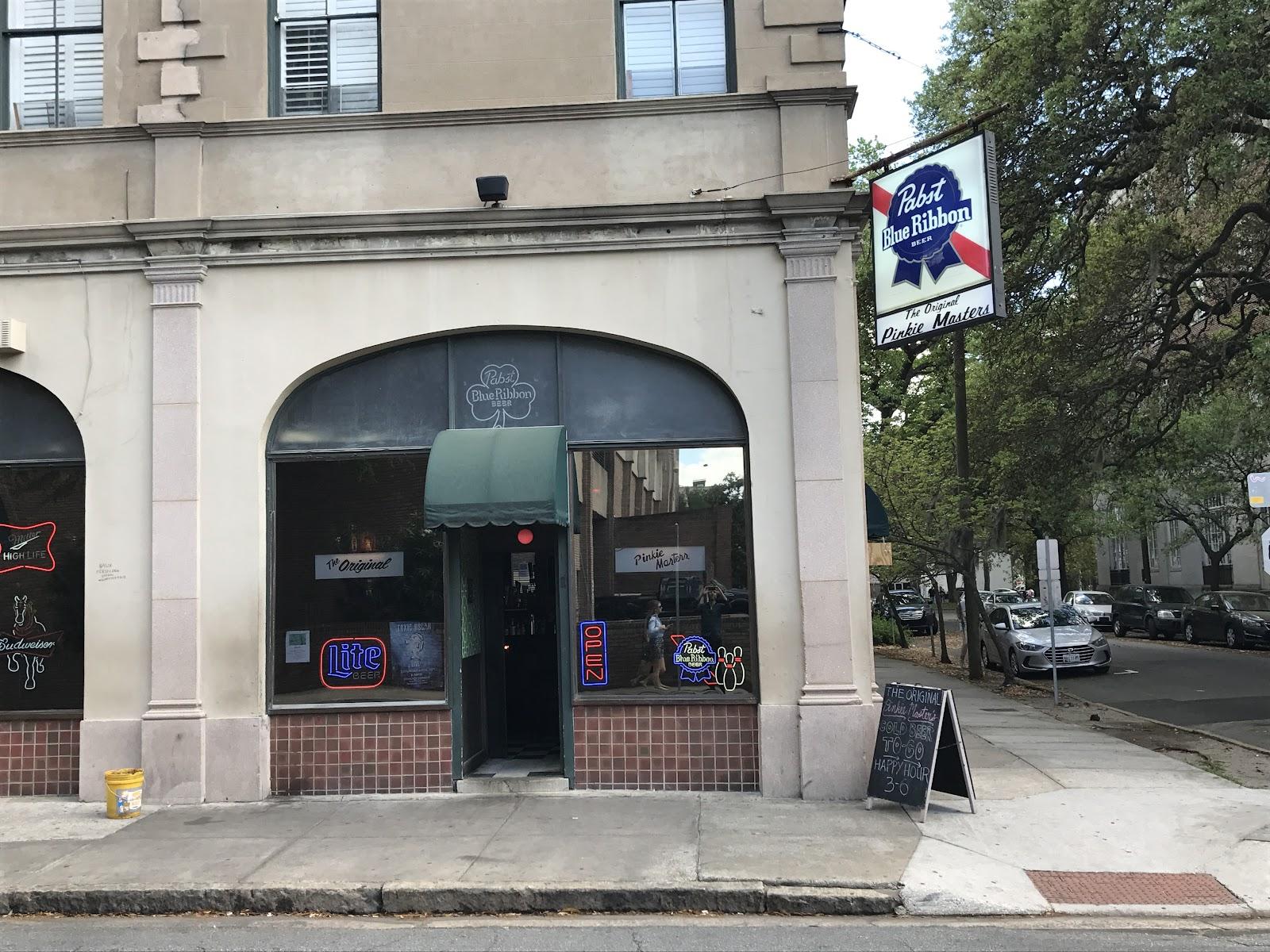
The Sentient Bean on Broughton Street is a popular coffeehouse and informal community gathering space. Molly MacPherson's Scottish Pub on Whitaker Street provides a casual, welcoming atmosphere that often attracts LGBTQ+ patrons. Club One is the heart of Savannah's LGBTQ+ nightlife — the city's long-running gay bar and drag cabaret, famous as the former stage of the legendary Lady Chablis of "Midnight in the Garden of Good and Evil." In 2026 it relocated within the Historic District to 301 Williamson Street near the riverfront. The dedicated gay scene beyond Club One is small, so gay-friendly spots such as The Original Pinkie Masters and The Rail Pub round out a night out; check the Savannah Pride Center for current community events.
For dining, The Wyld Dock Bar on Tybee Island offers waterfront dining and is known to be LGBTQ+-friendly. Many restaurants throughout downtown are also welcoming.
Savannah Pride occurs annually in October and is a significant event in the Southeast. The parade proceeds through downtown, drawing many visitors. The month includes various festivals and community gatherings. October is a peak time for LGBTQ+ tourism in Savannah. Throughout the year, community groups and nonprofits often organize LGBTQ+-focused events and fundraisers.
Where to Stay
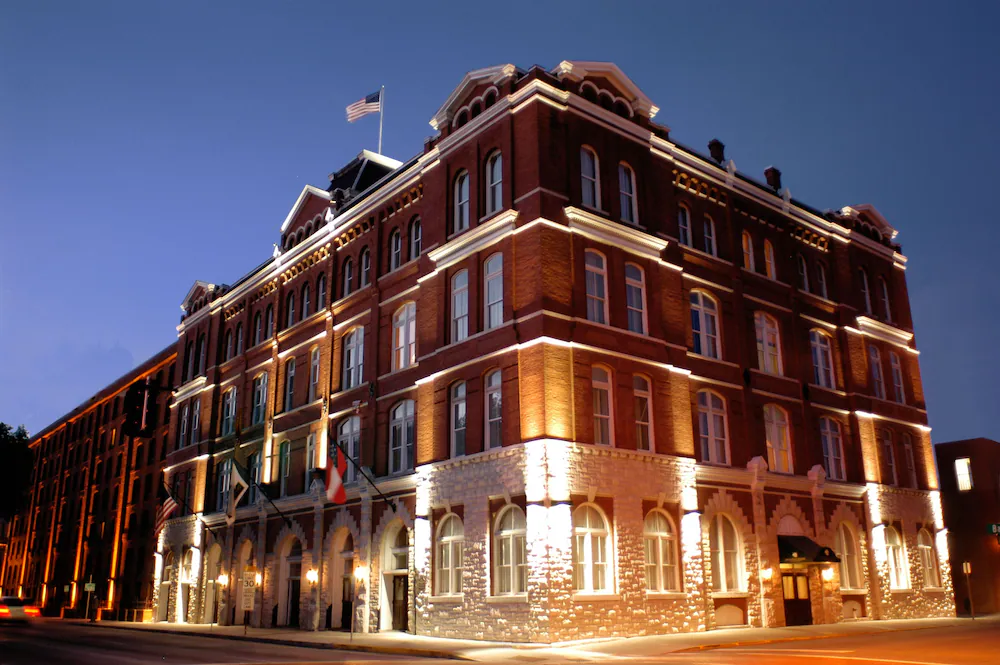
Downtown hotels near Forsyth Park and the riverfront provide convenient access to attractions and nightlife. The Kehoe House, a historic bed-and-breakfast, is known to be LGBTQ+-friendly. Many mainstream hotels downtown welcome LGBTQ+ guests. Vacation rentals are also available in the historic district and surrounding areas.
Savannah is generally safe for LGBTQ+ travelers, especially in the downtown historic district and established LGBTQ+-welcoming areas. Standard travel precautions are recommended, such as being aware of your surroundings and avoiding isolated areas at night.
While Savannah is more progressive than many surrounding areas in Georgia, it is still a Southern state with varying attitudes. Downtown Savannah and Midtown are recognized as LGBTQ+-welcoming areas.
Transit
Downtown Savannah is highly walkable. The free Historic District Shuttle serves key tourist spots. The Savannah Transit Authority operates bus routes citywide, and ride-sharing services are available. Many hotels offer shuttles to popular destinations. Rental cars are generally not necessary for exploring downtown and nearby neighborhoods.
Food and Culture
Savannah's food scene features Low Country cuisine, seafood, and Southern classics. Forsyth Park is a central gathering space. Bonaventure Cemetery is a historic and picturesque site. The city's historic squares offer public spaces for relaxation and observation.
Day Trips
Tybee Island, a 20-minute drive from downtown, offers beaches, a lighthouse, and a relaxed atmosphere. It has LGBTQ+-friendly establishments and is a popular weekend escape. Historic Beaufort, South Carolina, is about 45 minutes away and offers historic charm and dining. Jekyll Island and St. Simons Island are further south and provide additional coastal options. Bonaventure Cemetery and Forsyth Park are popular outdoor destinations within the city.
Practical Information
Summers are hot and humid, while winters are mild. Spring and fall offer comfortable weather. October is the busiest month for LGBTQ+ tourism due to Pride. Accommodations and dining can book up quickly during this period, so advance planning is advised. Savannah has established LGBTQ+-focused tourism services.
Savannah appeals to LGBTQ+ travelers interested in Southern history, architecture, coastal access, and a welcoming atmosphere. Its compact downtown, LGBTQ+-friendly venues, and annual Pride celebration make it an accessible destination in the American Southeast.
よくある質問
Savannah has developed a resilient and visible LGBTQ+ community. Many venues throughout the Historic District actively market themselves as LGBTQ+-friendly.
Savannah's LGBTQ+ scene is concentrated in the walkable downtown Historic District, anchored by Club One near the riverfront. The Savannah Pride Center (on Abercorn Street in midtown) is the community hub, and Savannah Pride each October centres on Forsyth Park.
Club One is Savannah's flagship LGBTQ+ venue — a nightclub and drag cabaret, famous as the longtime home of the legendary Lady Chablis. In 2026 it relocated within the Historic District to 301 Williamson Street near the riverfront. It remains the city's primary dedicated gay bar; a handful of gay-friendly spots like The Original Pinkie Masters round out the nightlife.
The Sentient Bean serves as a popular daytime gathering spot for the LGBTQ+ community, offering coffee, food, and a welcoming atmosphere for socializing.
Savannah's LGBTQ+ population is estimated at around 5-7% of the city's roughly 150,000 residents.
Vinnie Van GoghGo's is known for its welcoming atmosphere and Southern cuisine. Many restaurants throughout the Historic District display rainbow flags and actively market themselves as LGBTQ+-friendly.


 ゲイバー&クラブ
おすすめ
(366)