Równość małżeńska od Obergefell v. Hodges (26 czerwca 2015 r.). Respect for Marriage Act (grudzień 2022 r.) stanowi gwarancję kongresową, wymagającą federalnego uznania wszystkich ważnych małżeństw osób tej samej płci i międzyrasowych, niezależnie od przyszłych orzeczeń Sądu Najwyższego. Bostock v. Clayton County (2020 r.) orzekł, że tytuł VII Ustawy o prawach obywatelskich zakazuje dyskryminacji w zatrudnieniu ze względu na orientację seksualną i tożsamość płciową. Brak kompleksowego federalnego prawa antydyskryminacyjnego w zakresie mieszkalnictwa lub miejsc publicznych.
Bilety bez kolejki, spacery z przewodnikiem, jednodniowe wycieczki i unikalne doświadczenia przyjazne LGBTQ+ — rezerwacja od ręki z bezpłatnym anulowaniem.
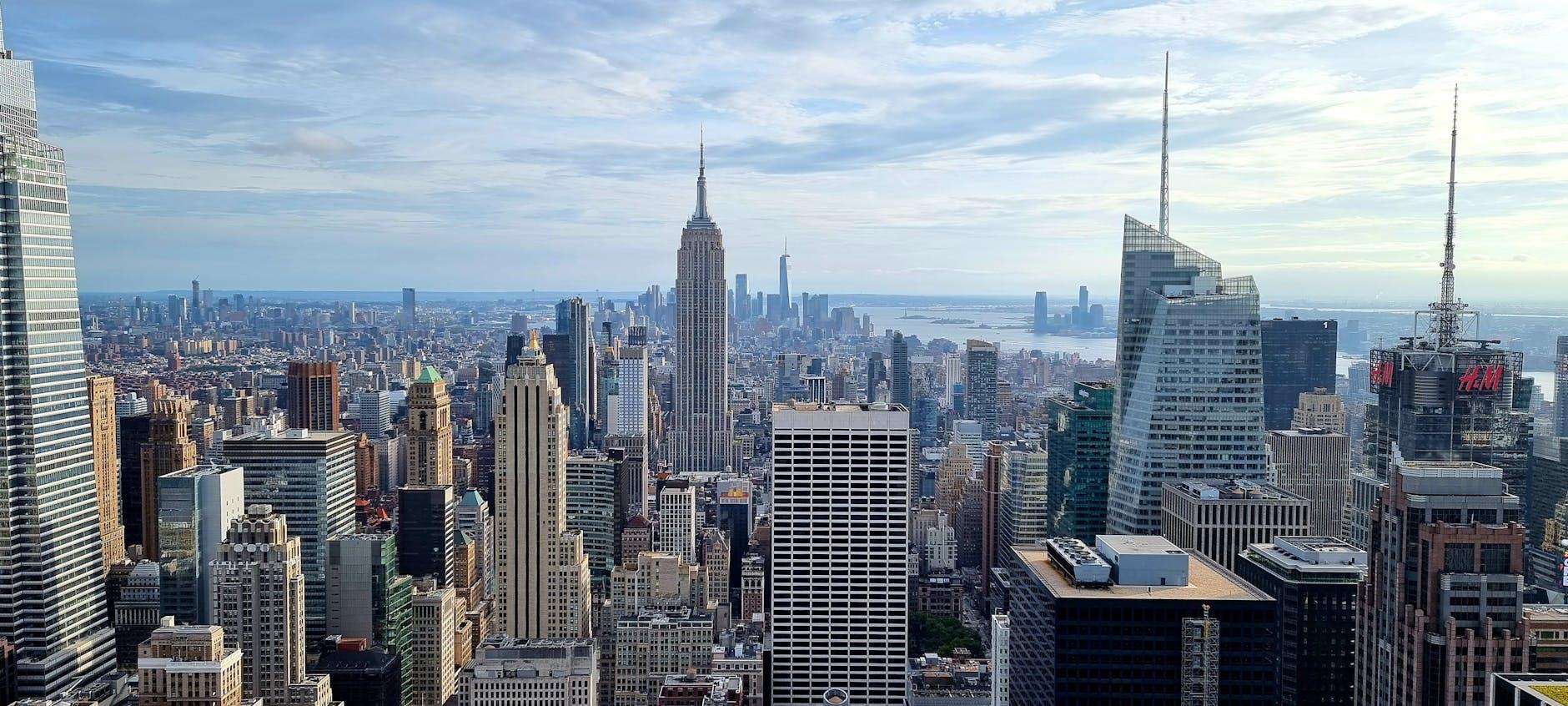
New York City's LGBTQ+ history is deeply intertwined with the broader queer liberation movement. The Stonewall Inn in Greenwich Village, site of a pivotal 1969 police raid that sparked days of protest, remains a significant landmark. The surrounding Christopher Street area continues to hold historical importance. Through the 1970s and 80s, the city became a hub for queer arts and culture, a period also marked by the devastating AIDS crisis. This tragedy spurred activism and cultural production that continues to shape NYC's queer identity.
GAY NEIGHBORHOODS
Chelsea, spanning 14th to 30th Streets west of 8th Avenue, has been a primary gay neighborhood since the 1990s. It features a concentration of LGBTQ+ establishments. While gentrification has occurred, a strong queer presence persists. Notable venues include Barracuda and Pieces, though specific bar lineups can shift. Chelsea tends to be more upscale and commercial.
Hell's Kitchen, generally between 34th and 59th Streets west of 8th Avenue, has seen growing LGBTQ+ popularity, offering a nightlife and dining scene that rivals Chelsea. This neighborhood has a more eclectic feel with a diverse range of bars and restaurants, often attracting a younger crowd.
The West Village, centered around Christopher Street, retains its historical and cultural significance. Beyond the Stonewall Inn, the area is characterized by tree-lined streets, smaller bars, and a more residential queer community, focusing more on neighborhood life than nightlife.
The East Village and Lower East Side are home to increasingly active queer scenes, drawing younger and more alternative LGBTQ+ individuals. These areas feature dive bars, smaller venues, and a DIY cultural spirit.
Williamsburg, Brooklyn, has emerged as a significant LGBTQ+ neighborhood in recent years. It attracts a younger queer demographic with its alternative scene, more affordable rents compared to Manhattan, and a diverse community, offering a range of venues from dive bars to performance spaces.
Park Slope, Brooklyn, has historically been known as a lesbian-friendly area, a character it largely maintains despite demographic shifts due to gentrification.
VENUES
The Stonewall Inn (53 Christopher Street) is a historically significant gay bar. It functions as both a tourist destination and a neighborhood bar. Visitors are encouraged to approach it with respect for its historical context.
Barracuda (275 West 22nd Street) in Chelsea is a video bar that draws a mixed gay clientele.
Pieces (8 Christopher Street), located near Stonewall, is a popular gay bar known for its welcoming atmosphere.
Several venues in Hell's Kitchen contribute to that neighborhood's nightlife.
The Cock (2-8 St. Marks Place) in the East Village is a dive bar with a younger crowd.
NYC's nightlife includes various dance clubs and parties, though specific venues and their popularity can change.
PRIDE AND EVENTS
NYC Pride occurs in June, with the NYC Pride March typically held on the last Sunday of the month. This is a major celebration attracting millions. The march traditionally proceeds down 5th Avenue, and Pride Month includes numerous events across the city.
Additional LGBTQ+ events occur throughout the year, including film festivals and drag events.
WHERE TO STAY
Several hotels market themselves as LGBTQ+-friendly. Areas to consider include:
Chelsea for its proximity to gay nightlife and shops, though it can be touristy and expensive.
Hell's Kitchen for similar nightlife access with a more neighborhood feel.
The West Village for its historical significance and residential atmosphere.
Williamsburg, Brooklyn, for a younger, more alternative experience.
Midtown offers good transit connections but less specific LGBTQ+ character.
New York City is generally safe for LGBTQ+ travelers, particularly in established gay neighborhoods. Standard urban safety precautions are advised. Chelsea, Hell's Kitchen, and the West Village are considered very safe, especially when busy in the evenings. The East Village and outer Brooklyn neighborhoods warrant standard city safety awareness. While hate crimes are not common, they can occur. Public displays of affection are generally accepted in gay areas and much of the city, though discretion is advised depending on the specific location.
TRANSIT
The NYC subway system connects all major LGBTQ+ neighborhoods. The A/C/E lines serve Hell's Kitchen and Chelsea, while the 1/2/3 lines serve Chelsea and the West Village. The L train connects the East Village to Williamsburg. Taxis and rideshare apps are available but can be costly. Walking is often practical for shorter distances in Manhattan.
FOOD AND CULTURE
New York City offers a wide range of dining options, including establishments that are LGBTQ+-owned or queer-friendly, across various neighborhoods and price points.
The city's cultural institutions, including museums, theaters, and performance venues, offer year-round programming. Many venues and institutions cater to or welcome LGBTQ+ audiences.
DAY TRIPS
Fire Island Pines, accessible by ferry from Long Island, is a well-known LGBTQ+ beach community. The Hamptons, further east on Long Island, feature upscale beach communities with an LGBTQ+ presence. New Hope, Pennsylvania, is an established LGBTQ+-friendly small town. Provincetown, Massachusetts, is a prominent LGBTQ+ beach town, particularly during the summer.
Najczęściej zadawane pytania
Chelsea is the most commercially visible gay neighborhood, known for its bars, restaurants, and clubs. Hell's Kitchen offers a more neighborhood-oriented feel with community-focused spaces. Greenwich Village and the East Village are historically significant and culturally vibrant, with Greenwich Village home to the Stonewall Inn.
New York City has thriving queer communities across all five boroughs with deep institutional knowledge and established infrastructure. The city transformed into a symbol of resistance and liberation following the Stonewall uprising, and has remained a symbolic heart of LGBTQ+ activism and community.
The first Pride marches originated in New York City in 1970. While specific dates for current Pride events vary annually, NYC has remained the symbolic heart of LGBTQ+ activism and culture.
Today, New York remains home to thriving queer communities across all five boroughs, with deep institutional knowledge and established infrastructure welcoming visitors.
New York City holds unparalleled importance in modern LGBTQ+ history, with the Stonewall uprising of June 28, 1969, catalyzing the modern LGBTQ+ rights movement. The city's LGBTQ+ population grew increasingly visible and politically powerful throughout the 1970s and 1980s.
Chelsea remains densely packed with LGBTQ+-owned and LGBTQ+-friendly establishments, offering numerous options for dining, drinking, and socializing along 8th Avenue.
Twoje wybory dotyczące prywatności.
Używamy plików cookie, aby uruchomić GayOut i, za Twoją zgodą, mierzyć jego użytkowanie. Dowiedz się więcej
Twoje wybory dotyczące prywatności
Używamy plików cookie, aby GayOut działał sprawnie, zapamiętywał Twoje preferencje i (za Twoją zgodą) mierzył, jak korzystasz ze strony. Możesz zaakceptować wszystkie, odrzucić wszystkie albo wybrać, na co się zgadzasz. Dowiedz się więcej
Niezbędne
Wymagane do logowania, ochrony przed oszustwami, zabezpieczeń CSRF i zapamiętania języka. Nie można ich wyłączyć.
Zawsze aktywne
Zapamiętują ulubione, tryb ciemny i inne preferencje interfejsu między wizytami.
Pomagają nam zrozumieć, które strony są odwiedzane (Google Analytics, statystyki serwera), żebyśmy mogli się rozwijać.
Wykorzystywane przez piksele kampanii marketingowych. Obecnie żaden nie jest aktywny, zarezerwowane na przyszłość.
Zainstaluj GayOut
Dodaj GayOut do ekranu głównego — szybszy dostęp, ulubione offline i powiadomienia Pride.





 Przyjazne Gejowskie bary i kluby