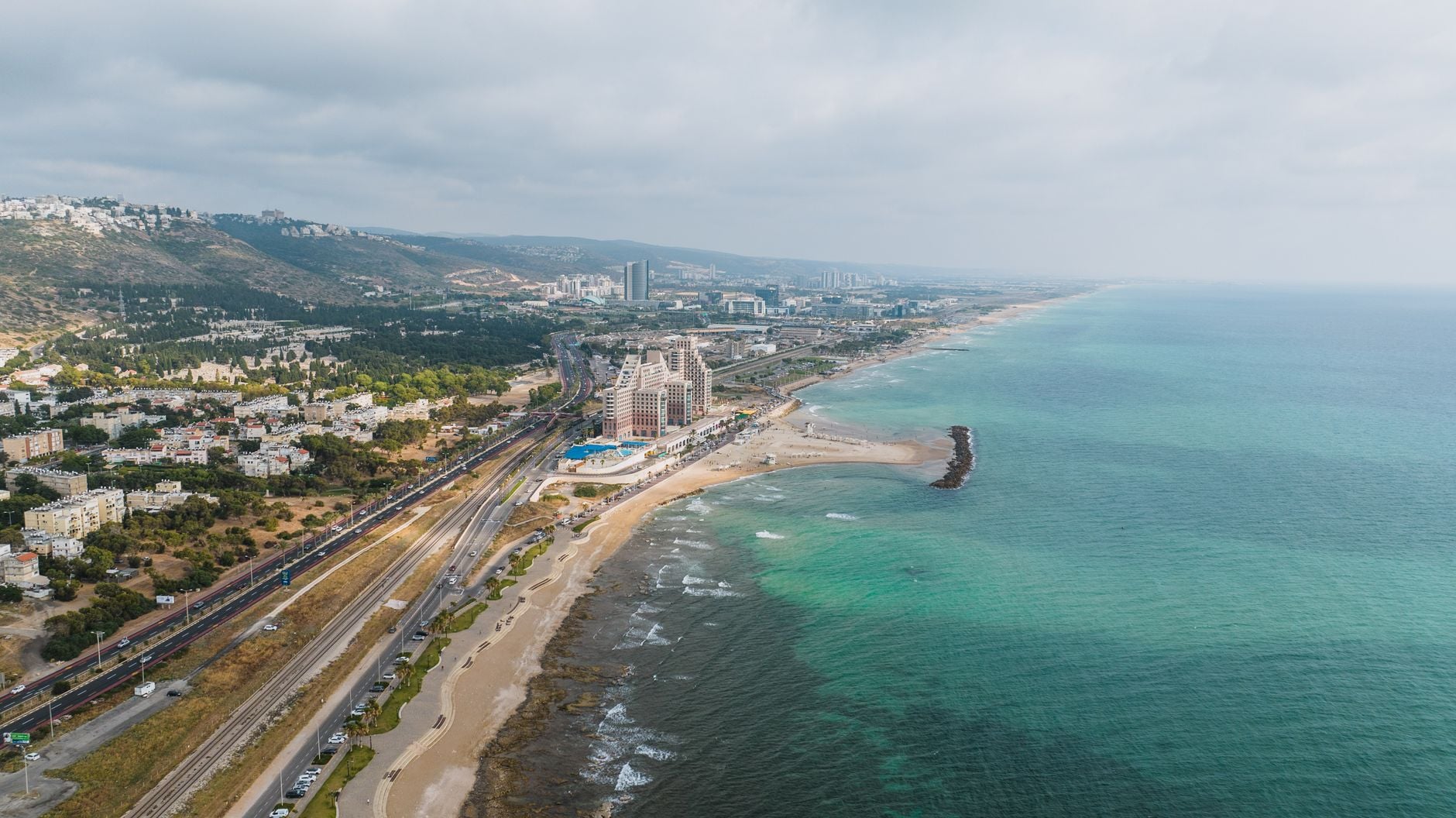
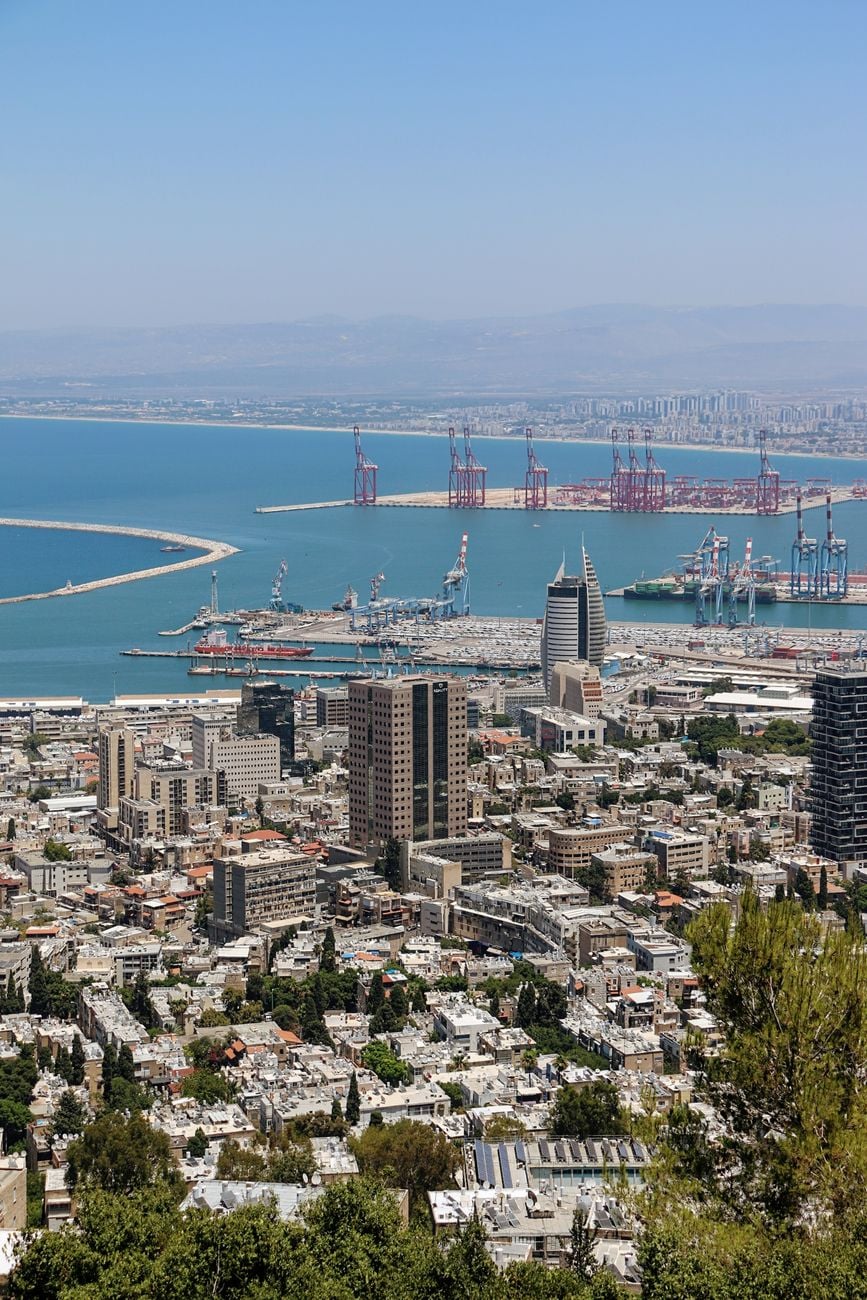
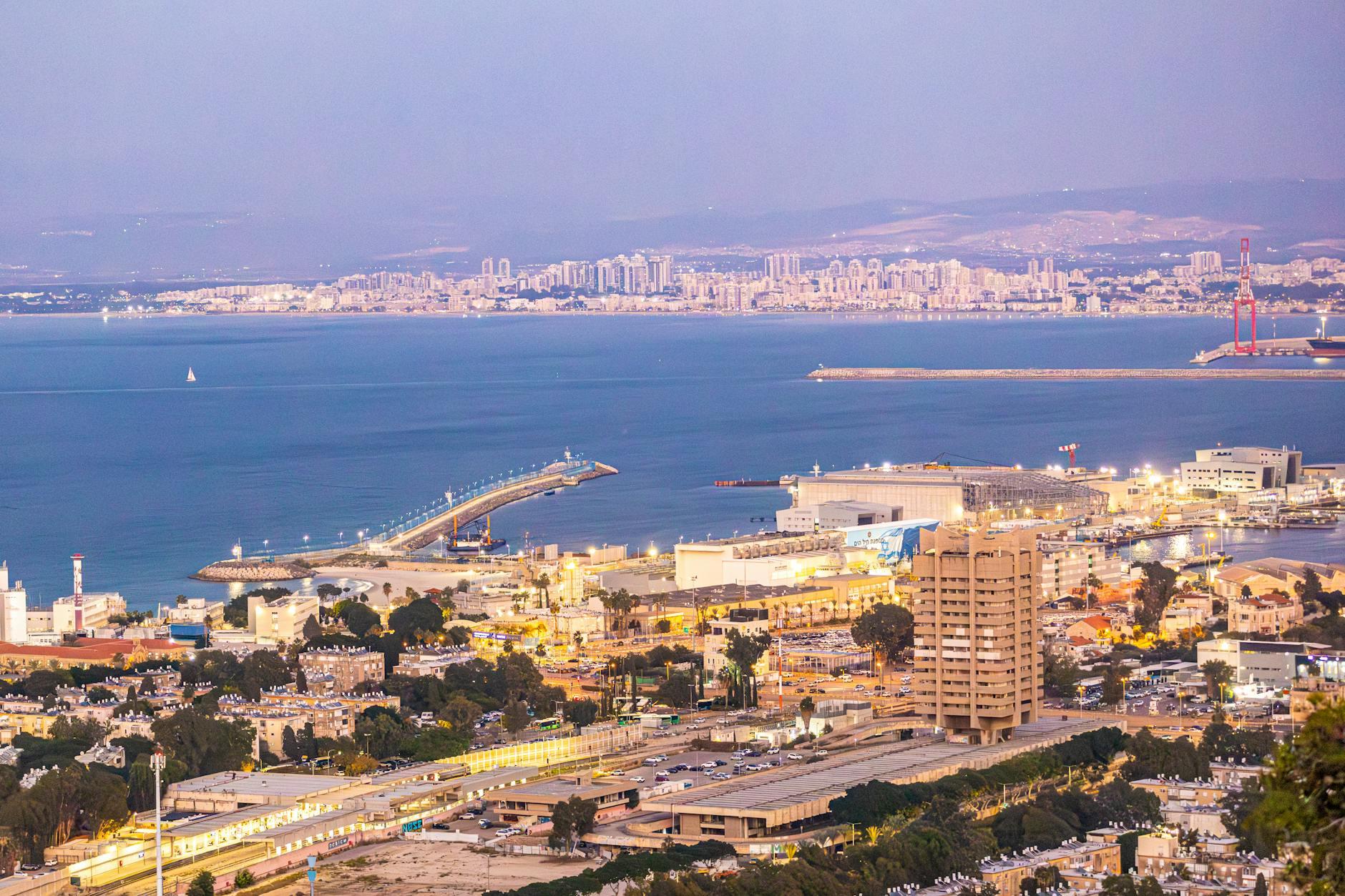
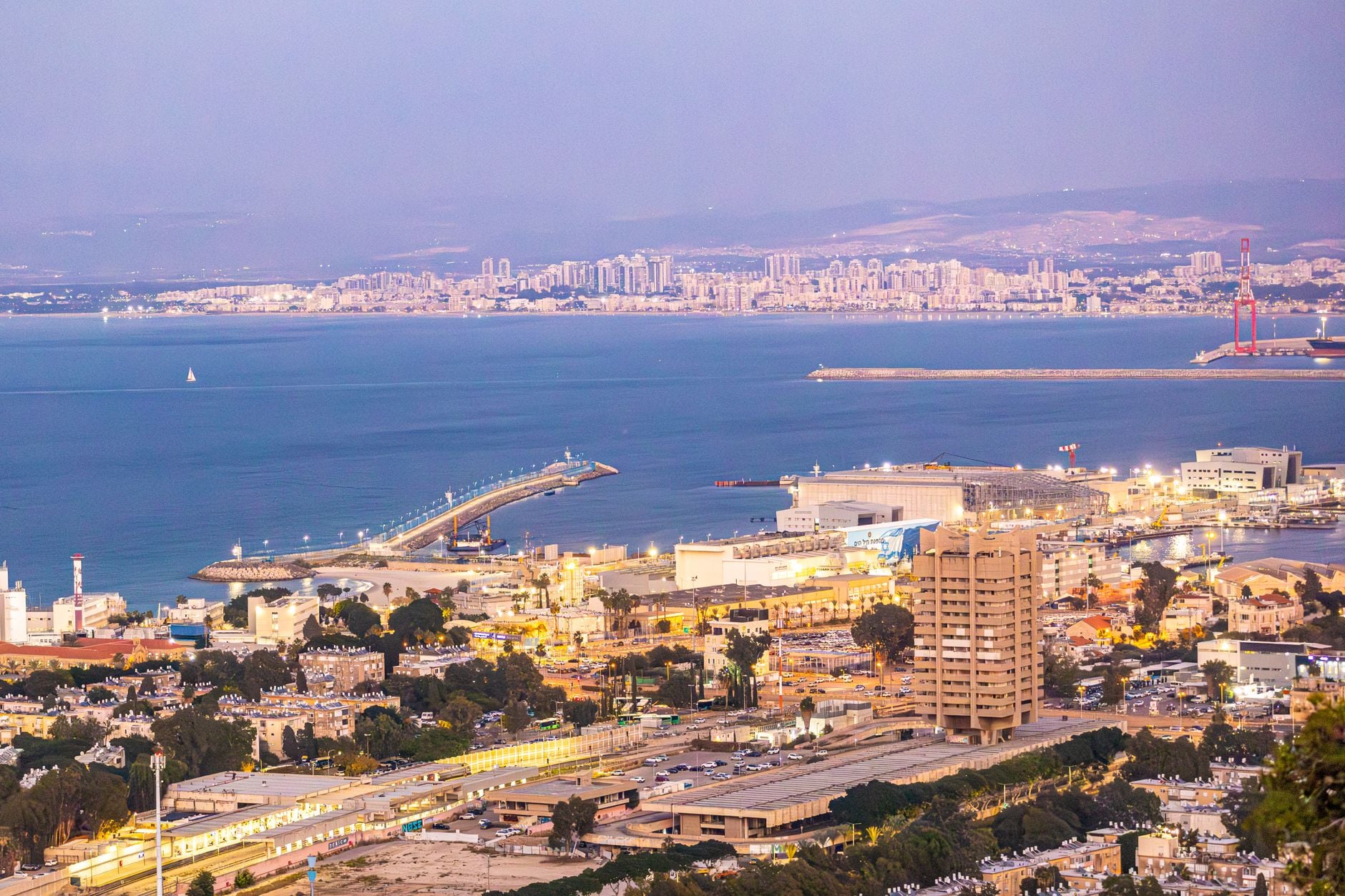
Haifa is Israel's third-largest city and its primary port, located on the Mediterranean coast north of Tel Aviv. With a population of around 280,000, it serves as an important economic and cultural hub while maintaining a more relaxed atmosphere than the capital. The LGBTQ+ scene in Haifa is smaller and less developed than Tel Aviv's, but it is genuine, welcoming, and increasingly visible. The city attracts LGBTQ+ visitors and residents who prefer authenticity and local culture over branded nightlife, and who appreciate Haifa's natural beauty, cultural institutions, and more affordable cost of living.
HISTORY OF THE LGBTQ+ SCENE
Like much of Israel, Haifa's LGBTQ+ community emerged gradually over recent decades. Homosexuality has been legal in Israel since 1988, and the country has some of the most advanced LGBTQ+ rights protections in the Middle East. However, Haifa's scene developed more organically than Tel Aviv's, with less commercial focus and more grassroots community building. The city has hosted LGBTQ+ cultural events, film festivals, and art exhibitions for many years, though Pride celebrations came somewhat later than in Tel Aviv. In recent years, there has been increased visibility and organizing around LGBTQ+ rights and community events, particularly among younger residents and through academic institutions like the University of Haifa.
NEIGHBORHOODS AND AREAS
Hadar HaCarmel (Hadar), Haifa's historic mid-slope district, is the closest thing the city has to a queer-bohemian core. Its center of gravity is Masada Street, a bohemian strip of cafes, bars, galleries and street murals that draws students, artists and a young LGBTQ+ crowd. Hadar is also home to the Communities House for Pride and Tolerance (Kassel Street 6), Haifa's LGBTQ+ community center and the anchor of local queer life.
The German Colony (Colonia Germanica), centered on Ben Gurion Avenue below the Baha'i Gardens, is Haifa's most charming and walkable neighborhood, with restored 19th-century Templer buildings, boutique shops and cafes. It is touristic and gay-friendly rather than a dedicated LGBTQ+ hub, but it makes a pleasant base for dining and sightseeing.
Downtown Haifa (Merkaz Ha'ir) is the commercial and social heart of the city, with bars, restaurants, and late-night venues concentrated particularly along Herzl Street and around the port area. This neighborhood has more conventional nightlife and serves as a gathering point for locals.
Car Mel (Carmel Center) sits atop Mount Carmel and offers a more residential character with parks, viewpoints, and quieter streets. Several LGBTQ+-friendly restaurants and cafés operate here, and the area provides stunning views of the bay and city.
The Port Area (Namal) has undergone significant redevelopment in recent years, with new restaurants, bars, and cultural venues. This waterfront zone is increasingly popular for evening outings and socializing.
VENUES AND NIGHTLIFE
Haifa does not have a permanent dedicated gay club on the scale of Tel Aviv's scene; local queer nightlife is party-based, moving between bars and one-off events. Several venues are reliably part of the scene:
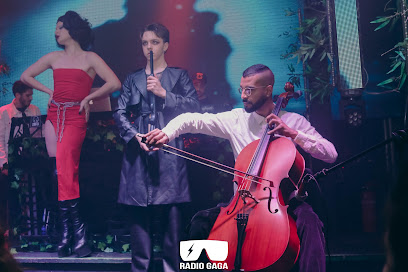
Syncopa is a small independent bar in the downtown/port area that hosts LGBTQ+ party nights and welcomes a mixed, alternative crowd. RADIO GAGA is the city's recurring gay night, listed on Google as a gay night club and the closest Haifa has to a regular gay party. Both advertise their queer nights largely through social media, so check ahead. Bars and cafes along Masada Street in Hadar and around the port also draw LGBTQ+ patrons.
The Communities House for Pride and Tolerance (Kassel Street 6, Hadar) is the hub of organized community life, running social meet-ups, support groups, cultural evenings, drag shows and Pride events year-round - its calendar is the single best guide to what is happening.
The Underground (Ha'Tahat) scene includes occasional parties, cultural events, and art exhibitions hosted in non-traditional venues. These tend to be advertised through social media and community networks rather than traditional channels.
Dancing and nightlife often happen at mainstream venues that welcome LGBTQ+ patrons rather than exclusively gay establishments. The port area and downtown have younger crowds, particularly on weekends.
Café culture is strong in Haifa, with numerous spaces for daytime socializing. The German Colony in particular offers excellent cafés with welcoming atmospheres.
Haifa proper has no operating gay sauna or bathhouse. The nearest option is Sauna Lucas (also seen as LucaSex) in Kiryat Ata, a suburb roughly 15 minutes east of the city center, catering to gay and bisexual men; check current opening hours before travelling out, as suburban venues keep limited schedules. For a full bathhouse scene, Tel Aviv is the nearest major option.
For outdoor cruising, Gan HaZikaron (the Memorial Garden) in Hadar has a long-standing after-dark reputation, most active on warm evenings. Israel is broadly safe and welcoming for LGBTQ+ visitors, but as with any public meeting spot, use discretion and stay aware of your surroundings after dark.
PRIDE AND COMMUNITY EVENTS
Haifa Pride is organized by the Communities House for Pride and Tolerance and has traditionally been held in June, with a parade, parties and cultural events. It is smaller and less commercialized than Tel Aviv Pride, with a more activist, community-driven character; in recent years the date and format have shifted (including rights-focused marches later in the summer), so confirm the current year's date with the Communities House. The march typically moves through Hadar and downtown, often finishing around Gan HaEm park on the Carmel.
The University of Haifa hosts LGBTQ+ film festivals and cultural events throughout the year, often free or low-cost and open to the public. These include screenings, lectures, and discussions.
Haifa hosts occasional LGBTQ+-focused art exhibitions, theater productions, and cultural programming, often advertised through community centers and social media.
WHERE TO STAY
The German Colony is the most atmospheric neighborhood for LGBTQ+ travelers, with boutique hotels, guesthouses, and Airbnb options. Staying here provides walkability, restaurants, cafés, and cultural attractions within easy reach. Several hotels in this area are known to be gay-friendly and often host LGBTQ+ guests.
Downtown hotels offer more conventional accommodation and proximity to nightlife and transport. These tend to be chain or business-oriented properties but are centrally located.
Bed and breakfasts and guesthouses throughout the city often provide more personal service and local knowledge. Many proprietors are LGBTQ+ or actively welcoming to LGBTQ+ travelers.
Israel has strong legal protections for LGBTQ+ people, including comprehensive anti-discrimination laws and recognition of same-sex common-law partnerships. Homosexuality is legal and accepted in Israeli society, particularly among younger generations and in urban areas.
Haifa, as a major city with diverse populations, is generally very safe for LGBTQ+ travelers. The city has a long history of coexistence among Jewish, Arab, and other communities, and LGBTQ+ visibility is normalized in most urban spaces. Discrimination or harassment based on sexual orientation or gender identity is uncommon in Haifa proper, though travelers should exercise standard urban caution as in any city.
Public displays of affection between same-sex couples are safe and normal in Haifa. LGBTQ+ people live openly in the city, and the community is visible in cultural spaces, restaurants, and social venues.
TRANSIT AND GETTING AROUND
Haifa's main public transport consists of local buses operated by Egged and other companies. The city is hilly, so walking between neighborhoods can be strenuous, but buses connect major areas. A central bus station (Merkazit) serves intercity routes.
Taxis are widely available and reasonably priced. Ride-sharing apps like Gett operate in Haifa and are reliable options.
The German Colony and downtown are walkable for exploring on foot. Mount Carmel neighborhoods are best accessed by vehicle or bus due to steep terrain.
From Tel Aviv or Jerusalem, trains and buses connect to Haifa in approximately 1.5-2 hours, making it an easy day trip or overnight destination.
FOOD AND DINING
The German Colony has excellent restaurants ranging from casual to upscale, with Mediterranean, Middle Eastern, and international cuisines. Many establishments are LGBTQ+-friendly and popular with the community.
Downtown Haifa offers everything from street food and casual eateries to restaurants. The port area has newer establishments with modern cuisine and waterfront views.
Haifa's food scene reflects Israeli culinary culture with hummus, falafel, sabich, and fresh salads widely available. Seafood is prominent given the coastal location.
Many restaurants and cafés are open late and welcome patrons for extended socializing, which is part of Israeli culture.
DAY TRIPS AND NEARBY ATTRACTIONS
The Baháʼí Gardens are Haifa's most iconic attraction, featuring stunning terraced gardens on Mount Carmel with panoramic views of the bay. These gardens are beautiful and open to visitors.
Haifa beaches, including Carmel Beach and Dado Beach, offer swimming and sunbathing year-round. Water temperatures are warmest from June through September.
Acre (Akko), approximately 20 kilometers north, is a historic port city with crusader fortifications, old markets, and Mediterranean character. It is easily reached by bus or car.
Caesarea National Park, about 30 kilometers south, contains Roman and Byzantine ruins overlooking the sea.
The Carmelite Monastery and other religious sites offer cultural and historical interest.
Nature reserves and hiking trails on Mount Carmel provide outdoor recreation.
CULTURAL INSTITUTIONS
The Haifa Museum offers art and history exhibitions.
The University of Haifa hosts cultural events, lectures, and film screenings, many open to the public.
Theater performances and live music venues operate throughout the city, with productions in Hebrew but often accessible to international audiences.
Art galleries and exhibition spaces are concentrated in the German Colony and downtown.
PRACTICAL INFORMATION
Language: Hebrew is the primary language, with Arabic widely spoken. English is spoken in tourist areas, hotels, and by younger residents, though less universally than in Tel Aviv. Learning basic Hebrew or Arabic phrases is appreciated.
Currency: The Israeli Shekel (ILS). Credit cards are widely accepted, and ATMs are plentiful.
Telecom: Mobile plans are excellent and inexpensive. International visitors can purchase local SIM cards easily.
Climate
Climate: Haifa has a Mediterranean climate with warm, dry summers and mild winters. Summer temperatures reach 25-30°C, and winters are 10-15°C with occasional rain.
When to Visit
Best Times to Visit: April-May and September-October offer mild weather and fewer tourists. June includes Pride celebrations. Summer (July-August) is hot but ideal for beach activities. Winter is pleasant but can have rainy days.
WHO THIS CITY IS FOR
Haifa is ideal for LGBTQ+ travelers seeking authenticity, cultural depth, and a more intimate community experience than Tel Aviv. Couples and solo travelers appreciate the romantic German Colony atmosphere and manageable city scale. Art and culture enthusiasts find numerous galleries, exhibitions, and cultural events. Nature lovers enjoy the beaches, Baháʼí Gardens, and Mount Carmel. Budget-conscious travelers benefit from lower prices than Tel Aviv. Those interested in Israeli culture beyond the commercial LGBTQ+ scene will find genuine community connection.
Haifa is less suited to travelers seeking large-scale gay nightlife and club scenes—for that, Tel Aviv remains Israel's primary destination. It is also better suited to independent or flexible travelers than those seeking highly organized tour infrastructure.
CONCLUSION
Haifa offers an authentic, welcoming experience for LGBTQ+ travelers interested in exploring Israel beyond the well-trodden Tel Aviv circuit. The city combines natural beauty, cultural richness, and a genuine, unpretentious LGBTQ+ community. While the scene is smaller and less developed commercially than Tel Aviv's, it is genuine and increasingly visible. For those seeking quality of life, local connection, and a slower pace, Haifa represents an excellent choice for LGBTQ+ travel in Israel.
海法沒有單一的「粉紅區」;當地社群相當融入主流社會。話雖如此,哈達爾區(Hadar,位於馬薩達街 Masada Street 一帶)是最接近酷兒與波希米亞風格的核心區域,這裡設有「驕傲與包容社區之家」(Communities House for Pride and Tolerance),而市中心和港口則聚集了多數的夜生活場所。
海法的 LGBTQ+ 夜生活以派對為主,而非圍繞著常設的同志俱樂部。例如位於市中心/港口的 Syncopa 等酒吧會舉辦酷兒之夜,RADIO GAGA 則是固定的同志之夜,而 Communities House for Pride and Tolerance 也會定期舉辦活動。請查看各場館的社群媒體以取得最新活動時間表。
Haifa Pride 由 Communities House for Pride and Tolerance 主辦,傳統上於六月舉行,不過近年日期與形式有所調整(包括夏季權利遊行)。相較於 Tel Aviv Pride,Haifa Pride 規模較小且更具行動主義色彩,因此請向 Communities House 確認當年度確切日期。






 友善同志酒吧與俱樂部
精選