Cebu City — the "Queen City of the South" — is the Philippines' second city and, after Manila, its most visible destination for LGBTQ+ travellers. The scene is smaller and more low-key than the capital's, built around a handful of dedicated gay bars, a genuine cluster of gay saunas, a strong drag circuit and one of the country's biggest regional Pride celebrations. Filipino warmth does the rest: queer visitors are met with easy, everyday acceptance across most of the city's nightlife and hospitality.
History of the LGBTQ+ Scene
Cebu has always had a strong, publicly visible bakla and LGBTQ+ culture — in pageantry, in salons and fashion, in entertainment — even when organised venues were few. Over the past two decades, as tourism and the IT/BPO economy grew, that everyday visibility turned into a proper commercial scene: dedicated gay bars, saunas and an annual Pride that now fills the streets. Community organising matured alongside it, with health and advocacy groups opening local chapters and Cebu Pride growing from a modest gathering into a regional landmark.
Neighbourhoods and Districts
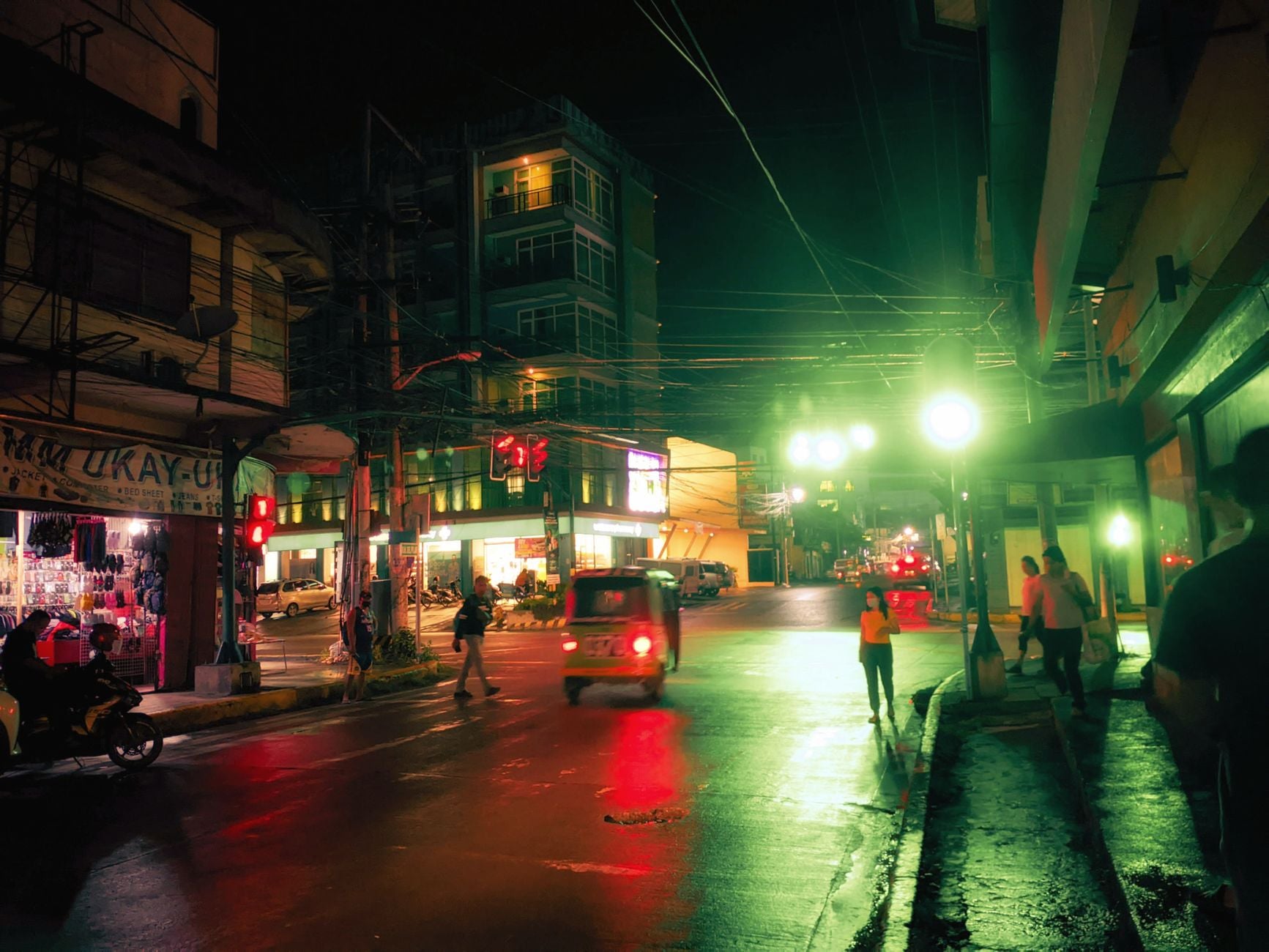
The heart of Cebu's gay nightlife is Mango Avenue (General Maxilom Avenue) and the surrounding Mango Square area, long the city's after-dark centre, with Fuente Osmeña circle just uptown tying the district together. This is where you will find the dedicated gay bars, the most-cited cruising spots and most of the KTV and videoke lounges that dominate local nightlife. The saunas are scattered a little wider — around the Capitol, F. Ramos and the Kasambagan / IT Park edge — but Mango and Fuente are the single best area to base a night around.
Bars and Clubs
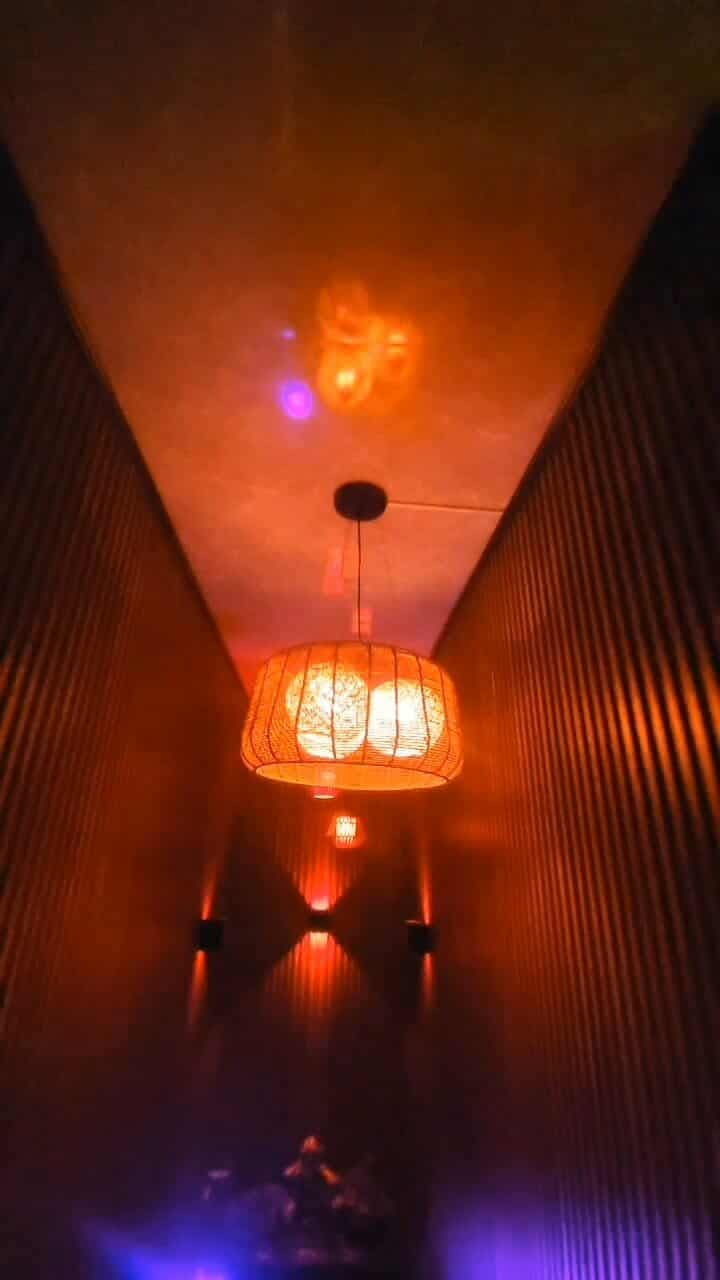
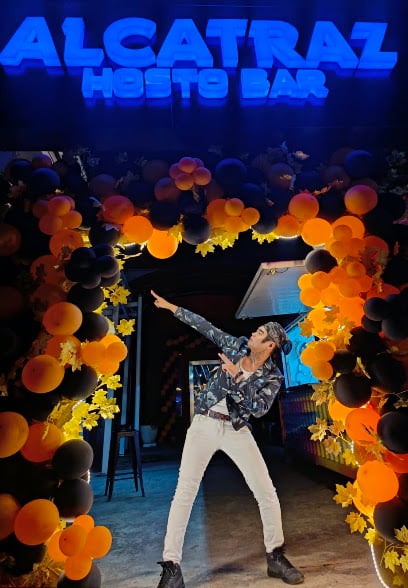
Cebu's standout is Tshupa, the city's leading gay dance club, with weekly party nights — RISKQUE on Fridays and AfterTwerk on Saturdays — plus drag performances and DJs; it is the easiest place to drop into an openly queer night out. Tagay Bar & Kuys Club is the laid-back counterpoint: a friendly, local-leaning gay bar that regularly tops visitor rankings and makes a good first stop over cheap drinks. ALCATRAZ adds a host-bar flavour with karaoke and drag. Beyond these, much of the scene runs on KTV and videoke lounges and themed nights rather than big clubs, so weekends — Thursday through Saturday — are when things really move.
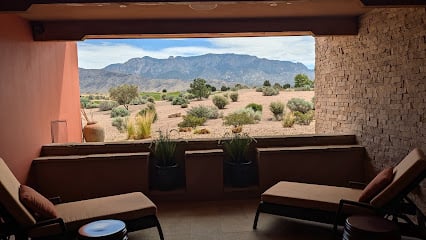
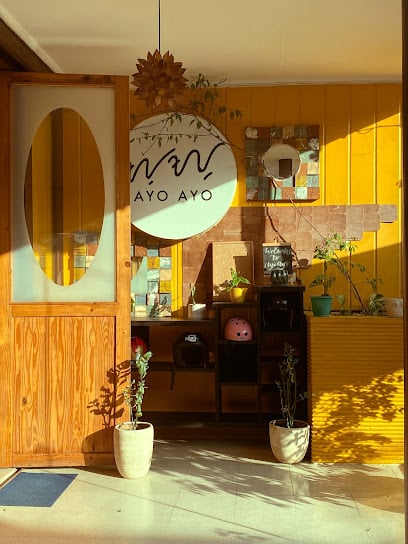
Unusually for a Philippine city outside Manila, Cebu has a real gay sauna cluster. Sandia Spa, on F. Ramos Street, is the flagship; Watermelon Spa sits near the Capitol on N. Escario; Infinity Spa is the more upscale option on the Kasambagan / IT Park side; and AYO AYO rounds out the group. These are among the city's most reliably gay-specific venues and a core part of the local scene.
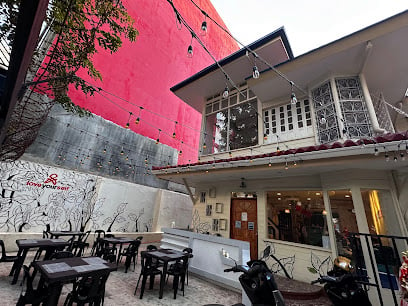
LoveYourself Cebu — known locally as the "White House," open since 2019 — offers free, confidential HIV testing, PrEP and LGBTQ+ health services on N. Bacalso Avenue. HAPI Cebu runs HIV-awareness and anti-stigma outreach, often alongside it. Cebu Pride Movement is the volunteer collective that unites the city's queer groups and organises Pride.
Pride and Events
Cebu Pride is held every June, for Pride Month. Organised by the Cebu Pride Movement, it has grown into the biggest LGBTQ+ Pride in the Visayas, and in 2026 it staged the first Cebu Grand Pride Parade, marching from the Provincial Capitol to Plaza Independencia. Expect a march, a festival, drag performances, the Mr. Gay Sugbo pageant and community events across Pride week. Cebu's drag scene — one of the strongest in the country — is front and centre year-round.
Where to Stay
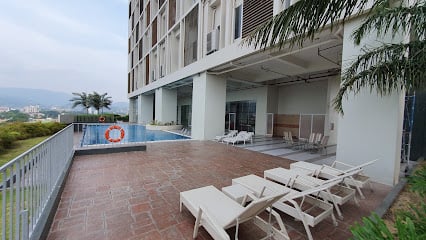
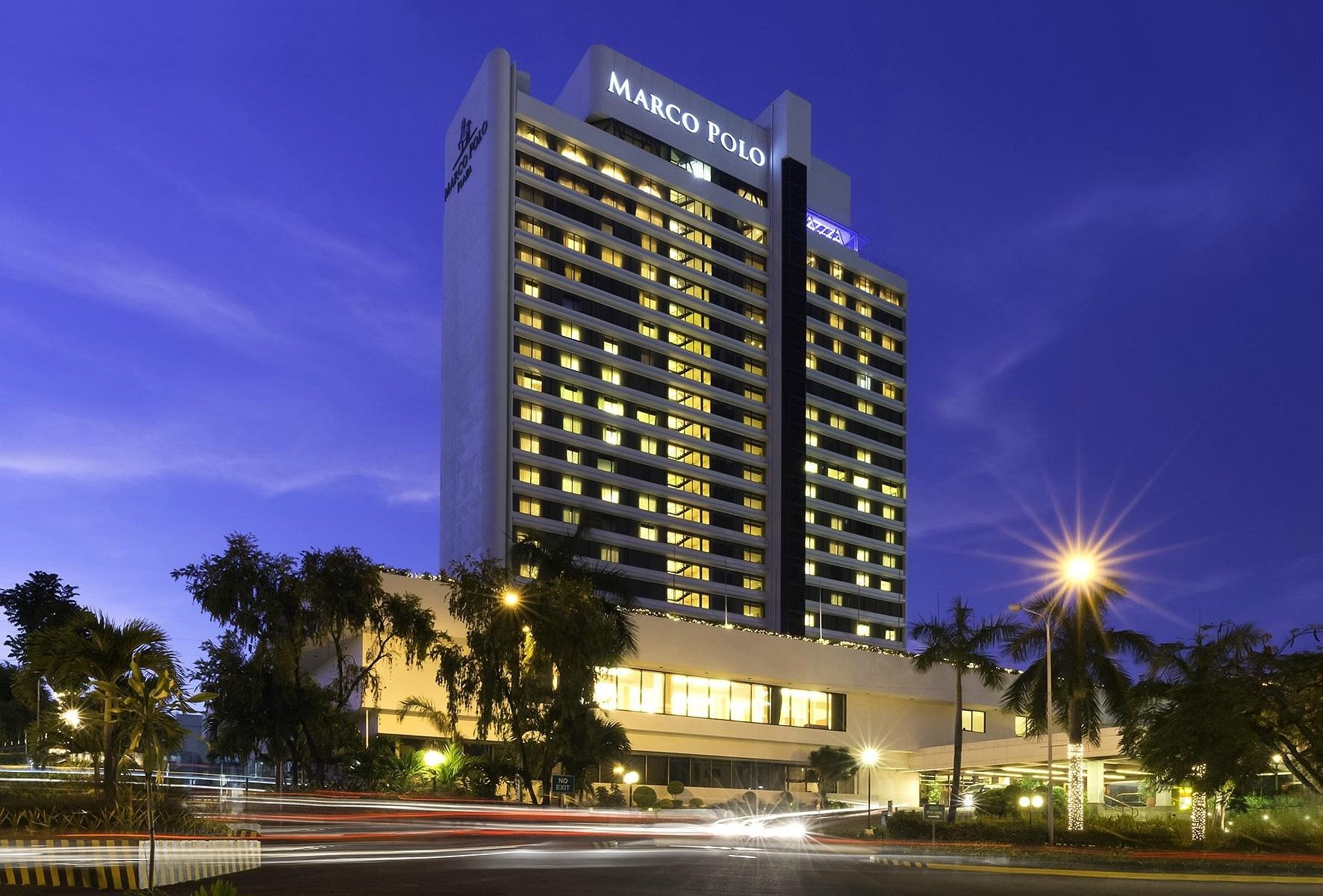
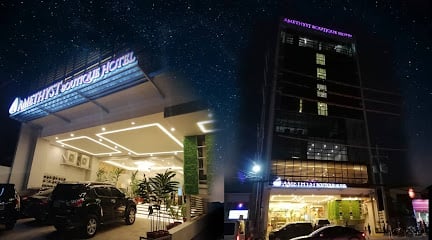
Cebu offers accommodation across every budget, and the most convenient bases for LGBTQ+ nightlife are around Fuente Osmeña, the uptown business districts and Mabolo, all within easy reach of Mango Avenue. Many hotel staff are accustomed to LGBTQ+ guests and handle check-ins without any fuss. Budget travellers can find affordable rooms throughout the downtown core, though some pockets warrant more caution late at night, while mid-range and luxury properties cluster uptown. Booking through established platforms keeps reviews and standards reliable.
Same-sex relationships are legal throughout the Philippines, and Cebu is socially tolerant with a highly visible queer presence. There is no national SOGIE anti-discrimination law yet, and local public-indecency ordinances still apply, so keep displays of affection discreet outside nightlife venues. Beyond that, the usual urban precautions matter more than anything LGBTQ-specific: petty theft and street crime affect all visitors, particularly in parts of downtown after dark, so keep valuables secure and favour well-lit, busy streets. Hospitality staff and the local community are generally supportive and happy to point you to safe areas and current venues.
Transit
Cebu City is easy to navigate. Ride-hailing apps like Grab and metered taxis are the simplest way to move between venues, with reasonable fares. Jeepneys, the iconic shared vehicles, cover most routes cheaply but take some local knowledge, and habal-habal motorcycle taxis are quick for short hops if you are comfortable on two wheels. Most of the gay nightlife around Mango Avenue and Fuente Osmeña is walkable once you are there.
Food and Dining
Cebu's food is a destination in itself and generally affordable. Local specialities include lechon (the city is famous for it), fresh seafood and classic Filipino dishes, and the entertainment districts are full of restaurants and cafés with easygoing, LGBTQ-friendly crowds. Many bars and lounges serve food alongside drinks, international cuisine is easy to find in commercial and hotel areas, and street food is abundant and cheap.
Day Trips and Nearby Attractions
Cebu is a springboard for some of the Philippines' best islands and dive sites. Mactan Island, just across the bridges, has beaches and water sports; Oslob is famous for whale-shark encounters; Moalboal for its sardine run and diving; Kawasan Falls for canyoneering; and Malapascua for thresher-shark dives. These are mainstream-tourism destinations and generally fine for LGBTQ+ travellers, though smaller towns have little in the way of dedicated venues. Plenty of Cebu operators run organised day trips at reasonable prices.
常見問題
Yes. Cebu is known for Filipino hospitality that extends warmly to LGBTQ+ visitors, and it has a visible, tolerated queer scene. The main nightlife area around Mango Avenue (General Maxilom Avenue) and Fuente Osmeña is busy and walkable after dark. As anywhere, the main thing to watch is petty theft late at night, so keep valuables secure and stick to well-lit, busy streets.
Mango Avenue (General Maxilom Avenue) and the surrounding Mango Square area are the historic heart of Cebu's gay nightlife, with Fuente Osmeña circle just uptown. This is where you'll find dedicated gay bars like Tshupa and Tagay Bar & Kuys Club, alongside most of the city's KTV and videoke lounges.
Cebu Pride is held every June, during Pride Month, and is organised by the Cebu Pride Movement. In 2026 it staged the first Cebu Grand Pride Parade, marching from the Provincial Capitol to Plaza Independencia. Exact dates vary from year to year, so check closer to the time.
Cebu mixes a few dedicated gay bars and a dance club — Tshupa, with its RISKQUE and AfterTwerk party nights, and the laid-back Tagay Bar & Kuys Club among them — with a large number of KTV and videoke lounges and a genuine cluster of gay saunas. Drag shows and themed nights are common, and weekends (Thursday to Saturday) are busiest.
There's no dedicated gay hotel district, but many central hotels around Fuente Osmeña and the uptown business areas are used to LGBTQ+ guests and handle check-ins without issue. Staying near Fuente Osmeña puts you within easy reach of the Mango Avenue nightlife.
The Philippines is known for relatively high everyday social acceptance of LGBTQ+ people, especially in cities, and Cebu is no exception — queer Cebuanos are highly visible in nightlife, entertainment and daily life. Same-sex relationships are legal nationwide, though there is no national SOGIE anti-discrimination law yet.



 友善同志酒吧與俱樂部
(2)