Santorini as an LGBTQ+ Destination: A Comprehensive Guide
Santorini, the southernmost island of the Cyclades, has gradually become an attractive destination for LGBTQ+ travelers seeking Mediterranean beauty combined with a welcoming, if modest, gay scene. Unlike the legendary party atmosphere of Mykonos just to the north, Santorini offers a more refined and romantic experience while still providing gay-friendly venues and a summer Pride celebration.
History and Current Scene
Santorini's tourism boom over the past two decades has made the island increasingly cosmopolitan. The LGBTQ+ scene here is relatively young compared to other Greek islands, but it has developed organically as international travelers have discovered the island. The scene remains seasonal and less concentrated than in Athens or Mykonos—visitors won't find the density of gay clubs and bars characteristic of those destinations—but the venues that exist are welcoming and cater to a mix of locals and tourists.
The island's LGBTQ+ community and gay-friendly establishments are spread across several main towns rather than concentrated in a single neighborhood. This dispersal reflects Santorini's geography and tourism patterns.
Key Neighborhoods and Areas
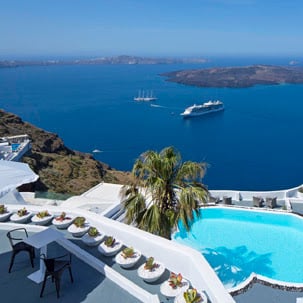
Fira is Santorini's capital and the primary hub for nightlife and gay-friendly venues. Perched dramatically on the caldera's rim, Fira is home to restaurants, bars, and clubs. The town's clifftop location and pedestrian streets create an atmospheric setting for evening exploration. Several bars in Fira's central area welcome LGBTQ+ clientele, though the scene is integrated rather than exclusively gay.
Kamari, located on the eastern coast, offers a different vibe from Fira. This beach town has a more relaxed atmosphere and is popular with couples and those seeking a quieter experience. Kamari has developed its own gay-friendly bars and beach clubs, particularly those with sunset views and DJ entertainment during summer.
Perissa, another eastern coast town, is less touristy than Kamari and caters more to domestic Greek travelers, though it remains welcoming to LGBTQ+ visitors.
Ia (Oia), the famous village known for spectacular sunsets, is more upscale and romance-focused. While not specifically gay-oriented, it's popular with couples and has several excellent restaurants and bars with inclusive atmospheres.
Venues and Nightlife
Santorini's gay-friendly venues tend to be bars and clubs rather than dedicated gay establishments. This integration reflects the island's overall tourism culture. Venues often transition from cafes to bars to clubs as evening progresses, and many change their character seasonally.
In Fira, several bars in the central pedestrian area feature international clientele and welcoming staff. The scene tends to be more mellow than hedonistic—conversation and cocktails are priorities. During summer, some venues host themed nights or DJ events that attract LGBTQ+ crowds.
Kamari's beach clubs sometimes feature gay-themed events or nights, particularly in July and August. Beach culture is central to Santorini summers, and several establishments on Kamari's black sand beach are known for welcoming LGBTQ+ groups.
Saunas
Saunas and bathhouses are not prominent features of Santorini's gay infrastructure, reflecting the island's smaller scene.
Pride and Events
Santorini Pride typically occurs in June, though dates vary by year. The celebration is much smaller and more low-key than Athens Pride or Mykonos' various summer parties, but it includes pride-themed events, parties, and gatherings. Pride here emphasizes community and visibility rather than massive commercial events.
Beyond Pride, summer brings various DJ events, themed parties, and international music festivals that attract LGBTQ+ attendees. Several venues feature regular summer programming with international DJs.
Where to Stay
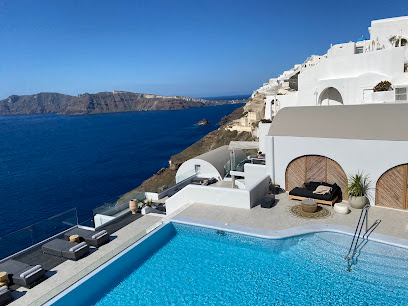
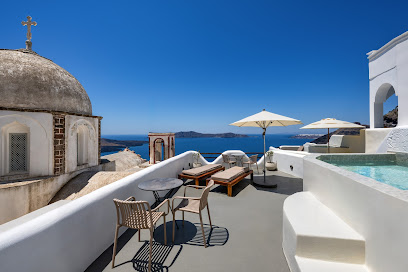
Accommodation options range from luxury clifftop hotels in Oia to budget guesthouses throughout the island. LGBTQ+ travelers should note that many accommodations welcome same-sex couples without issue, though it's advisable to confirm when booking, particularly in smaller properties.
Fira offers the best base for accessing nightlife, with numerous hotels and the widest restaurant and bar selection. Kamari provides a beach-focused alternative with a more relaxed pace. Oia suits those prioritizing romance and sunset views, though it's notably pricier and quieter at night.
Smaller villages like Akrotiri and Pyrgos offer authentic Cycladic experiences but limited gay-specific amenities.
Many LGBTQ+ couples choose Santorini specifically for romantic getaways, and the island's focus on couples' experiences (candlelit dinners, sunset views, wine tastings) aligns well with this demographic.
Greece is generally safe for LGBTQ+ travelers, and Santorini, as a major international tourist destination, is particularly welcoming in developed areas. Tourists of all orientations and gender expressions will find respect in commercial zones.
Discretion remains advisable in smaller villages away from main tourist areas. Public displays of affection are treated similarly for same-sex and opposite-sex couples in tourist areas—accepted but not ubiquitous. Greek culture generally emphasizes politeness and respect for visitors.
The Greek legal framework protects against discrimination based on sexual orientation, and same-sex partnerships are recognized, though marriage equality was only legalized in 2024.
Transportation
Santorini is served by Santorini International Airport (JTR), with connections to Athens, other Greek islands, and European cities. Ferry service connects Santorini to other Cycladic islands and to Crete.
Within the island, public buses connect major towns including Fira, Kamari, Perissa, and Oia. Buses run frequently during summer but less regularly off-season. Taxis and ride-sharing apps operate on the island. Many visitors rent scooters or cars, though the island's narrow, winding roads and steep terrain require caution.
Food and Dining
Santorini's culinary scene is excellent, with numerous restaurants emphasizing local ingredients, fresh seafood, and traditional Cycladic cuisine. Many establishments are welcoming to LGBTQ+ guests, and the island's cosmopolitan tourism has fostered inclusive attitudes.
Fira's central area and waterfront offer the widest selection, from casual tavernas to upscale dining. Kamari's beach tavernas focus on seafood and casual Mediterranean fare. Oia is known for romantic, higher-end dining with caldera views.
Local specialties include fava (yellow split pea dip), saganaki (fried cheese), fresh octopus, and local white wines, particularly Assyrtiko.
Wine tourism is significant on Santorini, with several wineries offering tastings. Many wine bars in Fira and other towns feature local selections.
Day Trips and Attractions
Beyond its gay scene, Santorini offers substantial attractions. The caldera itself is the primary draw—boat tours depart from various ports and visit nearby volcanic islands (Nea Kameni, Palea Kameni) and the hot springs. The caldera views from clifftop villages remain spectacular.
Archaeological sites include Akrotiri, a well-preserved Minoan city buried by volcanic eruption, and the ancient city of Thira. These sites provide cultural enrichment alongside beach and nightlife experiences.
Beaches include Kamari and Perissa (black sand), Amoudi (small, sheltered), and various others. The volcanic black sand and unique landscape distinguish Santorini's beaches from typical Mediterranean beaches.
Wine tours visiting multiple wineries combine cultural and culinary experiences. Several wineries offer sunset views alongside tastings.
Daytrips to nearby islands via ferry are possible—Mykonos is a short ferry ride away for those seeking a more intense gay scene, and smaller islands like Antiparos and Paros offer quieter alternatives.
Practical Tips
Visit during summer (June-September) for the most active scene and warmest weather, with June aligned with Pride events. July and August are peak tourist season, so crowds and prices are highest.
Water sports including diving, snorkeling, and windsurfing are available in Kamari and other areas.
ATMs and currency exchange are readily available in main towns. Credit cards are widely accepted in tourist areas.
Greek is the primary language, though English is widely spoken in tourism areas.
The island's steep terrain and clifftop locations mean significant walking and stairs—comfortable footwear is essential.
Conclusion
Santorini offers LGBTQ+ travelers a Mediterranean destination combining natural beauty, cultural experiences, and a welcoming atmosphere. While its gay scene is smaller than nearby Mykonos, this can be appealing for those seeking sophistication over intensity. The island's focus on romance, fine dining, and scenic beauty aligns well with many LGBTQ+ travelers' priorities, making it an excellent choice for couples or those seeking a more refined Greek island experience.


 友善同志友善飯店
(144)