Skórka: An LGBTQ+ Guide to a Quiet Village in Central Poland
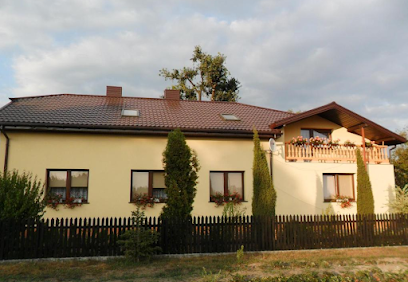
Skórka is a small village in the gmina (municipality) of Parzęczew, in Zgierz County, in the Łódź Voivodeship of central Poland. With a population of only around 120 people recorded in the 2021 national census, it is a genuinely rural settlement — farmland, family homes and quiet lanes rather than bars, hotels or nightlife. For LGBTQ+ travellers, honesty matters more than marketing here: Skórka has no gay venues, no queer community infrastructure and no Pride events of its own, and it never has. What it offers is a calm countryside stopover within easy reach of Łódź, the large city that anchors this part of Poland.
Where Skórka actually is
It is worth being precise, because Poland has more than one village called Skórka. This one lies in the Łódź Voivodeship, roughly 25 kilometres northwest of the city of Łódź and a similar distance from the smaller towns of Ozorków, Zgierz and Aleksandrów Łódzki. A larger and better-known Skórka exists far to the northwest, in the Greater Poland Voivodeship near Krajenka — that is a different place entirely. The Łódź-region Skórka shares the postal code 95-045 with its neighbouring Parzęczew villages and sits in flat, agricultural countryside typical of central Poland.
What to expect on the ground
There is no LGBTQ+ scene in Skórka, and travellers should not expect one. There are no gay or lesbian bars, no clubs, no saunas and no dedicated meeting spaces. Everyday life revolves around farming and the small services of the surrounding gmina. Like much of rural Poland, the social atmosphere is traditional and Catholic, and open displays of same-sex affection are uncommon in public. This does not make the area hostile — central Poland is noticeably more moderate than the country's conservative southeast — but discretion is sensible in a village where more or less everyone knows everyone.
The nearest real scene: Łódź
For anything resembling gay nightlife, community life or Pride, the answer is Łódź. Poland's third-largest city is about a 30 to 40 minute drive southeast, and it is reachable by regional bus and train through Zgierz and Ozorków. Łódź has a small but real and growing LGBTQ+ presence, built around venues and organisations rather than a single "gay district". The city's community organisation Fabryka Równości has been a fixture of local queer life for years, and Łódź holds its own Marsz Równości (Equality March) each spring — in 2026 the march took place in May, setting off from the historic Stary Rynek (Old Market Square). Łódź's long Piotrkowska Street is the main artery for the city's bars, cafés and going-out culture, and it is where most visitors base an evening.
If you are willing to travel a little further, Warsaw — about two hours east by train — has by far the largest LGBTQ+ scene in the country, with established bars, clubs and saunas and the Warsaw Equality Parade in June, the biggest Pride in Central Europe. Kraków, roughly three hours south, is the other major option, with its bohemian Kazimierz district and its own Equality March.
Where to stay
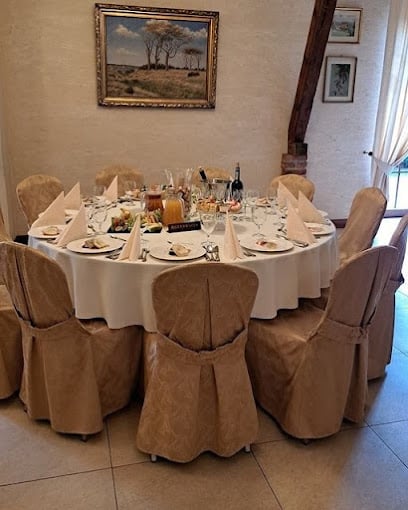
Skórka itself has no hotels, but the surrounding Zgierz County and the road corridor towards Łódź offer a handful of practical country hotels, guesthouses and restaurant-with-rooms options within about a 15 to 20 kilometre radius — the sort of places used by travellers passing through central Poland rather than by tourists specifically. None market themselves as gay-specific, which is normal for rural Poland; hospitality in this region is generally straightforward and businesslike, and same-sex couples booking a double room should not expect any difficulty. The nearest options are collected on this page.
Same-sex sexual activity has been legal in Poland since 1932, and as an EU member the country is bound by EU anti-discrimination rules in employment. Poland still has no civil-partnership or marriage law of its own — a 2025 civil-partnership bill was vetoed by the president in July 2026 — although, following a 2025 Court of Justice of the European Union ruling, Poland's top administrative court confirmed in March 2026 that same-sex marriages lawfully concluded in other EU states must be recognised. The last of the symbolic "LGBT-free zone" resolutions was abolished in April 2025, and legal gender recognition was simplified the same year.
In day-to-day terms, big cities like Warsaw, Kraków and Łódź are open and welcoming, while rural areas — including small villages such as Skórka — remain socially conservative and call for the ordinary discretion any traveller would use in a close-knit countryside community. Dating and hook-up apps such as Grindr and Scruff work normally throughout Poland, though in a village this size the nearest active users will usually be in or around Łódź.
Practical tips
- Base yourself in Łódź if you want any nightlife; treat Skórka as a quiet rural stop.
- A car makes the region far easier to explore; public transport exists but is infrequent in the villages.
- Poland uses the złoty (PLN); central Poland remains affordable by Western European standards.
- English is widely understood among younger people in Łódź, less so in the villages.
- Time your visit for May if you want to pair the countryside with Łódź's Equality March.
In short, Skórka is a place to pass through or unwind in, not a gay destination in its own right — and the real LGBTQ+ Poland is a short journey away in Łódź and, beyond it, in Warsaw and Kraków.


 友善同志友善飯店
(1168)