No domestic civil partnership or marriage law — the 2025 bill was vetoed by President Nawrocki in July 2026 — but same-sex marriages concluded in other EU states are recognized (CJEU 2025, confirmed by Poland's top administrative court March 2026). All "LGBT-free zones" were abolished by April 2025, and legal gender recognition was simplified in March 2025. Warsaw and other big cities are open and welcoming; rural areas are more conservative.
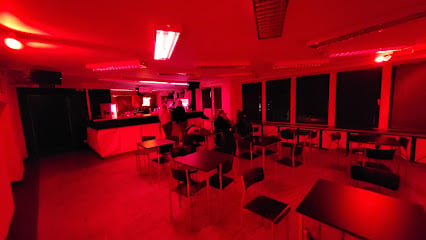
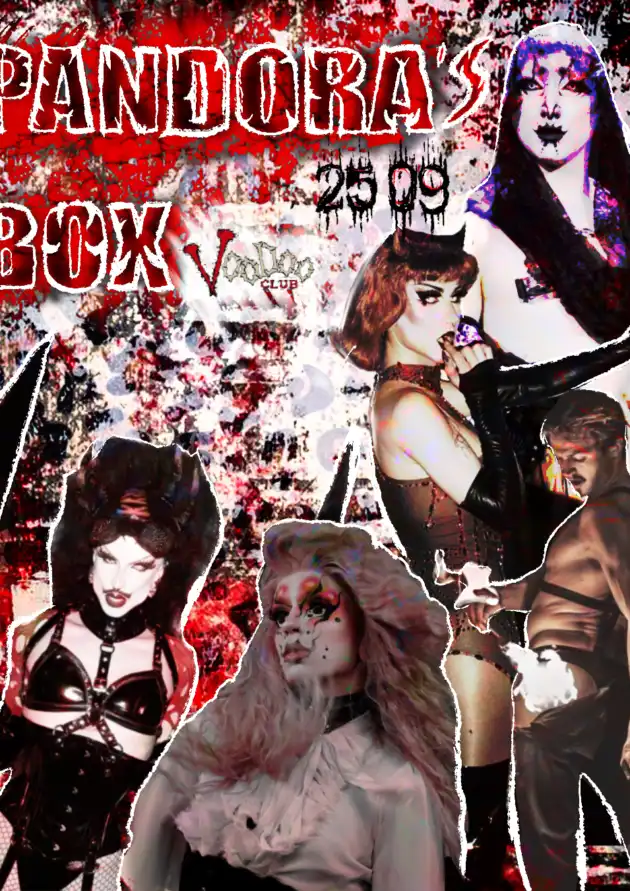
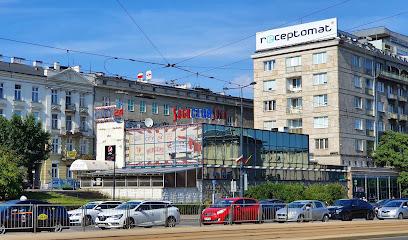
Warsaw's infamous afterhours club on Mazowiecka - heavy techno across multiple floors, drag appearances, famously friendly staff and doors that stay open long after everywhere else has closed.
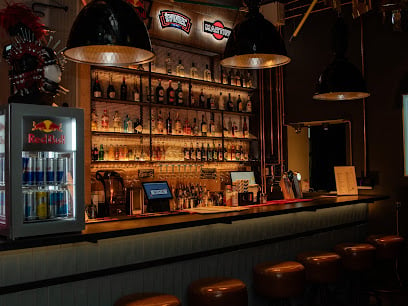
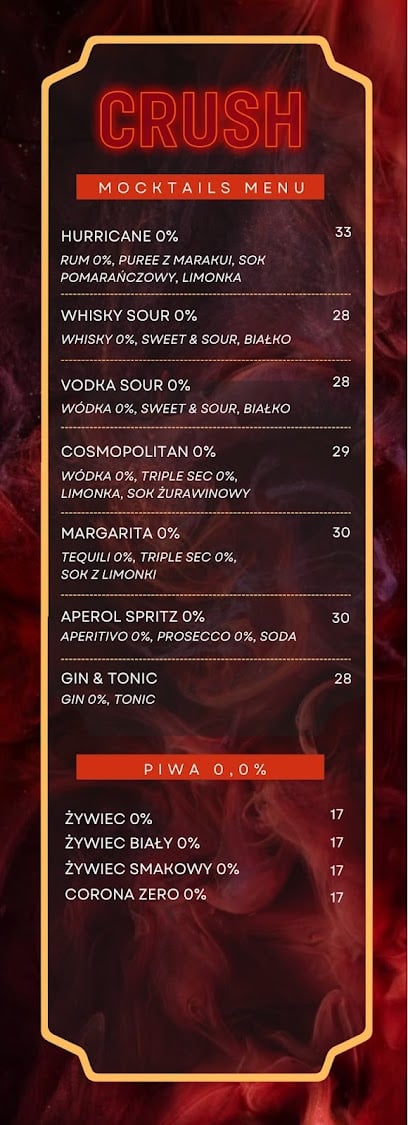
Gay club in the basement of Hala Mirowska - formerly known as Galeria Club, reborn as Crush with karaoke nights, drag shows and weekly queer parties under the historic market hall.
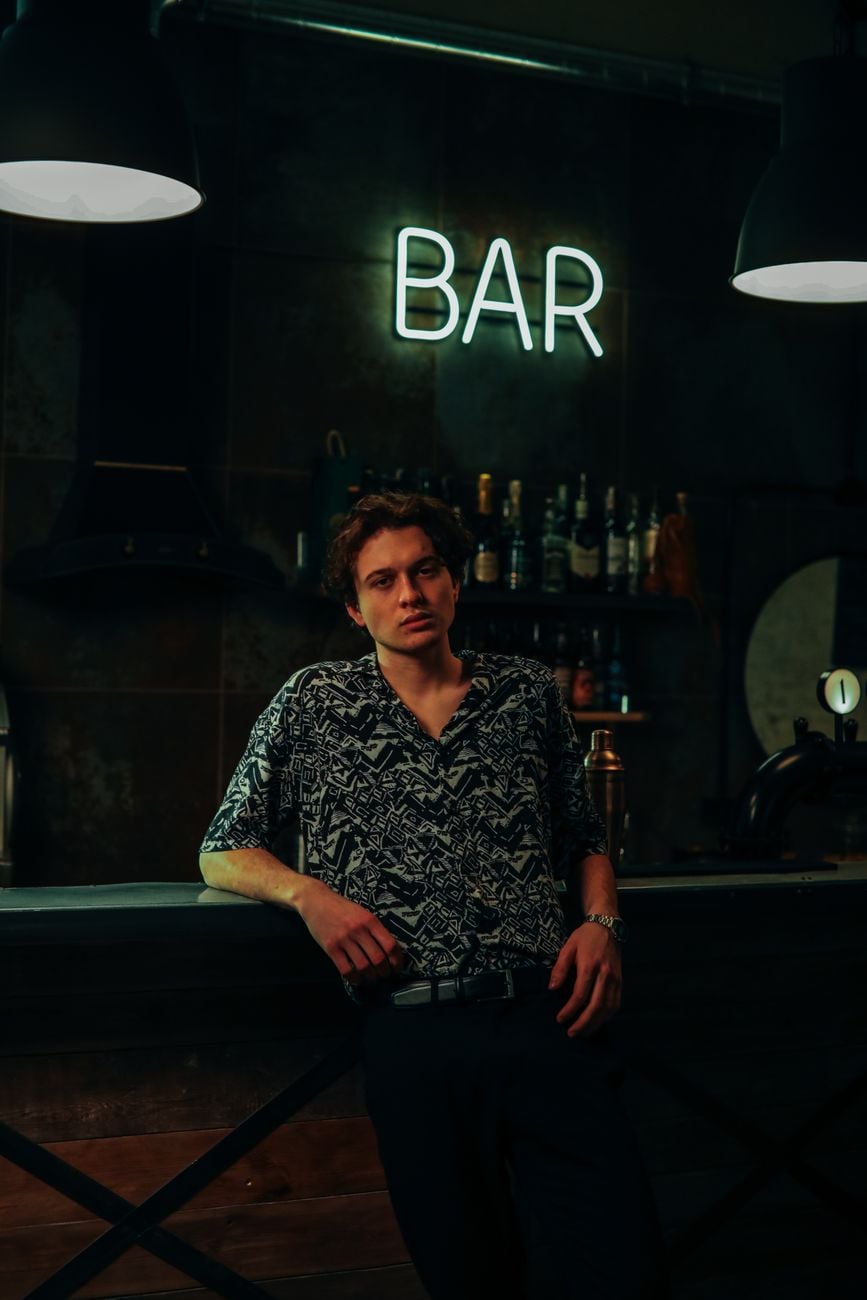
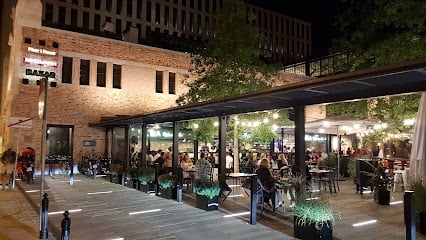
Three floors of queer space on Mazowiecka - restaurant and cocktail bar by day, and one of Warsaw's busiest LGBTQ+ clubs by night, with drag, ballroom, burlesque and karaoke on the calendar.
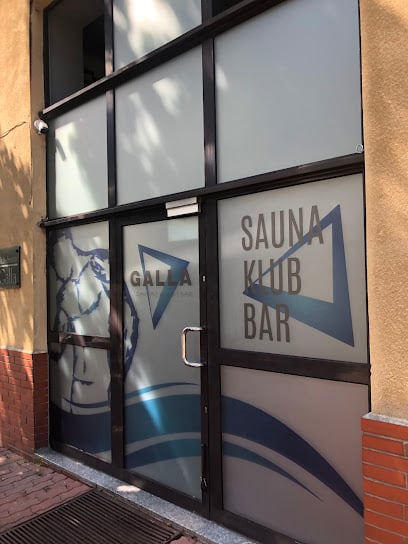
Warsaw's longest-established gay sauna - three floors on Ptasia street with dry and steam saunas, a TV room and weekend aromatic sessions, and a loyal local clientele.
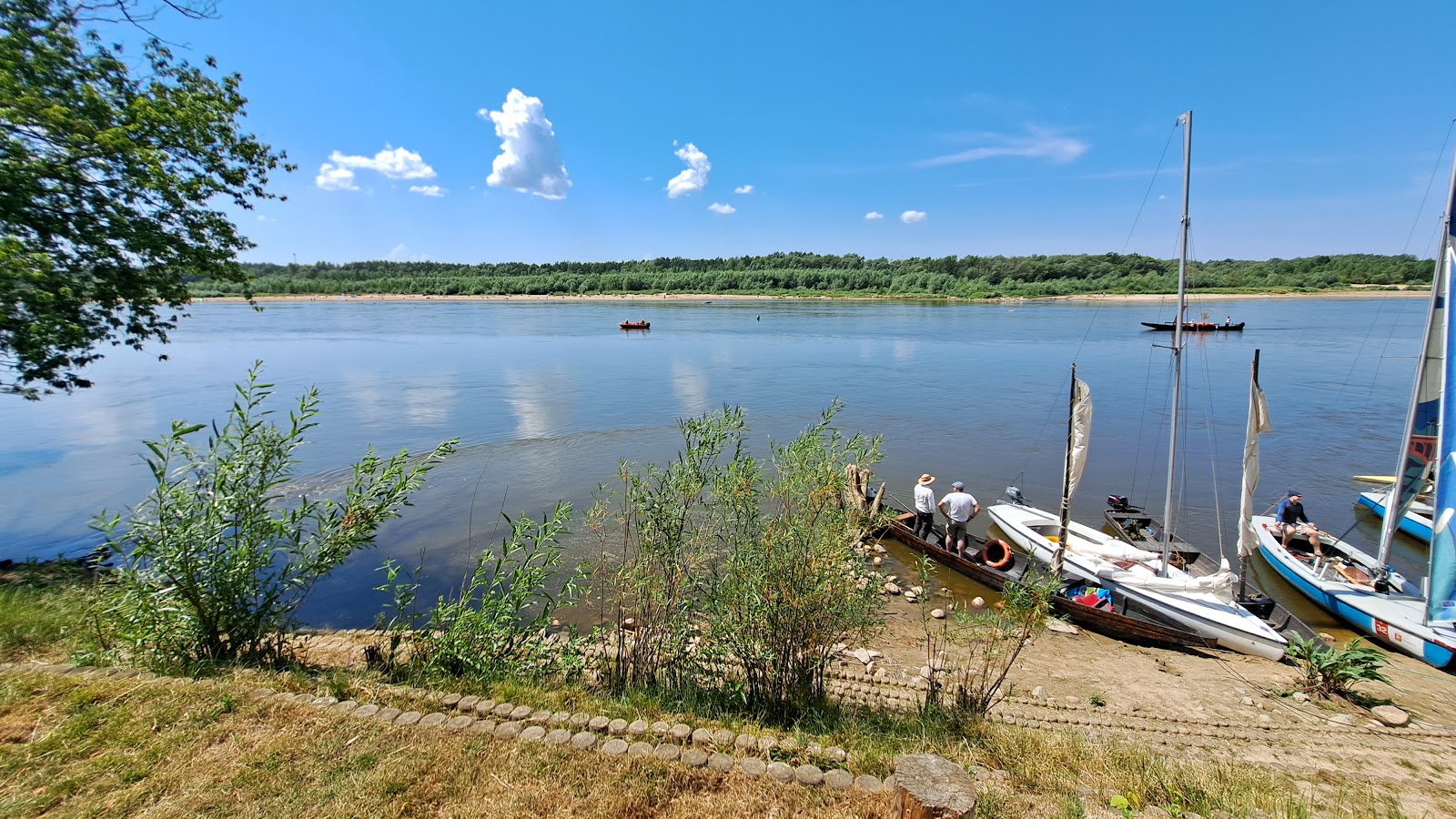
Wild Vistula river beach in Wawer, about 10km south of the centre, with a long-standing informal gay section that gets busy on summer weekends. Reachable by a 40-minute riverside bike ride.
Poland's oldest LGBTQ+ organisation, founded in 1990 - support helpline, counselling, community groups and the institutional memory of the Polish queer movement, based on Żurawia in central Warsaw.
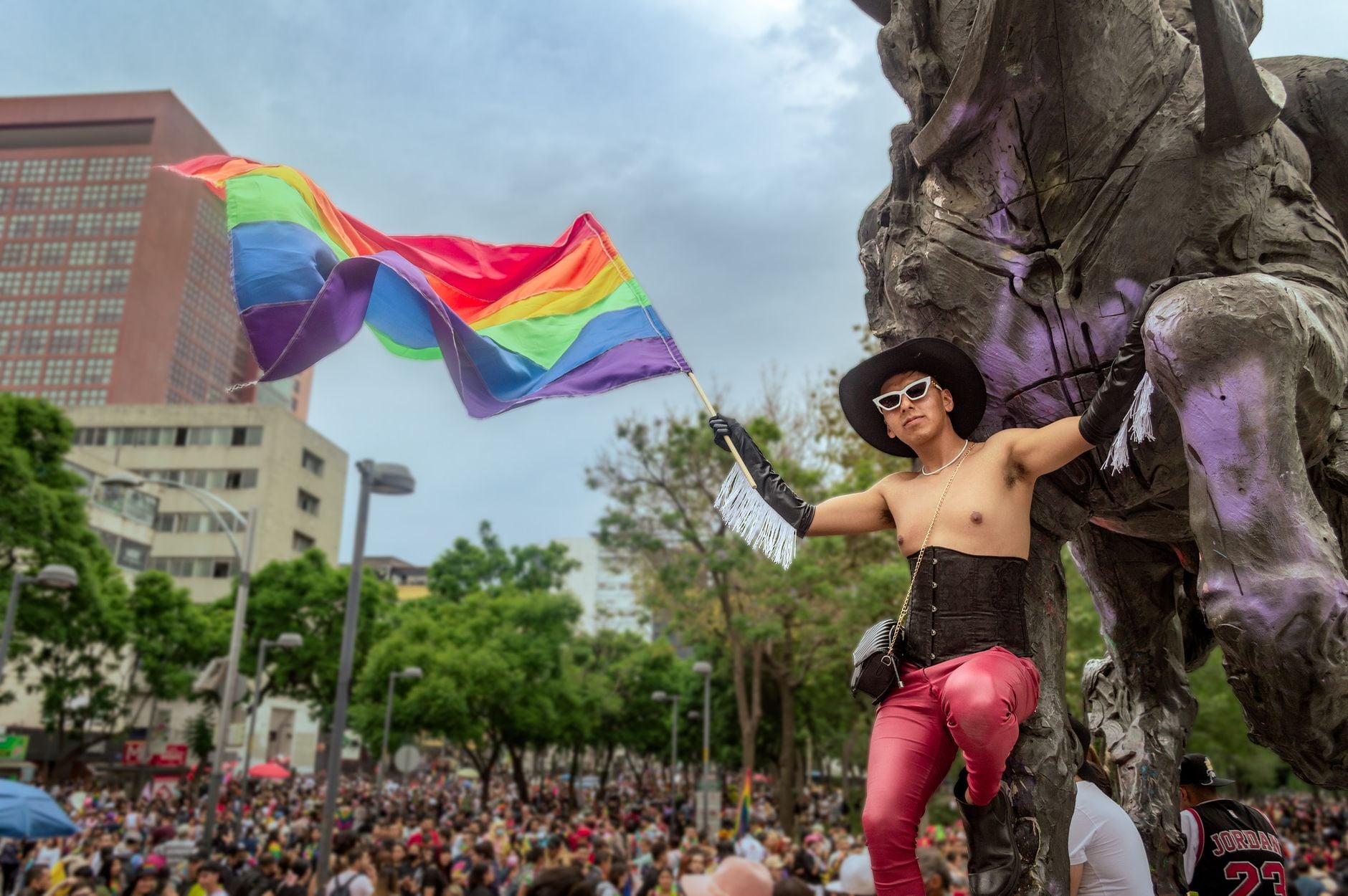
Warsaw's contemporary LGBTQ+ scene began to take shape after Poland's 1989 transition from communism. While homosexuality was legal before this period, it carried significant social stigma, and public expression was highly restricted. The 1990s saw the gradual emergence of underground gay venues, primarily in the city center. By the early 2000s, Warsaw had become Poland's primary LGBTQ+ hub. The first Equality Parade, a small and heavily policed gathering, took place in 2001. Today, the parade draws over 200,000 participants annually, marking it as one of Central Europe's most significant Pride celebrations.
The broader Polish context presents complexities. While Warsaw maintains a progressive urban environment, national policies have, in recent years, become less supportive of LGBTQ+ rights. Nevertheless, Warsaw itself remains a welcoming destination for LGBTQ+ travelers, with an active community and a generally tolerant atmosphere in the city center and its more gay-friendly neighborhoods.
Neighborhoods and Geography
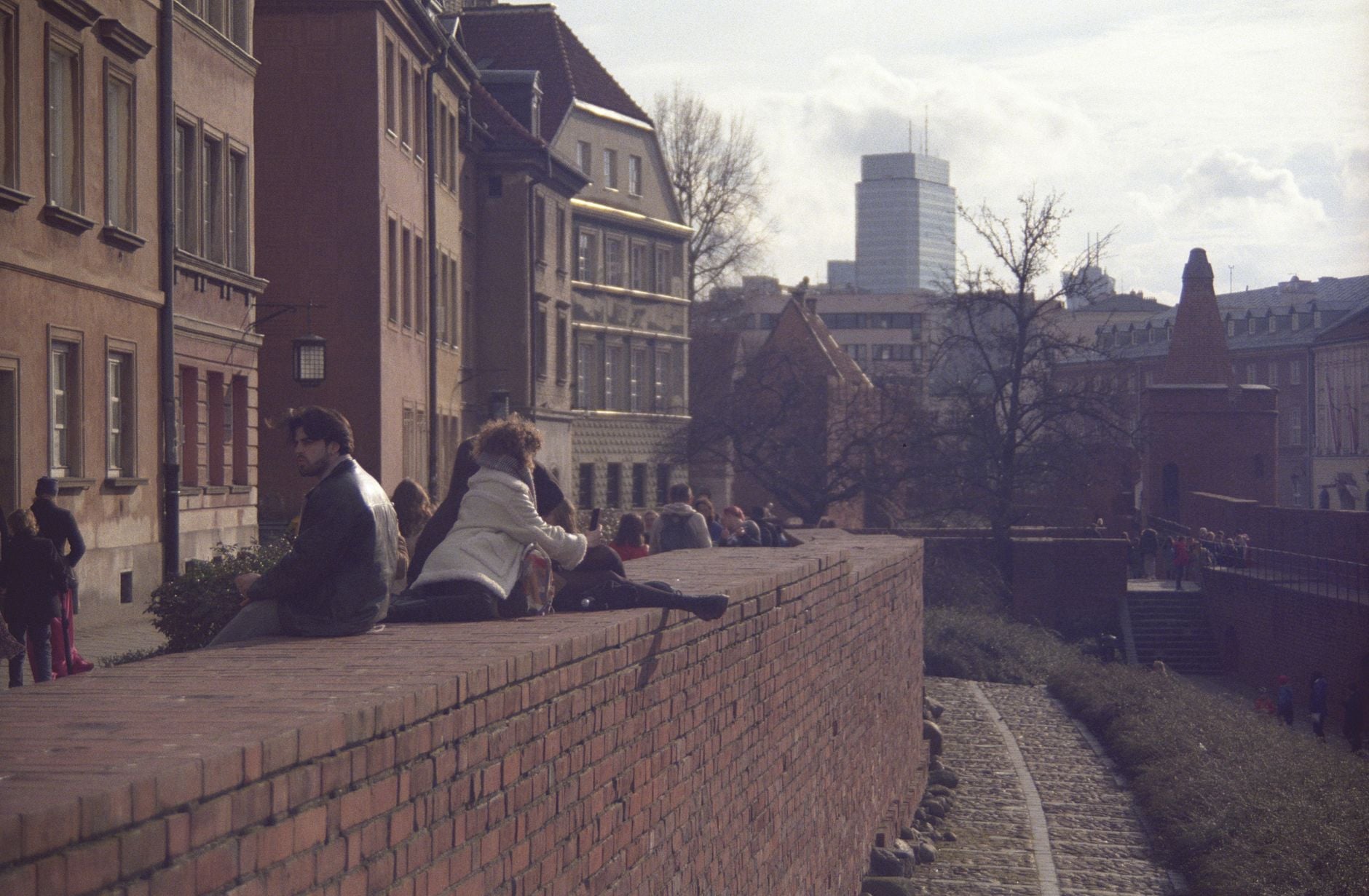
Śródmieście, the city center, is the focal point of Warsaw's LGBTQ+ scene. This area houses most gay bars, clubs, and restaurants, alongside the Old Town and major cultural institutions. It is highly walkable and well-connected by public transport. Hotels, restaurants, and venues are concentrated around ul. Pulawska, ul. Marszałkowska, and the surrounding streets.
Wawer, located southeast of the city center, has historically been home to some established gay venues. While the scene has largely shifted towards the center in recent years, Wawer remains accessible by metro and tram.
Key Gay Venues
Warsaw's gay venue landscape evolves, but several establishments have maintained a presence:
Le Madame is one of Warsaw's longest-running gay bars in the city center, known for its mixed crowd.
Tazz is a popular gay club and bar in Śródmieście, featuring regular dance nights and DJs, often attracting a younger clientele.
Beyond dedicated gay venues, many bars and clubs in the city center cater to a diverse clientele.
Saunas
Saunas: Several gay saunas operate in Warsaw, primarily in the city center. Current information on operating venues, hours, and facilities can be found through online searches and gay travel apps.
The Warszawa Equality Parade takes place annually in June, typically on the second Saturday of the month. The parade begins in the city center and proceeds through downtown streets to a main stage and festival area. The event attracts international participants, with festivities often continuing through the weekend. Hotels in the city center book up months in advance during this period.
Warsaw also hosts occasional circuit parties and themed events, though these are less frequent than in larger Western European cities. Pride weekend represents the city's major annual LGBTQ+ tourism event.
Where to Stay
Śródmieście offers the most convenient location for LGBTQ+ travelers, placing visitors within walking distance of venues, restaurants, and attractions. Mid-range and luxury hotels are abundant in this area.
Stare Miasto (Old Town) provides heritage accommodation and is adjacent to the gay scene in Śródmieście, though hotels here can be pricier.
Praga, east of the Vistula River, has developed as an alternative neighborhood with an artsy appeal, galleries, and restaurants. It offers a more local feel and sometimes better value, though it has fewer dedicated gay venues.
Most central hotels are welcoming to same-sex couples.
Warsaw's city center is generally safe for LGBTQ+ travelers, with a visible police presence and well-lit areas. Standard urban safety precautions are advised. While Warsaw is progressive, overt public displays of affection might attract attention in less central areas.
Public transport is efficient, with an integrated metro, tram, and bus system. The city center is best explored on foot. Taxis and ride-sharing apps are reliable and affordable.
Food and Dining
Warsaw offers a wide range of dining options. Restaurants serving traditional Polish comfort food are available at minimal cost. The city also features numerous farm-to-table restaurants, international cuisine, and contemporary Polish fine dining.
In the Śródmieście area and surrounding neighborhoods, many restaurants are welcoming to same-sex couples.
Language and Communication
English is widely spoken among younger Varsovians and in tourist areas. Many gay venues and hotels have English-speaking staff.
Getting Around
Warsaw Central Station (Warszawa Centralna) is the main transit hub for trains and connects to the metro system. The metro is clean, modern, and easy to navigate. Day passes and multi-day tickets offer unlimited access to all public transport.
The city center is best explored on foot, with most gay venues in Śródmieście within a 15-20 minute walk of each other.
Day Trips and Surrounding Areas
Kazimierz Dolny: A charming riverside town approximately 1.5 hours north, known for its bohemian atmosphere, galleries, and cafes. Accessible by bus or train.
Treblinka Memorial: A somber but historically significant site approximately 1 hour north, accessible via public transport or organized tours.
Łazienki Park: Within Warsaw, this expansive palace and park complex offers museums, nature, and cultural institutions.
Museums and Cultural Attractions
The Warsaw Uprising Museum documents Poland's WWII resistance. The POLIN Museum explores Polish Jewish history. The National Museum holds extensive art collections. The Palace of Culture and Science offers city views and cultural programming.
Best Times to Visit
June is ideal for Pride, though accommodation becomes scarce. Summer (June-August) offers warm weather and outdoor activities. May and September provide pleasant weather with fewer crowds. Winter months are cold but have fewer tourists and lower prices.
Practical Tips
The Polish currency is the zloty (PLN). ATMs are abundant, and most establishments accept card payments. Tipping is not obligatory, but rounding up or leaving 10% for good service is appreciated.
Days of operation for bars and clubs vary. Checking websites or calling ahead is recommended. Many venues open later in the evening.
Pride & Events
Pride weekend accommodation and dining reservations should be made months in advance. Flight and hotel prices increase substantially during this period.
Frequently asked questions
Warsaw itself is considered very welcoming and safe for LGBTQ+ travelers due to its progressive city government and cosmopolitan population. However, it's important to be aware of the broader conservative context in Poland.
Śródmieście (Central Warsaw) is the heart of the gay scene, containing most gay venues and cultural attractions. The area around Plac Zbawiciela is particularly known as a gay-friendly neighborhood. Praga is also increasingly popular with LGBTQ+ visitors for its trendy, bohemian atmosphere.
Warsaw's gay bar and club scene is concentrated in Śródmieście, the city center. Venues range from casual drinking spots to energetic dance clubs, and are generally found in walkable areas.
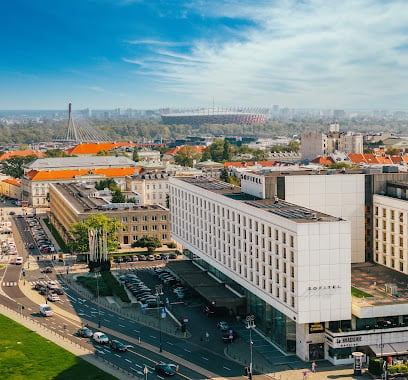
Warsaw has no exclusively LGBTQ+ hotels, but central hotels are reliably welcoming. Staying in Śródmieście — the district that holds the gay scene around Plac Zbawiciela — puts you within walking distance of the bars and clubs, and international chains like the InterContinental are fully LGBTQ+-friendly.
Warsaw Pride — the Equality Parade (Parada Równości) — takes place every year in mid-June, drawing tens of thousands of participants through the city center. It is the largest Pride event in Central Europe, and the weeks around it fill the city with parties and cultural events.
Warsaw hosts a confident and visible LGBTQ+ community, particularly among younger residents and in the city center. The scene has become increasingly organized and visible since the 2010s.
Your privacy choices.
We use cookies to run GayOut and, with your consent, measure usage. Learn more
Your privacy choices
We use cookies to keep GayOut running, remember your preferences, and (with your permission) measure how the site is used. You can accept all, reject all, or pick what you allow. Learn more
Essential
Required for sign-in, fraud prevention, CSRF protection and remembering your language. Cannot be disabled.
Always on
Remembers your favourites, dark mode and other interface preferences across visits.
Helps us understand which pages people visit (Google Analytics, server-side stats) so we can improve.
Used by campaign tracking pixels. None are active right now, reserved for future use.
Install GayOut
Add GayOut to your home screen for faster access, offline favourites, and Pride alerts.




 Gay Bars & Clubs
Featured
(1361)
Gay Bars & Clubs
Featured
(1361)