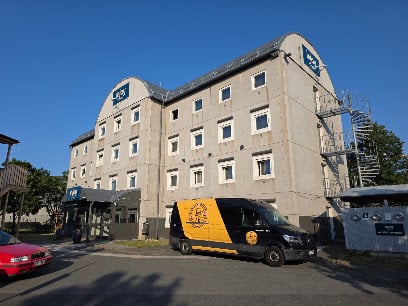
Jönköping is a city that embodies Swedish progressive values without the intensity of Stockholm's international gay scene. Located in the province of Småland in southern Sweden, approximately 330 kilometers southwest of Stockholm and 130 kilometers east of Gothenburg, Jönköping serves as a regional administrative and cultural center. The city is particularly known for its position on Lake Vättern, Sweden's second-largest lake, which defines much of its character and recreational opportunities.
LGBTQ+ History and Context
Sweden has been at the forefront of LGBTQ+ rights globally for decades. Same-sex partnerships were first legally recognized in 1995 through registered partnerships, and Sweden achieved full marriage equality in 2009. The country also leads in transgender rights, with streamlined legal recognition processes and comprehensive healthcare protections. This legal backdrop means that LGBTQ+ travelers to Jönköping benefit from strong institutional protections and a society that has normalized same-sex relationships for generations.
In Jönköping specifically, the LGBTQ+ community is woven into the broader fabric of city life rather than existing in a segregated district. This reflects a broader Scandinavian approach where LGBTQ+ acceptance is so normalized that dedicated "gay neighborhoods" in the American or European sense are less common. The city's relatively small size means the community is tightly knit, with locals often knowing each other through networks rather than through concentrated commercial venues.
Neighborhoods and Layout
Jönköping's city center is relatively compact and centered around Stora Torget (the main square) and the surrounding pedestrian streets. The city is easily navigable on foot, with most amenities within a 15-20 minute walk of the center. The lakefront area offers recreational opportunities, parks, and scenic walks that are enjoyed by residents of all orientations. The railway station is centrally located, making arrival and departure convenient.
The city does not have traditional gay neighborhoods; instead, LGBTQ+ friendly venues and spaces are scattered throughout the city center. This integration is actually a reflection of social progress—there is no need for LGBTQ+ people to cluster in specific areas for safety or community, as acceptance is widespread.
Venues and Nightlife
Jönköping's nightlife scene is modest compared to larger Swedish cities, which suits visitors seeking a relaxed rather than high-energy experience. The heart of queer social life here is RFSL Jönköping, the local branch of Sweden's LGBTQ+ rights federation, active since 1981. Its premises at Norra Strandgatan 42 host Club 42, a members' club night that is the city's one genuinely queer night out — relaxed social evenings, café nights and the occasional themed or drag party rather than a full commercial club. Beyond that, the mainstream bars and restaurants around the compact city centre are openly welcoming, as you would expect anywhere in Sweden.
For current opening nights and events, the best source is RFSL Jönköping (jonkoping.rfsl.se) and its social channels, which list club nights, study circles and community gatherings.
Events and Pride
Jönköping hosts its own Pride week each August, organised by the non-profit Jönköping Qom Ut together with the municipality, RFSL Jönköping and partners such as Kulturhuset Spira, Jönköping University and Svenska kyrkan. In 2026 the Pride week ran 17–23 August, with the opening at Kulturhuset Spira and the parade on Saturday 22 August; dates shift a little year to year, so confirm the current edition before you travel. It is a smaller, community-driven festival rather than a big commercial event — expect lectures, café evenings, a church service, cultural programming and a friendly neighbourhood parade. Travellers who want a larger Pride can reach Gothenburg's in about two and a half hours by train.
Where to Stay
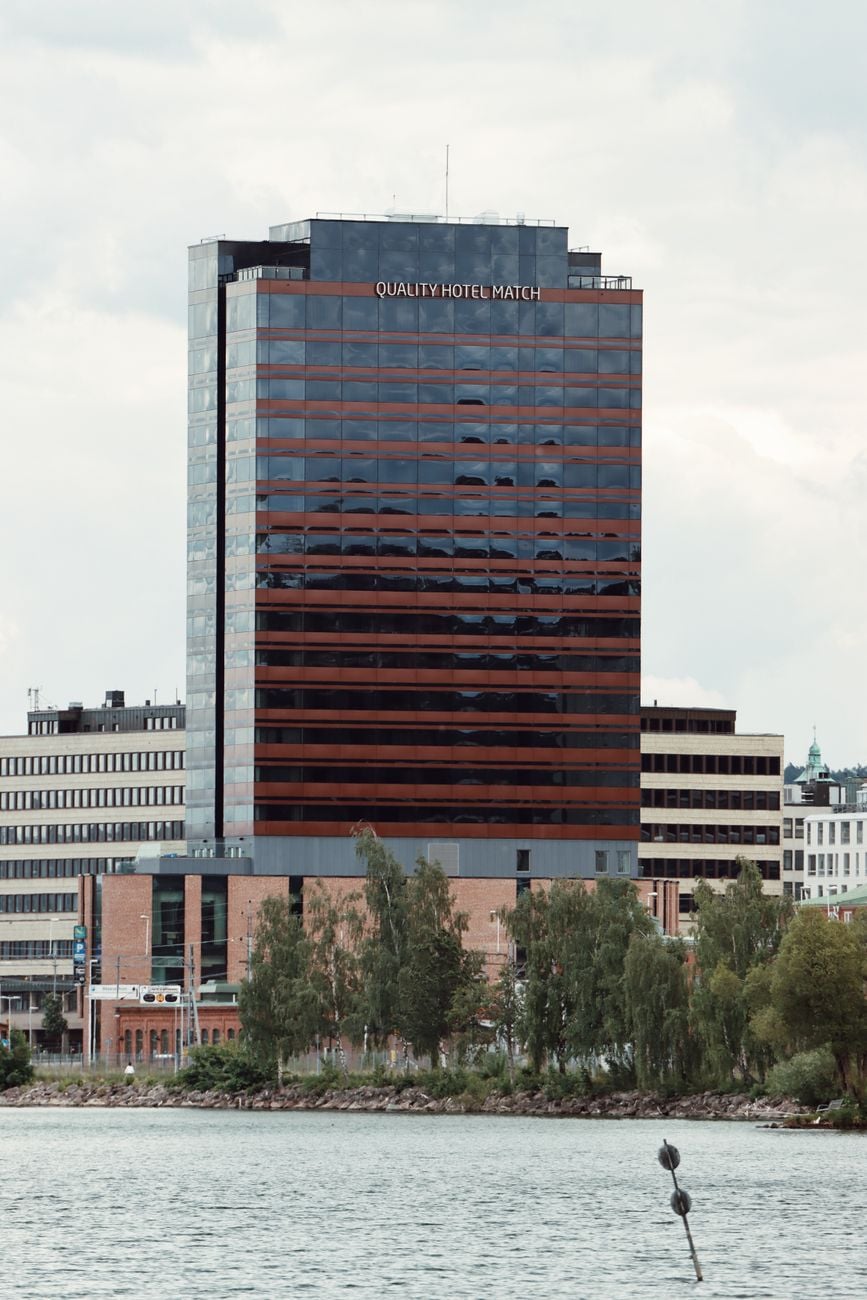
Jönköping offers a range of accommodation options from budget hostels to mid-range hotels and upscale options. Hotels in the city center are convenient for accessing restaurants, cafes, and attractions. Many international hotel chains are represented, including Swedish favorites. All accommodation in Sweden is bound by strong anti-discrimination laws, so LGBTQ+ travelers will find themselves welcome at any establishment. Some visitors may prefer independent or smaller boutique hotels for a more personalized experience.
The lakefront area also offers residential options and vacation rentals, which can provide a quieter base for exploring the surrounding region.
Sweden is exceptionally safe for LGBTQ+ travelers. The country consistently ranks among the world's safest for LGBTQ+ people, with strong legal protections, low crime rates, and widespread social acceptance. Same-sex couples can walk freely through the city without concern. Public displays of affection by same-sex couples are normal and unremarkable.
Transgender and non-binary travelers will find Sweden's legal framework among the most progressive globally, with legal recognition processes that are straightforward and affirmative healthcare available through the national health service.
Visitors should note standard travel precautions—keep valuables secure, be aware of surroundings at night—but these apply equally to all travelers regardless of orientation.
Getting Around
Jönköping is well-served by Swedish public transportation. The city has a local bus network (Jönköpings Länstrafik) that is affordable and reliable. The central railway station connects to major Swedish cities; trains to Stockholm, Gothenburg, and Malmö run regularly throughout the day. The journey to Stockholm takes approximately 3-4 hours, and to Gothenburg about 2.5 hours.
Bikes are popular in Jönköping as in most Swedish cities, and bike rental is available for those interested in cycling around the city and lakeside areas.
Food and Drink
Jönköping's food scene reflects broader Swedish cuisine and contemporary Scandinavian dining trends. The city center has restaurants ranging from casual to fine dining, cafes, and international cuisine options. Traditional Swedish dishes like gravlax, meatballs, and herring remain popular, alongside modern Nordic cooking that emphasizes local, seasonal ingredients. Vegetarian and vegan options are readily available, reflecting Swedish dietary diversity.
Swedish coffee culture is strong; cafes are excellent places to spend time working, reading, or socializing. The city's lakeside location means fresh fish and seafood feature prominently in many restaurants.
Day Trips and Nearby Attractions
Jönköping's location makes it an excellent base for exploring the Småland region. Lake Vättern itself offers opportunities for boat trips, swimming (in summer), and lakeside walks. The Visingsö island, accessible by ferry from nearby towns, offers historical sites and scenic landscapes.
The region is known for its forests, traditional red wooden houses, and craft heritage. The town of Växjö, about 80 kilometers south, offers glass-making heritage and a slightly larger cultural scene. Gothenburg, about 130 kilometers west, offers a more extensive LGBTQ+ scene if visitors are interested in a day or overnight trip to a larger city.
Planning Your Visit
Jönköping works best as part of a broader Swedish itinerary. Visitors might combine a few days here with time in Stockholm, Gothenburg, or surrounding regions. Summer (June-August) offers the best weather, with long daylight hours and outdoor activities on the lake. Winter visits offer a more atmospheric experience with potential for snow and winter activities, though days are shorter.
The city's quiet, integrated approach to LGBTQ+ life means visitors should arrive without expectations of a concentrated "gay scene" and instead embrace what Jönköping offers: a safe, welcoming Swedish city where LGBTQ+ people and visitors are simply part of normal community life. This normalization of queerness is, in many ways, the highest form of acceptance.



 友善同志友善飯店
(520)