Marriage equality since 2009. First country in the world to allow legal gender change (1972); medical sterilisation requirement removed in 2013. Consistently one of the most progressive countries for LGBTQ+ rights.
Hotel Skeppsholmen is located in Stockholm and offers outdoor tennis courts and free Wi-Fi. It is ideally positioned for those wanting to discover the area's attractions.
Situated in Stockholm, Clarion Hotel Stockholm provides unique 4-star accommodation, as well as a sauna, a Finnish sauna and an indoor/outdoor connecting pool.
Radisson Blu Waterfront Hotel is located amongst Stockholm's popular shopping district, just a short walk from Cityterminalen Central Bus Station. It features panoramic city views and 4-star rooms.
Posithiva group has different types of projects and support activities for those living with HIV, but also activities directed outward in the form of, for example, lectures and campaigns.
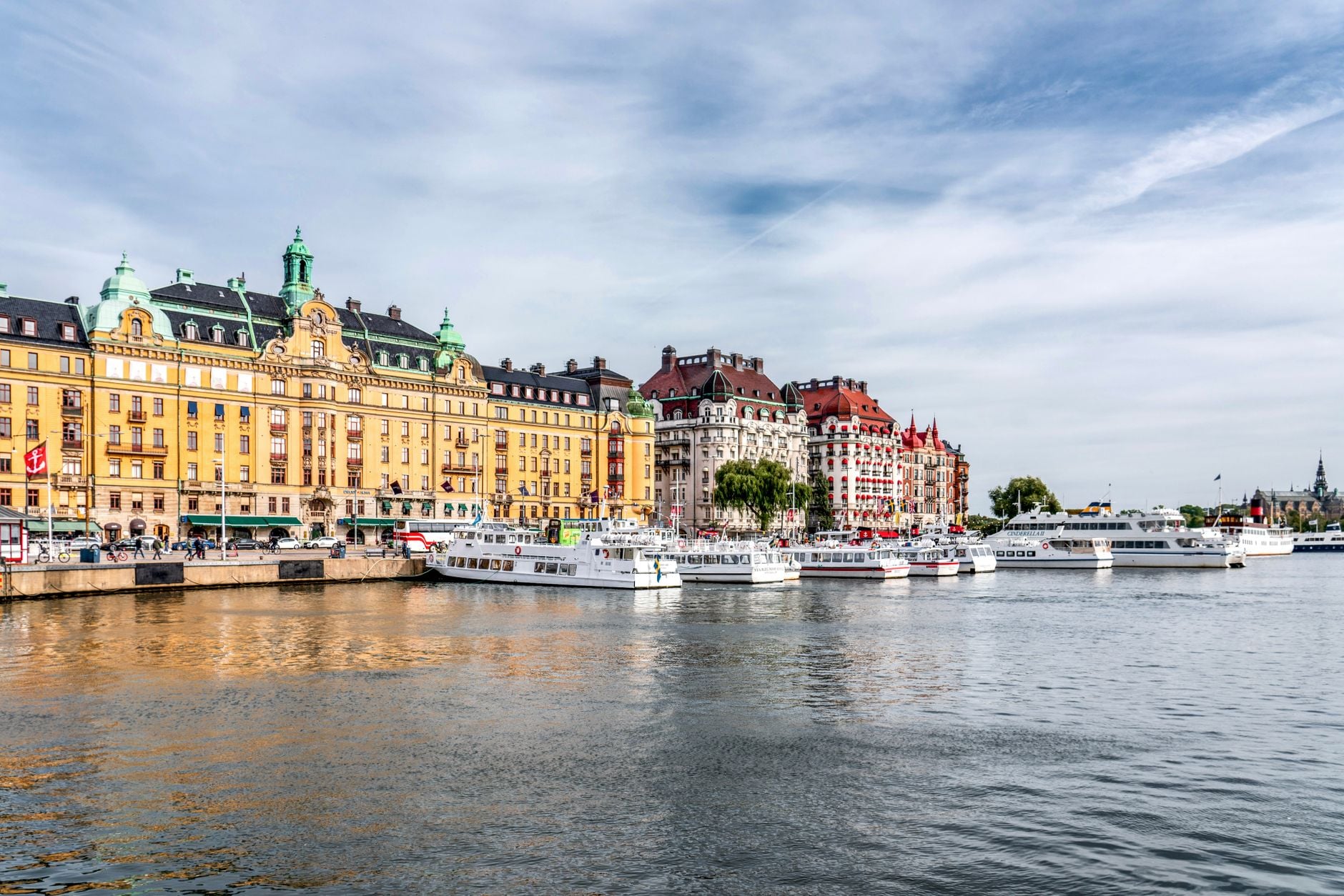
Stockholm has established itself as one of Europe's premier LGBTQ+ destinations, offering a distinctive blend of progressive Scandinavian values, natural beauty, and an integrated gay scene that reflects Sweden's relatively long history of LGBTQ+ rights and acceptance.
Historical Context
Sweden decriminalized same-sex relations in 1944, one of the earliest countries in the world to do so. This legal framework has provided a foundation for decades of LGBTQ+ activism and cultural development. The Swedish gay liberation movement gained momentum in the 1970s and 1980s, and Sweden became one of the first countries to recognize same-sex partnerships through registered partnerships in 1995, followed by full marriage equality in 2009. This long trajectory of legal recognition has created a social environment where LGBTQ+ culture is integrated into mainstream society rather than isolated in a separate "gay ghetto."
Neighborhoods and Areas
Södermalm, located south of the Old Town (Gamla Stan) across the bridge, is the primary neighborhood associated with LGBTQ+ culture. This bohemian district features independent bookstores, vintage shops, quirky cafes, and a youthful, creative atmosphere. The neighborhood has hosted the gay scene for decades and continues to be the heart of gay nightlife and community spaces. Walking through Södermalm's residential streets reveals rainbow flags and LGBTQ+-friendly businesses interspersed throughout the neighborhood rather than concentrated in a single block.
Norrmalm, the main central business district northwest of Gamla Stan, contains several gay bars and is where much of the city's commercial gay scene developed. Norrmalm is more corporate and mainstream, with venues that serve a mixed crowd.
Gamla Stan, the medieval old town on an island in the center, offers cobblestone streets, historic buildings, and numerous restaurants and cafes. While not primarily gay-oriented, it's central and charming for all visitors.
Djurgården, an island park northeast of the center, contains museums, cultural institutions, and beautiful green spaces ideal for day visits.
Venues and Nightlife
Stockholm's gay venues tend toward quality over quantity and reflect the integrated nature of Swedish gay life. Specific venues change ownership and names regularly, so current information should be verified through local resources like QX, Sweden's primary LGBTQ+ magazine, or local gay guides updated seasonally.
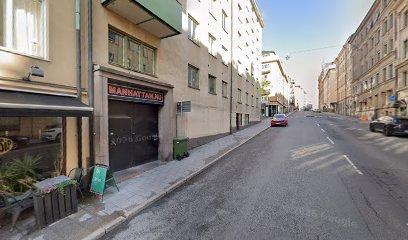
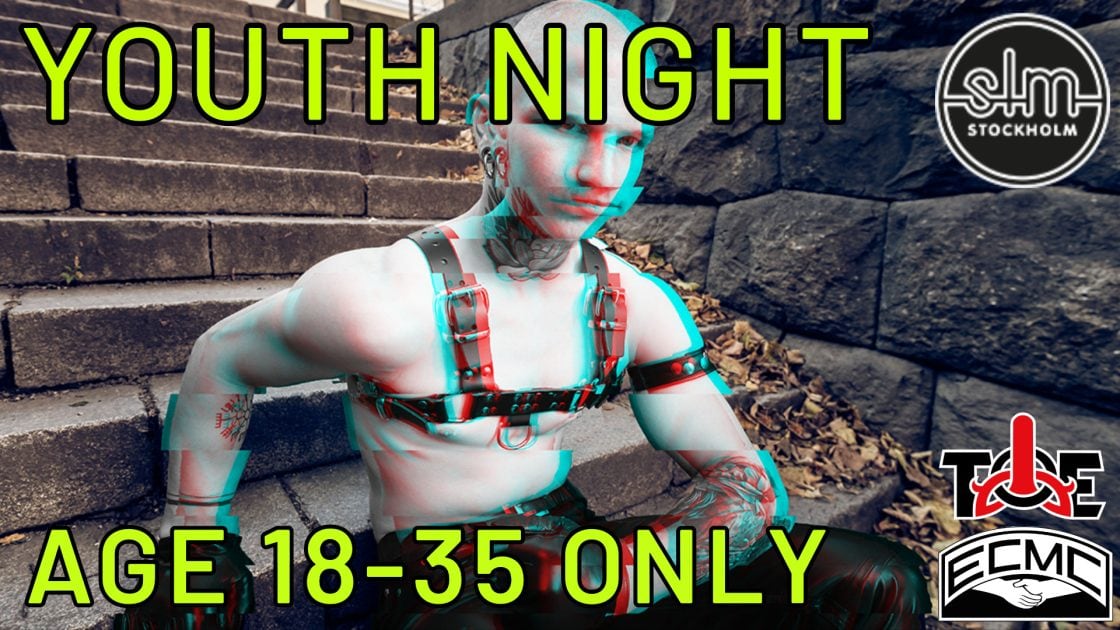
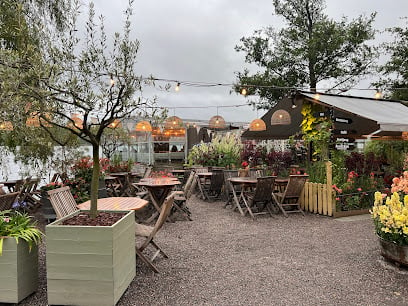
Historically, Södermalm has hosted the city's primary gay bars and clubs. The scene here is relaxed rather than explicitly themed, with venues attracting mixed crowds of locals. Anchors of the scene include Side Track, Stockholm's oldest gay bar, and the members' leather club SLM, both on Wollmar Yxkullsgatan; The Secret Garden near Slussen; the long-running queer club Club Backdoor by the arenas in Johanneshov; the Sunday gay night aboard the boat-club Patricia; and the central club night Petit Scandale. Bar Replik on Hornsgatan is a queer-owned favourite for a relaxed early-evening drink. Many venues are small, intimate establishments reflecting Swedish design minimalism rather than grand nightclubs.
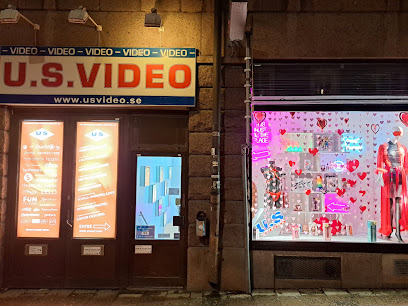
Stockholm has no dedicated gay saunas today, a legacy of Sweden's now-repealed 1980s ban on sauna clubs. The men's cruising and fetish side of the scene instead centres on SLM (Scandinavian Leather Men) and Side Track on Wollmar Yxkullsgatan in Sodermalm, and on the US Video cruise store in the city centre; outdoor spots include Langholmen and Frescati in summer.
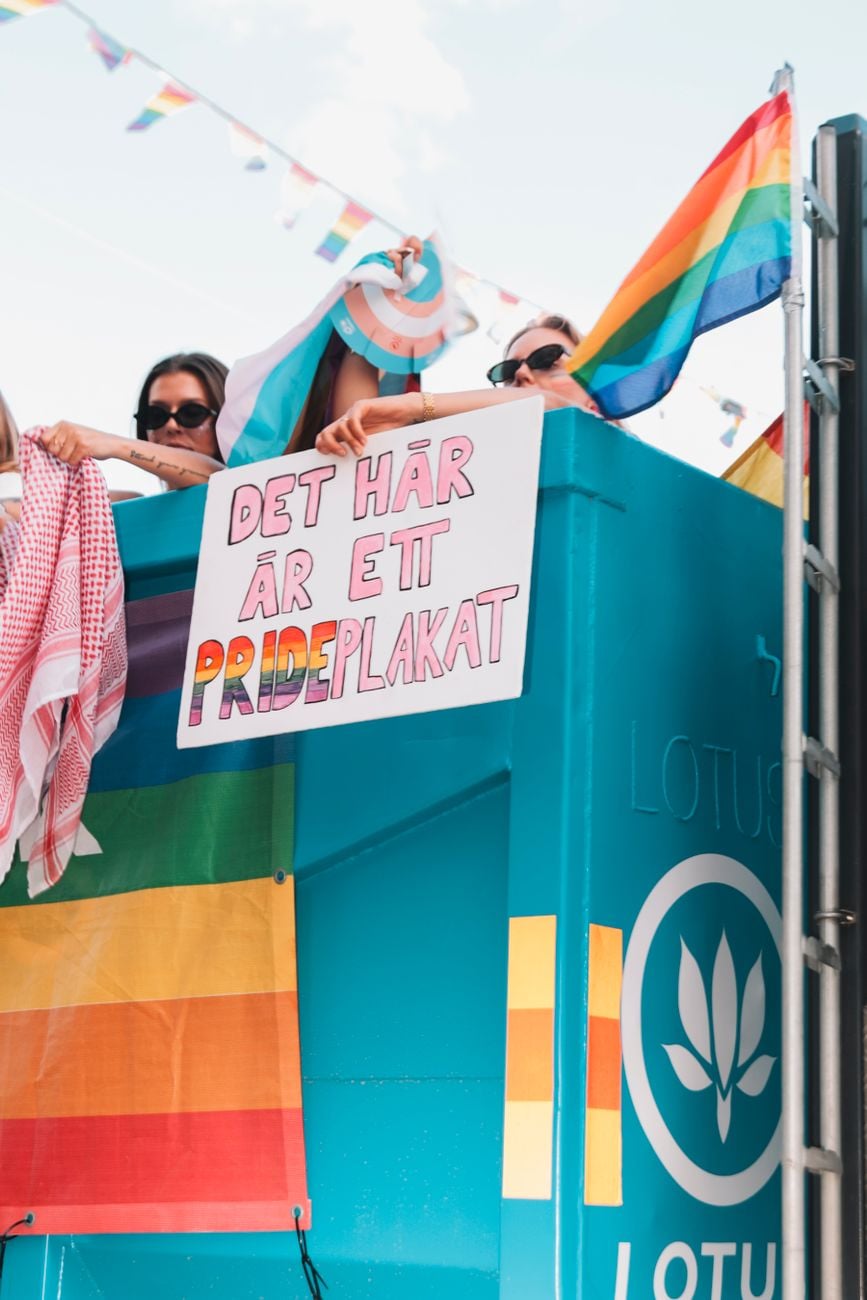
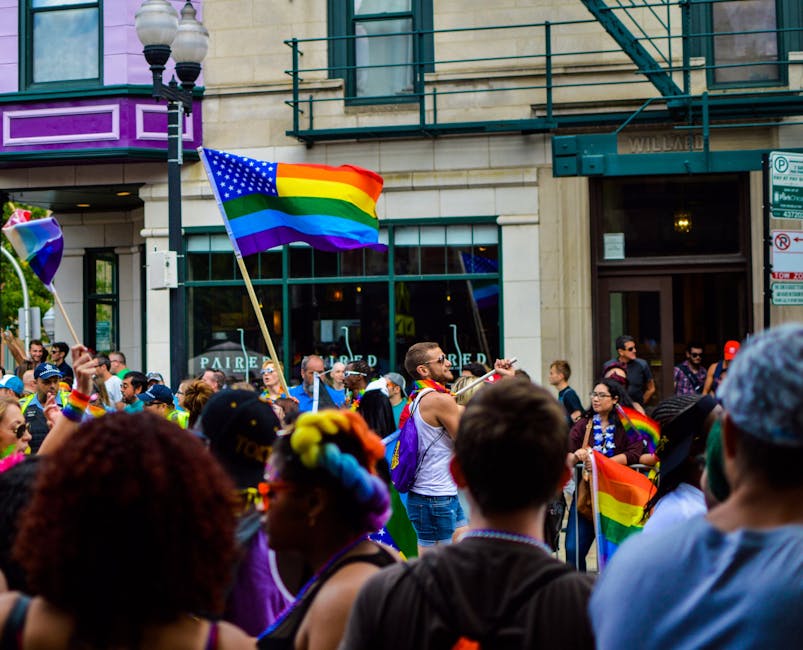
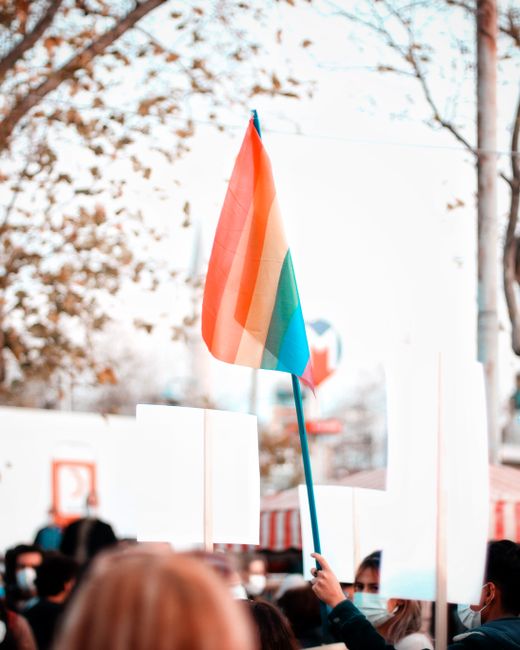
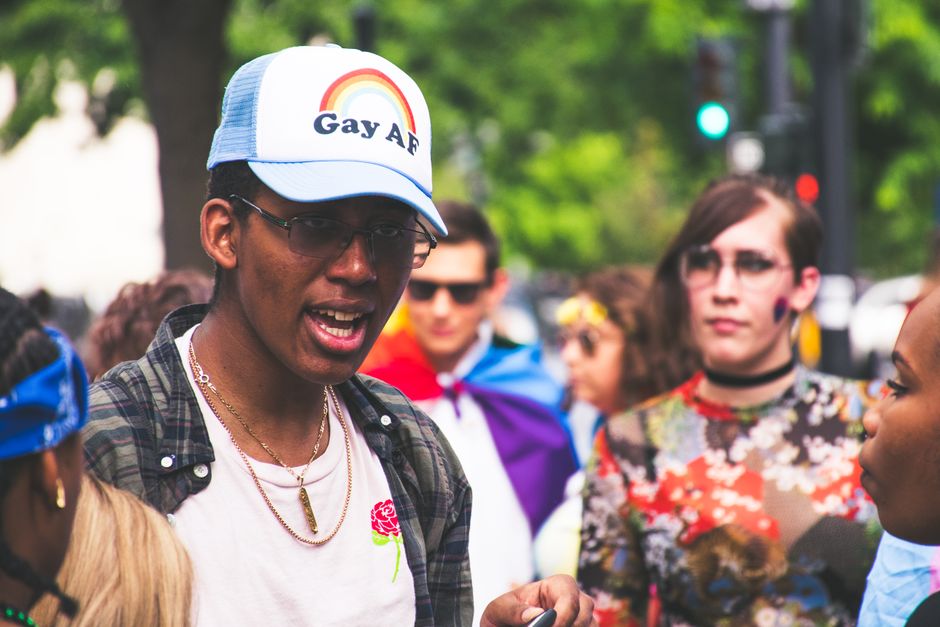
Stockholm Pride, held annually in late July and early August, is the largest Pride celebration in Scandinavia; in 2026 it runs 30 July to 1 August, with the main parade on Saturday 1 August. First held in 1998, the week-long festival includes a Pride District festival area (in 2026 at Slakthusomradet), stage performances, exhibitions, film screenings and social events across the city. The main parade traditionally draws hundreds of thousands of spectators and participants. Pride events occur across multiple neighborhoods and venues, with Södermalm and Norrmalm hosting concentrated nightlife programming. Hotels fill up months in advance during Pride, so bookings should be made early.
Beyond Pride, Stockholm hosts regular LGBTQ+ cultural events, exhibitions, and film festivals throughout the year. The city's museums occasionally feature LGBTQ+-focused exhibitions and the Fotografiska (photography museum) and other contemporary art institutions regularly present queer artists and themes.
Accommodation
Stockholm offers accommodation across all price ranges. Södermalm features smaller boutique hotels and guesthouses with an LGBTQ+-friendly atmosphere, though luxury options are spread throughout the city center. Several international hotel chains operate in Norrmalm and near the central station. Hostels provide budget options and often attract an international crowd. The city's size allows visitors to stay anywhere and easily reach gay venues via public transportation.
Stockholm's public transportation system (SL) is among Europe's finest, with comprehensive metro, bus, and local train coverage. The system is clean, frequent, reliable, and affordable. A travel card (Travelcard) can be purchased for various durations. The metro is particularly useful for reaching different neighborhoods. Södermalm is accessible via metro (red line) or by walking across bridges from the city center. The city is also highly bikeable, with good cycling infrastructure and bike rental widely available.
Food and Dining
Stockholm's food scene reflects its Scandinavian location and cosmopolitan character. Södermalm contains numerous cafes, restaurants, and street food vendors reflecting diverse cuisines and price points. The neighborhood's independent character means many venues are locally owned and creative. Swedish traditional foods (meatballs, gravlax, cinnamon buns) are available alongside international cuisines. The city's restaurant scene is generally excellent and prices, while higher than Southern Europe, are reasonable for a Northern European capital.
Stockholm is exceptionally safe for LGBTQ+ travelers. Sweden consistently ranks highest in LGBTQ+ rights indices globally. Public displays of affection between same-sex couples attract no negative attention. The city is clean, orderly, and has low crime rates. Police are professional and respectful.
English is widely spoken, particularly among younger residents and in commercial areas. Many signs, menus, and services offer English. Tap water is safe and excellent. Healthcare is high-quality. Currency is Swedish Krona (SEK); many establishments are increasingly cashless though cash is still accepted.
Climate and Timing
Stockholm's climate features long daylight hours in summer (midnight sun effect in June) and brief days in winter. Summer (June-August) offers pleasant weather and the midnight sun phenomenon; Pride occurs during this period. Winter features snow, ice, and limited daylight but creates a magical atmosphere with Christmas markets and winter activities.
Day Trips and Nearby Activities
Stockholm's archipelago offers numerous island destinations accessible by boat, featuring natural beauty, small communities, and swimming opportunities. Drottningholm Palace, the residence of the Swedish royal family, offers tours and beautiful grounds. Vaxholm, a historic island community, is accessible by boat and train. Sigtuna, one of Sweden's oldest towns, lies northwest of the city center. Uppsala, home to Scandinavia's oldest university, is accessible by regional train.
Visitor Resources
Visit Stockholm is the official tourism organization and provides comprehensive information. QX magazine (Sweden's primary LGBTQ+ publication) lists current events and venues. Local LGBTQ+ community organizations offer information and social connections for visitors. Social media and travel review platforms provide current venue information given the dynamic nature of the nightlife scene.
Frequently asked questions
Sweden is one of Europe's most accepting nations for LGBTQ+ individuals, with legal protections in place since the 1990s. Stockholm's LGBTQ+ community is notably integrated into mainstream society, reflecting broader Swedish values of equality and acceptance.
Södermalm, often called SoFo by locals, is the neighborhood most associated with Stockholm's gay and queer community. It's located south of Gamla Stan and is known for its independent boutiques, vintage shops, and trendy restaurants.
Most of Stockholm's explicitly gay venues are on Sodermalm. The leather and fetish clubs Side Track and SLM sit side by side on Wollmar Yxkullsgatan, with the queer-owned Bar Replik nearby on Hornsgatan; The Secret Garden near Slussen and the Sunday gay night aboard the boat-club Patricia are also central. Stockholm favours a handful of quality venues over a large bar strip, and club nights such as Petit Scandale and Club Backdoor rotate through the week, so it is worth checking current listings before you go.
While Stockholm has a visible and integrated gay community, the Scandinavian cultural tendency toward discretion means the gay scene is less overtly commercialized than in some other European capitals. The gay scene can feel subtle to visitors expecting more visible gay districts.
Yes. Stockholm has a wide range of LGBTQ+-welcoming hotels at every price level, from boutique stays on Sodermalm to international chains around Norrmalm and the central station. As one of the world's most accepting countries, mainstream hotels here are reliably gay-friendly; our listings highlight well-located options near the nightlife and Pride areas.
Stockholm Pride takes place in late July and early August. In 2026 it runs from 30 July to 1 August, with the main parade on Saturday 1 August. It is the largest Pride in Scandinavia, first held in 1998, and now includes a festival area (the Pride District, in 2026 at Slakthusomradet) alongside the parade.
Your privacy choices.
We use cookies to run GayOut and, with your consent, measure usage. Learn more
Your privacy choices
We use cookies to keep GayOut running, remember your preferences, and (with your permission) measure how the site is used. You can accept all, reject all, or pick what you allow. Learn more
Essential
Required for sign-in, fraud prevention, CSRF protection and remembering your language. Cannot be disabled.
Always on
Remembers your favourites, dark mode and other interface preferences across visits.
Helps us understand which pages people visit (Google Analytics, server-side stats) so we can improve.
Used by campaign tracking pixels. None are active right now, reserved for future use.
Install GayOut
Add GayOut to your home screen for faster access, offline favourites, and Pride alerts.












 Gay-Friendly Bars & Clubs
Featured
(2929)
Gay-Friendly Bars & Clubs
Featured
(2929)