Switzerland decriminalised homosexuality relatively early for Europe, though an unequal age of consent lingered until 1992. Zürich, the country's largest city and financial engine, has carried an organised gay life for far longer than most visitors expect — the legendary club-magazine "Der Kreis" ran here from the 1930s to 1967, and a memorial to it still stands in the Old Town. From the 1980s the scene became steadily more visible, and today Switzerland ranks among Europe's most welcoming countries, with marriage equality in force since 1 July 2022 and strong everyday acceptance in a city as international as Zürich.
Neighbourhoods and Districts
The heart of gay Zürich is the Niederdorf / Altstadt (Old Town, District 1) on the east bank of the Limmat, a few minutes on foot from the main station. The bars cluster along a tight grid of medieval lanes — Spitalgasse, Mühlegasse, Metzgergasse and Seilergraben — so you can walk between most of them in under ten minutes.
A second, edgier pocket sits across the tracks in Kreis 4, around the Langstrasse. This is where you'll find the men-only cruise and leather venues and the gay saunas, mixed in with the district's late-night bars and kebab counters. Note that "Aussersihl" is simply the administrative name for the wider Kreis 4/5 area; the gay relevance is specifically the Langstrasse strip, not a distinct "gay village."
Bars and Nightlife
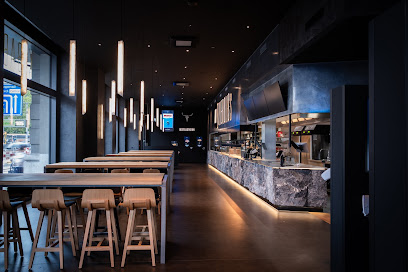
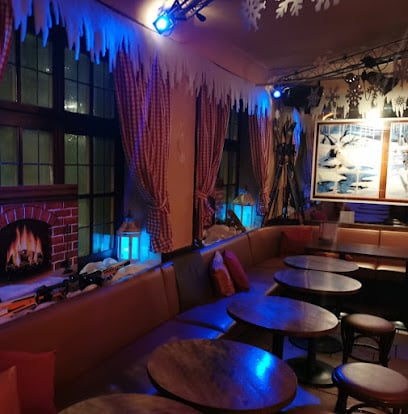
Heaven (Spitalgasse 5) is the Old Town's main gay club, busy at weekends with a young, mixed crowd. A short walk away, Cranberry (Metzgergasse 3) has been a reliable cocktail bar since 1997 and is a good first stop for an evening. Predigerhof (Mühlegasse 15) is an all-day café-bar open practically every day of the year, while Petra's Tip Top (Seilergraben 13) is the beloved Schlager and party bar for a slightly older, no-attitude crowd.
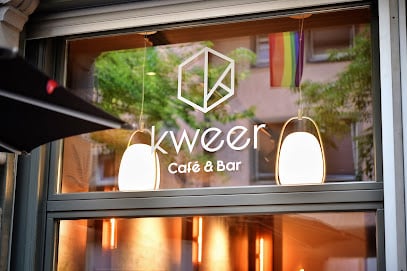
Kweer (Spitalgasse 14) is the queer café-bar that took over the space of the historic Barfüsser — often called one of the oldest gay bars in Europe when it opened here in 1956 — and now runs karaoke and community nights. Over in Kreis 4, Männerzone combines a fetish shop with a men-only cruise bar on weekend nights. Large mainstream clubs in Zürich West, such as Hive, are not gay venues but do host popular recurring queer parties (the Boyahkasha circuit nights among them), so it's always worth checking a specific line-up before you go.
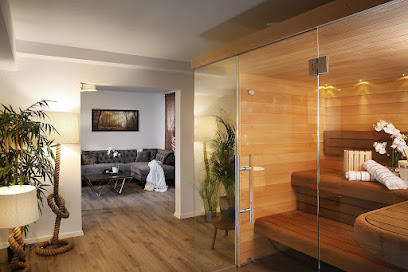
Zürich keeps a genuine gay-sauna culture, unusual for a city its size. Apollo (Seilergraben 41) is the oldest, tucked into the Old Town. Paragonya Wellness Club bills itself as the city's biggest gay sauna, and Renos Relax — which relocated to Brauerstrasse 16 in Kreis 4 around 2024 — rounds out the trio. All cater primarily to a local, discreet clientele; opening hours vary, so check ahead.
Being a high-safety country, Zürich has a few long-standing outdoor meeting spots. Platzspitz, the park behind the National Museum, is the best known after dark, and there is a quieter wooded stretch at Allmend Brunau in the city's south-west. The Werdinsel bathing island on the Limmat has a gay and nudist corner that comes alive on warm summer days. As anywhere, these are dusk-and-after spots — stay aware of your surroundings and respect other users.
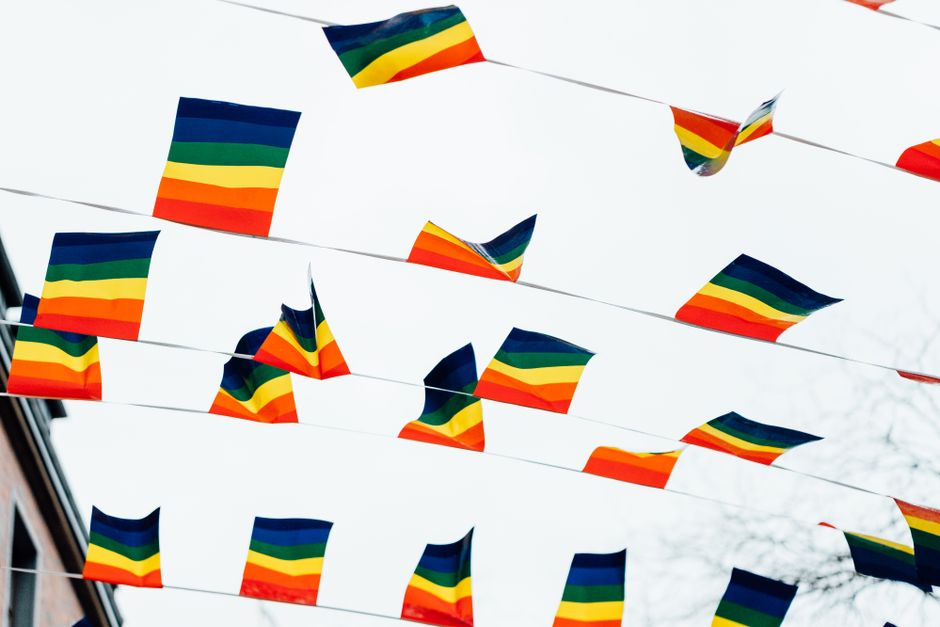
Zürich Pride is held in the city every year in mid-June — it is a fixed, Zürich-based event, not a rotating regional one. In 2026 the full festival was cancelled for lack of sponsorship and only the Saturday demonstration went ahead; the festival is confirmed to return in 2027 (11–12 June, on the Kasernenareal). The community backbone is the Regenbogenhaus (Zollstrasse 117), a rainbow centre that houses HAZ – Queer Zürich and dozens of other groups, while Checkpoint Zürich handles sexual-health services, PrEP and testing. Autumn also brings queer programming to the city's film and theatre calendars.
Where to Stay
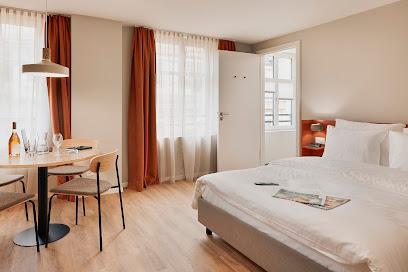
There is no need to pick a "gay hotel" — Zürich hotels are uniformly professional and welcoming. For the scene, anything in or near the Niederdorf/Old Town (District 1) puts you within walking distance of the bars: the Adler, Kindli and Wellenberg are all in the middle of it. Around the main station and Langstrasse the 25hours hotels are stylish and close to Kreis 4, while the lakeside Storchen, Widder and the hilltop Dolder Grand sit at the upscale end. Hostels and rental flats fill out the budget range.
Zürich is a safe city and LGBTQ+ travellers can expect to feel comfortable across the centre and in the gay venues. Violent crime is low, streets are well lit and patrolled, and same-sex affection draws no attention in the Old Town or Kreis 4/5. Standard city sense applies late at night. Switzerland has solid anti-discrimination law — a 2020 referendum extended criminal protection to sexual orientation — and English is very widely spoken.
Getting Around
The tram, bus and S-Bahn network is fast and easy, and the compact centre is walkable. A ZürichCARD gives unlimited transit plus museum discounts for 24 or 72 hours. Zürich Hauptbahnhof is a major European rail hub, and the airport at Kloten is about 15 km out, roughly 12 minutes by train to the centre.
Food and Dining
Zürich's dining runs from traditional Swiss (fondue, raclette, the local Zürcher Geschnetzeltes) to a strong international and vegetarian/vegan scene. The Old Town is thick with restaurants steps from the bars, and the lakefront has the scenic — and pricier — options. Zürich is expensive by European standards, so budget accordingly.
Lake Zürich stretches south with lakeside towns reachable by train or boat, and the Uetliberg, the city's own mountain, offers easy hikes and a panorama over city and lake. The Alps are one to two hours away for hiking and seasonal skiing, and Lucerne makes a classic day out.











 同志酒吧與俱樂部
精選
(171)