Swansea's LGBTQ+ history and scene have developed quietly but steadily over the past few decades. Like many UK cities outside the major metros, Swansea's gay community organized around a few key venues rather than a defined neighborhood. The late 1990s and 2000s saw the emergence of dedicated gay bars and social spaces, though the scene has naturally contracted and evolved with changing social attitudes and the rise of dating apps. Today, Swansea's LGBTQ+ community is active and visible, with Pride as the headline annual event and year-round social and support networks.
The city center, particularly around Wind Street and the immediate surrounding area, is where most LGBTQ+-friendly venues cluster. Wind Street itself is Swansea's main entertainment thoroughfare, lined with bars, clubs, and restaurants. While not exclusively gay, several establishments here are known as queer-friendly spaces. The seafront area, including the promenade at Swansea Bay, is another focal point—both for leisure and as a cruising area historically, though the scene there is now more about families and tourists enjoying the beach. The Mumbles, a picturesque seaside village just outside Swansea proper, has become increasingly popular with LGBTQ+ visitors and residents seeking a quieter, more residential alternative with good pubs and restaurants.
Key venues in Swansea's gay scene have included the bar scene on Wind Street, though the specific venues and their fortunes have shifted over time. Traditionally, a few dedicated gay bars operated in the city center, though the current landscape should be verified locally—LGBTQ+ venues in smaller cities are sometimes more fluid than in larger hubs. The city has a few saunas and adult venues serving the local community. For current venue recommendations, checking with local LGBTQ+ groups, Pride organizations, or online community forums is advisable, as venues open and close relatively frequently in cities of Swansea's size.
Swansea Pride is the city's signature LGBTQ+ event, held annually in August (typically mid-to-late August). The festival has expanded substantially in recent years, featuring a parade through the city center, a pride village with stalls and entertainment, live music, and various club events. It attracts visitors from across Wales and beyond, with attendance in the thousands. The exact dates and scale should be checked closer to your visit, as Pride events can shift slightly year to year. Beyond Pride, Swansea hosts various LGBTQ+-friendly events, community gatherings, and social nights throughout the year, often organized by community groups and the venues themselves.
Where to Stay
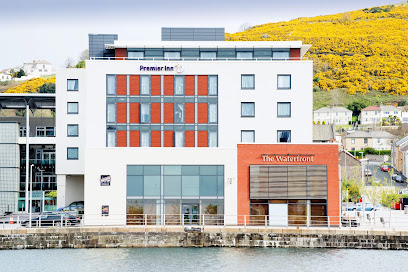
Where to stay: Swansea has a range of accommodation from budget chains to independent hotels and guesthouses. The city center is the most convenient base for accessing bars, restaurants, and nightlife, with properties like Travelodge, Premier Inn, and various independent hotels. Many LGBTQ+ travelers favor staying in the Mumbles, a 20-minute drive or bus ride away, for its charming seaside village atmosphere, boutique hotels, guesthouses, and quieter setting. For those seeking a more immersive experience, Airbnb and boutique guesthouses cater to various budgets and preferences.
Safety: The United Kingdom is generally very safe for LGBTQ+ travelers, with legal protections and a culturally accepting environment in most urban areas. Swansea is no exception—the city is welcoming, and locals are used to LGBTQ+ visitors. As in any city, standard urban safety practices apply: avoid isolated areas late at night, keep an eye on belongings, and use licensed taxis. The city center is well-policed and busy, particularly on weekends. Swansea is not known for any particular safety concerns regarding LGBTQ+ travelers, and the community is visible and active.
Transit: Swansea is easily accessible by train or bus from other UK cities. The main railway station connects to Cardiff (1 hour), Bristol (2 hours), and other major cities. Within the city, local buses operate frequently, and the center is walkable. For day trips, buses and trains connect to the Gower Peninsula and surrounding towns. A car is useful for exploring the wider region, though not necessary for the city itself.
Food & Drink
Food and drink: Swansea has a lively food scene, from casual cafes and fish-and-chips shops (it's the home of Welsh sea fare) to trendy restaurants and gastropubs. Wind Street is the epicenter of dining and drinking, with diverse options ranging from Italian to Thai to traditional British. The Mumbles has excellent seaside restaurants and pubs with sea views. Swansea's food scene has improved significantly in recent years, with local chefs putting a contemporary spin on Welsh ingredients. The city is known for its affinity for good beer and cider, with several craft breweries and cider houses operating locally.
Day Trips
Day trips and attractions: The Gower Peninsula, just 20 minutes away, is one of Wales's most beautiful coastal areas, with dramatic cliffs, sandy beaches (including the acclaimed Three Cliffs Bay), and excellent walking trails. Rhossili Beach, one of Britain's finest, is within easy reach. The village of Mumbles itself is worth exploring on foot, with a historic pier, cafes, and beach walks. Tenby, a picturesque seaside town in Pembrokeshire, is about an hour away. The Brecon Beacons, Wales's dramatic mountain range, can be accessed within an hour and a half for hiking and outdoor activities. Swansea itself has attractions like the National Waterfront Museum and the impressive LC (Leisure Centre) building, but the main draw is proximity to natural beauty.
Practical notes: Swansea is in South Wales, with a mild climate. Summers are warmest (June to August), though rain is common year-round—pack a waterproof. The local accent and dialect are distinctive but welcoming. The city has strong Welsh cultural identity, and Welsh language place names appear on signs, though English is universally spoken. LGBTQ+ support organizations and community groups operate in Swansea; checking with local Pride, community centers, or the North Wales LGBT center (which covers the region) can provide current information and connections.


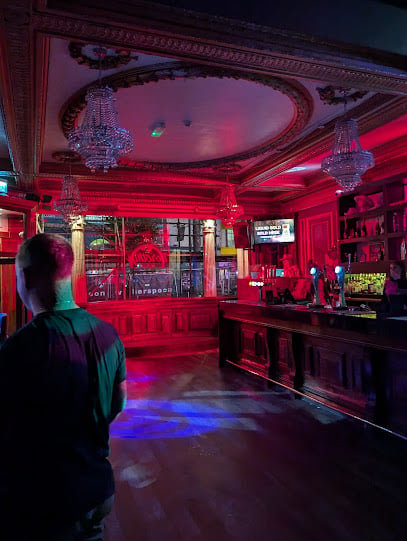

 同志酒吧與俱樂部
(176)