Punta Cana, on the easternmost tip of the Dominican Republic, is one of the Caribbean's biggest all-inclusive resort destinations. Its dedicated LGBTQ+ infrastructure is modest - this is a beach-and-resort holiday spot rather than a nightlife city - but the resort economy is well used to welcoming gay travelers, and a small number of gay-facing options do exist.
Same-sex relationships have long been legal in the Dominican Republic, which never criminalised homosexuality under its modern civil law. Socially, though, the country is conservative and largely Catholic, and there is no same-sex marriage, civil union or national anti-discrimination law. LGBTQ+ life is most visible in Santo Domingo and Santiago; in a resort area like Punta Cana the experience is welcoming but discreet, centred on gay-friendly hotels rather than a street scene. The Dominican Republic's main Pride event, the Caravana del Orgullo, takes place annually in Santo Domingo (recent editions have run around June-July).
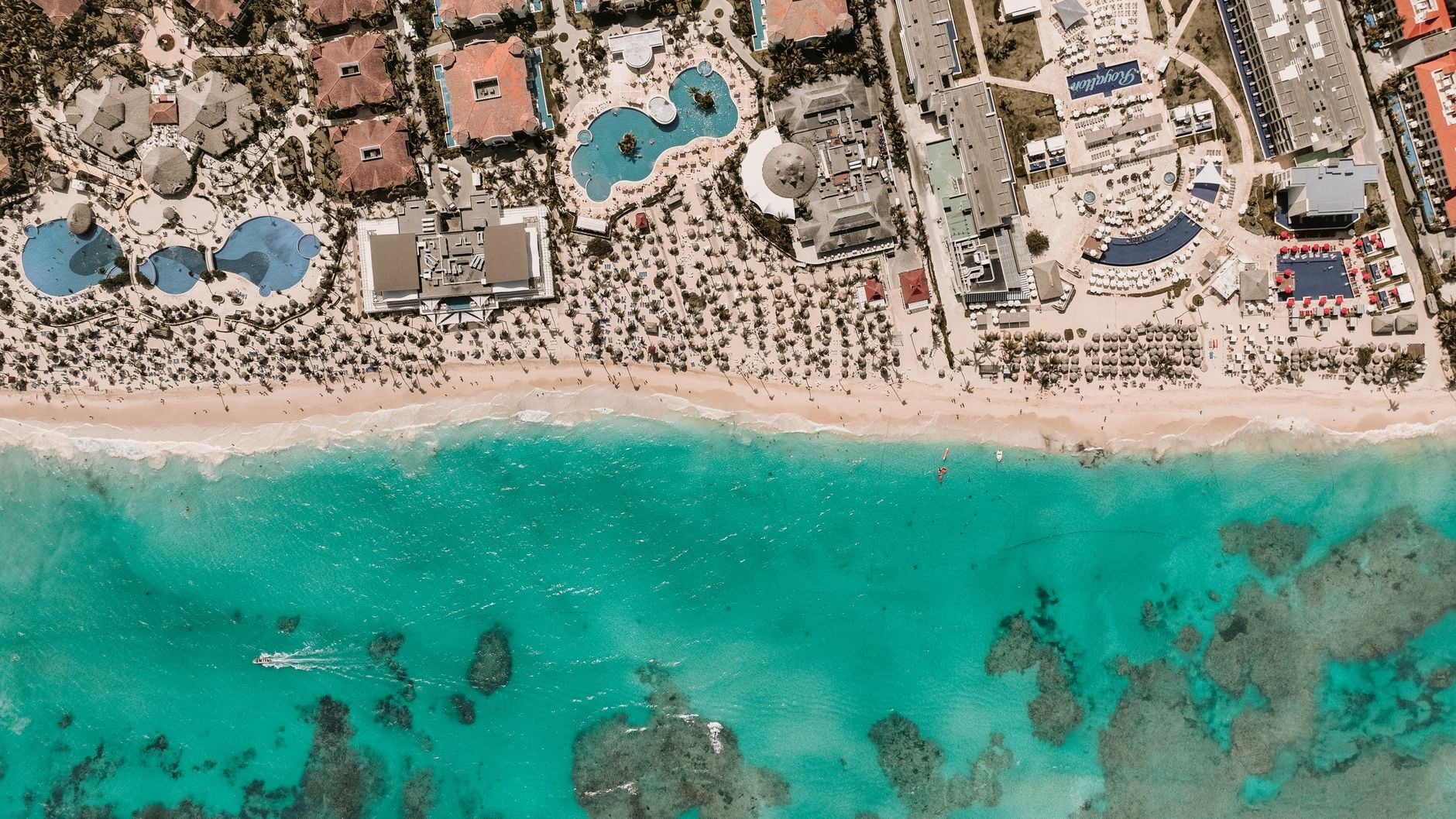
Punta Cana is made up of several zones. The resort corridor along Bávaro Beach is home to most of the large all-inclusive properties and is the most comfortable base for LGBTQ+ visitors. Punta Cana Village, near the airport, has restaurants, shops and smaller hotels. Higüey, an inland town about 40 kilometres away, is the regional commercial and religious centre, but it has no dedicated gay scene. There is no distinct gay neighbourhood anywhere in the area.
Dedicated gay nightlife is very limited. The one venue that markets itself directly to LGBTQ+ visitors is Paradise Garage DR in Bávaro, a cabaret club on Avenida Barceló whose signature Illusions drag dinner show is followed by a late-night disco (on Google Maps the physical space is listed under the name Tribu Dance Room). Beyond that, the big tourist clubs on Avenida Barceló and Avenida España - Coco Bongo, Imagine and Legacy - are mainstream and straight-oriented but generally welcoming to gay guests. Much of the LGBTQ+ social activity happens at resort pools, on the beach, and at organised gay travel events rather than at fixed gay venues. For a fuller scene, travelers make the roughly two-and-a-half to three-hour drive to Santo Domingo, whose Zona Colonial has the country's established gay bars and clubs.
Punta Cana does not host a civic Pride march. A separate commercial event marketed as Caribbean Pride - a ticketed resort-takeover party - has been staged in the area around September, but it is a private product rather than a community Pride. During high season (December to March) some all-inclusive resorts run themed nights and pool parties, and New Year and Carnival season (February-March) bring the busiest crowds.
Many all-inclusive resorts are welcoming to LGBTQ+ guests and some actively market to them, including for symbolic same-sex weddings (legal marriage is not available in the country). Barceló Bávaro Palace, the Dreams and Secrets adults-only resorts, and Hard Rock Hotel & Casino Punta Cana are all known to host LGBTQ+ travelers regularly. For independent travelers, Punta Cana Village has smaller hotels and guesthouses, and private vacation rentals are widely available.
The Dominican Republic is generally safe for LGBTQ+ travelers, with the main caveats being social conservatism and the absence of legal protections rather than any high risk of violence. Public displays of affection between same-sex couples are usually fine inside resorts and tourist zones but may attract attention in local neighbourhoods. Petty theft is the most common concern for all visitors. Healthcare in Punta Cana is well developed thanks to tourism, and travel insurance is recommended.
Punta Cana International Airport (PUJ) is the main entry point, about 30 kilometres from the resort zone. Taxis, ride-hailing apps and shuttle services are available, and most all-inclusive guests rely on resort transport; renting a car adds flexibility for exploring further afield. Dominican cuisine centres on rice, beans, plantains and seafood, with dishes such as mofongo and sancocho, and Punta Cana has everything from beach shacks to fine dining.
Beyond the beaches, popular day trips include the island of Saona for snorkelling, the Samaná Peninsula for whale watching (January-March), and Santo Domingo, which offers the country's most developed gay scene along with colonial architecture and museums, roughly two-and-a-half to three hours away by car. The Dominican Peso (DOP) is the currency though US dollars are widely accepted, bottled water is recommended, and sunscreen and insect repellent are essential. Tipping is customary in tourism settings.


 友善同志友善飯店
(194)