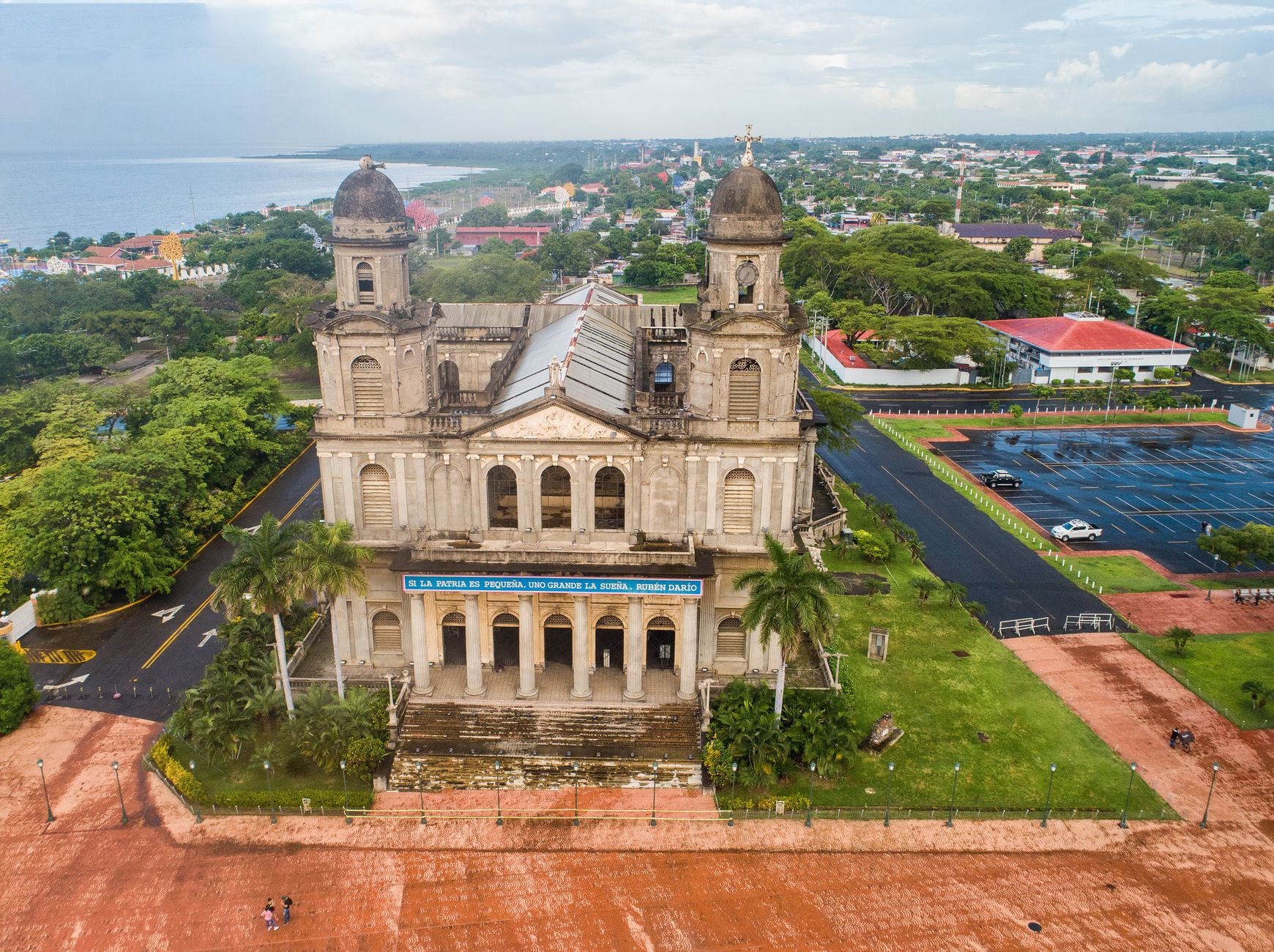
Managua, Nicaragua's capital, isn't a gay destination like San José or Mexico City. It has a small, tenacious queer nightlife, though, usually just one or two dedicated bars. The city never quite rebuilt after the 1972 earthquake, so there's no real downtown. It sprawls out along big avenues and roundabouts; you navigate by landmarks, not street numbers. Same-sex activity is legal, and visitors rarely have trouble, but Nicaragua is socially conservative and politically repressive. Discretion is the rule.
Is Managua Safe for LGBTQ+ Visitors?
Homosexuality has been legal in Nicaragua since March 1, 2008, when a new Penal Code got rid of the old anti-sodomy article. But there's no marriage or civil-union recognition: the 2014 Family Code says marriage is strictly between a man and a woman. Legal protection is thin, just a narrow employment clause in the Penal Code, and there's no legal way to change gender markers. Under the Ortega-Murillo government, independent civil society has been dismantled, thousands of NGOs have lost their legal status, and public marches are effectively banned. For visitors, this rarely means personal danger. But it does mean you'll see almost no advocacy organizations, Pride isn't public, and open displays of affection are best kept low-key, especially outside the capital.
Gay Nightlife and Where to Find It
Managua's gay scene is small. Jona's Bar, on the Suroeste side of town, is the anchor. It's the one place that consistently calls itself gay and hosts community events like the Miss Gay Managua and Miss Trans pageants. Tabu (Tabu Discoteque & Lounge) is the other openly gay-friendly spot, a disco-lounge that gets going on Friday and Saturday nights. Both keep informal hours and promote events mostly on Facebook, so check their pages before you go. Beyond these, Managua's mainstream nightlife clusters along the Carretera a Masaya corridor and the Zona Rosa / Zona Viva area near the newer commercial districts. Those places are welcoming enough, but not specifically queer.
Managua doesn't have a dedicated gay sauna or bathhouse. We don't list beauty spas or massage parlors that aren't part of the gay scene. Likewise, we don't publish cruising locations for Managua: any spots in online directories are unverified, undated, and come with real safety and extortion risks in the current climate. If you're looking for a bathhouse, the nearest options are in San José, Costa Rica, and Panama City.
Where to Stay
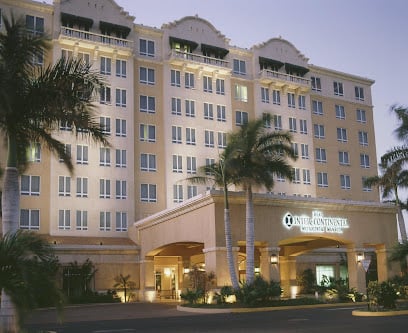
Most travelers stay in the safer, greener districts south and east of the old center, around Los Robles, Altamira, and the Carretera a Masaya. The Hotel Intercontinental Managua at Metrocentro is the standard business-class landmark. Smaller boutique and colonial options like Hotel Casa Colonial Boutique, Casa San Juan, and the well-reviewed La Bicicleta Hostal put you close to restaurants and the nightlife corridor. All the hotels we list are gay-friendly in the practical sense that counts for a discreet destination: comfortable, central, and used to international guests.
Managua's international airport is Augusto C. Sandino International Airport (MGA), on the city's eastern edge, about 11 km from the main hotel districts. Addresses are given by landmark ("from X, two blocks toward the lake"), so most visitors use app-based rides (InDrive is common) or hotel taxis instead of hailing cabs on the street. The currency is the Córdoba, US dollars are widely accepted, and Spanish is essential—English is limited. The dry season (November to April) is the most comfortable time to visit.
Beyond the Capital
Many LGBTQ+ travelers use Managua as a stopover, heading to San Juan del Sur, the relaxed Pacific surf town about two and a half hours south, which has a more easygoing, international feel. Or they go to the colonial city of Granada. The Pacific beaches of Pochomil and Masachapa are the closest coast to the capital, roughly an hour away. Wherever you go, the same advice applies: Nicaragua is legally tolerant but socially conservative, so a relaxed, discreet approach makes for the smoothest trip.
常見問題
Managua is not considered safe or welcoming for LGBTQ+ people. While there are no explicit criminal penalties for same-sex relations, there are zero legal protections against discrimination, and social and institutional hostility is real and consistent.
The guide does not mention specific LGBTQ+-friendly neighborhoods. It advises avoiding neighborhoods outside the city center for public displays of affection and generally recommends caution in unfamiliar areas due to street crime concerns for all.
International hotel chains like Crowne Plaza, Hilton, and Best Western will permit same-sex couples to share a room. Local budget hotels and guesthouses may refuse rooms or charge inflated rates.
Public displays of affection between same-sex couples will attract negative attention and risk verbal harassment, threats, or intervention by police. It is advised to avoid PDA entirely in public spaces, on public transport, and in neighborhoods outside the city center.
Dating apps can be monitored by law enforcement or individuals seeking to target or blackmail LGBTQ+ users. Use these platforms with extreme caution, never assume privacy, and meet only in genuinely safe locations with trusted individuals.
The provided guide does not contain information about an LGBTQ+ scene or Pride events in Managua.


 同志酒吧與俱樂部
精選
(439)