自 Obergefell v. Hodges 案(2015 年 6 月 26 日)以來,美國已實現婚姻平權。《尊重婚姻法》(Respect for Marriage Act,2022 年 12 月)確立了國會層級的保障,要求聯邦政府承認所有有效的同性及跨種族婚姻,不受未來最高法院判決的影響。Bostock v. Clayton County 案(2020…
Iowa City, home to the University of Iowa and a population of around 75,000, is widely regarded as one of the most progressive and LGBTQ+-friendly cities in the Midwest. Its character is shaped by the university, which fostered an inclusive culture and helped make Iowa City an early leader on gay rights — the city organized some of the region's first Pride events back in the early 1970s. For LGBTQ+ travelers this is an authentic slice of queer life in the American heartland: not a flashy gay capital, but a genuinely welcoming community where queer life is woven through the whole town rather than walled off into a single district.
History and Community Character
The University of Iowa was among the first universities in the nation to recognize a gay student organization, and for decades the campus anchored a culture of acceptance that spread into the wider community. Iowa City passed municipal non-discrimination protections covering sexual orientation and gender identity in the 1990s, long before most of the country. That legacy still defines the city's civic identity, even as the political climate at the state level has grown markedly more hostile (see Safety, below). The arts scene — bolstered by the university's famed Writers' Workshop, theatre and music programs — continues to give LGBTQ+ artists and performers a prominent platform.
Neighborhoods and Geography
Iowa City doesn't have a distinct gayborhood; queer life is distributed across town, with downtown and the neighborhoods around the University of Iowa campus serving as the social core. The Pedestrian Mall — a car-free, six-block shopping and dining district downtown — is the heart of it all, packed with restaurants, cafes, galleries and bars, many of them explicitly LGBTQ+-friendly. Streets immediately east and south of downtown hold student and university-affiliated housing where many young queer residents live.
Nightlife and Social Spaces
The undisputed anchor of queer nightlife is Studio 13, tucked in an alley off the Pedestrian Mall at 13 S Linn Street. It is Iowa City's only dedicated LGBTQ+ nightclub, and in December 2025 it celebrated its 25th anniversary. Studio 13 runs a full week of drag shows, DJ and dance nights, karaoke, comedy and community fundraisers, plus recurring queer programming like its monthly Pride Poetry night — it's the reliable gathering point for locals, students and visitors alike.
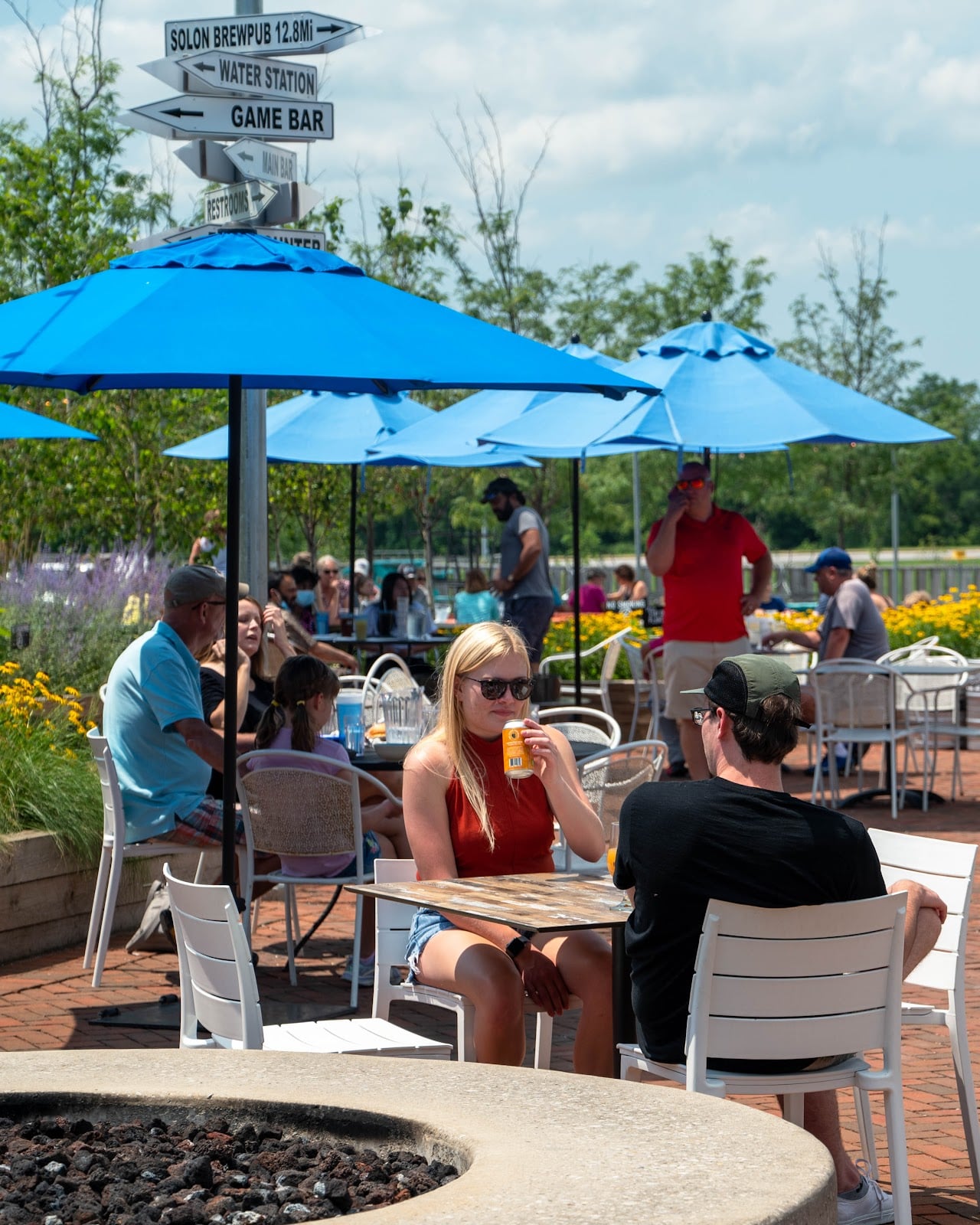
Beyond Studio 13, several mainstream venues host regular queer programming. Big Grove Brewery (1225 S Gilbert St) is best known among the community for its monthly, frequently sold-out drag brunch, alongside drag bingo and Pride-season fundraisers. Other downtown bars and cafes around the Pedestrian Mall are reliably welcoming, and the annual Big Gay Bar Crawl during Pride season lights up spots all over downtown for a night. Dedicated gay nightlife is limited compared with a big city, which simply reflects Iowa City's scale — social life here is spread across many inclusive venues rather than concentrated in a strip of gay bars.
Because state funding for university diversity programs was cut in 2024-25, the University of Iowa no longer operates a staffed student LGBTQ+ resource center. Community organizations have become the main points of contact instead — see below.
Iowa City Pride is one of the oldest continuously celebrated Prides in the country, with roots in the early 1970s, and it takes place each June in downtown Iowa City around the Pedestrian Mall. The day features a parade through downtown, live music, drag, family programming and dozens of community and vendor booths; recent festivals have drawn thousands and marked milestone anniversaries (the 2025 edition was billed as the 55th). Pride week typically adds satellite events at Studio 13, Big Grove Brewery, cultural institutions and other partner venues.
Beyond Pride, the University of Iowa's theatre and music programs frequently stage LGBTQ+ work, and the historic Englert Theatre downtown hosts touring shows, concerts and comedy year-round. United Action for Youth runs LGBTQ+ youth groups, and statewide advocacy group One Iowa organizes programming that reaches the city.
Where to Stay
Iowa City's lodging clusters downtown, within walking distance of Studio 13, the Pedestrian Mall and campus. Walkable downtown options include the Graduate by Hilton Iowa City, Hyatt Place Iowa City Downtown, Hilton Garden Inn and the Element by Marriott; the boutique Highlander Hotel sits a little north near I-80. Rates are moderate by big-city standards. During Pride weekend in June rooms book up fast, so reserve well ahead.
Iowa City itself is considered one of the safest and most affirming places in Iowa for LGBTQ+ people, and its downtown and campus areas are busy and well-lit. However, travelers — especially transgender and non-binary visitors — should understand the state-level legal picture. In 2025 Iowa became the first U.S. state to remove gender identity as a protected class from its Civil Rights Act: SF 418, signed in February 2025 and effective July 1, 2025, stripped gender-identity protections statewide, and companion laws define sex in binary birth terms and restrict restroom access. Iowa City's own municipal ordinance still lists sexual orientation and gender identity as protected classes, and the City Council publicly reaffirmed those protections in August 2025 — but a separate state measure limiting how local commissions can enforce gender-identity protections has left the local shield's enforceability contested. In short: Iowa City is welcoming in practice, but state law offers trans and non-binary travelers little recourse, so know your rights before you go.
Transit and Getting Around
Iowa City is walkable, especially downtown and near campus, and most queer-oriented venues are reachable on foot or a short rideshare. Public transit is provided by Iowa City Transit and neighboring Coralville Transit, plus the university's free CAMBUS system. A car isn't needed downtown but helps for day trips. Many visitors fly into the Eastern Iowa Airport (Cedar Rapids), about 30 miles north, which has far more flights than the small Iowa City Municipal Airport.
Food and Dining
Downtown Iowa City and the Pedestrian Mall offer diverse, welcoming dining, with a notably strong farm-to-table and local-food movement and standout Vietnamese, Mexican, Mediterranean and vegetarian/vegan options. During the academic year the student population keeps prices friendly and the social scene lively.
Day Trips and Outdoor Recreation
The Iowa River runs through town, with riverside trails and extensive bike paths. Nearby outdoor escapes include Lake Macbride State Park and the Coralville Lake reservoir just north of town, F.W. Kent Park to the west, and the Hoover Presidential Library and Historic Site in West Branch a short drive east. Cedar Rapids, about 30 miles north, adds more museums, dining and nightlife.
Cultural Attractions
The University of Iowa Museum of Art (free to the public) and the historic Old Capitol on campus are highlights, along with the striking Iowa City Public Library downtown and a scatter of independent galleries. As a UNESCO City of Literature, Iowa City also hosts a rich calendar of readings and literary events, many featuring LGBTQ+ writers.
Conclusion
Iowa City is a particular kind of LGBTQ+ destination — not a party capital, but a genuinely welcoming college town where queer people are woven into civic, cultural and social life, anchored by a 25-year-old gay nightclub and one of the country's oldest Pride celebrations. It rewards travelers who want authentic connection with a progressive Midwestern community, while asking trans and non-binary visitors to travel informed about a state legal climate that no longer has their back.
常見問題
Iowa City's queer culture is integrated throughout the community, rather than concentrated in specific districts. The downtown area and the University of Iowa campus are where most LGBTQ+-friendly venues and organizations are located.
Iowa City's dedicated LGBTQ+ nightlife anchor is Studio 13, the city's only gay nightclub, tucked in an alley at 13 S Linn Street just off the downtown Pedestrian Mall — it hosts drag shows, dance nights, karaoke and comedy and celebrated its 25th anniversary in 2025. Beyond it, mainstream venues host regular queer programming: Big Grove Brewery on S Gilbert St runs a popular monthly drag brunch plus drag bingo, and many bars and cafes around the Pedestrian Mall are reliably welcoming. Community life also centers on Iowa City Pride and organizations like United Action for Youth.
Iowa City itself is considered one of the most progressive and LGBTQ+-friendly communities in Iowa, with a busy, well-lit downtown and campus and a municipal non-discrimination ordinance (reaffirmed by the City Council in August 2025) that still protects sexual orientation and gender identity. However, travelers should know the state picture: in 2025 Iowa became the first U.S. state to remove gender identity as a protected class from its Civil Rights Act (SF 418, effective July 1, 2025), and related laws define sex in binary terms and restrict restroom access. Transgender and non-binary visitors are welcomed in Iowa City in practice but have little recourse under state law, so it's wise to know your rights before traveling.
Many LGBTQ+ residents and visitors stay in or near the downtown area or the University of Iowa campus for convenience to venues and social life.
Yes. Iowa City Pride is one of the oldest continuously celebrated Pride events in the country, with roots in the early 1970s, and it takes place each June in downtown Iowa City around the Pedestrian Mall. The festival includes a parade, live music, drag performances, family programming and dozens of community booths, drawing thousands each year; the 2025 edition was billed as the 55th. Pride week usually adds satellite events at Studio 13, Big Grove Brewery and other partner venues. Details are posted each spring at iowacitypride.org.
The queer culture in Iowa City is integrated throughout the community, creating an authentically welcoming environment across the downtown and campus areas, rather than being segregated into specific districts.



 同志酒吧與俱樂部
精選
(131)