自 Obergefell v. Hodges 案(2015 年 6 月 26 日)以來,美國已實現婚姻平權。《尊重婚姻法》(Respect for Marriage Act,2022 年 12 月)確立了國會層級的保障,要求聯邦政府承認所有有效的同性及跨種族婚姻,不受未來最高法院判決的影響。Bostock v. Clayton County 案(2020…
Oakland's queer history is extensive, with the city emerging as a center for radical LGBTQ+ politics in the 1970s and 1980s, intertwined with broader Bay Area liberation movements. Distinct from San Francisco's narrative, Oakland cultivated its own queer culture, shaped by Black LGBTQ+ activism, working-class solidarity, and artistic exploration. This legacy of intersectionality and civic engagement continues to define the community today.
Neighborhoods and Areas
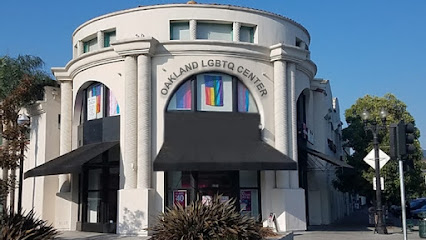
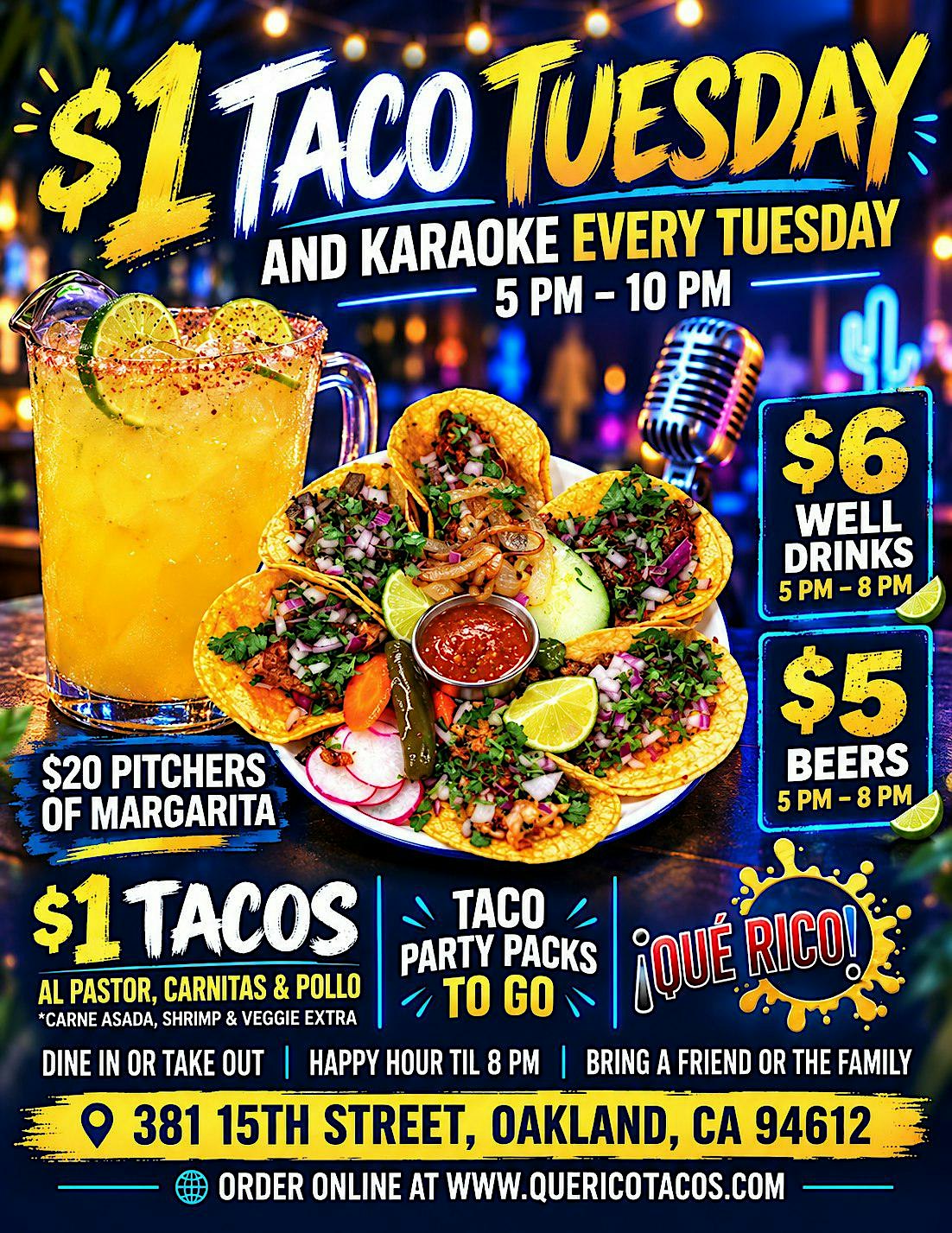
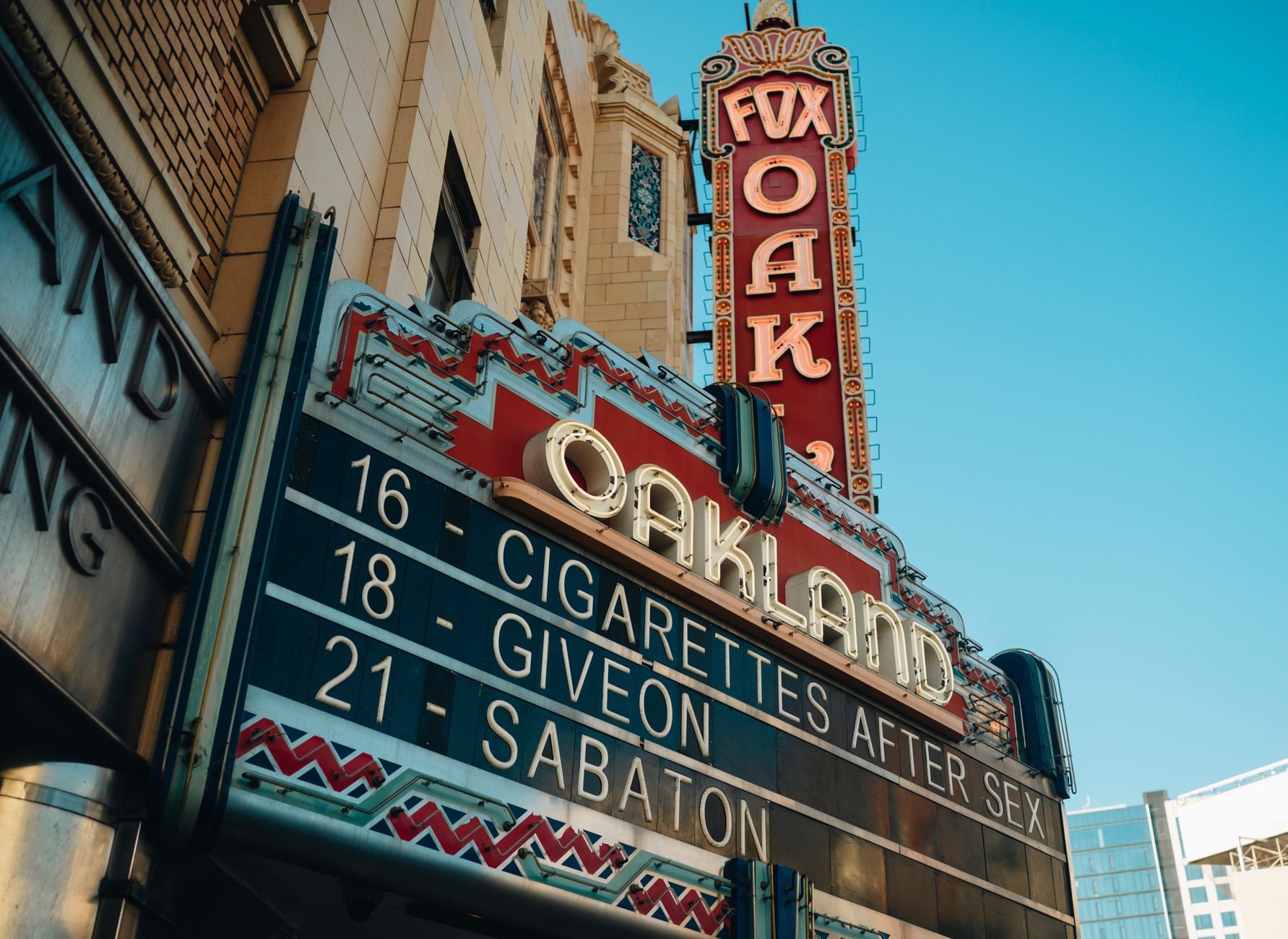
Uptown and Downtown Oakland, along the Broadway and Telegraph Avenue corridor, form the heart of the city's LGBTQ+ nightlife — home to the historic White Horse Bar (open since 1933) as well as newer queer venues like Fluid510, Town Bar & Lounge, and Qué Rico. A short distance east, the city-designated Lakeshore LGBTQ Cultural District (around Grand and Lakeshore Avenues, just off Lake Merritt) anchors community life and is home to the Oakland LGBTQ Community Center. Old Oakland adds the intimate Summer Bar & Lounge, while Jack London Square by the waterfront rounds out the dining and nightlife options.
Venues and Nightlife
While Oakland's LGBTQ+ bar scene is more intimate than San Francisco's, it is genuine and resurgent. The anchor is the White Horse Bar, one of the oldest continuously operating gay bars in the United States. Uptown's newer wave includes Fluid510, a queer-owned club and event space from the former Port Bar team; Town Bar & Lounge, a stylish cocktail bar in the historic I. Magnin building; and Qué Rico, a Latinx LGBTQ+ nightclub. Old Oakland's Summer Bar & Lounge offers a femme-forward lounge with drag and karaoke. The scene has seen real churn in recent years — longtime spots such as Port Bar (closed 2024) and Bench & Bar have shuttered — so it is still worth checking current listings, but the community and its venues remain strong.
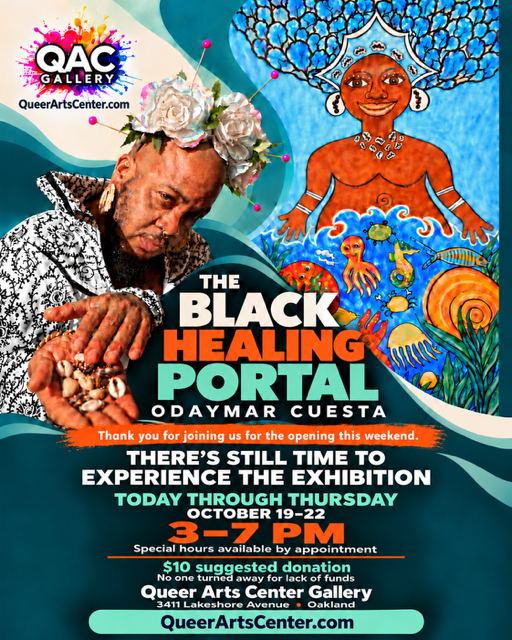
Oakland Pride takes place each September and is one of Northern California's largest Pride celebrations, with a parade through Downtown along Broadway and a festival at Frank H. Ogawa Plaza. It is produced by the Oakland LGBTQ Community Center, which stewards the event. Throughout the year, venues and galleries across the city host queer film screenings, art exhibitions, drag performances, and community gatherings.
Where to Stay
Oakland provides a range of accommodations, from budget-friendly hotels to boutique properties. Staying near Lake Merritt offers convenient access to LGBTQ+ venues, while downtown Oakland and other neighborhoods provide good transit connections. Many visitors also opt to stay in other Bay Area cities with direct BART access to Oakland.
Oakland is accessible via BART (Bay Area Rapid Transit), connecting to San Francisco and other Bay Area cities. Local bus services are provided by AC Transit. The Lake Merritt area is walkable for exploring nearby venues, and downtown Oakland is also pedestrian-friendly for shops and restaurants.
Food and Culture
Oakland is known for its diverse culinary landscape, featuring restaurants that represent global cuisines. The city hosts many queer-owned and LGBTQ+-friendly dining and drinking establishments. The cultural scene includes galleries, theaters, and music venues that present performances and exhibitions. Jack London Square offers waterfront dining and entertainment.
Day Trips and Nearby Attractions
Oakland's Bay Area location facilitates easy access to natural sites and neighboring cities. The Oakland Hills provide hiking trails. San Francisco is a short BART ride away. The Marin Headlands, Muir Woods, and other natural areas are accessible by car. Berkeley, with its own LGBTQ+-friendly scene and cultural attractions, is also nearby via BART.
Safety and Practical Considerations
As with any urban environment, safety in Oakland varies by neighborhood. The Lake Merritt and downtown areas are generally well-trafficked. Standard urban precautions, including being aware of your surroundings and using reliable transportation at night, are recommended. The LGBTQ+ community is integrated into Oakland's civic life, and the Bay Area is generally welcoming to LGBTQ+ travelers.
常見問題
Oakland has a thriving, diverse LGBTQ+ population and is known for its progressive activism and community building. While no city is entirely without risk, the LGBTQ+ community is a significant and engaged part of Oakland's identity.
Oakland does not have a single concentrated 'gayborhood.' Instead, LGBTQ+ life is spread across several areas: the Uptown and Downtown corridor along Broadway (the main nightlife hub, home to the White Horse Bar, Fluid510 and Town Bar & Lounge) and the city-designated Lakeshore LGBTQ Cultural District near Grand and Lakeshore Avenues, home to the Oakland LGBTQ Community Center.
Oakland's LGBTQ+ nightlife centers on Uptown and Downtown. The historic White Horse Bar (6551 Telegraph Ave), open since 1933, is the anchor — one of the oldest continuously operating gay bars in the US. Newer venues include Fluid510, Town Bar & Lounge in the I. Magnin building, the femme-forward Summer Bar & Lounge in Old Oakland, and the Latinx LGBTQ+ club Qué Rico.
Oakland Pride is held each September in Downtown Oakland, with a parade along Broadway and a festival at Frank H. Ogawa Plaza. It is produced by the Oakland LGBTQ Community Center and is one of Northern California's largest Pride celebrations.
Oakland's LGBTQ+ scene is described as smaller than San Francisco's. However, it hosts a thriving, diverse LGBTQ+ population estimated at around 6-8% of the city's residents.
Downtown Oakland, with its cluster of bars, restaurants, and cultural venues, is walkable and close to public transit. Piedmont Avenue offers independent shops, cafes, and bars with a progressive atmosphere. The Lake Merritt neighborhood is also popular for its green space and community feel.









 同志酒吧與俱樂部
精選
(311)