自 Obergefell v. Hodges 案(2015 年 6 月 26 日)以來,美國已實現婚姻平權。《尊重婚姻法》(Respect for Marriage Act,2022 年 12 月)確立了國會層級的保障,要求聯邦政府承認所有有效的同性及跨種族婚姻,不受未來最高法院判決的影響。Bostock v. Clayton County 案(2020…
不錯過 阿蘭薩斯港 的任何同志活動
每週一封電子報 — 週末活動清單、派對與優惠。絕不濫發垃圾郵件,隨時可取消訂閱。
Weekly event updates. Notifications appear on your lock screen.
On iPhone: first add GayOut to your Home Screen (Share → Add to Home Screen), then open it from there to enable notifications.
Port Aransas: A Coastal Texas Retreat for LGBTQ+ Travelers
Port Aransas is a small, family-friendly beach town on the Texas Gulf Coast that offers LGBTQ+ visitors a peaceful alternative to larger metropolitan gay scenes. Located in Nueces County, approximately 140 miles south of Houston and 40 miles from Corpus Christi, Port Aransas has a year-round population of around 3,500 residents that swells significantly during tourist season. The town's economy centers on fishing, tourism, and water recreation, attracting visitors from across Texas and beyond.
History and Community
Port Aransas developed as a fishing village in the late 19th century and gradually transformed into a beach resort destination. The LGBTQ+ community in Port Aransas is small but established, integrated throughout the town rather than concentrated in a historically gay neighborhood. Unlike larger Texas cities with visible gay districts, Port Aransas's LGBTQ+ presence is more dispersed, with welcoming residents and business owners scattered across the community. The town has gradually become more inclusive, particularly as younger residents and LGBTQ+-owned businesses have established themselves. Port Aransas also holds a notable place in mid-century LGBTQ+ history: the Seahorse Inn, opened on Mustang Island in 1956 by gay hotelier Jack Cobb, was for decades a celebrated bohemian retreat that drew artists, writers, and gay visitors before it closed in the 1990s.
Neighborhoods and Areas
Port Aransas's small size means neighborhoods blend together seamlessly. The downtown waterfront area along Commercial Avenue is the main commercial hub, featuring restaurants, shops, and businesses. Many visitors stay in this central area for walkability and beach proximity. The residential areas west of downtown and along the bay are quieter, popular with long-term residents and retirees. Island areas accessible by causeway, including North Padre Island and Mustang Island, offer additional beach access and quieter neighborhoods. Most LGBTQ+-friendly accommodations and businesses are located within the downtown area or adjacent neighborhoods.
Accommodations
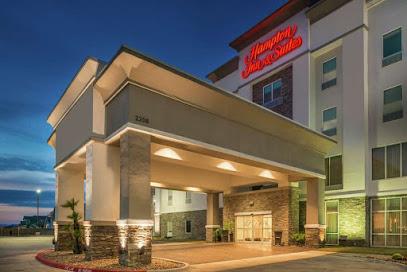
Port Aransas offers diverse lodging options, from beachfront hotels to vacation rentals. Several hotels and bed-and-breakfasts are LGBTQ+-friendly and owned by or welcoming to gay travelers. The Tarpon Inn, a historic beachfront hotel on East Cotter Avenue, is one of the oldest continuously operating hotels in Texas and is known for welcoming diverse visitors. Various vacation rental companies operate throughout Port Aransas, offering condos, houses, and apartments suitable for LGBTQ+ groups or couples. Booking platforms like Airbnb and VRBO feature numerous listings, allowing travelers to identify gay-friendly properties. During peak season (spring break, summer, Christmas holidays), accommodations book quickly and prices increase significantly.
Port Aransas has limited traditional gay nightlife compared to major cities. The town focuses on casual dining and waterfront establishments rather than dedicated gay bars or clubs. Several restaurants and casual eateries are known for welcoming LGBTQ+ clientele. Beach-themed bars and seafood restaurants dominate the dining scene, many featuring fresh Gulf catch and casual atmospheres. Popular dining areas include the downtown waterfront and Commercial Avenue, where visitors find fish tacos, seafood platters, and casual American fare. Happy hours are common at waterfront establishments, offering opportunities to meet locals and other visitors.
The absence of dedicated gay venues reflects Port Aransas's small size and family-oriented character rather than hostility toward LGBTQ+ visitors. Travelers seeking active nightlife should plan accordingly or make day trips to Corpus Christi, which has more developed bar and club scenes, approximately one hour away, including established gay bars such as The Hidden Door and The Frat House.
Events and Celebrations
Port Aransas does not host a major Pride celebration on the scale of Houston, Austin, or San Antonio. The town hosts Texas SandFest, a large sand-sculpture competition held on the beach each April, along with the Whooping Crane Festival in winter and numerous fishing tournaments throughout the year. LGBTQ+ travelers seeking Pride festivities typically drive to nearby Corpus Christi, whose Pride celebration (parade and block party) takes place each October. The focus remains on beach activities, fishing tournaments, and water sports rather than gay-specific events.
Outdoor Activities and Attractions
Port Aransas's primary appeal lies in outdoor recreation and natural attractions. The town provides excellent beach access for swimming, sunbathing, and beach activities. Mustang Island State Park offers pristine beaches, camping, and nature trails. The Port Aransas area is renowned for birding, particularly during spring and fall migrations, attracting ornithology enthusiasts. Dolphin and whale-watching tours depart regularly, often encountering bottlenose dolphins year-round. Fishing—both recreational and charter fishing—is central to the local culture and economy. The Corpus Christi Bay supports shallow-water and offshore fishing opportunities.
The nearby Aransas National Wildlife Refuge, accessible by short drive, protects critical habitat for migratory birds and endangered species like whooping cranes. Kayaking in shallow bays and estuaries offers peaceful ways to explore coastal ecosystems. Visitors interested in natural history appreciate the local marine environment and wildlife viewing opportunities.
Food and Drink
Port Aransas's food scene emphasizes fresh seafood, particularly Gulf shrimp, fish, and crab. Casual waterfront restaurants dominate, featuring fish tacos, gumbo, and ceviches reflecting Gulf Coast culinary traditions. Many establishments offer outdoor seating with bay views. Local grocery stores and farmers markets (seasonal) provide fresh produce and local products. Chain restaurants exist but are less characteristic of the town's dining culture. Visitors with dietary restrictions will find accommodations at most establishments, though specialized options are more limited than in larger cities.
Getting Around
Port Aransas requires a car for most activities. The town spans both the mainland and barrier islands, accessible by causeway. Public transportation is minimal; taxi services and ride-sharing apps operate but are limited compared to urban areas. Biking is viable in downtown areas and along some roads, though traffic can be heavy during peak season. Downtown is relatively walkable for dining and shopping. Most attractions, state parks, and beaches require vehicle access.
Safety Considerations
Port Aransas is generally safe for LGBTQ+ travelers. Crime rates are comparable to small Texas coastal towns. Public displays of affection are accepted in most areas without incident, though discretion is appropriate in more conservative settings. The town's small size means visibility is higher; LGBTQ+ visitors may encounter curiosity rather than hostility. Local law enforcement and business owners are generally welcoming. Visitors should exercise standard safety precautions regarding valuables, beach safety, and weather awareness. Hurricane season (June-November) requires attention to weather reports.
Day Trips and Nearby Areas
Corpus Christi, approximately 40 minutes away, offers larger dining, shopping, and entertainment options, including more developed gay nightlife. The USS Lexington Museum, Corpus Christi Museum of Science and History, and Padre Island National Seashore attract visitors. Rockport, a charming artistic community 45 minutes north, features galleries, studios, and waterfront dining. The King Ranch, one of America's largest ranches, offers tours. South Padre Island, approximately 90 minutes south, is a larger beach destination with more extensive tourism infrastructure.
When to Visit
Port Aransas experiences mild winters (40-60°F) and hot summers (85-95°F). Spring (March-May) and fall (September-November) offer comfortable weather and lower crowds than peak summer season. Hurricane season (June-November) requires awareness of weather patterns. Spring break (March-April) and summer school vacation bring significant crowds and higher prices. Winter attracts retirees and those seeking mild weather. Birding enthusiasts prefer spring and fall migrations.
Conclusion
Port Aransas appeals to LGBTQ+ travelers seeking a quiet beach escape focused on outdoor activities and natural beauty rather than urban gay scenes. The town's small, welcoming community, excellent water recreation, and coastal charm attract those prioritizing relaxation over nightlife. While lacking dedicated gay venues and large Pride events, Port Aransas offers genuine hospitality and a peaceful alternative to major tourist destinations. Visitors should adjust expectations accordingly, viewing the town as a nature-focused beach destination where LGBTQ+ travelers are welcome rather than a dedicated gay destination. For those seeking an authentic Texas Gulf Coast experience with good food, wildlife viewing, and beach time, Port Aransas delivers a genuine, unhurried experience.
常見問題
Port Aransas 被描述為大型同志社交圈之外一個寧靜的替代選擇,擁有友善包容的社群。雖然這是一座小鎮,但 LGBTQ+ 的存在已融入當地生活的各個層面,居民與商家皆展現出熱情的歡迎態度。


 友善同志友善飯店
(747)