自 Obergefell v. Hodges 案(2015 年 6 月 26 日)以來,美國已實現婚姻平權。《尊重婚姻法》(Respect for Marriage Act,2022 年 12 月)確立了國會層級的保障,要求聯邦政府承認所有有效的同性及跨種族婚姻,不受未來最高法院判決的影響。Bostock v. Clayton County 案(2020…
Santa Monica has long been part of the broader Los Angeles gay scene, with roots in the counterculture movements of the 1960s and 70s. While West Hollywood eventually became Los Angeles's primary gay neighborhood, Santa Monica developed its own identity as a progressive beach town with a significant LGBTQ+ population. The city's strong environmental and social justice movements have historically aligned with LGBTQ+ activism, creating a naturally inclusive environment.
Unlike more concentrated gay neighborhoods, Santa Monica's queer community is dispersed throughout the city but well-integrated into civic life. The city has had openly gay city council members, strong domestic partnership policies, and numerous LGBTQ+-owned businesses. This integration reflects both the city's overall liberalism and its character as an affluent, educated community.
Neighborhoods and Areas
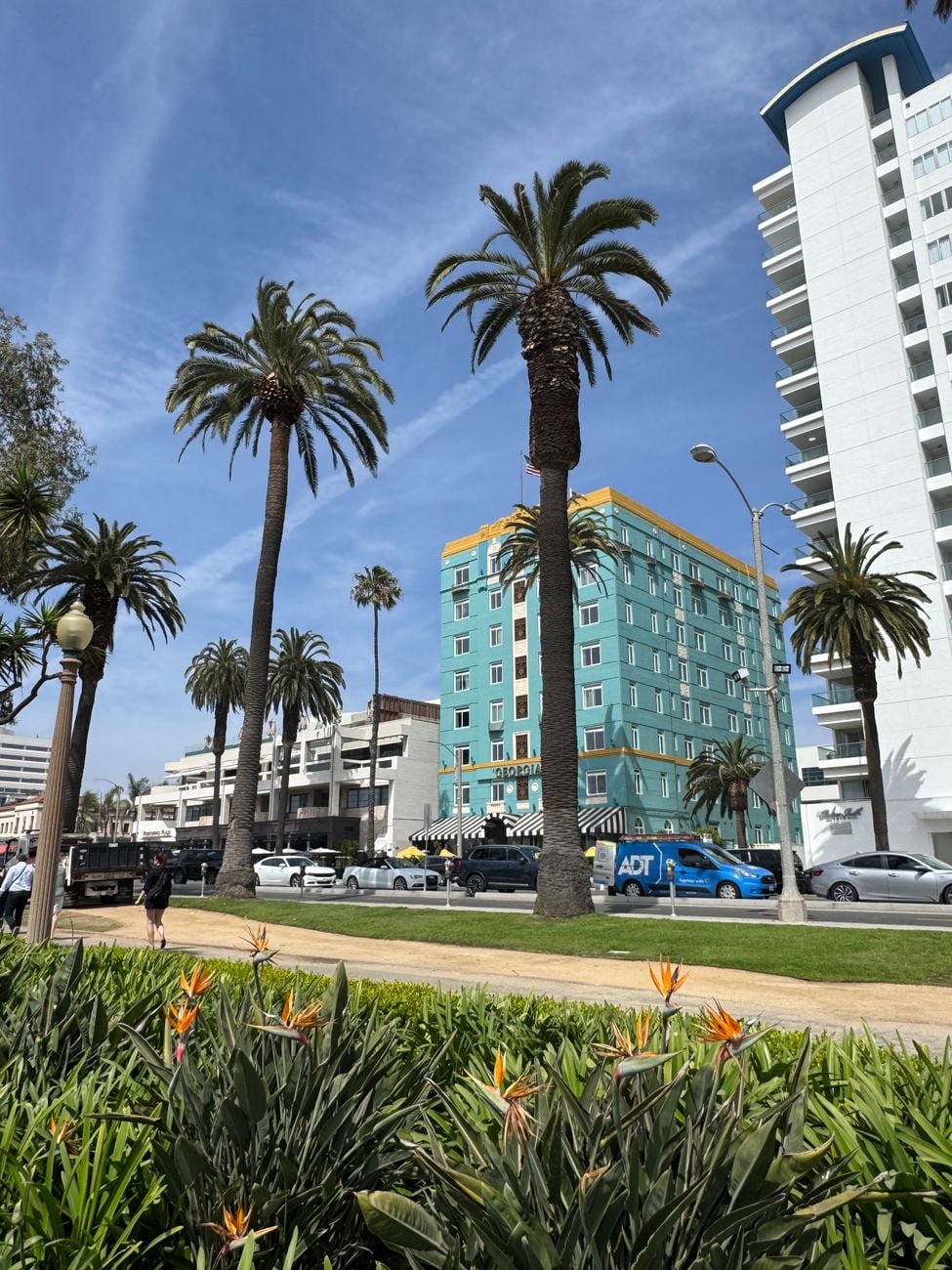
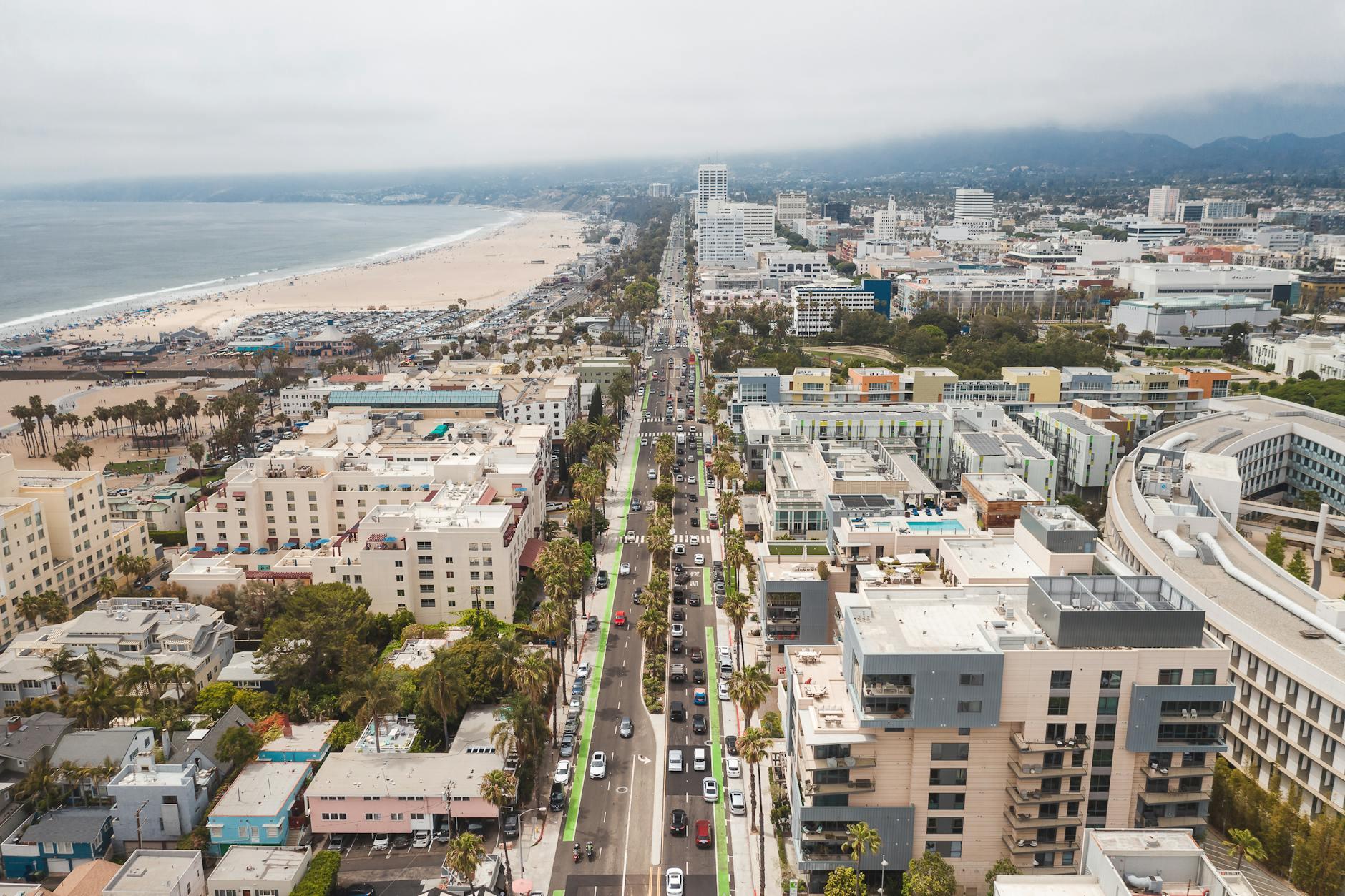
Downtown Santa Monica, centered around the Third Street Promenade and Santa Monica Boulevard, is the most vibrant commercial area and hosts many LGBTQ+-friendly venues and businesses. This pedestrian-friendly district features shops, restaurants, and entertainment venues with strong LGBTQ+ participation and visibility.
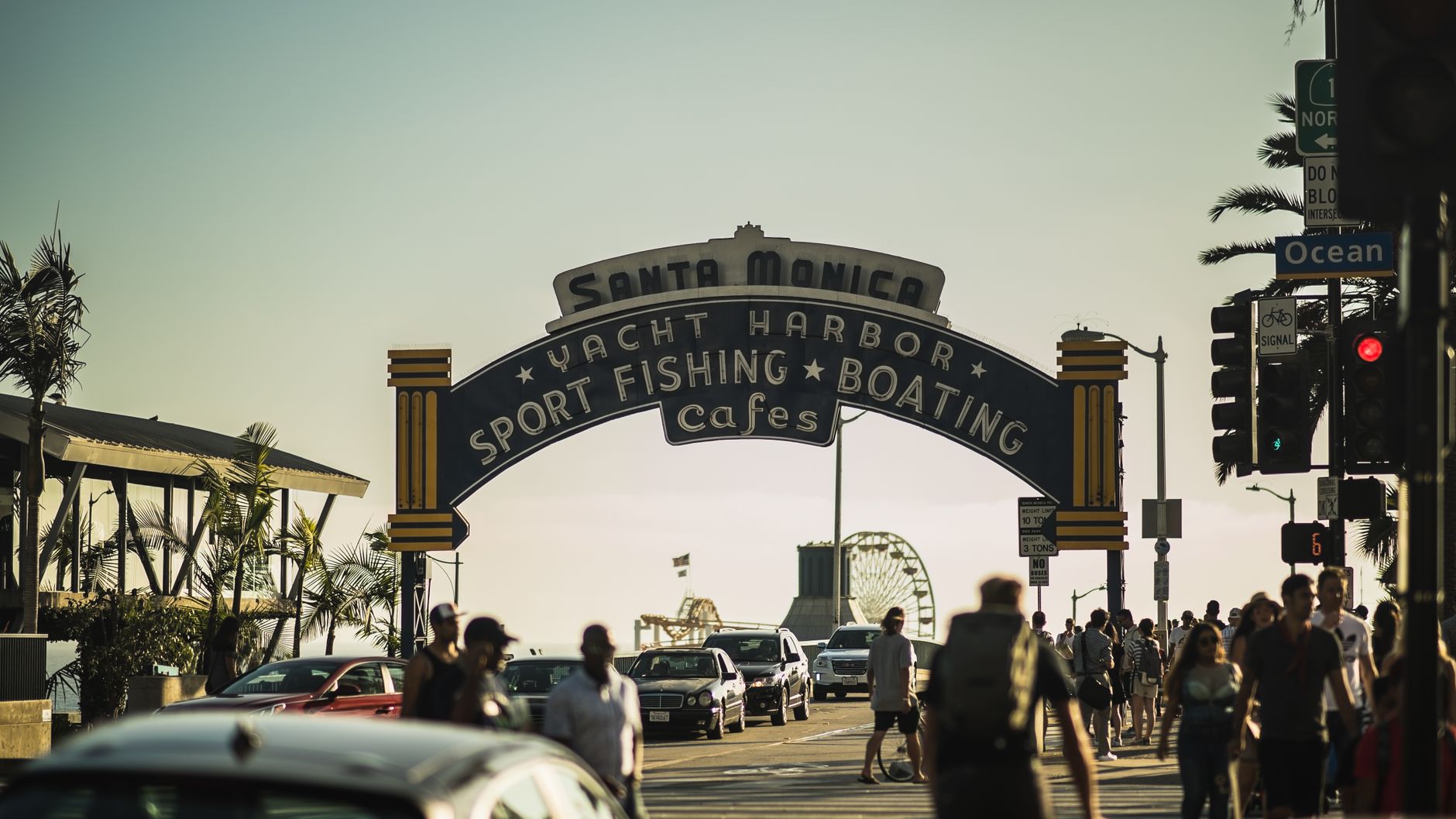
The Beach and Pier area, while not exclusively gay, is extremely welcoming and frequented by LGBTQ+ visitors and locals. The area's historic gay beach, however, is Ginger Rogers Beach — the northern stretch of Will Rogers State Beach up toward Sunset Boulevard (around lifeguard towers 17–18) — a gathering spot for LA's queer community since the 1940s.
The Pico Boulevard corridor has restaurants and businesses with LGBTQ+ ownership and clientele. The Ocean Park neighborhood, south of the pier, contains residential areas popular with gay couples and families.
Venues and Nightlife
Santa Monica's dedicated gay nightlife is minimal — the city itself has no gay bar. The closest is Roosterfish in neighbouring Venice (1302 Abbot Kinney Boulevard), a beloved neighbourhood gay bar that first opened in 1979, briefly closed in 2016, and reopened in 2019 under a covenant keeping it a gay bar; it is often called the only gay bar west of the 405. In Santa Monica proper, mainstream spots such as The Bungalow, an oceanfront cocktail lounge near the pier, draw a mixed, gay-welcoming crowd rather than a specifically gay one.
Various restaurants and lounges throughout downtown Santa Monica are owned by or cater to LGBTQ+ clientele. The Third Street Promenade frequently hosts LGBTQ+ community events and gatherings, particularly during Pride season.
For those seeking a more robust nightlife scene, West Hollywood is only 20-30 minutes away and offers numerous gay bars, clubs, and bathhouses. Many Santa Monica residents and visitors make the short trip for specific events or nights out.
Santa Monica Pride
SaMo Pride, launched in 2019, is Santa Monica's own Pride celebration. Rather than a traditional parade, it takes the form of a month of family-friendly events each June — Pride on the Promenade, Pride on the Pier, drag storytimes and community gatherings around Downtown, the Third Street Promenade and the Santa Monica Pier, produced by the city with local businesses. It is a modest, community-scale affair; the region's large Pride parades take place a short drive east in West Hollywood (WeHo Pride) and Hollywood (LA Pride), both also in June.
Throughout SaMo Pride month, hotels, restaurants and shops around Downtown and the Pier join in with window displays, special menus and small events. For the big circuit parties and main parades, most visitors head to West Hollywood or Hollywood.
Circuit Events
While Santa Monica itself doesn't host major circuit parties, proximity to Los Angeles and West Hollywood means access to significant dance events, particularly around Pride weekend. Los Angeles hosts major circuit events throughout the year, with Pride season (June) being the biggest.
Accommodations
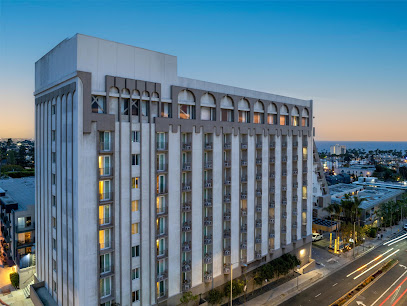
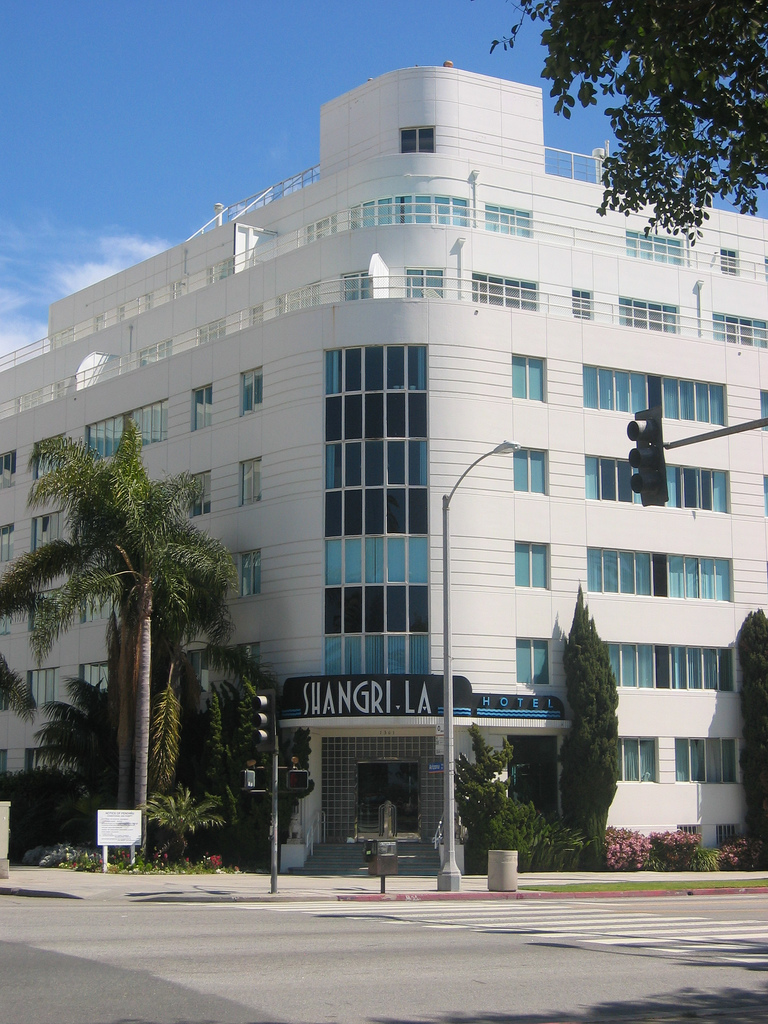
Santa Monica offers numerous hotel options welcoming to LGBTQ+ guests. The Fairmont Miramar, located beachfront, is a luxury option popular with gay travelers. The Shore Hotel is another oceanfront property with strong LGBTQ+ clientele. The Huntley Hotel, perched above the pier with views, is another upscale option.
Mid-range options include the Santa Monica Hotel Collection properties and various oceanfront motor lodges. Airbnb offers numerous gay-friendly vacation rentals throughout the city, from beachfront properties to bungalows in residential neighborhoods.
Where to Stay: The oceanfront area near the pier offers the classic Santa Monica beach experience. Downtown Santa Monica near the Third Street Promenade provides walkability and nightlife access. The Ocean Park neighborhood offers quieter residential charm, popular with couples and families.
Santa Monica's restaurant scene is excellent and diverse, and gay diners are welcome throughout. Main Street, Montana Avenue and the Third Street Promenade are lined with cafes, seafood spots and international kitchens; nearby in Venice, the Out of the Closet thrift store supports HIV/AIDS services through the AIDS Healthcare Foundation.
Beachfront dining options include casual fish tacos, upscale seafood restaurants, and international cuisine. The farmer's market on Wednesday and Saturday mornings on Main Street features local produce, prepared foods, and flowers.
Transit and Getting Around
Santa Monica is highly walkable, particularly the beach, pier, and downtown areas. The Big Blue Bus operates local public transit throughout Santa Monica and connects to broader Los Angeles transit. The Santa Monica Pier Shuttle provides free service along the waterfront.
Parking is available but limited and often paid. Biking is popular and encouraged, with bike lanes throughout the city. Lime and similar scooter companies operate in Santa Monica. Uber and Lyft are widely available.
From Los Angeles International Airport (LAX), visitors can take the FlyAway shuttle directly to Santa Monica, take the Big Blue Bus, or use rideshare services (typically 20-40 minutes depending on traffic).
For accessing West Hollywood's gay scene or other LA destinations, the car-dependent nature of Los Angeles means either renting a car or using rideshare services for nightlife.
Safety Considerations
Santa Monica is generally very safe, including for LGBTQ+ travelers. The city has active policing, well-lit public spaces, and strong community support for LGBTQ+ residents and visitors. Violent crime is uncommon, and hate crimes are rare in this liberal, educated community.
Standard urban safety precautions apply: avoid isolated areas late at night, be aware of surroundings, and use rideshare rather than walking alone after dark from nightlife venues. The beach and downtown areas are generally safe even in evening hours due to crowds and lighting.
Santa Monica is consistently ranked among America's safest cities and has strong LGBTQ+ community representation in city government and law enforcement.
Day Trips and Extended Exploration
Santa Monica's location makes it ideal for exploring broader Los Angeles. West Hollywood's gay scene is 20-30 minutes away and offers numerous gay bars, clubs, and bathhouses. The Getty Villa in nearby Pacific Palisades offers world-class art and Mediterranean gardens. Griffith Observatory and Hollywood are accessible for day trips.
Malibu is 30 minutes north along Pacific Coast Highway, offering dramatic coastal scenery, hiking, and beaches. The Santa Monica Mountains provide hiking trails with ocean views. Venice Beach, immediately south, offers the Venice Boardwalk's eclectic culture.
Downtown Los Angeles has undergone significant revitalization and offers museums, restaurants, and nightlife. The Broad, LACMA, and Getty Center are world-class museums within 30-45 minutes.
Best Times to Visit
Summer (June-August) offers warm weather, beach swimming, and Pride celebrations, but brings crowds and higher prices. Fall (September-November) provides excellent weather with fewer crowds. Winter (December-February) is mild by national standards, though beach swimming is less popular. Spring (March-May) offers moderate temperatures and fewer crowds than summer.
Santa Monica Pride in June makes that month peak season. Weekdays are less crowded than weekends throughout the year.
Practical Information
Santa Monica uses standard US electrical outlets (110V, 60Hz). US cell networks work throughout the city. The city is extremely walkable in key areas but car-dependent for broader exploration. English is the primary language, though Spanish is widely spoken.
The city is generally expensive compared to other US beach towns, reflecting Los Angeles real estate values and tourism costs. Budget accordingly for hotels, dining, and activities.
Conclusion
Santa Monica offers LGBTQ+ travelers a unique California beach experience combined with genuine community welcome and accessibility to one of America's major gay scenes. The city's relaxed vibe, beautiful oceanfront location, and progressive values make it an excellent destination for various types of LGBTQ+ travelers, whether seeking beach culture, Pride celebration, or a gay-friendly base for exploring Los Angeles.
聖塔莫尼卡市中心,尤其是 Third Street Promenade 周邊,是主要的商業與社交中心,擁有許多 LGBTQ+ 經營或對同志友善的商家。Main Street 則散發著悠閒且充滿藝術氣息的氛圍,深受 LGBTQ+ 遊客喜愛。
Santa Monica 本身沒有專屬於男同志的酒吧。最近的是位於鄰近 Venice 的 Roosterfish(1302 Abbot Kinney Blvd),這是一間歷史悠久的男同志酒吧,於 2019 年重新開幕,常被稱為 405 號公路以西唯一的男同志酒吧。若想體驗完整的男同志酒吧街區,West Hollywood 距離約 20–30 分鐘車程,位於東邊。
Santa Monica
SaMo Pride 每年六月以一系列小型、適合家庭參與的活動形式舉行——包括「Pride on the Promenade」、「Pride on the Pier」以及社區聚會——而非大型遊行。若想參加六月的大型同志驕傲遊行,可往東短程開車前往西好萊塢(WeHo Pride)或好萊塢(LA Pride)。



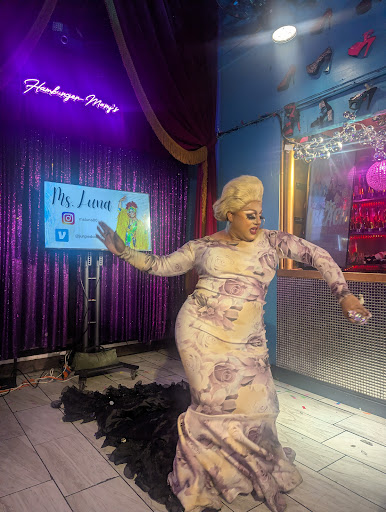


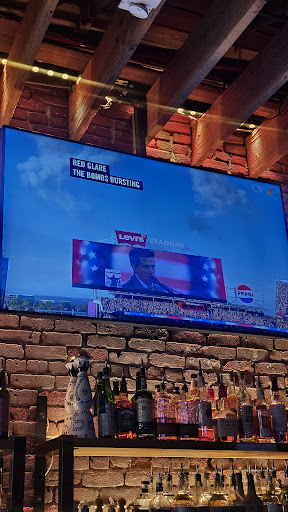
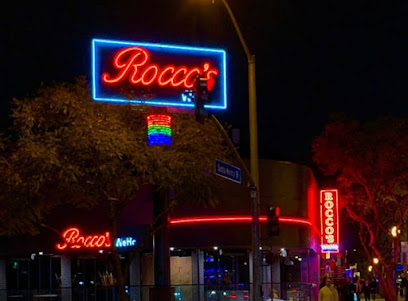
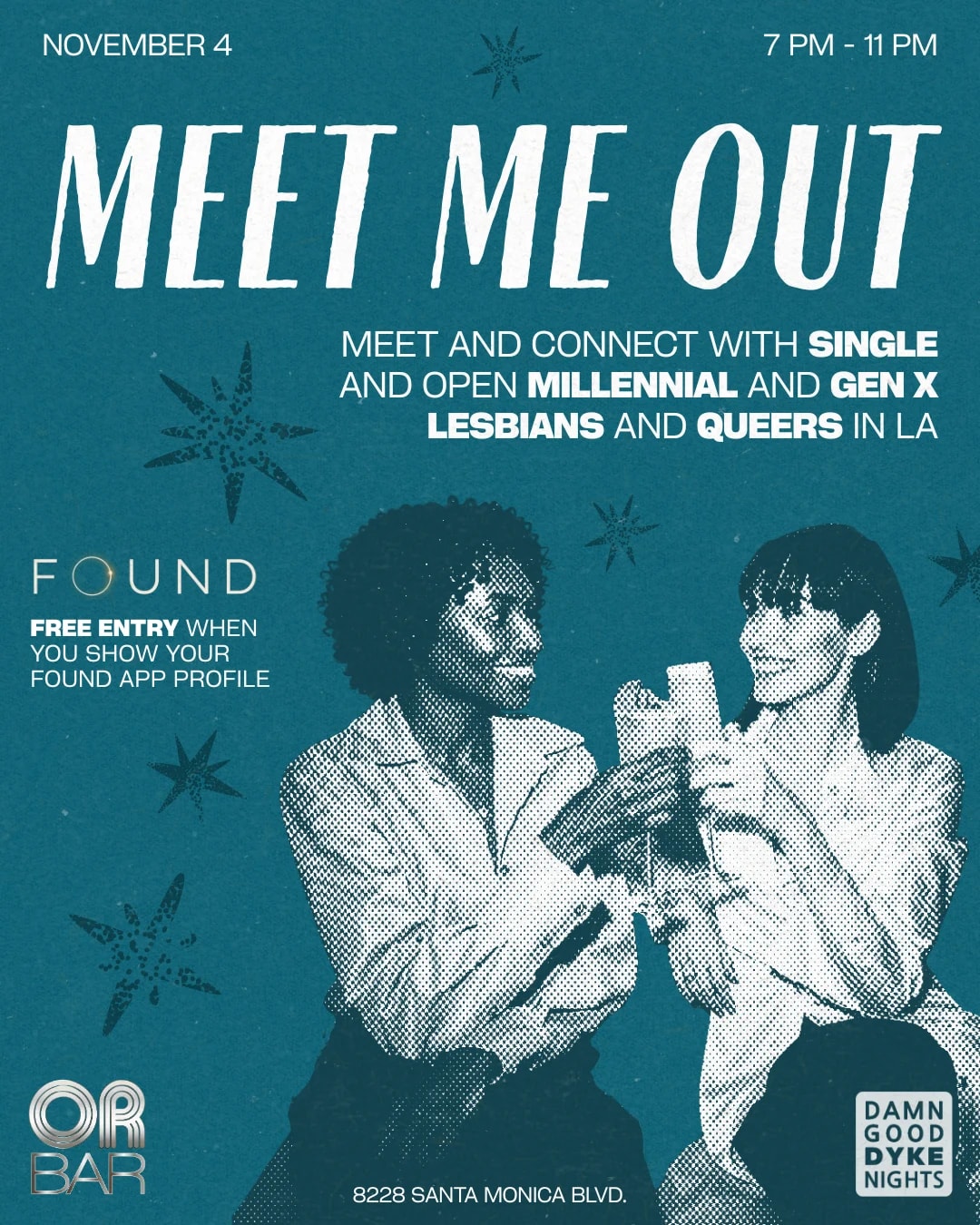

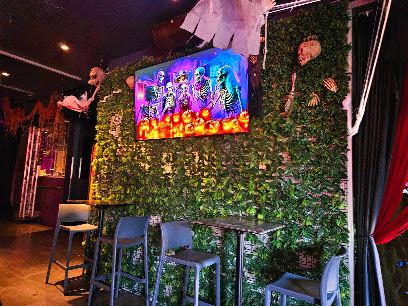
 友善同志商店
(15)