自 Obergefell v. Hodges 案(2015 年 6 月 26 日)以來,美國已實現婚姻平權。《尊重婚姻法》(Respect for Marriage Act,2022 年 12 月)確立了國會層級的保障,要求聯邦政府承認所有有效的同性及跨種族婚姻,不受未來最高法院判決的影響。Bostock v. Clayton County 案(2020…
St. Augustine is a unique destination for LGBTQ+ travelers seeking something different from the typical Florida gay circuit. As the oldest continuously occupied European settlement in the continental United States (founded 1565), the city offers layers of history alongside a welcoming modern community. The LGBTQ+ scene here is smaller and less commercialized than Miami or Fort Lauderdale, but that's precisely its appeal for many visitors.
History of St. Augustine's LGBTQ+ Community
St. Augustine's LGBTQ+ visibility has grown significantly since the 1990s, though the community has always existed within the city's bohemian and artistic circles. The city's reputation as an arts and culture destination attracted LGBTQ+ individuals seeking refuge and creative expression. Over the past two decades, the community has organized Pride events, established LGBTQ+-friendly businesses, and become increasingly visible in local civic life. Today, while not as prominently marketed as Key West or Miami Beach, St. Augustine is genuinely welcoming to queer visitors and residents.
Neighborhoods
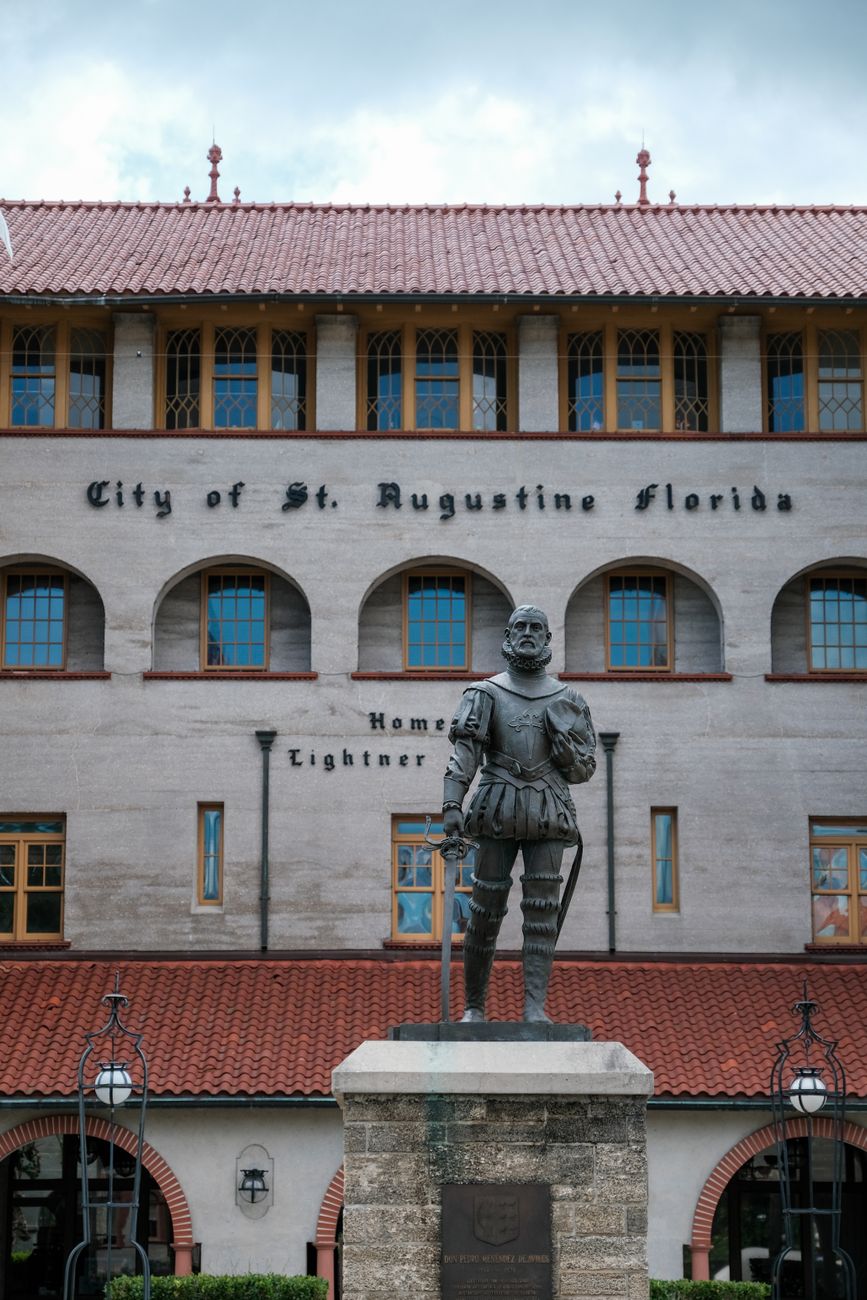
Downtown St. Augustine, particularly around King Street and San Marco Avenue, is the commercial and social heart of the city. This historic district features Spanish colonial architecture, pedestrian-friendly streets, galleries, shops, and restaurants. Many LGBTQ+-owned or LGBTQ+-friendly businesses cluster here. The Cathedral, Fort, and waterfront areas are walkable and safe, with plenty of tourist infrastructure.
The Lincolnville neighborhood, historically the African American district, has experienced revitalization and gentrification in recent years. It's increasingly popular with artists and younger residents, including LGBTQ+ individuals, and hosts galleries, studios, and eclectic dining spots.
San Marco Avenue runs north-south and is lined with Victorian homes, antique shops, and boutiques. It's pedestrian-friendly and attracts an artistic, progressive demographic.
Venues and Nightlife
St. Augustine has fewer dedicated gay bars than larger Florida cities, reflecting its smaller population and character. However, the scene is inclusive rather than exclusionary. Several bars and lounges throughout downtown are popular with LGBTQ+ patrons and known for welcoming all guests.
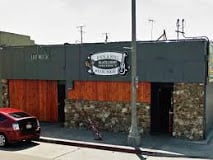
The Floridian restaurant, located on Spanish Street just off the main downtown strip, is a beloved locavore institution among locals (both LGBTQ+ and straight), known for creative farm-to-table Southern food and a progressive atmosphere; it regularly hosts House of Prism's drag brunch. It's popular for casual drinks and dining.
While St. Augustine lacks large nightclubs, several downtown bars offer live music, DJs on weekends, and social atmospheres where LGBTQ+ guests feel comfortable. Venues change ownership and focus periodically, so checking current local listings and LGBTQ+ event pages before visiting is advisable.
There are no saunas or bathhouses in St. Augustine.
Pride and Events
St. Augustine Pride occurs each June and has grown into a significant regional event, organized by the local nonprofit House of Prism. The celebration includes a downtown parade stepping off from King Street, followed by a festival at Eddie Vickers Park in the Lincolnville neighborhood, with drag performances, live entertainment, and vendor booths. The 2026 Pride Parade & Festival is set for Saturday, June 13. Beyond Pride, House of Prism runs year-round LGBTQ+ programming, including the recurring Prismatic Drag Brunch, drag bingo, and community meetups. It's a lively but not overwhelming event that draws several thousand visitors. The exact dates vary annually, so advance planning is recommended.
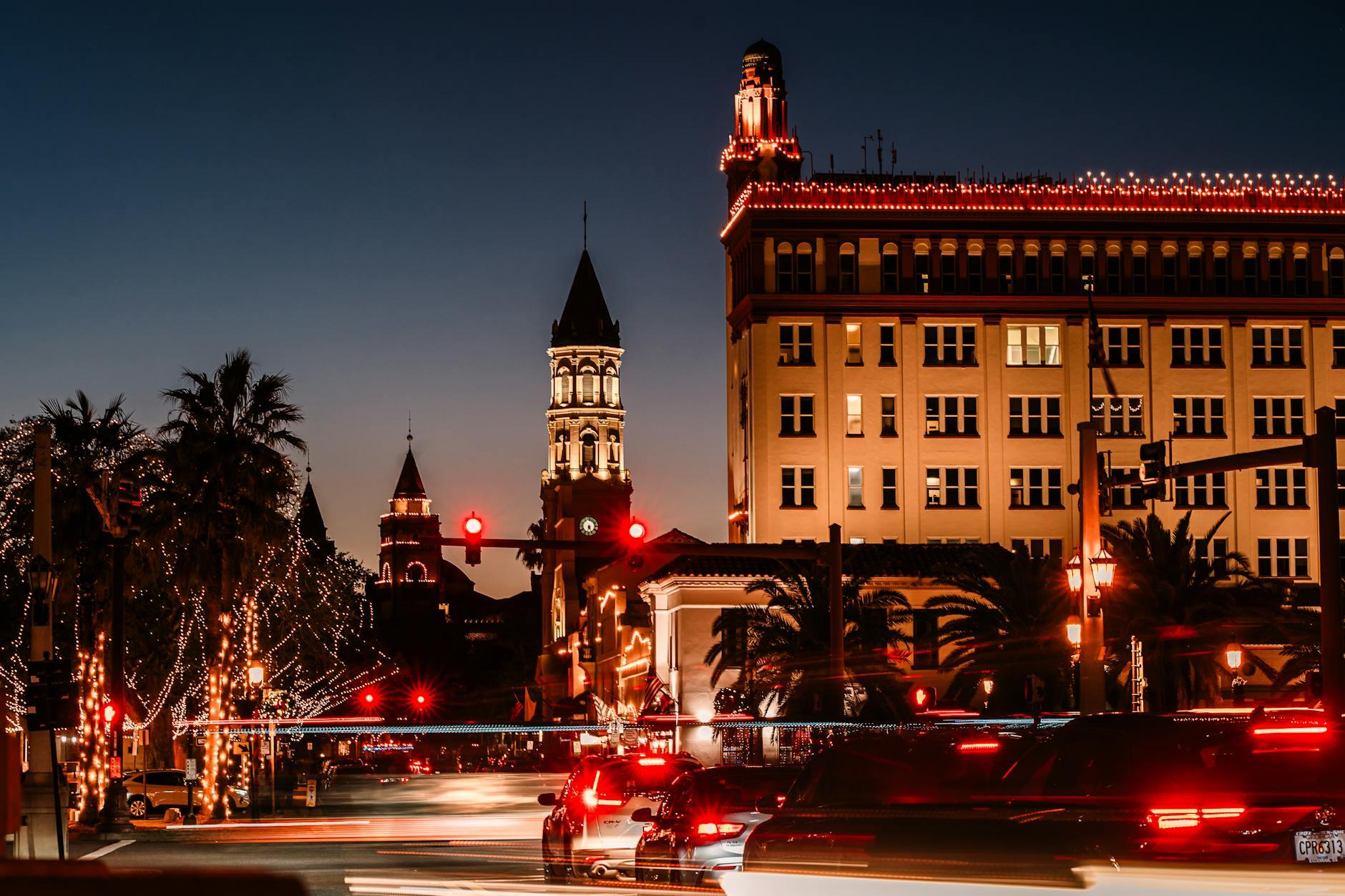
Beyond Pride, the city hosts various arts festivals, outdoor markets, and cultural events throughout the year that are generally LGBTQ+-inclusive. The annual Nights of Lights (November through February) features historic buildings illuminated with period-appropriate lights and holiday events.
Where to Stay
St. Augustine offers numerous accommodation options ranging from historic bed-and-breakfasts to larger hotels. Many locally owned inns and small hotels are LGBTQ+-friendly and some are LGBTQ+-owned. Downtown locations provide walkability and access to restaurants and attractions. Several boutique hotels occupy restored historic buildings.
Booking platforms like Purple Roofs (a directory of LGBTQ+-owned and LGBTQ+-friendly accommodations) can help identify welcoming properties. Prices are generally moderate compared to Miami or Key West, particularly outside peak season (summer and holidays).
St. Augustine is generally very safe for LGBTQ+ travelers. Public displays of affection are common and accepted in downtown areas. The city is compact and very walkable, with most attractions within 1-2 miles of the downtown historic district. Parking downtown is limited, so walking or using the old trolleys is recommended. A free trolley service connects downtown to outlying areas seasonally.
The city is located 40 miles south of Jacksonville and about 350 miles north of Miami. Visitors typically fly into Jacksonville International Airport and rent a car or take a shuttle service. I-95 provides direct access. Once in the city, walking is the primary mode of transportation, though rental cars are useful for beach trips and exploring further afield.
Food and Dining
St. Augustine's dining scene is strong, with numerous independent restaurants, cafes, and seafood spots. The Floridian (mentioned above) is excellent for cocktails and creative Southern cuisine. Other well-regarded establishments include Ice Plant Bar (craft cocktails), Spanish restaurants reflecting the city's heritage, and various casual cafes along San Marco Avenue.
Seafood is prominent given the coastal location, and visitors will find both upscale and casual options. Many restaurants source locally and emphasize fresh ingredients. The city has vegetarian and vegan options, though it's not particularly known as a vegetarian destination.
Day Trips and Nearby Attractions
Anastasia State Park offers beach access, hiking, and nature exploration about 5 miles south of downtown. This is ideal for a beach day without leaving the immediate area.
Daytona Beach and New Smyrna Beach are accessible day trips (about 45 minutes north), offering wider beaches and additional beach town amenities.
Orange juice plantations, natural springs, and state parks are scattered throughout central Florida within 1-2 hours, appealing to nature-focused travelers.
Key West, famous for its LGBTQ+ scene and winter party circuit, is about 5 hours south by car. Some visitors combine a St. Augustine weekend with a Key West trip.
Within downtown itself, the historic district offers walking tours (including ghost tours, which are extremely popular), the Castillo de San Marcos fortress, museums, and galleries. Most attractions are within walking distance or a short trolley ride.
Practical Tips
Visit during June for Pride if seeking an organized LGBTQ+ event experience (the parade and festival are organized by the local nonprofit House of Prism). The Nights of Lights (November-February) is beautiful but very busy.
Wear comfortable walking shoes; downtown is brick-paved and pedestrian-oriented.
Book accommodations in advance, especially for Pride weekend and peak summer/holiday seasons.
Check current event listings and venue information before traveling, as smaller establishments occasionally close or change hours.
The city is genuinely LGBTQ+-friendly, but St. Augustine is not a gay party destination in the way Miami or Key West might be. It's better suited for visitors seeking culture, history, relaxation, and authentic community connection rather than high-energy nightlife.
St. Augustine rewards visitors who appreciate history, walkability, local art and food, and a slower pace. The LGBTQ+ community here is welcoming, and the city offers a refreshingly different Florida gay travel experience.
常見問題
聖奧古斯丁沒有明確的同志街區,但 LGBTQ+ 生活集中在可步行前往的歷史市中心區——包括 King Street、San Marco Avenue 和灣畔一帶——這裡充滿了藝廊、精品店和餐廳。相鄰的 Lincolnville 社區是一個充滿藝術氣息且煥然一新的區域,在 Eddie Vickers Park 舉辦 St. Augustine Pride,並吸引許多 LGBTQ+ 居民與創作者。
聖奧古斯丁沒有專屬於男同志的酒吧或夜店——這座城市規模不大,因此夜生活氛圍是 LGBTQ 友善而非男同志專屬。值得推薦的場所包括 Ice Plant Bar(一家提供手工調酒與農場直送料理的酒吧)以及 The Floridian(位於西班牙街的一家在地食材餐廳),但這些都是混合客群的場所,並非男同志酒吧。當地的非營利組織 House of Prism 舉辦最熱鬧的酷兒之夜——定期在市中心不同地點輪流舉辦的變裝皇后早午餐、變裝賓果遊戲和喜劇活動。若想體驗完整的男同志酒吧場景,則可前往約北邊 40 分鐘車程的傑克遜維爾。
聖奧古斯丁的 Pride 於每年六月舉行,由當地非營利組織 House of Prism 主辦。2026 年的 Pride 遊行暨慶典將於 6 月 13 日(星期六)登場——遊行自 King Street 出發,隨後在 Lincolnville 的 Eddie Vickers Park 舉辦慶典,現場有變裝表演、現場音樂及攤位市集。這是一場熱鬧卻親切的地區性活動,而非大型 Circuit 派對。
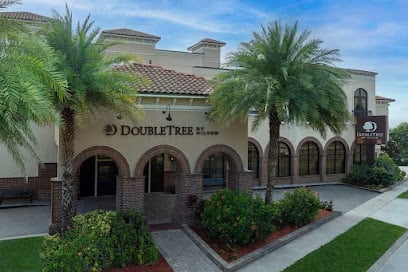
是的。聖奧古斯丁有許多對 LGBTQ 友善的住宿選擇,主要為歷史悠久的家庭式旅館(bed-and-breakfast)與精品旅店,集中於市中心歷史街區及其周邊——包括 DoubleTree by Hilton St. Augustine Historic District、Bayfront Marin House、The Collector Luxury Inn & Gardens、Casablanca Inn on the Bay 以及 Lions and Lanterns。許多為本地經營,部分為同志擁有;入住市中心可讓餐廳與景點皆在步行距離內。


 友善同志友善飯店
(1679)