


 حانات ونوادٍ مثلية ودودة
(216)
حانات ونوادٍ مثلية ودودة
(216)

دليل مجتمع الميم في جوليت 2026
دليل السفر لمجتمع الميم+ ودليل المدن · Illinois
150,362 ساكن
14:38 GMT-05:00
عرض على الخريطة
24°C · Cloudy
USD $
ORD · 51 km
خطط رحلة 3 أيام في جوليت
1 حانات ونوادٍ مثلية
14 فنادق صديقة للمثليين
2 منظمات مجتمع الميم+
الوضع القانوني لمجتمع الميم+ في الولايات المتحدة
بناءً على القوانين الوطنية حتى عام 2025
81/100
صديق لمجتمع الميم+
Legal 46/60 · Scene 35/40 · United States national score
United States — Gay Travel Index profile →
قارن بين 208 دول ومناطق ←
Legal rights details
✓
العلاقات المثلية قانونية
✓
سن الموافقة متساوٍ
✓
شراكة / اتحاد مدني
✓
زواج المثليين
✓
حقوق التبني
✓
قانون مناهضة التمييز
✓
تغيير الجنس قانوني
مساواة الزواج منذ قضية Obergefell v. Hodges (26 يونيو 2015). يوفر قانون احترام الزواج (ديسمبر 2022) حدًا أدنى فيدراليًا، يتطلب الاعتراف الفيدرالي بجميع الزيجات الصالحة بين نفس الجنس والزيجات بين الأعراق بغض النظر عن قرارات المحكمة العليا المستقبلية. قضت قضية Bostock v. Clayton County (2020) بأن الباب السابع من قانون الحقوق المدنية يحظر التمييز في التوظيف على أساس التوجه الجنسي والهوية الجنسانية. لا يوجد قانون فيدرالي شامل لمكافحة التمييز في الإسكان أو الأماكن…
الفعاليات القادمة في جوليت
تعرف فعالية غير مدرجة هنا؟
+ أضفها الآن
لا تفوّت أي فعالية للمثليين في جوليت
بريد إلكتروني واحد في الأسبوع — جدول نهاية الأسبوع، الحفلات والعروض. لا رسائل مزعجة، يمكنك إلغاء الاشتراك في أي وقت.
Weekly event updates. Notifications appear on your lock screen.
On iPhone: first add GayOut to your Home Screen (Share → Add to Home Screen), then open it from there to enable notifications.
حانات ونوادٍ مثلية ودودة في جوليت
حانات ونوادٍ مثلية ودودة
(216)
فنادق صديقة للمثليين ودودة في جوليت
عرض جميع 14 ←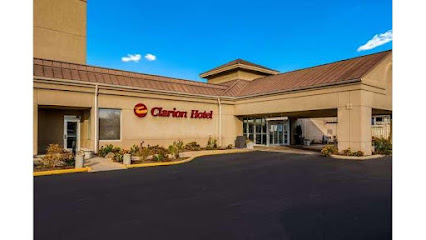 فندق صديق للمثليين ودودة
(1034)
فندق صديق للمثليين ودودة
(1034)
فندق Clarion Hotel & Convention Center Joliet
فندق صديق للمثليين ودودة
غرف غير رسمية، مطعم/بار ومركز لياقة بدنية، بالإضافة إلى مرافق للمؤتمرات.
gay-friendly
صديق لمجتمع الميم+
سبتمبر 2026
 فندق صديق للمثليين ودودة
(259)
فندق صديق للمثليين ودودة
(259)
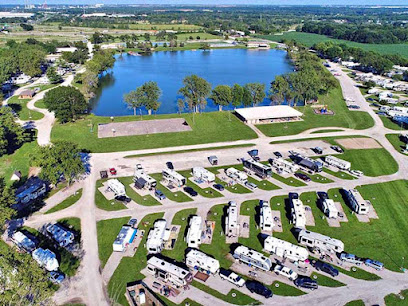
منتجع Leisure Lake Membership
فندق صديق للمثليين ودودة
Leisure Lake Membership Resort: An LGBTQ+ friendly resort in Joliet, IL offering a welcoming escape for all travelers.
gay-friendly
صديق لمجتمع الميم+
سبتمبر 2026
 فندق صديق للمثليين ودودة
(3945)
فندق صديق للمثليين ودودة
(3945)
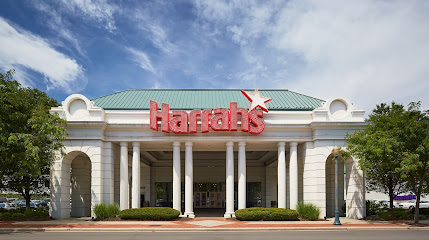
Harrah's Joliet - A Caesars Rewards Destination
فندق صديق للمثليين ودودة
Harrah's Joliet: تجربة فندق وكازينو شاملة، ترحب بجميع المسافرين في Joliet, IL.
gay-friendly
صديق لمجتمع الميم+
سبتمبر 2026
 فندق صديق للمثليين ودودة
(1121)
فندق صديق للمثليين ودودة
(1121)
فندق Red Roof Inn Chicago - Joliet
فندق صديق للمثليين ودودة
غرف تقليدية في فندق بسيط يقدم خدمة الواي فاي المجانية، وقهوة، ومواقف للسيارات.
gay-friendly
صديق لمجتمع الميم+
سبتمبر 2026
أين تقيم في جوليت
via Stay22أين تقيم في جوليت
Loading map…
🎟️ جولات وتجارب في جوليت
عبر GetYourGuideتذاكر تخطّي الطابور، جولات سيراً، رحلات يومية وتجارب فريدة صديقة لمجتمع الميم+ — احجز فوراً مع إلغاء مجاني.



- إلغاء مجاني
- احجز الآن وادفع لاحقاً
- تذاكر على الهاتف
منظمات مجتمع الميم+ في جوليت


مزيد من الأدلة حول جوليت
دليل السفر
مجتمع الميم في جوليت — دليلك الشامل
كل ما يستحق المعرفة قبل السفر.
Queer-welcoming spots
17
LGBTQ+ status
Welcoming
جوليت مدينة صناعية تاريخية في ولاية إلينوي، وهي وجهة بحد ذاتها وقاعدة استراتيجية لاستكشاف منطقة شيكاغو الأوسع. لفهم المشهد الخاص بمجتمع الميم عين (LGBTQ+) في جوليت، يتطلب الأمر سياقًا: فهذه ليست وجهة يرتادها مجتمع الميم عين بشكل أساسي مثل منطقة Boystown في شيكاغو أو Fire Island، بل هي مدينة أمريكية من الطبقة العاملة تضم مجتمعًا متنوعًا ومرحبًا به لأفراد مجتمع الميم عين.
لمحة تاريخية وسياق مجتمعي
يتشابك تاريخ مجتمع الميم عين في جوليت مع التاريخ الأوسع لولاية إلينوي والغرب الأوسط. تأسست المدينة عام 1833 على ضفاف نهر دي بلاينز، وأصبحت مركزًا صناعيًا قويًا بحلول أواخر القرن التاسع عشر. وكحال العديد من مدن "حزام الصدأ" (Rust Belt)، شهدت جوليت تحولات اقتصادية في أواخر القرن العشرين، لكن العقود الأخيرة شهدت جهودًا لإعادة إحياء المدينة، وزيادة التنوع، وبروز مجتمع الميم عين بشكل متزايد.
مجتمع الميم عين في جوليت ليس مركزًا بشكل كبير أو ظاهرًا بشكل أساسي في أحياء معينة كما هو الحال في المناطق الحضرية الكبرى. بدلاً من ذلك، يتوزع أفراد مجتمع الميم عين من السكان والزوار في جميع أنحاء المدينة، مع تركيز خاص في وسط مدينة جوليت والأحياء المحيطة بها. يميل المجتمع إلى أن يكون متكاملًا، حيث يعيش أفراد وعائلات مجتمع الميم عين ويعملون ويتفاعلون اجتماعيًا عبر مختلف الأحياء.
الأحياء والمناطق
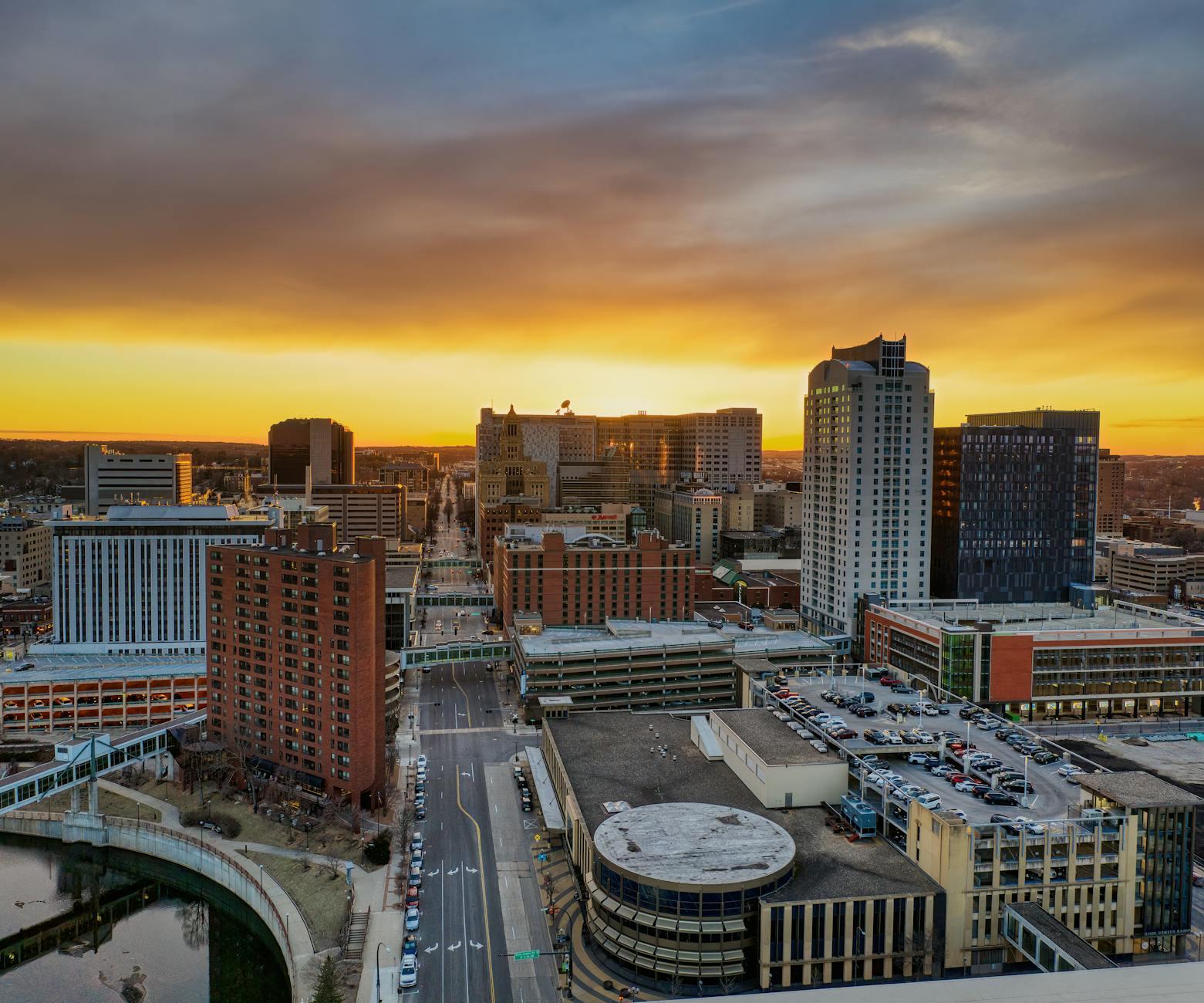
يُعد وسط مدينة جوليت المنطقة الرئيسية التي تهم الزوار. شهدت المنطقة المركزية في وسط المدينة تجديدًا كبيرًا، مع مبانٍ تاريخية تم ترميمها، ومطاعم ومقاهٍ جديدة، وصالات عرض، ومواقع ثقافية. مسرح Rialto Square Theatre، وهو قصر سينمائي تم ترميمه بشكل جميل عام 1926، يُعد معلمًا ثقافيًا ويستضيف عروضًا مسرحية وموسيقية وكوميدية. هذه المنطقة مناسبة للمشي ومرحبة، وتضم مزيجًا ديموغرافيًا من السكان القدامى، والمهنيين الشباب، وأفراد وعائلات مجتمع الميم عين.
منطقة Illinois & Michigan Canal، وهي جزء من ممر Canal Corridor الأكبر، تقدم سحرًا تاريخيًا وفرصًا ترفيهية. توفر مسارات المشي والحدائق ومنازل حراس الأقفال التاريخية اهتمامًا ثقافيًا. تجذب هذه المنطقة عشاق التاريخ والزوار المهتمين بالأنشطة الخارجية.
تميل أحياء مثل East Side والمناطق القريبة من حرم الجامعات إلى أن تكون ذات سكان أصغر سنًا وأكثر تنوعًا. ومع ذلك، على عكس المدن الكبرى، لا توجد "حي للمثليين" أو منطقة للمثليين والمتحولين جنسيًا ومزدوجي الميل الجنسي في Joliet.
أماكن التجمع والمناسبات
لا تمتلك Joliet مشهدًا ليليًا مخصصًا للمثليين والمتحولين جنسيًا ومزدوجي الميل الجنسي بنفس قوة المدن الكبرى. لا توجد حاليًا حانات أو نوادي مخصصة للمثليين والمتحولين جنسيًا ومزدوجي الميل الجنسي تعمل كأماكن أساسية في Joliet نفسها - لعقود من الزمن، شغل Maneuvers & Co. في East Jefferson Street هذا الدور، وهو حانة ومكان لعروض السحب للمثليين كان محبوبًا للغاية، وافتتح في عام 1980 ولكنه أغلق بشكل دائم بعد جائحة كوفيد-19. ومع ذلك، يعكس هذا طابع المدينة كمجتمع صغير بدلاً من العداء - يستخدم العديد من سكان وزوار المثليين والمتحولين جنسيًا ومزدوجي الميل الجنسي الأماكن القريبة في شيكاغو للحياة الليلية والنوادي.
ما تقدمه Joliet هي مطاعم ومقاهي ومساحات ثقافية شاملة حيث يجتمع أفراد المثليين والمتحولين جنسيًا ومزدوجي الميل الجنسي وحلفاؤهم. تشمل منطقة وسط المدينة خيارات متنوعة لتناول الطعام ومقاهي وصالات عرض. بشكل عام، ترحب الشركات المحلية وأصحاب المطاعم بالعملاء من المثليين والمتحولين جنسيًا ومزدوجي الميل الجنسي. تستضيف أماكن وسط المدينة فعاليات مجتمعية ومعارض فنية وعروضًا على مدار العام.
للحياة الليلية والأماكن المخصصة للمثليين، يستفيد معظم زوار المثليين والمتحولين جنسيًا ومزدوجي الميل الجنسي من قرب Joliet من شيكاغو. يوفر قطار الركاب Metra سهولة الوصول إلى حي Boystown في شيكاغو (حول شارع Halsted بين Belmont و Diversey)، والذي يضم العديد من حانات المثليين والنوادي والحمامات والمطاعم. تشمل الأماكن الشهيرة في شيكاغو Sidetrack و Roscoe's Tavern ونادي Hydrate، بالإضافة إلى حمام Steamworks. تستغرق الرحلة حوالي 45 دقيقة إلى ساعة عبر وسائل النقل العام.
الاحتفالات والفعاليات
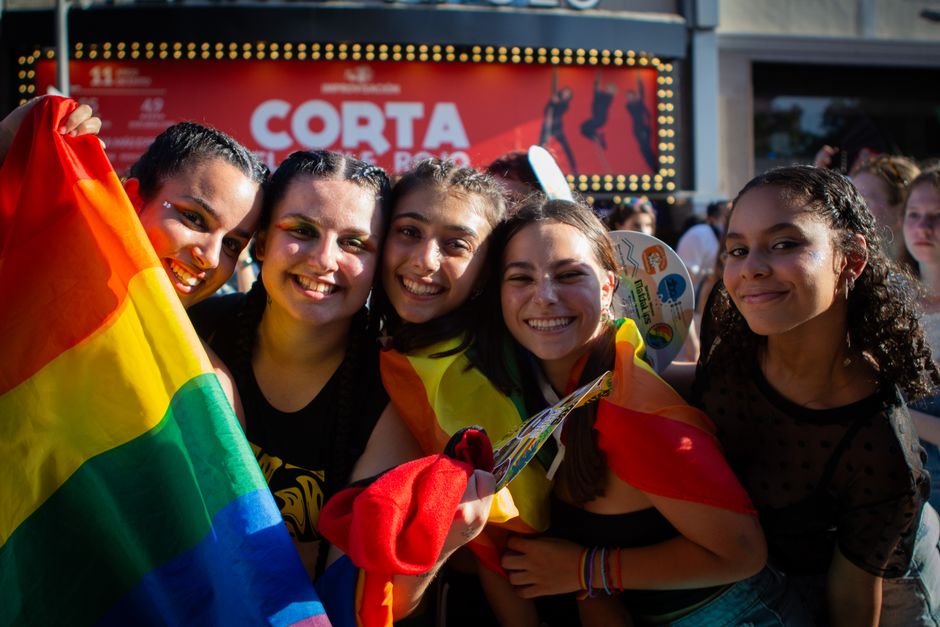
تستضيف مدينة Joliet احتفالها السنوي الخاص، وهو Joliet PrideFest، الذي تنظمه شبكة Joliet Pride Network التطوعية. يُقام هذا المهرجان المجاني كل سبتمبر في Billie Limacher Bicentennial Park في قلب وسط المدينة، ويشمل عروضًا حية، وعروض دراغ، وأكشاكًا للمجتمع والبائعين، ومأكولات، وأنشطة مناسبة للعائلات – وهو الحدث الأبرز لمجتمع الميم في مقاطعة Will. على مدار العام، تتعاون شبكة Joliet Pride Network أيضًا مع أماكن حليفة في وسط المدينة، مثل Judge's Bar، لجمع التبرعات لليالي الفخر، بينما تنظم Youth Outlook لقاءً أسبوعيًا لشباب مجتمع الميم يخدم منطقة Joliet/Lockport. تظهر أعلام قوس قزح وعروض الفخر في جميع أنحاء وسط المدينة خلال شهر يونيو الوطني للفخر.
قد يستضيف مسرح Rialto Square Theatre وأماكن أخرى في وسط المدينة عروضًا أو فعاليات خاصة متعلقة بالفخر. بالإضافة إلى ذلك، تشارك Joliet في احتفالات الفخر والفعاليات الثقافية الأوسع في ولاية Illinois. يسافر العديد من السكان إلى Chicago لحضور Chicago Pride، وهو أحد أكبر احتفالات الفخر في أمريكا الشمالية، والذي يُقام عادةً في أواخر يونيو في Grant Park وعلى طول الواجهة البحرية.
تشمل الفعاليات المجتمعية الأخرى على مدار العام جولات فنية، وأسواق مزارعين، وحفلات موسيقية، ومهرجانات. هذه الفعاليات مرحبة وشاملة بشكل عام، وتعكس الطابع المتزايد التنوع في Joliet. ترحب Will County Fair وغيرها من الفعاليات الإقليمية بمشاركة ورؤية مجتمع الميم.
أين تقيم
تقدم Joliet خيارات إقامة متنوعة تتراوح من الاقتصادية إلى الفاخرة. تضم المدينة العديد من الفنادق وبيوت الضيافة التي تلبي مختلف الفئات السعرية. تقدم السلاسل الكبرى والمؤسسات المحلية خدمات للزوار. يوفر وسط مدينة Joliet والمناطق القريبة من I-80 معظم الخيارات.
بالنسبة للمسافرين من مجتمع الميم، يُلزم جميع الفنادق الكبرى قانونًا بتوفير أماكن إقامة غير تمييزية بموجب القانون الفيدرالي وقانون ولاية Illinois. تتمتع Illinois بحماية قوية ضد التمييز ضد مجتمع الميم في الأماكن العامة. لا ينبغي أن يواجه الزوار أي عوائق في حجز أو الإقامة في فنادق Joliet.
بعض الزوار يفضلون الإقامة في مناطق وسط المدينة لسهولة المشي والوصول إلى المطاعم والمعالم الثقافية. يختار آخرون القرب من الطرق السريعة لسهولة التنقل. تتوفر أيضاً خيارات الإقامة في بيوت الضيافة (Bed-and-breakfast) وشقق العطلات عبر منصات مثل Airbnb للزوار الذين يبحثون عن أماكن إقامة بديلة.
بالنسبة لأولئك الذين يبحثون عن تجربة ضيافة أوسع تركز على مجتمع الميم عين (LGBTQ+)، فإن الإقامة في Chicago وزيارة Joliet كرحلة ليوم واحد هو خيار متاح. وعلى العكس من ذلك، فإن الإقامة في Joliet واستخدام القطار للذهاب إلى Chicago يعتبر خياراً اقتصادياً ومريحاً.
الطعام والمطاعم
لقد توسع مشهد المطاعم في Joliet بشكل كبير في العقود الأخيرة. يقدم وسط المدينة مأكولات متنوعة تشمل المكسيكية والإيطالية والآسيوية والمتوسطية والأمريكية المعاصرة. تشمل أماكن تناول الطعام الشهيرة المطاعم التاريخية والأماكن الجديدة والعصرية على حد سواء.
يقدم Joliette Cafe and Bakery، و Blackberry Market، والعديد من المطاعم في وسط المدينة خيارات لتناول الطعام غير الرسمي. أما لتناول الطعام الفاخر، فتوجد خيارات في وسط المدينة والمناطق المحيطة بها. العديد من المطاعم مملوكة بشكل مستقل، مما يعكس الطابع المحلي.
يمنع قانون ولاية Illinois التمييز في أماكن الإقامة العامة على أساس التوجه الجنسي والهوية الجنسية، لذا يمكن لرواد المطاعم من مجتمع الميم عين (LGBTQ+) توقع خدمة مرحبة في جميع أنحاء المدينة. تتبع ممارسات الإكرامية الأعراف الأمريكية القياسية (15-20 بالمائة).
لتجربة طعام أصيلة في Joliet، فإن استكشاف المطاعم المملوكة محلياً وطلب التوصيات من النادل أو السكان المحليين يؤدي عادةً إلى نتائج جيدة.
المواصلات والتنقل
يمكن الوصول إلى Joliet عبر وسائل نقل متعددة. يربط الطريق السريع Interstate 80 المدينة بـ Chicago والمناطق الأخرى. يوفر نظام السكك الحديدية للمسافرين Metra خدمة مباشرة من Joliet إلى Chicago، حيث تعمل محطة Joliet كمحور رئيسي. يربط خط SouthWest Service (BNSF line) وخط Heritage Corridor Line مدينة Joliet بمحطة Union Station في Chicago ووجهات أخرى.
داخل Joliet، توفر المدينة شبكة مواصلات عامة بالحافلات عبر نظام Pace، على الرغم من أن الخدمة محدودة أكثر مقارنة بشيكاغو. قد يجد الزوار أن امتلاك سيارة مفيد لاستكشاف المناطق خارج وسط المدينة. تعمل خدمات مشاركة الركوب مثل Uber و Lyft في المنطقة.
بالنسبة للزوار القادمين من شيكاغو، فإن Metra موثوق به وبأسعار معقولة ويتجنب مشاكل مواقف السيارات. تعمل القطارات عادة كل 30 دقيقة إلى ساعة حسب الوقت من اليوم.
اعتبارات السلامة
واجهت Joliet، مثل العديد من مدن الغرب الأوسط ما بعد الصناعة، تحديات تتعلق بجرائم الممتلكات في مناطق معينة. يجب على الزوار ممارسة ممارسات السلامة الحضرية القياسية: تجنب إظهار الأشياء الثمينة، والبقاء على دراية بالمحيط، والالتزام بالمناطق المأهولة جيدًا، خاصة بعد حلول الظلام.
يتمتع وسط مدينة Joliet والمناطق القريبة من المعالم السياحية الرئيسية بوجود شرطة مرئي وجهود تنشيط مجتمعي، مما يجعلها آمنة بشكل عام للزوار. لا يواجه مجتمع الميم عين (LGBTQ+) تهديدات منهجية أو مخاوف تتعلق بالسلامة في Joliet. يحمي قانون إلينوي أفراد مجتمع الميم عين (LGBTQ+) من التمييز وجرائم الكراهية.
كما هو الحال مع أي مدينة، استخدم المنطق السليم فيما يتعلق بالسلامة الشخصية والأشياء الثمينة. السفر مع الآخرين والإقامة في مناطق راسخة يقلل من المخاطر.
رحلات نهارية واستكشاف أوسع
يجعل موقع Joliet منها قاعدة ممتازة لاستكشاف المنطقة. يمتد Illinois & Michigan Canal عبر مقاطعات متعددة ويوفر مسارات مشي خلابة ومواقع تاريخية. تقدم وجهات مثل Starved Rock State Park (على بعد حوالي ساعة) أودية دراماتيكية ومسارات للمشي لمسافات طويلة.
يمكن الوصول إلى شيكاغو بسهولة عبر Metra وتقدم متاحف عالمية المستوى (Art Institute, Field Museum, Museum of Contemporary Art)، وجولات معمارية، ومرافق ترفيهية على الواجهة البحرية، وأماكن وفعاليات واسعة لمجتمع الميم عين (LGBTQ+).
تشمل مناطق الجذب الأخرى القريبة كازينو Horseshoe Casino Joliet (على طول نهر Des Plaines)، وحديقة حيوانات Brookfield Zoo (على بعد حوالي 30 دقيقة شمالًا)، ومحميات غابات مختلفة.
بالنسبة للمسافرين من مجتمع الميم (LGBTQ+) على وجه الخصوص، فإن معالم شيكاغو - بما في ذلك متحف الفن المعاصر، والتراث المعماري، وواجهة البحيرة، ومشهد الطعام والحياة الليلية الواسع - تستحق رحلات يومية أو إقامات أطول.
معلومات عملية
تتبع Joliet المنطقة الزمنية الوسطى (Central Time Zone). تشهد المدينة الفصول الأربعة النموذجية لمنطقة الغرب الأوسط، مع شتاء بارد وصيف دافئ. يجب على الزوار ارتداء الملابس المناسبة للموسم.
تتمتع أماكن الإقامة والمطاعم والمعالم السياحية بأسعار أمريكية قياسية. لا تملك إلينوي حماية خاصة بالولاية لمجتمع الميم (LGBTQ+) تتجاوز القانون الفيدرالي، ولكن القانون الفيدرالي بموجب قانون الحقوق المدنية وقرارات المحكمة العليا الأخيرة توفر حماية كبيرة.
تتوفر خدمة الهاتف المحمول في جميع أنحاء المدينة. الواي فاي المجاني شائع في المقاهي وبعض الأماكن العامة.
خاتمة
تجذب Joliet المسافرين الباحثين عن طابع الغرب الأوسط الأصيل، وأماكن إقامة بأسعار معقولة بالقرب من شيكاغو، والاندماج في مجتمع عامل حقيقي. في حين أنها تفتقر إلى الحياة الليلية المركزة لمجتمع الميم (LGBTQ+) والمؤسسات الثقافية للمدن الكبرى، إلا أنها تقدم سحرًا وتاريخًا وسهولة في التجول في مناطق وسط المدينة، ودفء مجتمعي حقيقي. بالنسبة لمسافري مجتمع الميم (LGBTQ+)، تعمل Joliet بشكل جيد كقاعدة هادئة مع سهولة الوصول إلى مشهد المثليين النابض بالحياة في شيكاغو، أو كوجهة بحد ذاتها لمن يبحثون عن طابع المدينة الصغيرة والتكاليف المنخفضة.
الأسئلة الشائعة
مشهد الحياة الليلية للمثليين في Joliet محدود أكثر من مشهد شيكاغو، والمدينة ليس لديها حانة أو نادٍ مخصص للمثليين كعنصر دائم. ومع ذلك، من المعروف أن العديد من المطاعم والمصانع في وسط المدينة مرحبة بالزبائن والموظفين من مجتمع الميم.
يميل المقيمون والزوار من مجتمع الميم إلى تركيز أنشطتهم في وسط مدينة Joliet أو بالقرب منها، خاصة حول شارع Jefferson و Joliet Square التاريخي، الذي هو المنطقة التجارية والترفيهية الرئيسية.
يُعد احتفال برايد الخاص بجولييت هو Joliet PrideFest، الذي تنظمه شبكة Joliet Pride Network ويُقام كل سبتمبر (في السنوات الأخيرة يوم سبت في منتصف إلى أواخر سبتمبر) في حديقة Billie Limacher Bicentennial Park في وسط مدينة جولييت. إنه مهرجان مجاني وصديق للعائلة مع ترفيه حي وعروض سحب وأكشاك مجتمعية وباعة وطعام. يسافر العديد من السكان أيضًا حوالي 40 ميلًا إلى شيكاغو لحضور Chicago Pride في أواخر يونيو.
شهدت Joliet زيادة في الرؤية والقبول لمجتمع المثليين ومزدوجي الميل الجنسي ومغايري الهوية الجنسانية في العقود الأخيرة. يوصف المجتمع بأنه حقيقي ومرحب.
لا يوجد في Joliet بار أو نادٍ مخصص للمثليين كمكان دائم. ومع ذلك، توجد مؤسسات صديقة لمجتمع الميم عين، ويجب على الزوار التحقق من الموارد المحلية الحالية للحصول على معلومات محدثة حول الفعاليات.
قرب Joliet من Chicago يجعل السفر إليها سهلاً. تستغرق القيادة إلى Chicago عادةً ما يقرب من 45 دقيقة إلى ساعة، اعتمادًا على حركة المرور والوجهة.
مدن مثل جوليت
مجتمع الميم+ في جوليت على يوتيوب

Cage dancer & Vertigo Lounge Joliet
هل تعرف مكاناً رائعاً في جوليت؟
ساعد المجتمع بإضافته إلى دليلنا — مجاني ويُراجع خلال 48 ساعة.