Marriage equality since Obergefell v. Hodges (26 June 2015). The Respect for Marriage Act (December 2022) provides a congressional floor, requiring federal recognition of all valid same-sex and interracial marriages regardless of future Supreme Court rulings. Bostock v. Clayton County (2020) held that Title VII of the Civil Rights Act prohibits employment discrimination on the basis of sexual orientation and gender identity. No comprehensive federal anti-discrimination law in housing or public…
Joliet is a historic industrial city in Illinois that serves as both a destination in its own right and a strategic base for exploring the broader Chicago region. Understanding the LGBTQ+ landscape in Joliet requires context: this is not a gay-centric destination like Chicago's Boystown or Fire Island, but rather a working-class American city with an integrated and welcoming LGBTQ+ community.
History and Community Context
Joliet's LGBTQ+ history is intertwined with the broader history of Illinois and the Midwest. The city, founded in 1833 along the Des Plaines River, became an industrial powerhouse by the late 19th century. Like many Rust Belt cities, Joliet experienced economic shifts in the late 20th century, but recent decades have brought revitalization efforts, increased diversity, and growing LGBTQ+ visibility.
The LGBTQ+ community in Joliet is not highly concentrated or predominantly visible in specific neighborhoods the way it is in larger metropolitan areas. Instead, LGBTQ+ residents and visitors are distributed throughout the city, with particular concentrations in downtown Joliet and surrounding neighborhoods. The community tends to be integrated, with LGBTQ+ individuals and families living, working, and socializing across various neighborhoods.
Neighborhoods and Areas
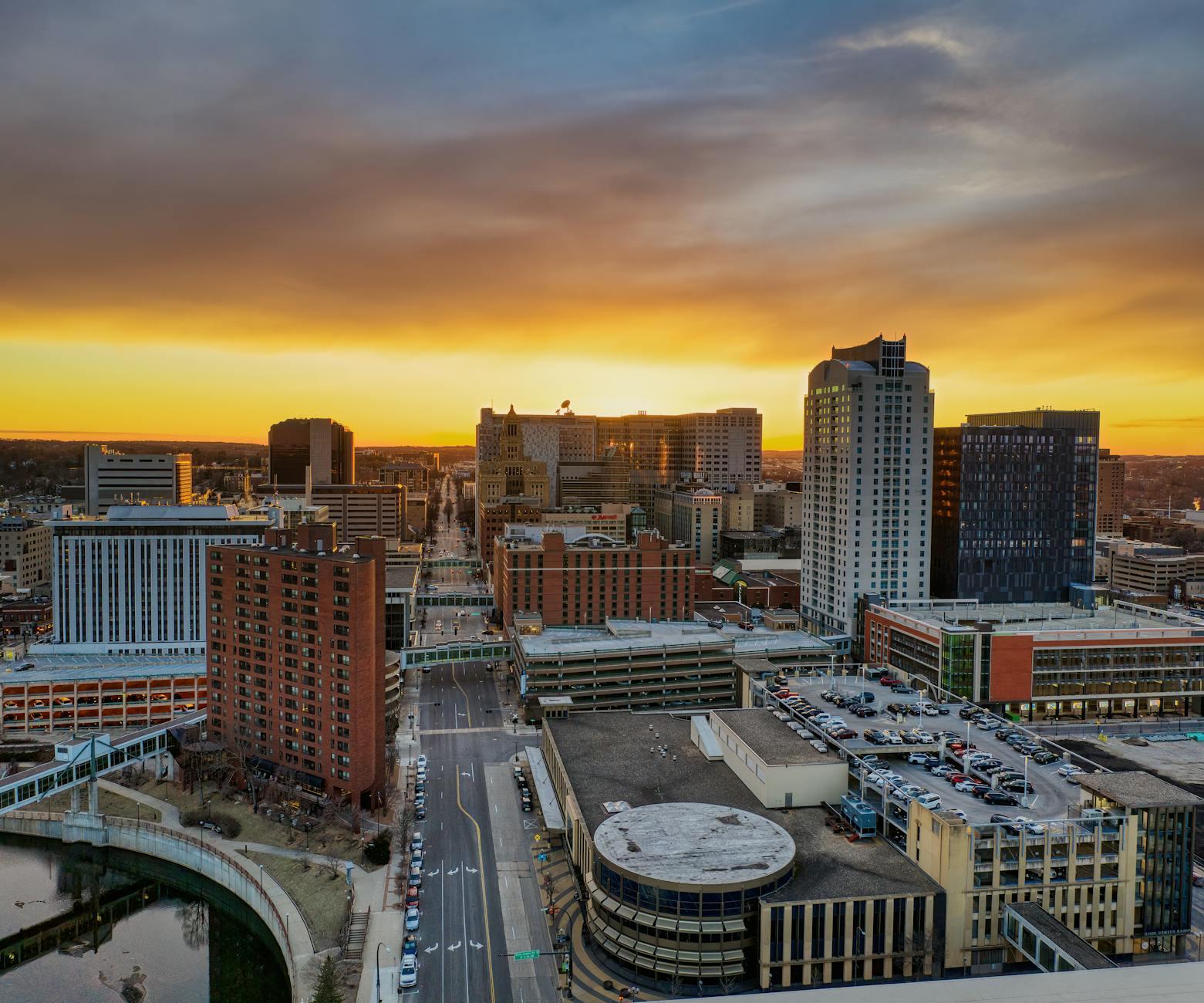
Downtown Joliet is the primary area of interest for visitors. The downtown core has undergone significant revitalization, with restored historic buildings, new restaurants and cafes, galleries, and cultural venues. The Rialto Square Theatre, a beautifully restored 1926 movie palace, serves as a cultural landmark and hosts theater, music, and comedy performances. This area is walkable and welcoming, with a mixed demographic of long-time residents, young professionals, and LGBTQ+ individuals and families.
The Illinois & Michigan Canal area, part of the larger Canal Corridor, offers historic charm and recreational opportunities. Walking trails, parks, and historic lock tenders' houses provide cultural interest. This area attracts history enthusiasts and outdoor-oriented visitors.
Neighborhoods
Neighborhoods like the East Side and areas near college campuses tend to have younger, more diverse populations. However, unlike larger cities, there is no established "gay neighborhood" or LGBTQ+ district in Joliet.
Venues and Gathering Spaces
Joliet does not have a robust LGBTQ+-specific nightlife scene comparable to larger cities. There are no dedicated gay bars or clubs operating as primary LGBTQ+ venues in Joliet proper today—for decades that role was filled by Maneuvers & Co. on East Jefferson Street, a much-loved gay bar and drag venue that opened in 1980 but closed permanently after the COVID-19 pandemic. However, this reflects the city's character as a smaller community rather than hostility—many LGBTQ+ residents and visitors utilize nearby Chicago venues for nightlife and clubbing.
What Joliet does offer are inclusive restaurants, cafes, and cultural spaces where LGBTQ+ individuals and allies gather. The downtown area includes diverse dining options, coffee shops, and galleries. Local businesses and restaurant owners are generally welcoming to LGBTQ+ customers. Downtown venues host community events, art shows, and performances throughout the year.
For nightlife and gay-specific venues, most LGBTQ+ visitors take advantage of Joliet's proximity to Chicago. The Metra commuter rail provides easy access to Chicago's Boystown neighborhood (around Halsted Street between Belmont and Diversey), which has numerous gay bars, clubs, bathhouses, and restaurants. Popular Chicago venues include Sidetrack, Roscoe's Tavern and Hydrate nightclub, plus the Steamworks bathhouse. The trip takes approximately 45 minutes to an hour via public transit.
Pride and Events
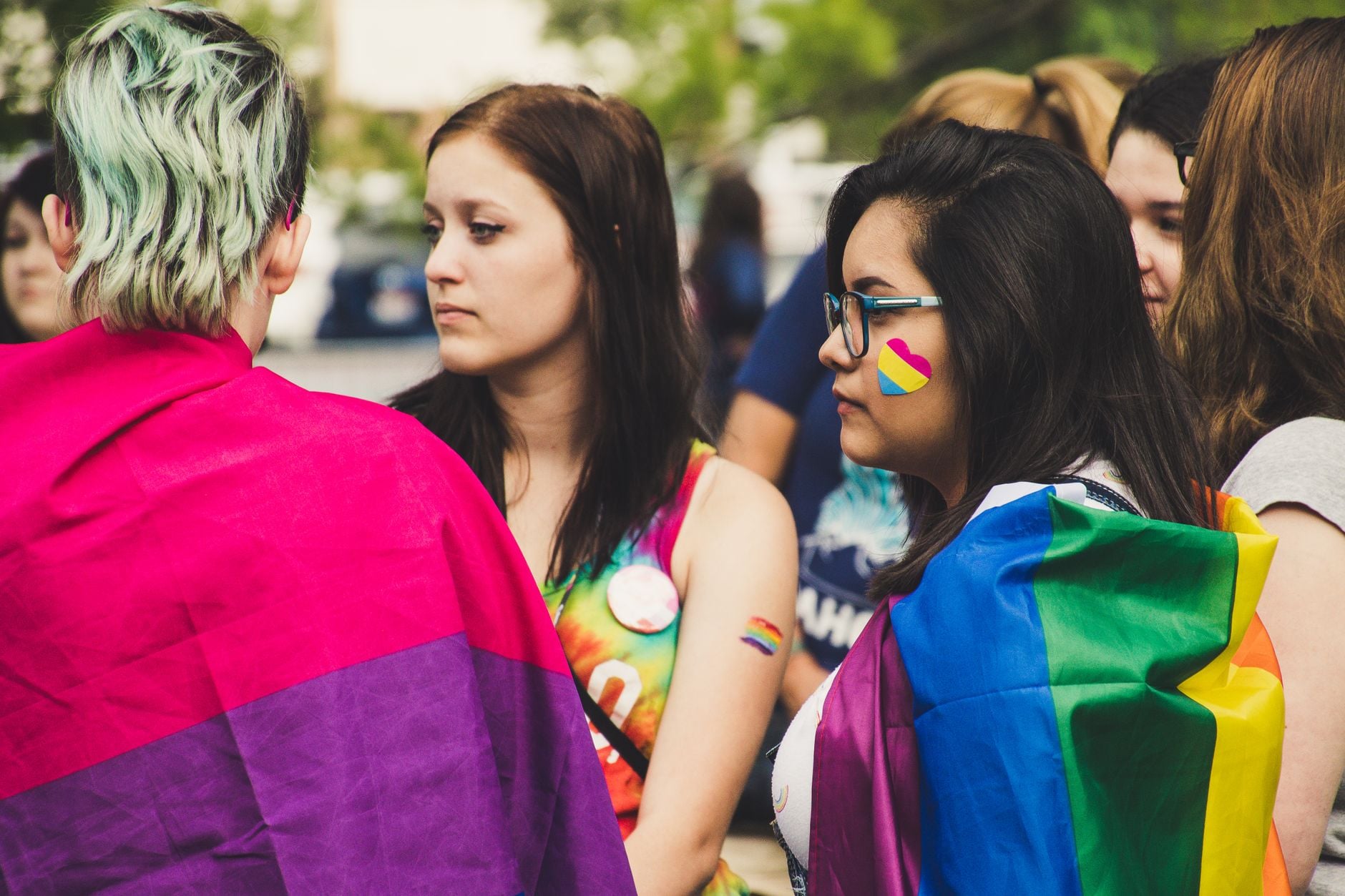
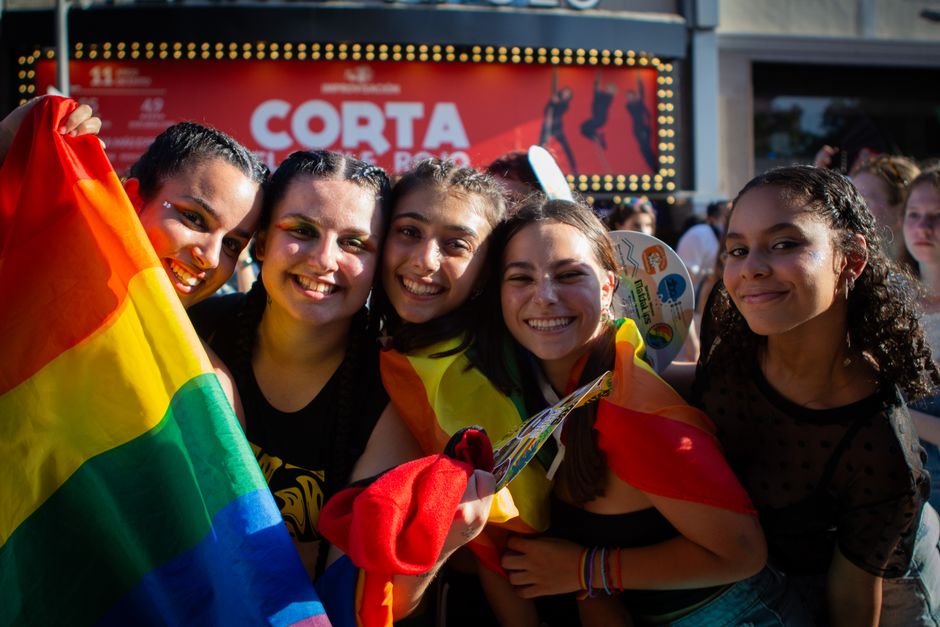
Joliet hosts its own annual celebration, Joliet PrideFest, organized by the volunteer-run Joliet Pride Network. Held each September at Billie Limacher Bicentennial Park in the downtown core, PrideFest is a free festival with live entertainment, drag performances, community and vendor booths, food and family-friendly activities—Will County's flagship LGBTQ+ event. Throughout the year the Joliet Pride Network also partners with allied downtown venues, such as Judge's Bar, for Pride Night fundraisers, while Youth Outlook runs a weekly LGBTQ+ youth drop-in serving the Joliet/Lockport area. Rainbow flags and Pride displays appear across downtown during June's national Pride month as well.
The Rialto Square Theatre and other downtown venues may host Pride-related performances or special events. Additionally, Joliet participates in broader Illinois Pride celebrations and cultural events. Many residents travel to Chicago for Chicago Pride, one of the largest Pride celebrations in North America, typically held in late June at Grant Park and along the lakefront.
Other community events throughout the year include art walks, farmers markets, concerts, and festivals. These events are generally welcoming and inclusive, reflecting Joliet's increasingly diverse character. The Will County Fair and other regional events welcome LGBTQ+ participation and visibility.
Where to Stay
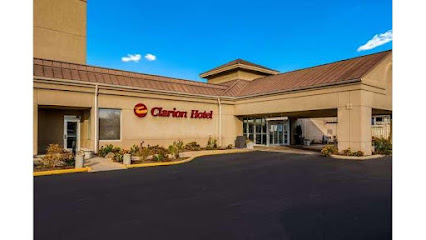
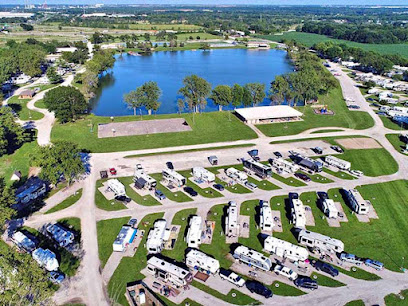
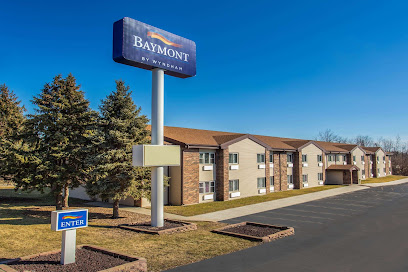
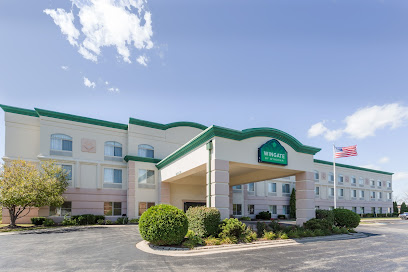
Joliet offers various accommodation options ranging from budget-friendly to upscale. The city has several hotels and motels catering to different price points. Major chains and local establishments serve visitors. Downtown Joliet and areas near I-80 have the most options.
For LGBTQ+ travelers, all major hotels are legally required to provide non-discriminatory accommodations under federal and Illinois state law. Illinois has strong protections against LGBTQ+ discrimination in public accommodations. Visitors should encounter no barriers in booking or staying at hotels in Joliet.
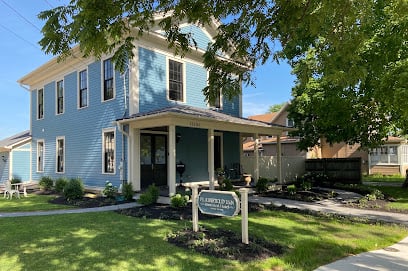
Some visitors prefer to stay in downtown areas for walkability and access to restaurants and cultural venues. Others choose proximity to highways for convenience. Bed-and-breakfast options and vacation rentals through platforms like Airbnb also serve visitors seeking alternative accommodations.
For those seeking a broader LGBTQ+-focused hospitality experience, staying in Chicago and visiting Joliet as a day trip is an option. Conversely, staying in Joliet and taking the train to Chicago is economical and convenient.
Joliet's restaurant scene has expanded significantly in recent decades. Downtown offers diverse cuisine including Mexican, Italian, Asian, Mediterranean, and contemporary American options. Popular dining establishments include both historic restaurants and newer, trendy venues.
The Joliette Cafe and Bakery, Blackberry Market, and various downtown establishments offer casual dining. For fine dining, options exist in downtown and surrounding areas. Many restaurants are independently owned, reflecting local character.
Illinois law prohibits discrimination in public accommodations based on sexual orientation and gender identity, so LGBTQ+ diners can expect welcoming service throughout the city. Tipping practices follow standard American conventions (15-20 percent).
For authentic Joliet dining, exploring locally-owned establishments and asking servers or locals for recommendations typically yields good results.
Transit and Getting Around
Joliet is accessible via multiple transportation methods. Interstate 80 connects the city to Chicago and other regions. The Metra commuter rail system provides direct service from Joliet to Chicago, with the Joliet Station serving as a hub. The SouthWest Service (BNSF line) and Heritage Corridor Line connect Joliet to Chicago's Union Station and other destinations.
Within Joliet, the city has public bus transit through the Pace transit system, though service is more limited than in Chicago. Visitors may find having a car useful for exploring beyond downtown. Ride-sharing services like Uber and Lyft operate in the area.
For visitors coming from Chicago, the Metra is reliable, affordable, and avoids parking concerns. Trains typically run every 30 minutes to an hour depending on time of day.
Safety Considerations
Joliet, like many post-industrial Midwestern cities, has experienced property crime challenges in certain areas. Visitors should exercise standard urban safety practices: avoid displaying valuables, remain aware of surroundings, and stick to well-populated areas, particularly after dark.
Downtown Joliet and areas near major attractions have visible police presence and community revitalization efforts, making them generally safe for visitors. The LGBTQ+ community does not face systemic threats or heightened safety concerns in Joliet. Illinois law protects LGBTQ+ individuals against discrimination and hate crimes.
As with any city, use common sense regarding personal safety and valuables. Traveling with others and staying in well-established areas minimizes risks.
Day Trips and Broader Exploration
Joliet's location makes it an excellent base for exploring the region. The Illinois & Michigan Canal extends through multiple counties and offers scenic walks and historic sites. Destinations like Starved Rock State Park (about an hour away) feature dramatic canyons and hiking trails.
Chicago is easily accessible via Metra and offers world-class museums (Art Institute, Field Museum, Museum of Contemporary Art), architecture tours, lakefront recreation, and extensive LGBTQ+ venues and events.
Other nearby attractions include the Horseshoe Casino Joliet (along the Des Plaines River), the Brookfield Zoo (about 30 minutes north), and various forest preserves.
For LGBTQ+ travelers specifically, Chicago's attractions—including the Museum of Contemporary Art, architectural heritage, lakefront, and extensive dining and nightlife scene—are worth day trips or longer stays.
Practical Information
Joliet uses Central Time Zone. The city experiences all four seasons typical of the Midwest, with cold winters and warm summers. Visitors should dress appropriately for the season.
Where to Stay
Accommodations, dining, and attractions have standard American pricing. Illinois does not have state-specific LGBTQ+ protections beyond federal law, but federal law under the Civil Rights Act and recent Supreme Court decisions provide substantial protections.
Cellular service is available throughout the city. Free Wi-Fi is common in coffee shops and some public spaces.
Joliet appeals to travelers seeking authentic Midwestern character, affordable accommodations close to Chicago, and integration into a real working community. While it lacks the concentrated LGBTQ+ nightlife and cultural institutions of larger cities, it offers charm, history, walkability in downtown areas, and genuine community warmth. For LGBTQ+ travelers, Joliet functions well as either a quiet base with easy access to Chicago's vibrant gay scene, or as a destination in itself for those seeking smaller-city character and lower costs.
Frequently asked questions
Joliet's gay nightlife scene is more limited than Chicago's, and the city does not have a dedicated gay bar or club as a permanent fixture. However, several downtown restaurants and breweries are known to be welcoming to LGBTQ+ patrons and staff.
LGBTQ+ residents and visitors tend to center their activities in or near downtown Joliet, particularly around Jefferson Street and the historic Joliet Square, which is the primary commercial and entertainment district.
Joliet's own Pride celebration is Joliet PrideFest, organized by the Joliet Pride Network and held each September (recent years on a Saturday in mid-to-late September) at Billie Limacher Bicentennial Park in downtown Joliet. It is a free, family-friendly festival with live entertainment, drag performances, community and vendor booths and food. Many residents also travel about 40 miles to Chicago for Chicago Pride in late June.
Joliet has experienced increased visibility and acceptance for its LGBTQ+ community in recent decades. The community is described as genuine and welcoming.
Joliet does not have a dedicated gay bar or club as a permanent fixture. However, there are LGBTQ+-friendly establishments, and visitors should check current local resources for up-to-date information on events.
Joliet's proximity to Chicago makes travel straightforward. A drive to Chicago typically takes approximately 45 minutes to an hour, depending on traffic and destination.
Your privacy choices.
We use cookies to run GayOut and, with your consent, measure usage. Learn more
Your privacy choices
We use cookies to keep GayOut running, remember your preferences, and (with your permission) measure how the site is used. You can accept all, reject all, or pick what you allow. Learn more
Essential
Required for sign-in, fraud prevention, CSRF protection and remembering your language. Cannot be disabled.
Always on
Remembers your favourites, dark mode and other interface preferences across visits.
Helps us understand which pages people visit (Google Analytics, server-side stats) so we can improve.
Used by campaign tracking pixels. None are active right now, reserved for future use.
Install GayOut
Add GayOut to your home screen for faster access, offline favourites, and Pride alerts.



 Gay-Friendly Bars & Clubs
(216)
Gay-Friendly Bars & Clubs
(216)