Alles, was Sie vor der Reise wissen sollten.
Alice Springs, im Herzen des australischen Outbacks gelegen, ist ein regionales Zentrum mit einer einladenden Atmosphäre für LGBTQ+-Reisende. Rund 1.500 Kilometer südlich von Darwin im Northern Territory gelegen, bietet die Stadt eine Mischung aus Naturlandschaften und Gemeinschaftsgefühl.
Die LGBTQ+-Gemeinschaft in Alice Springs hat sich, wie in vielen ländlichen australischen Orten, durch eng vernetzte Netzwerke entwickelt. Obwohl die Stadt historisch konservativ war, ist sie zunehmend progressiver geworden. Die Gemeinschaft zeichnet sich durch unterstützende Räume aus, die sich oft in Lokalen befinden, die als inklusiv bekannt sind. Indigene LGBTQ+-Australier sind ein integraler Bestandteil dieses Gemeinschaftsgefüges, und ihre Erfahrungen sind ein wichtiger Aspekt der lokalen Kultur.
Das Central Business District (CBD) von Alice Springs lässt sich gut zu Fuß erkunden. Die Todd Street ist die Haupteinkaufsstraße mit einer Konzentration an Restaurants, Geschäften und Unterhaltungsmöglichkeiten. Unterkünfte befinden sich hauptsächlich in der Nähe des CBD und reichen von Hostels bis zu Hotels. Der Todd Mall, eine Fußgängerzone, dient als zentraler Treffpunkt.
Obwohl das LGBTQ+-Nachtleben in Alice Springs nicht sehr ausgeprägt ist, sind mehrere Bars und Pubs im CBD als LGBTQ+-freundlich bekannt. Historisch gesehen waren Lokale wie Bojangles dafür bekannt, LGBTQ+-Gäste willkommen zu heißen und Themenveranstaltungen zu organisieren. Für die aktuellsten Informationen zu Lokalen und Veranstaltungen ist es ratsam, lokale Tourismusressourcen oder Gemeinschaftsnetzwerke zu konsultieren, da sich die Szene weiterentwickeln kann.
Der Alice Springs Pride findet typischerweise im August statt und bietet einen Tag voller Gemeinschaftsfeiern, der Live-Musik, Auftritte und andere Aktivitäten umfassen kann. Obwohl er kleiner ist als die Pride-Veranstaltungen in Metropolen, zeichnet er sich durch starke lokale Beteiligung aus. Spezifische Termine und Programme können jährlich variieren, daher wird empfohlen, dies auf offiziellen Tourismus-Websites oder über Gemeinschaftskontakte zu überprüfen. Über den Pride hinaus können das ganze Jahr über inklusive Veranstaltungen in einladenden Lokalen stattfinden.
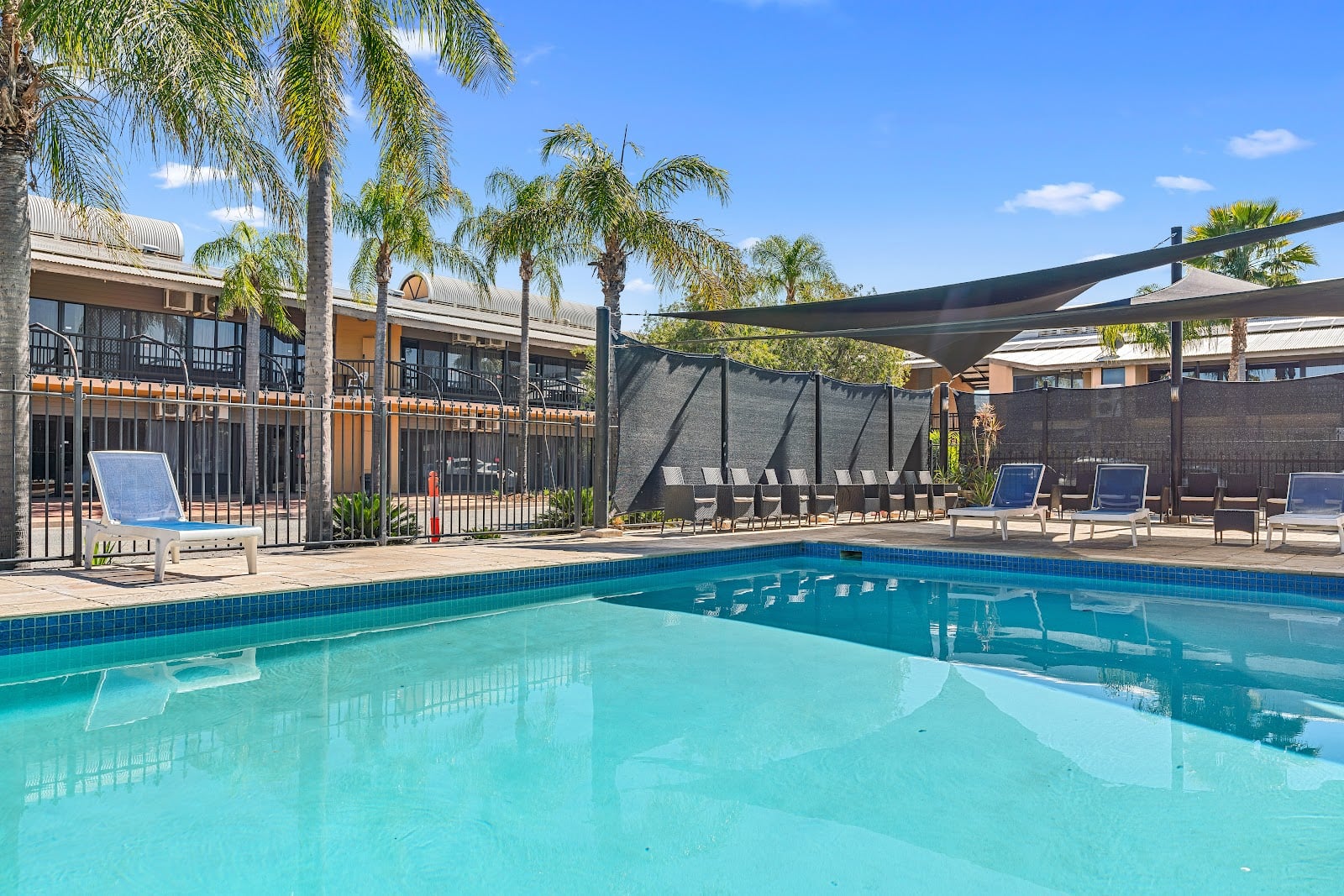
Unterkünfte in Alice Springs reichen von Hotels über Gasthöfe bis hin zu Hostels, und viele davon sind bekanntermaßen LGBTQ+-freundlich. Buchungsplattformen können dabei helfen, inklusive Unterkünfte zu finden. Hostels bieten die Möglichkeit, andere Reisende kennenzulernen, während im CBD Boutique-Optionen für diejenigen verfügbar sind, die ein gehobeneres Erlebnis suchen. Eine frühzeitige Buchung wird empfohlen, insbesondere während der Hauptsaison oder bei Veranstaltungen.
Alice Springs gilt generell als sicher für LGBTQ+-Reisende. Das Northern Territory verfügt über Antidiskriminierungsgesetze. Obwohl spezifische Daten zu Vorfällen, die sich gegen LGBTQ+-Besucher richten, nicht ohne Weiteres verfügbar sind, sollten allgemeine Sicherheitsvorkehrungen beachtet werden, die für jede Stadt gelten, wie z. B. die Aufmerksamkeit für die Umgebung und die Vermeidung abgelegener Gebiete spät in der Nacht. Die lokale Gemeinschaft ist im Allgemeinen gastfreundlich, und respektvolle Interaktionen werden geschätzt.
Für Erkundungen des umliegenden Outbacks wird ein Fahrzeug empfohlen. Mietwagenfirmen sind am Flughafen tätig. Das CBD selbst ist gut zu Fuß erkundbar, und Taxis sind verfügbar. Greyhound Australia-Busse verbinden Alice Springs mit anderen größeren Zentren, und Flüge verbinden die Stadt mit den wichtigsten australischen Städten.
Das gastronomische Angebot in Alice Springs ist vielfältig und reicht von italienischen und asiatischen Restaurants bis hin zu Cafés, die sich hauptsächlich im CBD befinden. Restaurants heißen generell alle Gäste willkommen. Lokale Produkte und Bush Tucker-Erlebnisse sind ebenfalls verfügbar. Die Todd Street bietet zahlreiche Cafés und zwanglose Restaurants, die sowohl bei Einheimischen als auch bei Besuchern beliebt sind.
Der Hauptanziehungspunkt von Alice Springs ist seine Nähe zu bedeutenden Natur- und Kulturlandschaften. Uluru, etwa 470 Kilometer südlich gelegen, ist eine Hauptattraktion, die oft als Tagesausflug oder mit Übernachtung besucht wird. Die MacDonnell Ranges, sowohl im Osten als auch im Westen, bieten Möglichkeiten zum Wandern, für malerische Fahrten und zum Schwimmen in natürlichen Wasserlöchern wie Ellery Creek Big Hole und Serpentine Gorge. Der Alice Springs Desert Park gibt Einblicke in die heimische Flora und Fauna. Sonnenuntergänge von verschiedenen Aussichtspunkten aus zu beobachten, ist eine beliebte Aktivität. Diese Outdoor-Aktivitäten sind im Allgemeinen inklusiv und spiegeln die breite Outdoor-Kultur Australiens wider.
Alice Springs liegt in einer Region mit einer bedeutenden Präsenz indigener Australier und zahlreichen heiligen Stätten. Besucher werden ermutigt, indigene kulturelle Erfahrungen mit Respekt zu begegnen. Viele Touren werden von indigenen Reiseleitern und Organisationen geführt, die authentische Perspektiven bieten und lokale Wirtschaften unterstützen. Kulturelle Sensibilität ist für alle Besucher wichtig, einschließlich LGBTQ+-Reisender, um das Erlebnis zu bereichern und Respekt für lokale Traditionen zu zeigen.
Das Wüstenklima von Alice Springs erlebt von Oktober bis März extreme Hitze. Die angenehmste Reisezeit ist zwischen April und September, wenn die Temperaturen moderat sind. Der August, der mit den Pride-Feierlichkeiten zusammenfällt, kann eine beliebte Zeit für LGBTQ+-Besucher sein. Der Winter (Juni bis August) bietet angenehme Tagestemperaturen und kühlere Abende. Der Niederschlag ist das ganze Jahr über generell gering.
Weitere Besucherinformationen finden Sie auf der Tourismus-Website von Alice Springs und den MacDonnell Ranges. Lokale LGBTQ+-Community-Gruppen in den sozialen Medien können aktuelle Details zu Veranstaltungsorten und Events liefern. Direkter Kontakt mit Tourismusbüros kann ebenfalls spezifische Empfehlungen geben.


 Schwule Saunen
(1)
Schwule Saunen
(1)