Alice Springs, located in Australia's Red Centre, is a regional hub with a welcoming atmosphere for LGBTQ+ travelers. Situated approximately 1,500 kilometres south of Darwin in the Northern Territory, it offers a blend of natural landscapes and community connections.
The LGBTQ+ community in Alice Springs, like in many regional Australian towns, has developed through close-knit networks. While historically conservative, the town has become more progressive. The community is notable for its supportive spaces, often found in establishments that are known to be inclusive. Indigenous LGBTQ+ Australians are an integral part of this community fabric, and their experiences are a significant aspect of the local culture.
The Central Business District (CBD) of Alice Springs is easily explored on foot. Todd Street serves as the main commercial area, with a concentration of dining, shopping, and entertainment options. Accommodation is primarily located near the CBD, ranging from hostels to hotels. Todd Mall, a pedestrian precinct, acts as a central gathering point.
While Alice Springs' LGBTQ+ nightlife is not extensive, several bars and pubs in the CBD are recognized as LGBTQ+-friendly. Historically, venues like Bojangles have been known to welcome LGBTQ+ patrons and host themed events. For the most current information on venues and events, it is advisable to consult local tourism resources or community networks, as the scene can evolve.
Alice Springs Pride typically takes place in August, offering a day of community celebrations that may include live music, performances, and other activities. While smaller than metropolitan Pride events, it is characterized by strong local participation. Specific dates and programming can vary annually, so checking with official tourism websites or community contacts is recommended. Beyond Pride, inclusive events may occur at welcoming venues throughout the year.
Where to Stay
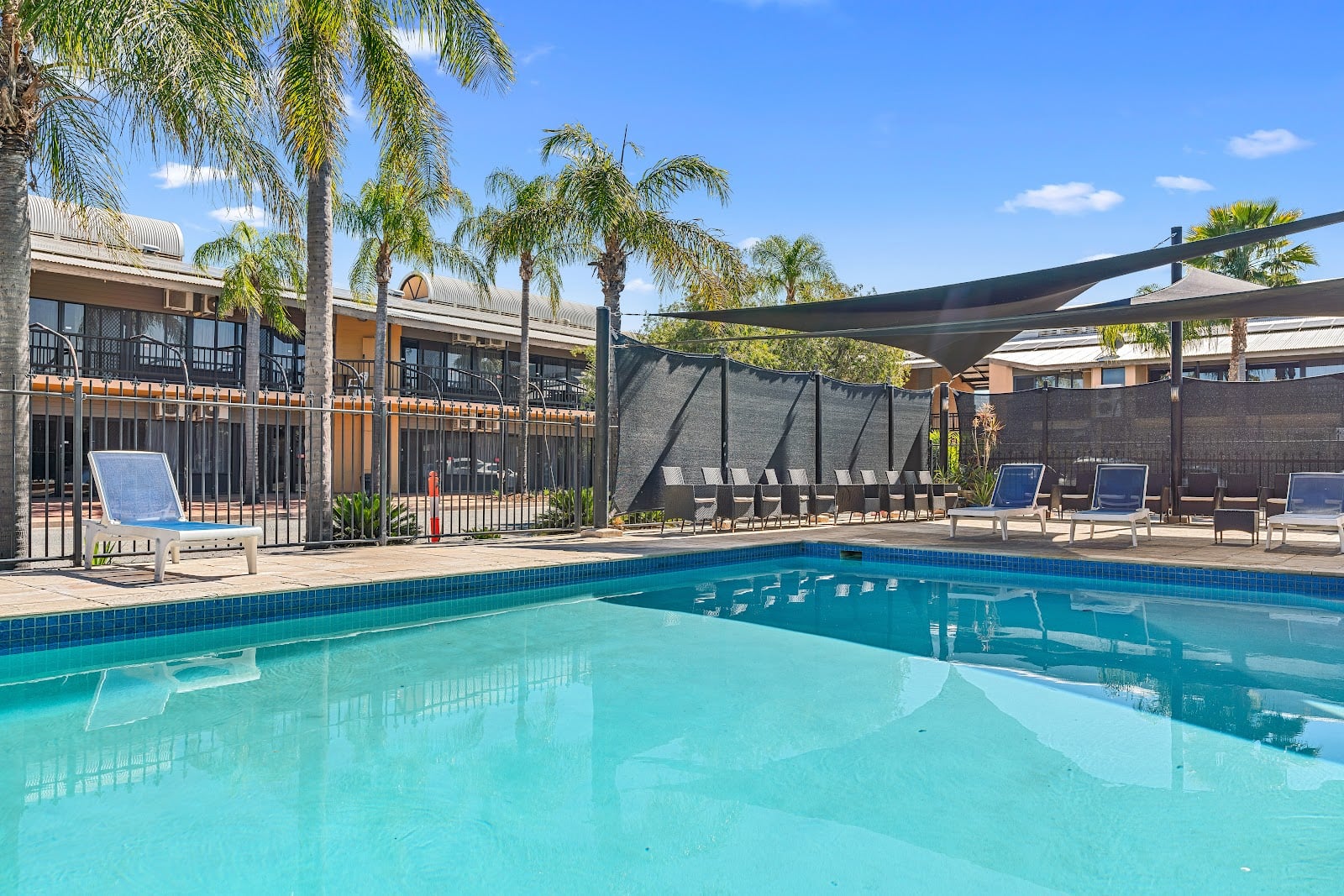
Accommodation options in Alice Springs include hotels, inns, and hostels, many of which are known to be LGBTQ+-friendly. Booking platforms can assist in identifying inclusive establishments. Hostels offer opportunities to connect with other travelers, while boutique options are available within the CBD for those seeking a more upscale experience. Advance booking is recommended, particularly during peak seasons or events.
Alice Springs is generally considered safe for LGBTQ+ travelers. The Northern Territory has anti-discrimination legislation in place. While specific data on incidents targeting LGBTQ+ visitors is not readily available, general safety precautions applicable to any town should be observed, such as being aware of your surroundings and avoiding isolated areas late at night. The local community is generally welcoming, and respectful interactions are appreciated.
For exploring the surrounding outback, a vehicle is recommended, with car rental companies operating from the airport. The CBD itself is walkable, and taxis are available. Greyhound Australia coaches connect Alice Springs to other major centres, and flights link the town to major Australian cities.
The dining scene in Alice Springs offers a range of options, including Italian, Asian, and cafe-style eateries, primarily located in the CBD. Restaurants are generally welcoming to all patrons. Local produce and bush tucker experiences are also available. Todd Street features numerous cafes and casual dining spots popular with both locals and visitors.
The primary draw of Alice Springs is its proximity to significant natural and cultural landscapes. Uluru, approximately 470 kilometres south, is a major attraction, often visited via day trips or overnight stays. The MacDonnell Ranges, both East and West, offer opportunities for hiking, scenic drives, and swimming at natural waterholes like Ellery Creek Big Hole and Serpentine Gorge. The Alice Springs Desert Park provides insights into native flora and fauna. Sunset viewing at various lookouts is a popular activity. These outdoor pursuits are generally inclusive, reflecting Australia's broad outdoor culture.
Alice Springs is situated in a region with a significant Indigenous Australian presence and numerous sacred sites. Visitors are encouraged to approach Indigenous cultural experiences with respect. Many tours are led by Indigenous guides and organizations, offering authentic perspectives and supporting local economies. Cultural sensitivity is important for all visitors, including LGBTQ+ travelers, to enhance the experience and show respect for local traditions.
The desert climate of Alice Springs experiences extreme heat from October to March. The most comfortable time to visit is between April and September, when temperatures are moderate. August, coinciding with Pride celebrations, can be a popular time for LGBTQ+ visitors. Winter (June to August) offers pleasant daytime temperatures and cooler evenings. Rainfall is generally low throughout the year.
Further visitor information can be found on the Alice Springs and MacDonnell Ranges tourism website. Local LGBTQ+ community groups on social media can provide up-to-date details on venues and events. Direct contact with tourism offices can also offer specific recommendations.
Alice Springs is described as having a genuinely welcoming community. While the LGBTQ+ community is smaller than in major cities, it is active and has evolved into a relatively progressive regional hub.
Alice Springs lacks dedicated gay bars or nightclubs. However, several mainstream venues welcome LGBTQ+ patrons, and local LGBTQ+ community networks organize social events regularly.
The compact downtown district, centered on Todd Street and surrounding blocks, contains most shops, restaurants, galleries, and community spaces where LGBTQ+ life congregates. Visitors can also connect with local LGBTQ+ networks upon arrival for information on social opportunities.
Alice Springs observes Pride celebrations, typically occurring in late October or early November.
Alice Springs lacks dedicated gay bars or nightclubs. However, various cafes, restaurants, and pubs in the city center are welcoming to LGBTQ+ patrons.
Visitors should connect with local LGBTQ+ networks or accommodations upon arrival to learn about current community events and social opportunities. Community organizations occasionally host film screenings, trivia nights, and social gatherings.
Your privacy choices.
We use cookies to run GayOut and, with your consent, measure usage. Learn more
Your privacy choices
We use cookies to keep GayOut running, remember your preferences, and (with your permission) measure how the site is used. You can accept all, reject all, or pick what you allow. Learn more
Essential
Required for sign-in, fraud prevention, CSRF protection and remembering your language. Cannot be disabled.
Always on
Remembers your favourites, dark mode and other interface preferences across visits.
Helps us understand which pages people visit (Google Analytics, server-side stats) so we can improve.
Used by campaign tracking pixels. None are active right now, reserved for future use.
Install GayOut
Add GayOut to your home screen for faster access, offline favourites, and Pride alerts.


 Gay Saunas
(1)
Gay Saunas
(1)