Alles, was Sie vor der Reise wissen sollten.
Córdoba, Argentiniens zweitgrößte Stadt, entwickelt sich zu einem immer gastfreundlicheren Reiseziel für LGBTQ+-Reisende. Rund 700 Kilometer nordwestlich von Buenos Aires gelegen, bietet die Stadt eine Mischung aus Kolonialarchitektur, kulturellen Sehenswürdigkeiten und einer wachsenden queeren Gemeinschaft, die sich im Einklang mit Argentiniens nationalem LGBTQ+-Rechtsrahmen befindet.
Argentinien blickt auf eine Geschichte fortschrittlicher LGBTQ+-Gesetzgebung zurück. Die gleichgeschlechtliche Ehe ist seit 2010 landesweit legal, und die 2012 verabschiedeten Gesetze zur Anerkennung der Geschlechtsidentität ermöglichen eine rechtliche Geschlechtsänderung ohne medizinische Intervention. Córdoba profitiert als Teil Argentiniens von diesen Schutzmaßnahmen. Allerdings ist die LGBTQ+-Szene hier weniger ausgeprägt und sichtbar als in Buenos Aires. Die soziale Akzeptanz kann je nach Viertel und demografischer Gruppe variieren, wobei jüngere Bevölkerungsgruppen und städtische Gebiete im Allgemeinen offener sind als traditionellere Bezirke.
Das Barrio Nueva Córdoba ist das Zentrum der LGBTQ+-Szene der Stadt und ein bedeutender kultureller Knotenpunkt. Südlich des historischen Zentrums gelegen, besticht es durch von Bäumen gesäumte Straßen, Kolonialgebäude, die zu Cafés und Galerien umfunktioniert wurden, Universitätsbereiche und ein lebhaftes Nachtleben. Das Viertel ist gut zu Fuß erkundbar und generell sicher, mit einer Bohème-Atmosphäre, die Studenten, Künstler und progressive Einwohner anzieht. Viele LGBTQ+-Einheimische und Besucher schätzen Nueva Córdoba wegen seines inklusiven Charakters und seines kulturellen Angebots. Auch das historische Zentrum mit seiner Jesuitenkathedrale und den kolonialen Plätzen ist einen Besuch wert. Obwohl es kein ausschließlich LGBTQ+-Gebiet ist, gilt es generell als sicher und einladend.
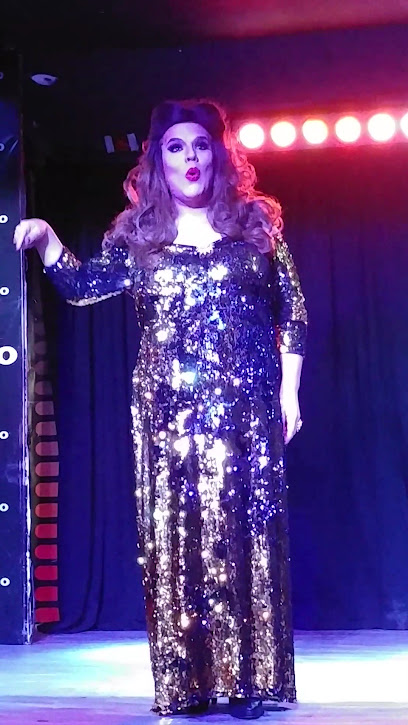
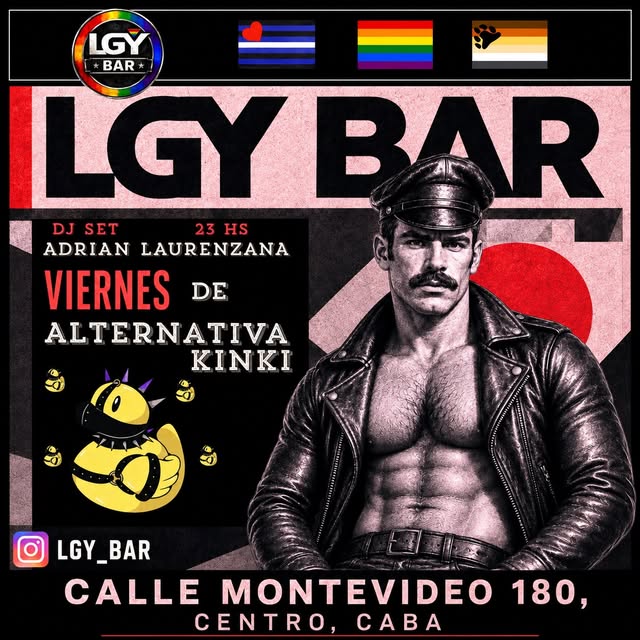
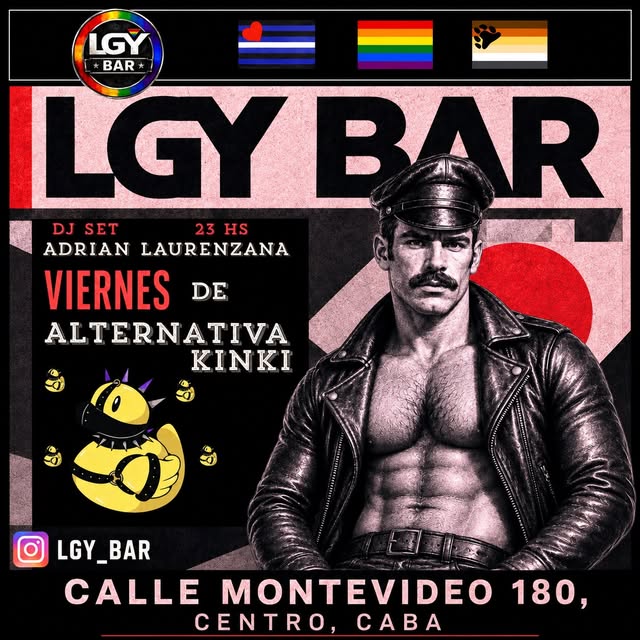
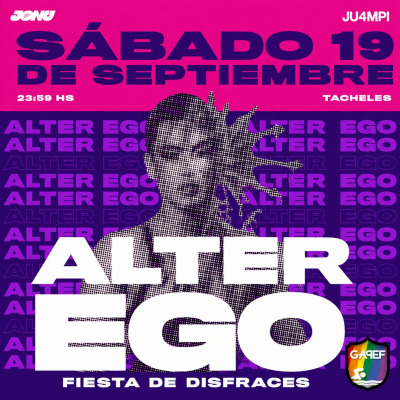
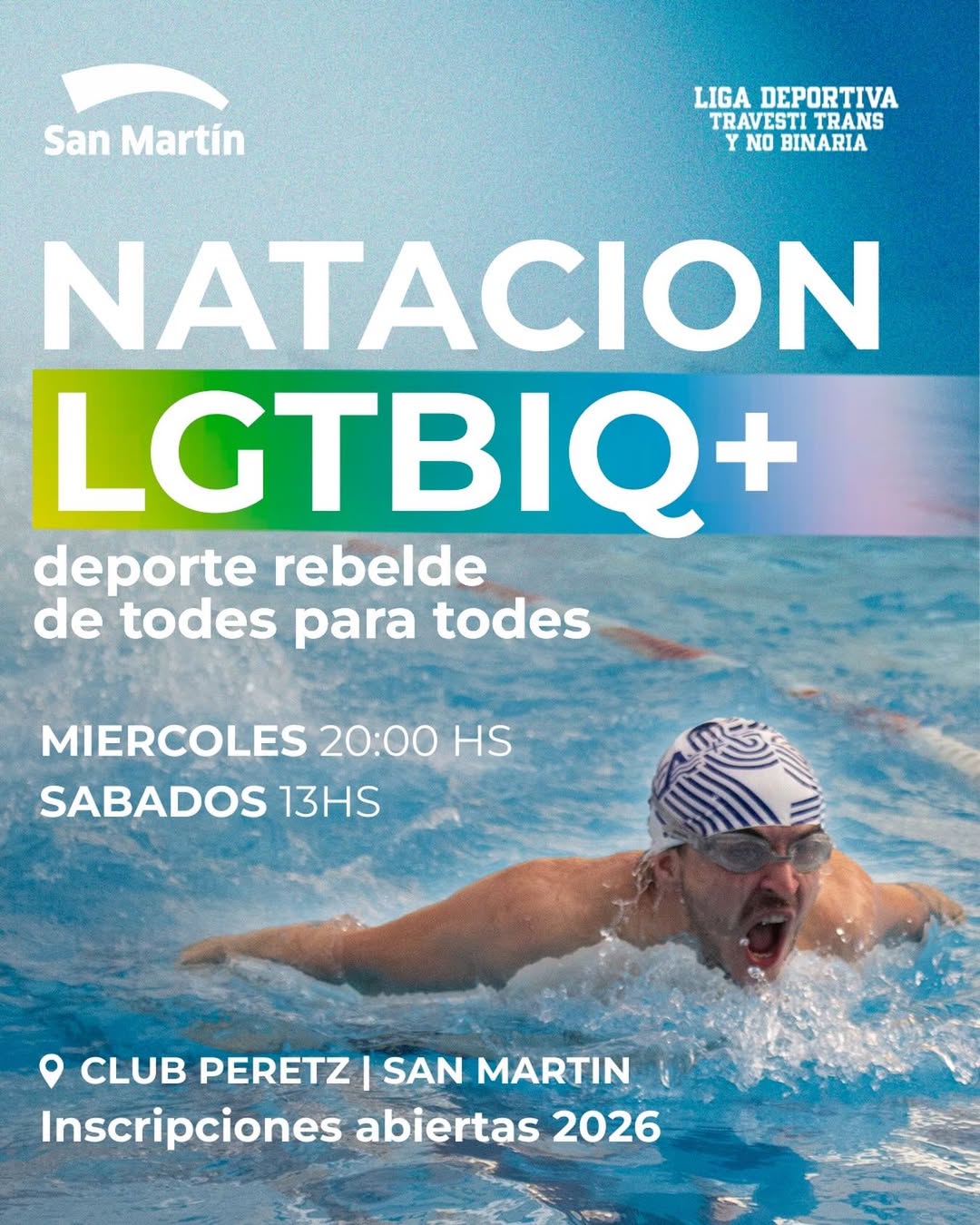
Die Szene für LGBTQ+-Nachtleben in Córdoba ist im Vergleich zu größeren Städten eher begrenzt. Das Angebot an Bars und Clubs kann sich ändern, daher ist es ratsam, sich vor der Ankunft über aktuelle Angebote lokaler LGBTQ+-Gruppen oder Tourismus-Websites zu informieren. Nueva Córdoba ist das Hauptviertel, um schwulenfreundliche Lokale zu erkunden. Dieses Viertel bietet eine Auswahl an Cafés und Restaurants mit vielfältigem Publikum, das auch LGBTQ+-Besucher willkommen heißt. Informationen über Saunen oder Cruising-Orte sind in englischsprachigen Reiseführern nicht weit verbreitet; lokale LGBTQ+-Community-Gruppen oder Apps wie Hornet oder Scruff können aktuelle Details zu solchen Etablissements und gesellschaftlichen Treffen bieten.
Die Marcha del Orgullo LGBTQ+ Córdoba findet normalerweise jährlich im November statt, wobei sich die Termine verschieben können. Dieser Pride-Marsch ist in den letzten Jahren gewachsen und zieht eine beträchtliche Anzahl von Teilnehmern an. Er verläuft üblicherweise durch das Stadtzentrum und endet mit einer Versammlung auf einem zentralen Platz. Die Veranstaltung verbindet Feier mit Aktivismus und bietet Reden, Auftritte und gemeinschaftliches Engagement. Im Laufe des Jahres finden in Córdoba kulturelle Veranstaltungen statt, die auch LGBTQ+-Programme umfassen können, wie Theateraufführungen in Spielstätten wie dem Teatro del Libertador und Filmfestivals, die gelegentlich queeres Kino zeigen. Die Universität der Stadt veranstaltet ebenfalls Vorträge, Ausstellungen und kulturelle Events, die oft inklusiv sind.
Für LGBTQ+-Reisende ist Nueva Córdoba die praktischste Gegend für Unterkünfte. Hotels und Hostels in diesem Viertel bieten einfachen Zugang zu Cafés, kulturellen Stätten und der allgemeinen Atmosphäre. Budget-Reisende finden hier Hostels, während mehrere Hotels komfortable Aufenthalte bieten. Das Viertel ist gut beleuchtet und generell sicher, besonders auf den Hauptstraßen und in der Nähe der Universitätsgelände. Downtown Córdoba bietet ebenfalls Unterkünfte in der Nähe der historischen Plätze und der Kathedrale, hat aber ein weniger bohemisches Flair als Nueva Córdoba.
Argentinien ist generell sicher für LGBTQ+-Reisende, und Córdoba macht da keine Ausnahme. Es gelten die üblichen Vorsichtsmaßnahmen für urbane Gebiete: Vermeiden Sie es, Wertgegenstände offen zu zeigen, seien Sie nachts aufmerksam auf Ihre Umgebung und bleiben Sie auf belebten, gut beleuchteten Straßen. Öffentliche Zuneigungsbekundungen werden in progressiven Vierteln und unter jüngeren Leuten generell akzeptiert, in traditionelleren Gegenden ist jedoch Diskretion ratsam.
Córdoba verfügt über ein öffentliches Bussystem (colectivos), das erschwinglich ist und die meisten Teile der Stadt bedient. Taxis und Fahrdienst-Apps sind ebenfalls verfügbar. Die Stadt ist weitläufig, daher ist die Nutzung von Verkehrsmitteln nützlich, obwohl Nueva Córdoba und das historische Zentrum für diejenigen, die in diesen Gegenden wohnen, gut zu Fuß erreichbar sind. Der Córdoba International Airport liegt etwa 15 Kilometer vom Stadtzentrum entfernt und ist über Bus- und Taxidienste mit der Stadt verbunden. Fernbusse aus Buenos Aires brauchen etwa 9-10 Stunden und kommen am Busbahnhof der Stadt an.
Córdoba bietet eine Auswahl an argentinischer Küche, darunter Parrillas (Steakhouses) sowie zahlreiche Cafés und Restaurants. Nueva Córdoba bietet eine Vielfalt an gastronomischen Angeboten, von leger bis gehoben, oft mit gemischtem und progressivem Publikum. Die Stadt ist bekannt für ihre Empanadas, Choripán und regionale Spezialitäten. Vegetarische und vegane Optionen werden zunehmend verfügbar, insbesondere in Nueva Córdoba.
Tagesausflüge von Córdoba aus beinhalten den Jesuitenkomplex Estancia, ein UNESCO-Weltkulturerbe mit Kolonialfarmen und Kirchen, etwa eine Stunde entfernt. Die Bergstädte La Cumbre und Cosquín in den Sierras de Córdoba bieten Wandermöglichkeiten, Outdoor-Aktivitäten und eine entspannte Atmosphäre und ziehen ein gemischtes und generell aufgeschlossenes Publikum an. Jesús María, etwa 50 Kilometer nördlich gelegen, beherbergt das Jesuiten-Nationalmuseum und eine bedeutende Jesuiten-Estancia. Die umliegende Landschaft bietet Möglichkeiten zur Erkundung der Natur.
Zu den wichtigsten kulturellen Sehenswürdigkeiten zählen die Córdoba Cathedral (Catedral Metropolitana) und das Cabildo, ein kolonialer Regierungsbau mit Blick auf den Hauptplatz. Die Stadt beherbergt auch Museen wie das Fine Arts Museum (Museo de Bellas Artes Evitar) und das Provincial Museum (Museo Provincial de Córdoba), die oft Ausstellungen mit kulturellem Programm veranstalten. Die Universitätskultur trägt zu einem aktiven intellektuellen und künstlerischen Umfeld bei, mit regelmäßigen Theateraufführungen, Vorträgen und Filmvorführungen.
Besucher, die Kontakt zur lokalen LGBTQ+-Community suchen, können Gemeindezentren, Pride-Organisatoren oder Online-Foren speziell für Córdoba erkunden. Social-Media-Gruppen und Apps wie Hornet und Scruff können Reisenden und Einheimischen helfen, Community-Events und soziale Zusammenkünfte zu finden. Das Fremdenverkehrsamt von Córdoba kann ebenfalls Informationen zu LGBTQ+-freundlichen Lokalen und Ressourcen anbieten.
Córdoba bietet LGBTQ+-Reisenden ein argentinisches Erlebnis, das eine sich entwickelnde queere Präsenz einschließt. Obwohl die Szene kleiner ist als in Buenos Aires, machen die Stadtviertel, das kulturelle Angebot, die rechtlichen Schutzmaßnahmen und die progressive Bevölkerung sie zu einem attraktiven Reiseziel. Besucher können freundliche Einheimische, inklusive Räume und eine Reihe von kulturellen und Outdoor-Aktivitäten erwarten.


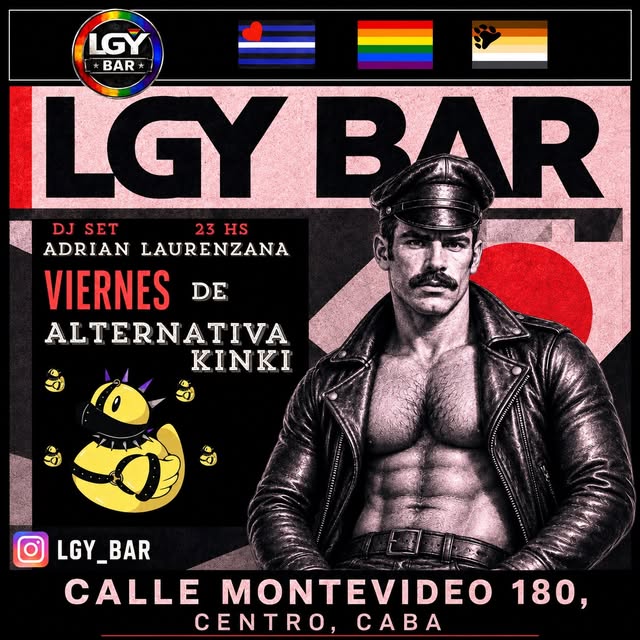



 Freundliche Schwule Bars & Clubs
(58)
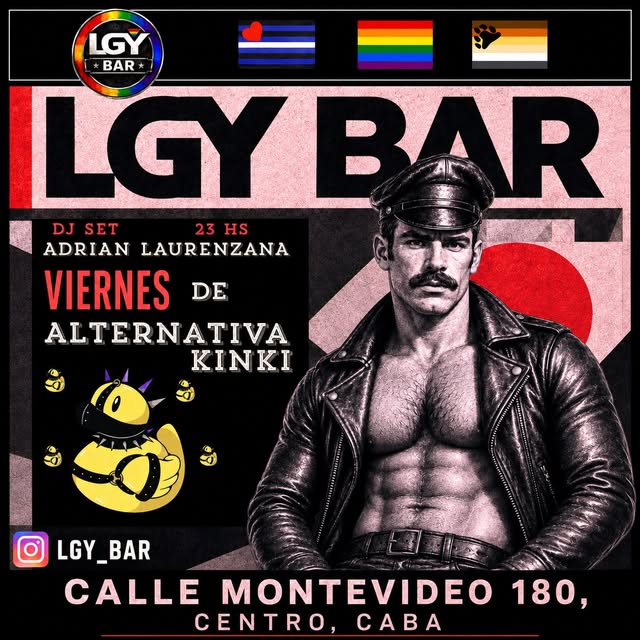
Freundliche Schwule Bars & Clubs
(58)