Everything worth knowing before you go.
Córdoba, Argentina's second-largest city, is becoming a more welcoming destination for LGBTQ+ travelers. Situated about 700 kilometers northwest of Buenos Aires, it offers a blend of colonial architecture, cultural attractions, and a developing queer community, aligning with Argentina's national LGBTQ+ rights framework.
Argentina has a history of progressive LGBTQ+ legislation. Same-sex marriage has been legal nationwide since 2010, and gender identity recognition laws enacted in 2012 allow for legal gender changes without medical intervention. Córdoba, as part of Argentina, benefits from these protections. However, the LGBTQ+ scene here is less extensive and visible than in Buenos Aires. Social acceptance can vary by neighborhood and demographic, with younger populations and urban areas generally more open than more traditional districts.
Barrio Nueva Córdoba is central to the city's LGBTQ+ scene and a significant cultural hub. Located south of the historic center, it features tree-lined streets, colonial buildings repurposed as cafes and galleries, university spaces, and a lively nightlife. The neighborhood is walkable and generally safe, with a bohemian atmosphere that draws students, artists, and progressive residents. Many LGBTQ+ locals and visitors find Nueva Córdoba appealing due to its inclusive character and cultural offerings. The historic center, with its Jesuit cathedral and colonial plazas, is also worth visiting. While not exclusively an LGBTQ+ area, it is generally safe and welcoming.
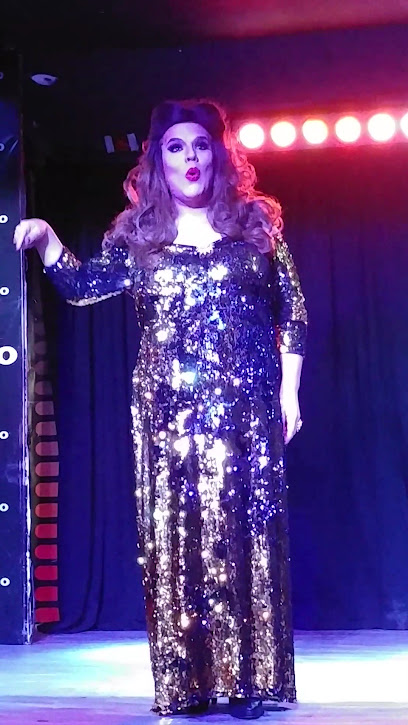
Córdoba's dedicated LGBTQ+ nightlife is more limited compared to larger cities. The landscape of bars and clubs can change, so checking current listings through local LGBTQ+ groups or tourism websites before arrival is recommended. Nueva Córdoba is the primary area for exploring gay-friendly venues. This neighborhood has various cafes and restaurants with diverse clientele that are welcoming to LGBTQ+ visitors. Information on saunas or cruising venues is not widely available in English-language guides; local LGBTQ+ community groups or apps such as Hornet or Scruff may offer current details on such establishments and social gatherings.
The Marcha del Orgullo LGBTQ+ Córdoba typically takes place annually in November, though dates may shift. This Pride march has grown in recent years, attracting a significant number of participants. It usually proceeds through the city center, concluding with a gathering in a central plaza. The event combines celebration with activism, featuring speeches, performances, and community engagement. Throughout the year, Córdoba hosts cultural events that may include LGBTQ+ programming, such as theater productions at venues like Teatro del Libertador and film festivals that sometimes screen queer cinema. The city's university also hosts lectures, exhibitions, and cultural events that are often inclusive.
For LGBTQ+ travelers, Nueva Córdoba is the most convenient neighborhood for accommodation. Hotels and hostels in this area provide easy access to cafes, cultural venues, and the general atmosphere. Budget travelers can find hostels, while several hotels offer comfortable stays. The neighborhood is well-lit and generally safe, particularly on main streets and near university campuses. Downtown Córdoba also has accommodations near the historic plazas and cathedral, though it offers a less bohemian feel than Nueva Córdoba.
Argentina is generally safe for LGBTQ+ travelers, and Córdoba adheres to this. Standard urban safety practices are advised: avoid displaying valuable items, be aware of your surroundings at night, and stick to main, well-lit streets. Public displays of affection are generally accepted in progressive neighborhoods and among younger crowds, though discretion in more traditional areas is advisable.
Córdoba has a public bus system (colectivos) that is affordable and serves most parts of the city. Taxis and ride-sharing apps are available. The city is spread out, so transportation is useful, though Nueva Córdoba and the historic center are walkable for those staying in these areas. Córdoba International Airport is approximately 15 kilometers from the city center, with bus and taxi services connecting to the city. Long-distance buses from Buenos Aires take about 9-10 hours and arrive at the city's bus terminal.
Córdoba offers a range of Argentine cuisine, including parrillas (steakhouses) and numerous cafes and restaurants. Nueva Córdoba has a variety of dining options, from casual to upscale, often with mixed and progressive clientele. The city is known for empanadas, choripán, and regional specialties. Vegetarian and vegan options are increasingly available, especially in Nueva Córdoba.
Day Trips
Day trips from Córdoba include the Jesuit Estancia Complex, a UNESCO World Heritage site featuring colonial farms and churches about an hour away. The mountain towns of La Cumbre and Cosquín in the Sierras de Córdoba offer hiking, outdoor activities, and a relaxed atmosphere, attracting a mixed and generally welcoming crowd. Jesús María, located about 50 kilometers north, is home to the Jesuit National Museum and an important Jesuit estancia. The surrounding landscape provides opportunities for outdoor exploration.
Key cultural attractions include the Córdoba Cathedral (Catedral Metropolitana) and the Cabildo, a colonial government building overlooking the main plaza. The city also houses museums such as the Fine Arts Museum (Museo de Bellas Artes Evitar) and the Provincial Museum (Museo Provincial de Córdoba), which often host exhibitions with cultural programming. The university culture contributes to an active intellectual and artistic environment, with regular theater productions, lectures, and film screenings.
Visitors seeking to connect with the local LGBTQ+ community can explore community centers, Pride organizers, or online forums specific to Córdoba. Social media groups and apps like Hornet and Scruff can help travelers and locals find community events and social gatherings. The Córdoba tourism office may also offer information on LGBTQ+-friendly venues and resources.
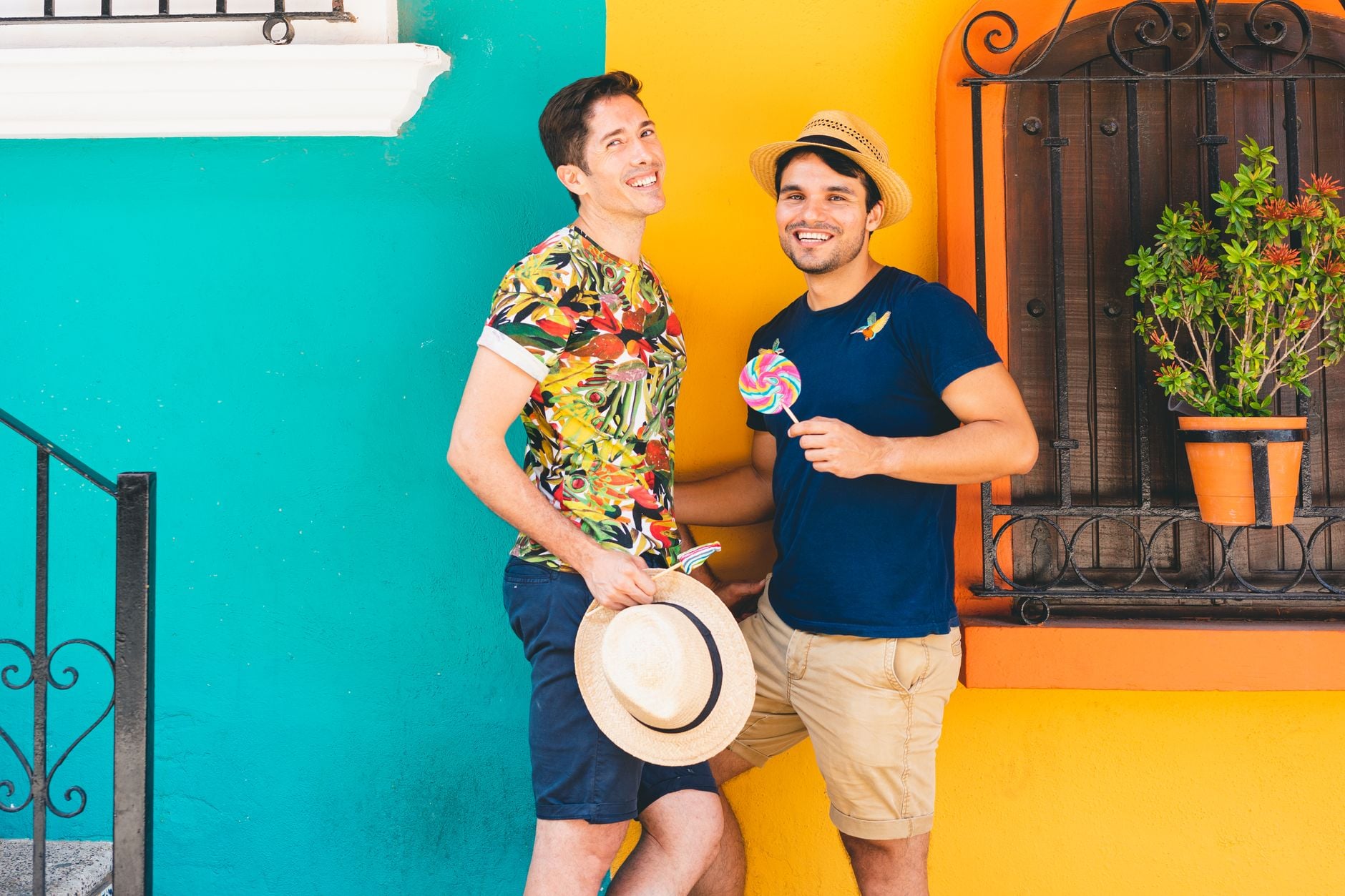
Córdoba provides LGBTQ+ travelers with an Argentine experience that includes a developing queer presence. While the scene is smaller than in Buenos Aires, the city's neighborhoods, cultural offerings, legal protections, and progressive population make it an appealing destination. Visitors can expect friendly locals, inclusive spaces, and a range of cultural and outdoor activities.



 Gay-Friendly Bars & Clubs
(58)
Gay-Friendly Bars & Clubs
(58)