Sociedad generalmente tolerante pero sin reconocimiento legal de relaciones del mismo sexo. Un proyecto de ley sobre Orientación Sexual y Expresión de Identidad de Género (SOGIE) ha estado pendiente en el Congreso durante décadas. La influencia de la Iglesia Católica es significativa.
Nunca te pierdas un evento gay en Malay
Un correo electrónico a la semana: la programación del fin de semana, fiestas y ofertas. Sin spam, puedes darte de baja cuando quieras.
Weekly event updates. Notifications appear on your lock screen.
On iPhone: first add GayOut to your Home Screen (Share → Add to Home Screen), then open it from there to enable notifications.
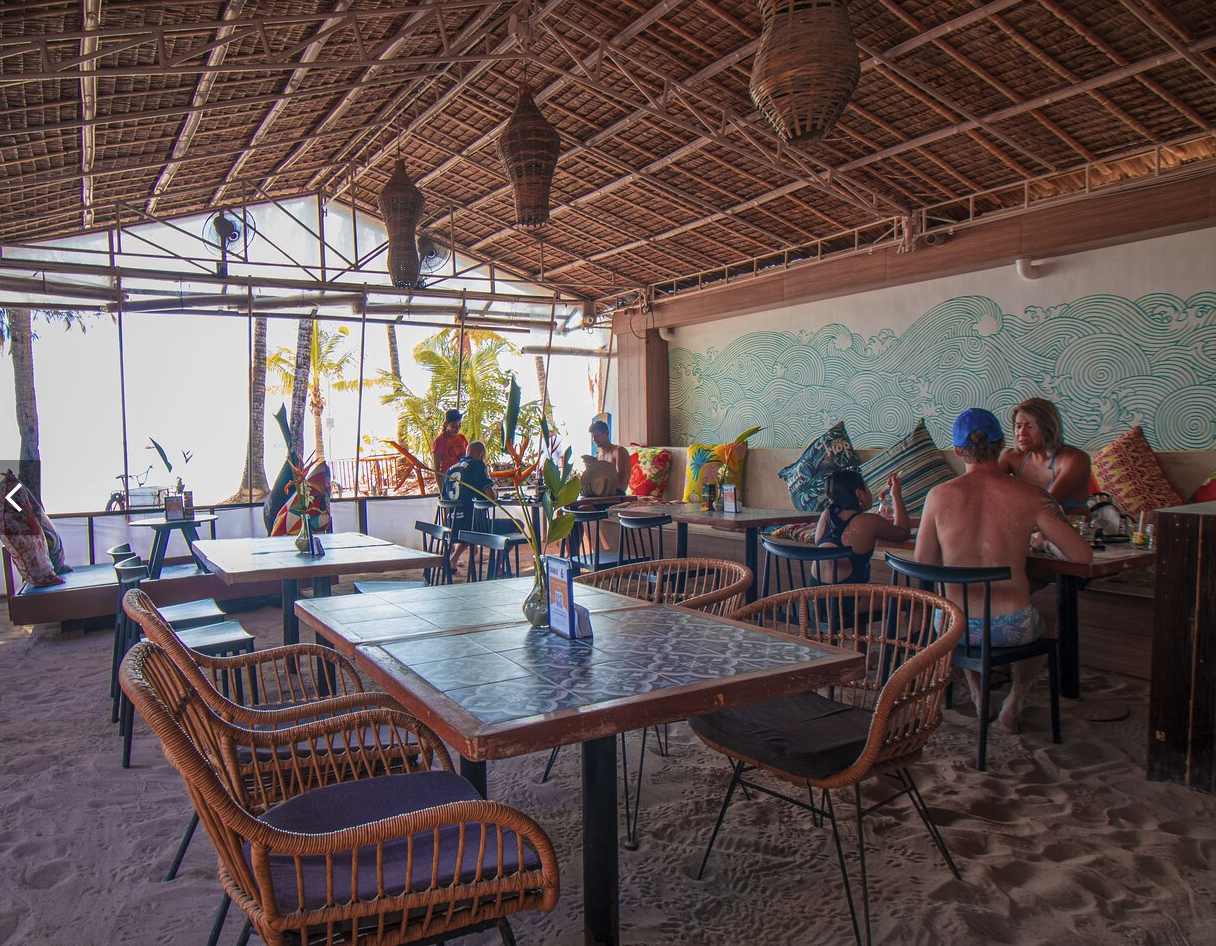
Por la noche, la amplia área del salón principal se transforma de una base elegante y serena en un verdadero Beach Club, con una vitalidad exhilarante que la ha convertido en el EPICenter de la isla.
Roger's Place Gay Guesthouse offers gay-exclusive accommodation for men in Boracay. There are also rooftop sunbeds in the property which are available to guests for sunbathing.
Ubicado en la hermosa White Beach, encontrarás tu nuevo hogar en Boracay Island, Villa Caemilla Beach Boutique Hotel. Completamente renovado y abierto a mediados de 2014.
Gay Boracay (Malay), Filipinas: Una Guía de Viaje LGBTQ+
Resumen
Boracay es la isla de playa más famosa de Filipinas y uno de los destinos tropicales más acogedores para la comunidad LGBTQ+ del Sudeste Asiático. Administrativamente pertenece al municipio de Malay, en la provincia de Aklan, Bisayas Occidentales. Por eso, en algunos mapas y sitios de reservas, el destino aparece etiquetado como "Malay", pero la isla que todos visitan es Boracay. El municipio tiene una población de aproximadamente 64.700 habitantes, la mayoría concentrada en tierra firme y a lo largo de la White Beach de tres kilómetros de Boracay. Para los visitantes LGBTQ+, Boracay ofrece un ambiente relajado e integrado: no hay un barrio gay, pero la isla es pequeña, tolerante y está acostumbrada a los viajeros internacionales, y los visitantes queer se integran cómodamente en su vida de bares de playa y resorts.
El Ambiente
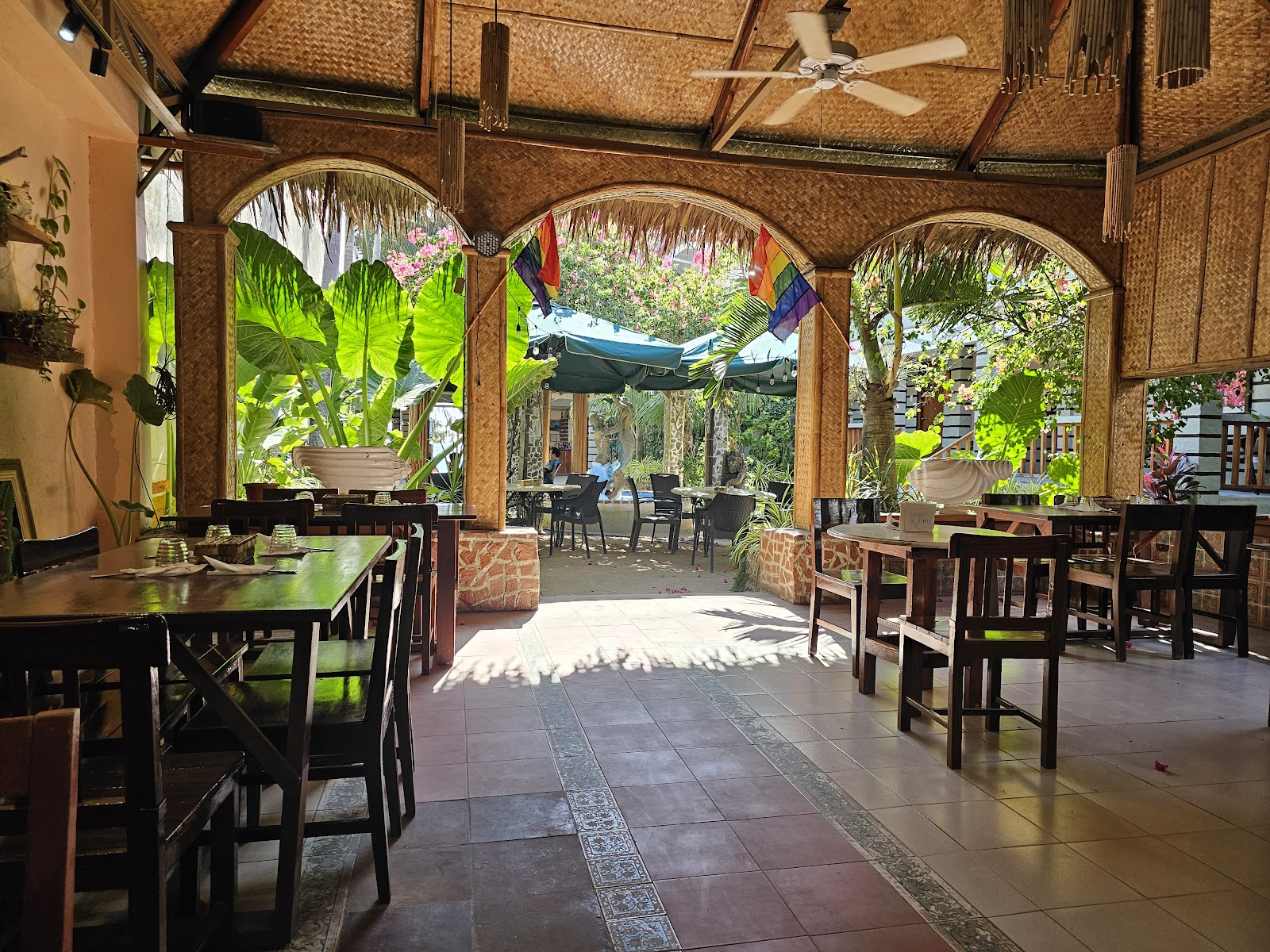
El ambiente gay de Boracay es compacto y se centra en White Beach, que se divide en Station 1 (más tranquila, de lujo), Station 2 (el núcleo de la vida nocturna y la gastronomía alrededor de D'Mall) y Station 3 (económica, en el extremo sur). El único local genuinamente LGBTQ+ es Rainbow Cafe & Lounge, situado junto a Nigi Nigi Too en Station 2, que acoge el único espectáculo de drag regular de Boracay varias noches a la semana y es el punto de encuentro fiable para viajeros y locales gay. Más allá de eso, la vida nocturna principal de la isla es más "gay-friendly" que exclusivamente gay: Epic y OM Boracay son las grandes discotecas frente a la playa donde multitudes mixtas bailan hasta tarde, y Cocoloco es un bar de playa relajado popular para tomar copas al atardecer. Son locales convencionales que dan la bienvenida a todo el mundo en lugar de ser bares gay dedicados, así que esperen un ambiente vacacional inclusivo en lugar de un circuito gay de gran ciudad.
Barrios y Zonas
La Estación 2 de White Beach es el centro neurálgico para los visitantes LGBTQ+: alberga D'Mall, la mayoría de los restaurantes, Rainbow Cafe y los principales locales de ocio nocturno, y se puede recorrer a pie de un extremo a otro. La Estación 1, al norte, es más tranquila y cara; la Estación 3, al sur, es más relajada y orientada al presupuesto, y es cerca de la Estación 3 (Manoc-Manoc) donde se encuentra la casa de huéspedes para hombres gay de la isla, en una tranquila ladera. Bulabog Beach, en el lado este, es el centro del kitesurf y los deportes acuáticos, mientras que las playas de Puka (Yapak) y Diniwid, en el norte, ofrecen arena más tranquila y alejada de las multitudes.
Roger's Place es la casa de huéspedes para hombres gay de larga trayectoria en la isla: un pequeño y acogedor alojamiento familiar solo para hombres cerca de la Estación 3, con una fiel clientela internacional, y lo más parecido a un alojamiento gay dedicado que tiene Boracay. Más allá, una amplia gama de hoteles gay-friendly bordean White Beach, desde estancias boutique como Villa Caemilla y Ferra Hotel hasta resorts frente a la playa como The District Boracay, Henann Regency (sede del Wave Bar), Hue Hotels y el lujoso Mandala Spa & Resort. La hospitalidad filipina es célebremente cálida, y las parejas del mismo sexo se alojan sin problemas en toda la isla.
Orgullo y Eventos
Boracay no celebra una gran marcha del Orgullo callejera como Manila o Cebú, y el Mes del Orgullo (junio) se conmemora de forma informal con fiestas y reuniones en la playa en lugar de un desfile. El evento LGBTQ+ más emblemático de la isla es la fiesta JUNGLE circuit, un evento itinerante de baile gay filipino que celebra una edición en Boracay en el Wave Bar & Lounge de Henann Regency, atrayendo a multitudes de circuito a White Beach. Las noches de drag en Rainbow Cafe, las fiestas de espuma y piscina ligadas a la temporada alta, y los eventos improvisados en la playa completan el calendario, con la actividad alcanzando su punto álgido en la estación seca y alrededor de fin de año.
Playas
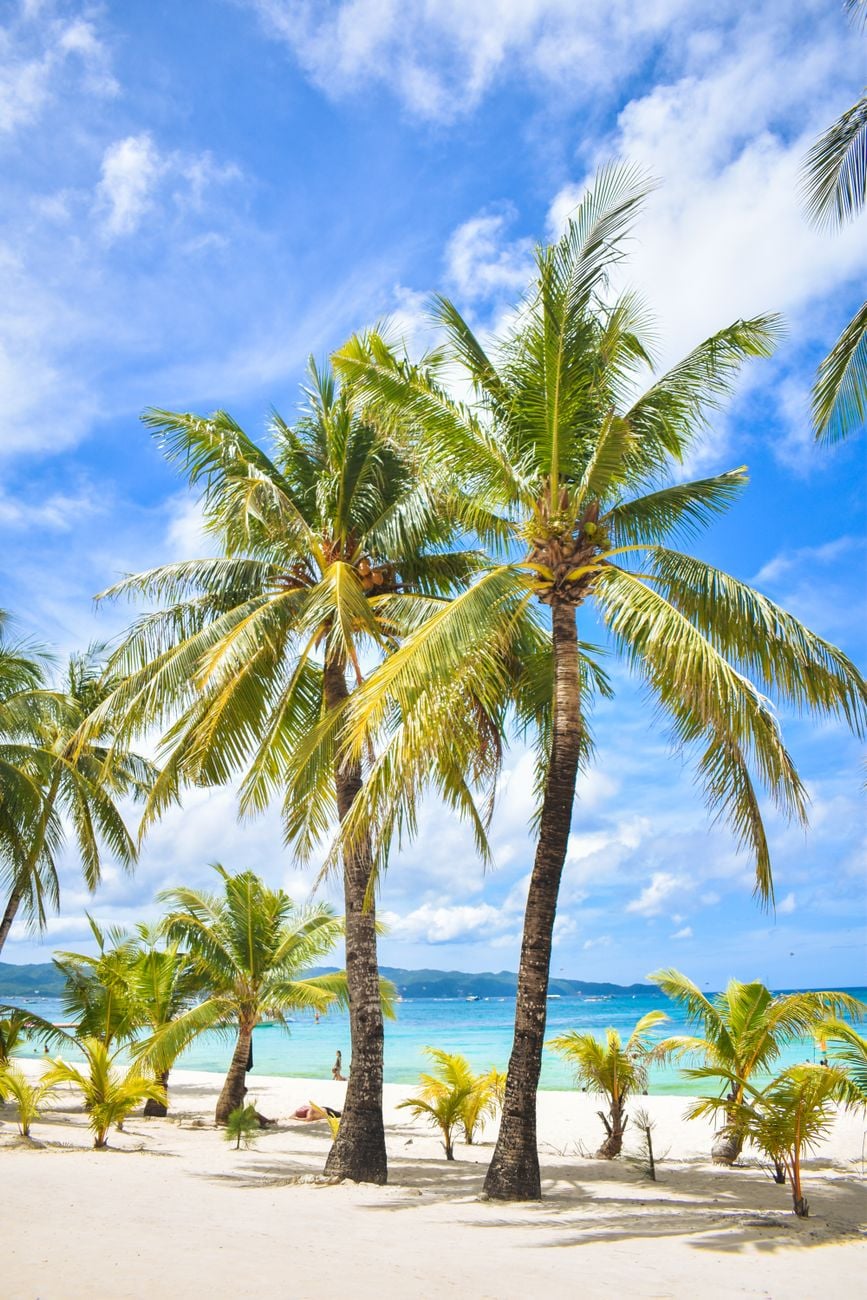
White Beach es el corazón de la isla y su punto de encuentro, especialmente el tramo entre Station 2 y 3, donde se concentran bares y clubes de playa; es un lugar mayormente gay-friendly más que una playa designada para el colectivo. Para un día más tranquilo, Puka Beach y Diniwid ofrecen arenas más serenas, mientras que Bulabog atrae a los aficionados al kitesurf y al windsurf.
Seguridad y Ley
La actividad sexual entre personas del mismo sexo es legal en todo Filipinas y nunca ha sido criminalizada. El matrimonio entre personas del mismo sexo no está reconocido a nivel nacional, y el proyecto de ley nacional SOGIE Equality (contra la discriminación) lleva más de dos décadas estancado en el Congreso. Es importante destacar que, para los visitantes, la provincia de Aklan promulgó su propia ordenanza antidiscriminatoria que cubre la orientación sexual, la identidad y la expresión de género en junio de 2025, añadiendo protección local en todo Malay y Boracay. En la práctica, Boracay es una isla turística cosmopolita donde los viajeros LGBTQ+ informan sentirse seguros y bienvenidos; las muestras de afecto público entre parejas del mismo sexo son generalmente aceptadas en la franja turística, aunque un poco de discreción es sensata en entornos locales más conservadores.
Cómo Llegar y Moverse
La mayoría de los visitantes vuelan a Caticlan (Aeropuerto Godofredo P. Ramos) en Panay, a un corto trayecto en triciclo y 10-15 minutos en ferry desde los puertos de Boracay; el aeropuerto de Kalibo, a unas 1.5-2 horas en furgoneta, es una alternativa más económica con más vuelos internacionales. En la isla, el transporte se realiza en triciclo, e-trike y a pie; White Beach en sí es un paseo peatonal sin coches. La moneda es el peso filipino; los cajeros automáticos y los pagos con tarjeta son comunes en Station 2, aunque es recomendable llevar algo de efectivo.
Mejor Época para Visitar
La estación seca, de noviembre a abril, trae consigo los mares más calmados y el mejor clima de playa, y es temporada alta; la estación húmeda, de junio a octubre, es más tranquila y económica, con tormentas ocasionales y los fuertes vientos "habagat" que convierten a Bulabog en un punto de referencia para el kitesurf.
Preguntas frecuentes
Sí. Boracay es una isla turística cosmopolita donde los visitantes LGBTQ+ generalmente se sienten seguros y bienvenidos. La actividad entre personas del mismo sexo es legal en todo Filipinas, y desde junio de 2025 la provincia de Aklan tiene su propia ordenanza antidiscriminación que cubre la orientación sexual y la identidad de género. Las muestras de afecto públicas son aceptadas a lo largo de la franja turística; un poco de discreción es sensato en entornos locales más conservadores.
Sí, una pequeña escena. Rainbow Cafe & Lounge en White Beach Station 2 es el único local genuinamente gay de Boracay y alberga el único espectáculo drag regular de la isla. Los grandes clubes frente a la playa Epic y OM Boracay, además del bar de playa Cocoloco, son locales de vida nocturna mainstream gay-friendly donde se mezclan multitudes diversas. No hay un gran distrito de bares gay dedicado.
Pequeño, relajado e integrado en lugar de un distrito gay definido. La acción se centra en White Beach Station 2 alrededor de D'Mall: noches de drag en Rainbow Cafe, clubes de playa gay-friendly y multitudes de vacaciones. Alcanza su punto álgido en la temporada seca y alrededor de la fiesta del circuito JUNGLE que visita el Wave Bar de Henann Regency.
Roger's Place es la casa de huéspedes gay masculina de larga trayectoria en la isla, un pequeño alojamiento solo para hombres cerca de la Estación 3. Para hoteles gay-friendly, White Beach ofrece de todo, desde estancias boutique como Villa Caemilla y Ferra hasta resorts frente a la playa como The District Boracay, Henann Regency y el lujoso Mandala Spa & Resort. La Estación 2 es la base más conveniente para la vida nocturna.
No hay un gran desfile callejero como en Manila o Cebú. El Mes del Orgullo (junio) se celebra de forma informal con fiestas y reuniones en la playa. El evento LGBTQ+ distintivo de la isla es la fiesta del circuito JUNGLE, que se celebra en el Wave Bar & Lounge de Henann Regency, junto con las noches drag regulares en Rainbow Cafe.
No hay saunas o baños gay en Boracay; los spas locales son lugares de masajes turísticos normales. Tampoco hay una playa gay oficialmente designada; White Beach alrededor de las Estaciones 2-3 es el tramo de reunión ampliamente gay-friendly donde se agrupan los bares y clubes de playa.
Tus opciones de privacidad.
Usamos cookies para que GayOut funcione y, con tu consentimiento, para medir su uso. Saber más
Tus opciones de privacidad
Usamos cookies para que GayOut funcione, recordar tus preferencias y (con tu permiso) medir cómo se usa el sitio. Puedes aceptar todas, rechazar todas o elegir qué permites. Saber más
Esenciales
Necesarias para el inicio de sesión, prevención de fraude, protección CSRF y memorizar tu idioma. No se pueden desactivar.
Siempre activo
Recuerda tus favoritos, modo oscuro y otras preferencias de interfaz entre visitas.
Nos ayudan a saber qué páginas visita la gente (Google Analytics, estadísticas del servidor) para poder mejorar.
Se usan en píxeles de seguimiento de campañas. Ninguna está activa ahora; reservadas para el futuro.
Instalar GayOut
Añade GayOut a tu pantalla de inicio para acceso más rápido, favoritos sin conexión y avisos del Orgullo.


 Bares y clubes gay
Destacado
(156)
Bares y clubes gay
Destacado
(156)