Società generalmente tollerante ma nessun riconoscimento legale delle relazioni omosessuali. Una legge sull'orientamento sessuale e sull'espressione dell'identità di genere (SOGIE) è in sospeso in Congresso da decenni. L'influenza della Chiesa Cattolica è significativa.
Non perderti mai un evento gay a Malay
Una email a settimana — il programma del weekend, feste e offerte. Niente spam, disiscriviti quando vuoi.
Malay is a municipality on Boracay Island in Aklan Province, Western Visayas. It serves as the northern access point to Boracay, a renowned beach destination. The town itself is modest, with a population of around 8,000, and maintains a quieter, less developed atmosphere compared to the resort areas further south. For LGBTQ+ travelers, Malay offers an experience focused on authentic island life, natural beauty, and local hospitality, rather than a concentrated gay scene.
Historical Context and LGBTQ+ Scene
The Philippines has a varied approach to LGBTQ+ issues. While predominantly Catholic and lacking national anti-discrimination laws for sexual orientation and gender identity, Filipino culture is often perceived as generally accepting in daily life. Major cities like Manila and Cebu feature visible LGBTQ+ communities, nightlife, and Pride events. Boracay and Malay, as international tourist hubs, have become increasingly welcoming to LGBTQ+ visitors.
Malay does not have a specific LGBTQ+ neighborhood. The local queer community is integrated within the town. However, the nearby areas of Boracay, particularly the main beach resort strip, attract international LGBTQ+ tourists and have venues that cater to this demographic. The scene is generally casual and low-key.
Neighborhoods and Areas
Malay's town proper is organized around its main road. Key areas include:
Malay Town Center: The municipality's core, featuring local restaurants, shops, and services. This is a central gathering point for residents and offers authentic Filipino dining and culture.
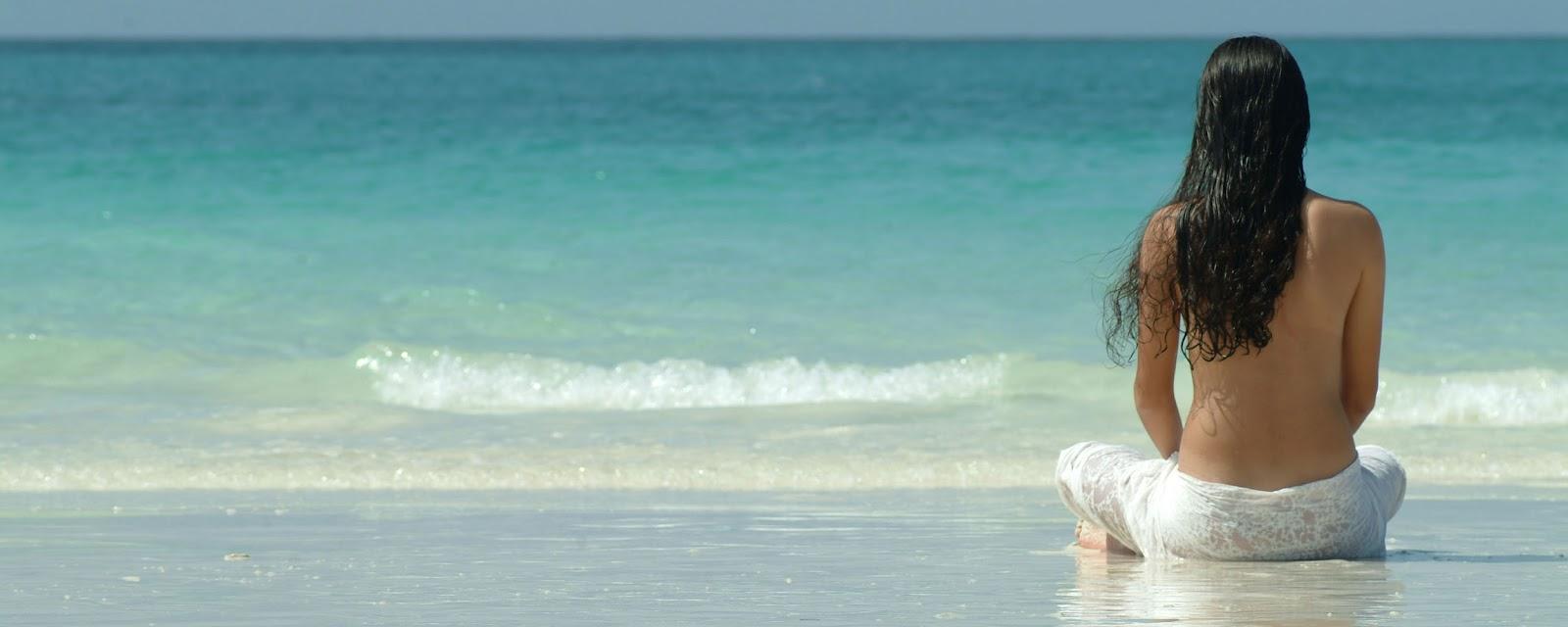
Station 0 (Tambisaan Beach): The northernmost section of Boracay's beach strip, accessible from Malay town. This area is quieter and less developed, appealing to backpackers and budget travelers seeking solitude.
Station 1: Boracay's primary tourist and commercial hub, located about 10-15 minutes south of Malay by tricycle. This area concentrates most resorts, international restaurants, bars, and nightlife, including venues frequented by LGBTQ+ visitors.
Station 2: Located further south, this area hosts a mix of mid-range and upscale resorts.
Venues and Nightlife
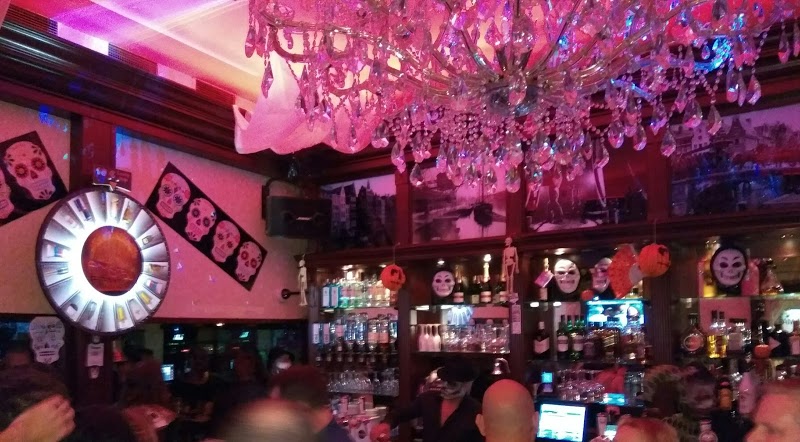
Malay itself has limited dedicated nightlife. Visitors typically travel to nearby Boracay for dining and entertainment. Along Boracay's main beach strip (Stations 1-2), numerous bars, clubs, and restaurants welcome LGBTQ+ patrons. These establishments are generally casual beach bars and international-style venues, rather than exclusively gay-focused ones. Specific venue details can change frequently due to the transient nature of the tourism economy; consulting local guides, hotel staff, or online travel forums for current recommendations is advisable.
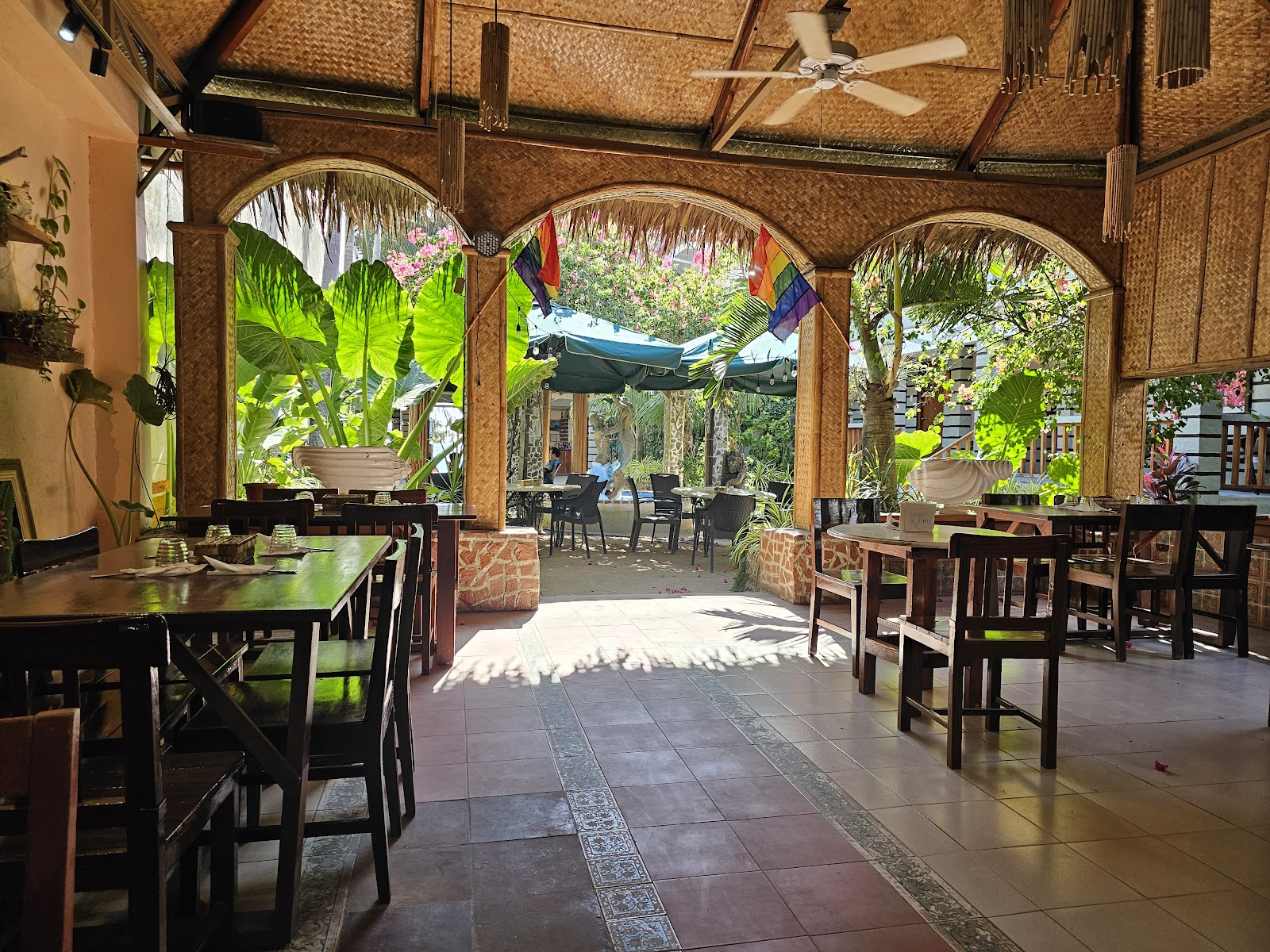
Resort hotels in Malay and Boracay are generally welcoming to all guests. Many cater to international tourists and are accustomed to LGBTQ+ clientele.
Malay and Boracay do not host major Pride celebrations or dedicated LGBTQ+ festival events. Pride Month (June) and other LGBTQ+ observances are not prominently marked in the municipality, unlike in larger Philippine cities such as Manila or Cebu. However, the beaches and natural attractions remain accessible year-round, and visitors can expect friendly locals and an absence of overt hostility.
Where to Stay
Malay offers a range of accommodations, from budget guesthouses to mid-range resorts. Options include:
Budget: Small family-run guesthouses and inns throughout town, typically costing PHP 800-2,000 per night.
Mid-Range: Small to medium resorts along the Malay/Station 0 area, providing beach access and basic amenities, generally priced at PHP 2,000-5,000 per night.
Upscale: A few higher-end resorts in Malay offer enhanced facilities, often starting at PHP 5,000+ per night.
Boracay's Station 1 and 2 provide a wider array of accommodation choices, from 5-star international chains to backpacker hostels, catering to various budgets.
Many resorts and hotels in the area have experience hosting LGBTQ+ couples and guests without issue. International booking platforms and local travel agencies can assist with arrangements.
Malay and Boracay are generally considered safe for LGBTQ+ travelers. The Philippines does not have laws criminalizing same-sex relationships between consenting adults. Public displays of affection between same-sex couples might attract attention in smaller towns due to cultural conservatism, but are unlikely to lead to legal repercussions or significant harassment. Standard safety practices, such as avoiding isolated areas at night and securing valuables, are recommended.
Authorities generally do not target LGBTQ+ individuals. Medical services in Boracay are adequate but may be limited for serious conditions; travel insurance is advised.
Transportation
To reach Malay, travelers typically fly into a nearby airport and then proceed to the municipality.
Panay Island: The main airports are Iloilo City (approximately 2.5 hours by bus or car from Malay) and Kalibo (about 1.5 hours).
Local Transport: Within Malay and Boracay, transportation options include tricycles (three-wheeled taxis) and walking. Tricycle fares range from PHP 10-50 depending on the distance. Hotels can assist with transportation arrangements.
Boat Shuttles: Ferries and boats connect Boracay to nearby islands and coastal towns.
Food and Dining
Malay's culinary offerings blend Filipino and international influences. Local options include:
Filipino Cuisine: Small eateries and warungs serving staple dishes like adobo, sinigang, grilled fish, and rice. Meals are generally inexpensive (PHP 100-300).
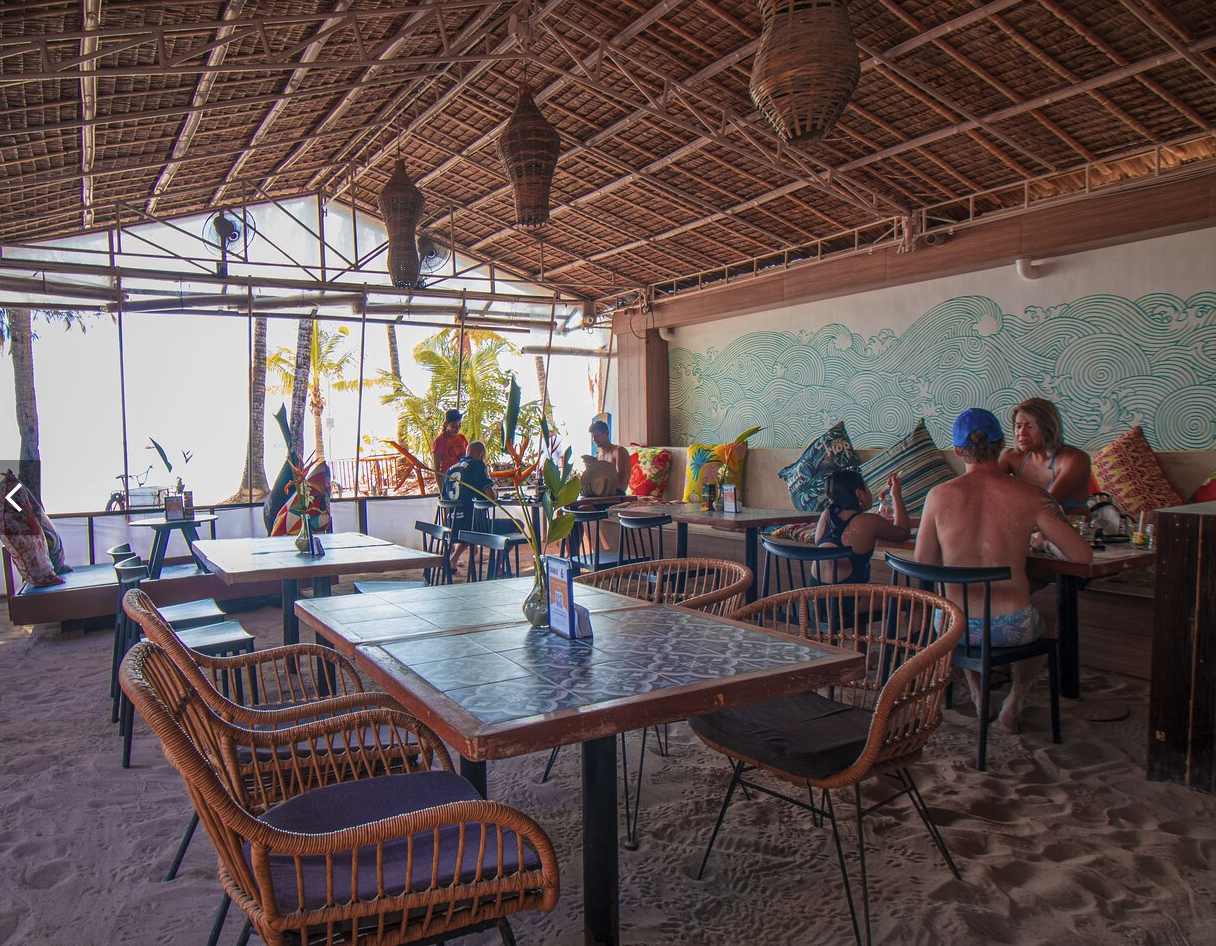
Seaside Restaurants: Beachfront establishments in Boracay offer fresh seafood and international dishes, catering to tourists.
Cafes: Local coffee shops and tourist-oriented cafes are found throughout the town.
Food & Drink
Food is generally affordable. A local meal typically costs PHP 150-400, while tourist-oriented restaurants may charge PHP 500-1,500+ per entree.
Day Trips and Activities
Malay and Boracay are destinations in themselves, with nearby attractions including:
Boracay Island Exploration: The primary draw, offering beaches, snorkeling, diving, and island-hopping tours to spots like Puka Shell Beach.
Diniwid Beach: Located north of Malay, this beach is quieter and more frequented by locals.
Fregata Island: A small island accessible by boat.
Water Sports: Parasailing, jet skiing, windsurfing, and scuba diving are available through various operators.
Aklan Province: Nearby towns like Kalibo provide cultural experiences and access to local markets.
Best Times to Visit
The dry season, from November to April, is ideal for beach activities, with calm seas and clear skies. The wet season, from June to September, experiences less tourism and occasional storms but remains viable for travel. The peak tourist season runs from December to February and during the summer months (March-April), when accommodations are pricier and beaches are more crowded.
Practical Tips
Language: Filipino (Tagalog) and English are widely spoken in tourist areas. Learning basic Filipino phrases is appreciated.
Currency: Philippine Peso (PHP). ATMs are available in towns, and credit cards are accepted at larger establishments.
Visa: Most visitors from developed countries receive a 30-day visa-free entry; check current requirements.
Health: Bottled water is recommended. Standard vaccinations are advised.
Culture: Filipinos are generally friendly and polite. Dress modestly when visiting religious sites or interacting with elders.
Domande frequenti
While the Philippines has a complex relationship with LGBTQ+ rights and lacks comprehensive anti-discrimination laws, Filipino culture can exhibit tolerance for gender nonconformity in everyday life. However, legal protections remain limited, and public displays of same-sex affection in Malay may attract unwanted attention due to its conservative social fabric.
No, Malay, Philippines does not have any known gay bars, dedicated clubs, or LGBTQ+-specific establishments. The municipality itself has minimal dedicated gay infrastructure.
Malay, as a small provincial town, does not have an organized or visible LGBTQ+ scene. The social fabric remains conservative.
Malay has no dedicated gay accommodations. The most developed tourist area is near Caticlan Port, which has the highest concentration of tourist-oriented businesses and budget accommodations.
Yes, the nearby island of Boracay has evolved as a more cosmopolitan and LGBTQ+-friendly destination over the past two decades, attracting international visitors and creating pockets of acceptance.
No, Malay is geographically compact and not organized into distinct gay neighborhoods. The main town center is clustered around the port area and main commercial streets.
Le tue scelte di privacy.
Utilizziamo i cookie per far funzionare GayOut e, con il tuo consenso, misurarne l'utilizzo. Scopri di più
Le tue scelte di privacy
Usiamo i cookie per far funzionare GayOut, ricordare le tue preferenze e (con il tuo permesso) misurare come viene usato il sito. Puoi accettare tutto, rifiutare tutto o scegliere cosa consentire. Scopri di più
Essenziali
Necessari per il login, la prevenzione delle frodi, la protezione CSRF e per ricordare la lingua. Non disattivabili.
Sempre attivi
Ricordano i tuoi preferiti, la modalità scura e altre preferenze tra una visita e l'altra.
Ci aiutano a capire quali pagine vengono visitate (Google Analytics, statistiche lato server) per migliorare il sito.
Usati dai pixel di tracciamento per le campagne. Al momento nessuno è attivo, riservati a un uso futuro.
Installa GayOut
Aggiungi GayOut alla schermata Home per un accesso più rapido, preferiti offline e avvisi sui Pride.


 Bar e club gay accoglienti
(22)
Bar e club gay accoglienti
(22)