Todo lo que conviene saber antes de ir.
La escena LGTBIQ+ de Tartu
El enfoque de Estonia hacia los derechos LGTBIQ+ ha evolucionado significativamente. Tras su independencia en 1991, la homosexualidad fue despenalizada en 1992. Tartu, un centro de educación y cultura, vio crecer su comunidad LGTBIQ+, especialmente entre estudiantes y profesionales. Las uniones civiles para parejas del mismo sexo se legalizaron en 2016, y la plena igualdad matrimonial llegó en 2024. Estonia es considerada un país progresista en temas LGTBIQ+, y Tartu es, en general, más abierta que las zonas rurales. La comunidad LGTBIQ+ local ha pasado de reuniones privadas a eventos públicos, y Tartu Pride se ha convertido en una cita anual destacada. Existen espacios de apoyo y sociales, aunque la escena de Tartu es más íntima que la de Tallinn.
El centro de Tartu es fácilmente transitable a pie. El Casco Antiguo (Vanalinn), el núcleo histórico y social, rodea Raekoja plats (Plaza del Ayuntamiento) y se extiende hasta el río Emajõgi. Esta zona alberga la mayoría de restaurantes, cafeterías y locales culturales. El campus universitario está repartido por toda la ciudad, y el distrito de Supilinn, al norte del centro, ofrece un ambiente estudiantil con opciones gastronómicas y bares asequibles. El barrio de Karlova, al sur del Casco Antiguo, es popular entre jóvenes profesionales y creativos. El distrito de Jaama, cerca de la estación de tren, es más funcional pero accesible. La mayoría de los locales y puntos de encuentro LGTBIQ+ se encuentran en el Casco Antiguo o sus alrededores.
Los bares y discotecas específicos para el colectivo LGTBQ+ pueden cambiar, por lo que se recomienda consultar los recursos locales al llegar. Históricamente, los bares y locales universitarios han atraído a públicos diversos con una presencia LGTBQ+ significativa. Las saunas son una institución social común en Estonia, y algunas ofrecen instalaciones mixtas con horarios o reputación específicos para el colectivo. Las cafeterías y bares informales del casco antiguo, especialmente alrededor de Raekoja plats y la calle Kompanii, son populares para socializar durante el día y a menudo tienen ambientes mixtos y acogedores para el colectivo LGTBQ+. Los bares universitarios cerca de la facultad suelen ser progresistas e inclusivos. Los locales de música en directo y las instituciones culturales de toda la ciudad acogen frecuentemente eventos LGTBQ+, especialmente durante el Pride. El Tartu Cultural Center y varias galerías presentan exposiciones y actuaciones.
El Tartu Pride (Tartu Uhkus) se celebra anualmente en mayo, normalmente alrededor del 17 de mayo. El evento se ha ampliado para incluir un desfile por el centro de la ciudad, programación cultural, fiestas y encuentros comunitarios. En los últimos años, la asistencia ha sido de miles de personas. El desfile del Pride suele atraer la atención de los medios y la atención política. Aunque ocasionalmente ha habido contraprotestas, la seguridad suele estar presente y el ambiente es festivo. Diversos locales acogen eventos temáticos durante la semana del Pride. Más allá del Pride, los meses de verano traen una mayor actividad social con encuentros al aire libre. El Tartu Summer Festival (Tartu Suvi) en junio presenta una programación diversa.
Los alojamientos en Tartu suelen estar a poca distancia de las zonas clave, dada la extensión de la ciudad. El centro del casco antiguo ofrece cercanía a los locales de ocio, pero puede estar muy enfocado al turismo. Los hoteles en Supilinn o a lo largo del río brindan buen acceso y son más tranquilos. Los Airbnb y las casas de huéspedes están ampliamente disponibles y suelen ser más asequibles que los hoteles. Los viajeros con presupuesto limitado pueden encontrar albergues estudiantiles y casas de huéspedes cerca de la universidad. Los hoteles de gama media se encuentran en el casco antiguo y cerca de la estación de tren. Los precios de los alojamientos son, en general, más bajos que en las principales ciudades de Europa Occidental.
Estonia es, en general, un destino seguro para viajeros LGBTQ+. Tartu y Tallin se consideran las ciudades más acogedoras, con comunidades LGBTQ+ visibles. Las muestras públicas de afecto entre parejas del mismo sexo son habituales en el centro de Tartu y en las zonas universitarias. Fuera de estos núcleos urbanos, se recomienda discreción, aunque los incidentes dirigidos a personas LGBTQ+ son infrecuentes. Legalmente, Estonia ofrece fuertes protecciones, incluida la igualdad matrimonial para parejas del mismo sexo, leyes antidiscriminatorias que cubren el empleo y los alojamientos públicos, y un proceso para el reconocimiento legal del género. No existe disparidad en la edad de consentimiento para la actividad entre personas del mismo sexo. Cambios recientes en el marco legal estonio para el reconocimiento de género han simplificado los procedimientos, avanzando hacia la autodeterminación. El dominio del inglés es alto entre los jóvenes y en los centros urbanos, pero no es universal. Aprender algunas frases en estonio será apreciado. El personal de información turística en el centro de Tartu suele hablar inglés. La moneda es el Euro (EUR). Tartu es menos caro que Tallin o las principales ciudades de Europa Occidental. Los pagos con tarjeta son ampliamente aceptados.
Tartu es fácilmente accesible desde Tallin en autobús (2.5-3 horas) a través de servicios como Lux Express o Flixbus. También hay trenes disponibles, pero son más lentos. El centro de la ciudad es compacto y se puede recorrer a pie. Los autobuses públicos conectan con las zonas circundantes y son económicos. Las bicicletas son un medio de transporte popular. Taxis y aplicaciones de transporte compartido (Bolt, Uber) están disponibles y son asequibles dentro de Tartu. La ciudad cuenta con una buena infraestructura ciclista.
La oferta gastronómica de Tartu se caracteriza por su asequibilidad, sus locales informales y una diversidad creciente, reflejo de su estatus de ciudad universitaria. El casco antiguo ofrece numerosos cafés y restaurantes que sirven cocina tradicional estonia (como pan de centeno, sopas y platos de carne) junto con opciones internacionales. Las opciones vegetarianas y veganas son cada vez más comunes. La restauración informal popular incluye restaurantes estonios, pizzerías y diversas cocinas étnicas. Los cafés sirven café y funcionan como centros sociales. La mayoría de los locales son acogedores o neutrales para la comunidad LGBTQ+. La vida nocturna consta de bares, discotecas y locales estudiantiles. El ambiente es más relajado que en Tallin, centrado en la música en directo, la conversación y la comunidad, en lugar de grandes discotecas. La cultura de la cerveza es importante, con una selección de cervezas locales e internacionales.
El lago Peipsi, a unos 40 kilómetros al noreste, es el lago más grande de Estonia, ofreciendo belleza paisajística, pequeños pueblos y oportunidades para actividades al aire libre. Los pueblos de los Viejos Creyentes a lo largo de la orilla tienen un carácter cultural distintivo. Son posibles excursiones de un día más largas a Sigulda y al Parque Nacional de Lahemaa, aunque están más cerca de Tallin. La campiña de Tartu presenta paisajes suaves aptos para el ciclismo.
Las atracciones culturales incluyen los museos y edificios históricos de la Universidad de Tartu. El Museo de Arte de Tartu y el Museo Nacional de Estonia ofrecen contexto cultural. El legado soviético de la ciudad y su arquitectura restante ofrecen interés histórico.
Mayo es un momento ideal para visitar debido al Tartu Pride. El verano (junio-agosto) ofrece un clima cálido, largas horas de luz y una mayor actividad social.


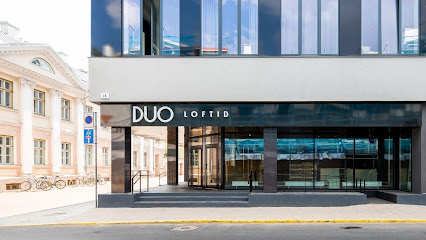
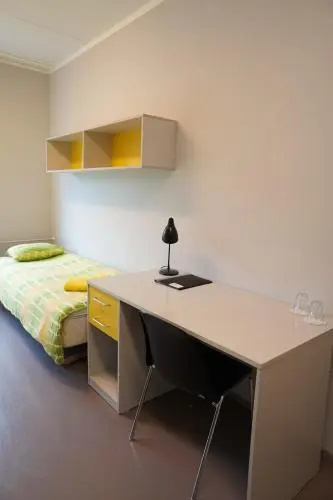 Hotel gay-friendly
(4)
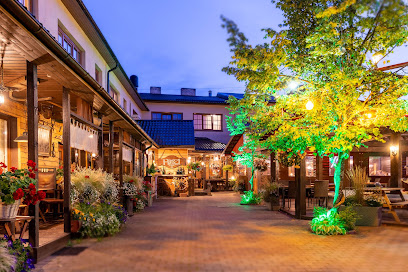
Hotel gay-friendly
(4)