Everything worth knowing before you go.
Tartu's LGBTQ+ Scene
Estonia's approach to LGBTQ+ rights has evolved significantly. Following independence in 1991, homosexuality was decriminalized in 1992. Tartu, a hub for education and culture, saw its LGBTQ+ community grow, particularly among students and professionals. Registered partnerships for same-sex couples were legalized in 2016, and full marriage equality followed in 2024. Estonia is considered progressive on LGBTQ+ issues, with Tartu generally more accepting than rural areas. The local LGBTQ+ community has transitioned from private gatherings to public events, with Tartu Pride becoming a notable annual occasion. Support and social spaces exist, though Tartu's scene is more intimate than Tallinn's.
Tartu's city center is easily navigable on foot. The Old Town (Vanalinn), the historical and social core, surrounds Raekoja plats (Town Hall Square) and extends to the Emajõgi River. This area hosts most restaurants, cafes, and cultural venues. The university campus is spread throughout the city, with the Supilinn district, north of the center, offering a student-friendly atmosphere with affordable dining and bars. The Karlova neighborhood, south of Old Town, is popular with young professionals and creatives. The Jaama district, near the train station, is more functional but accessible. Most LGBTQ+-oriented venues and gathering spots are located in or near the Old Town.
Specific gay bars and clubs can change, so checking local resources upon arrival is recommended. Historically, student bars and clubs have attracted diverse crowds with a significant LGBTQ+ presence. Saunas are a common social institution in Estonia, and some offer mixed facilities with specific gay-friendly hours or reputations. Cafes and casual bars in the Old Town, especially around Raekoja plats and Kompanii street, are popular for daytime socializing and often have mixed, LGBTQ+-welcoming atmospheres. Student bars near the university tend to be progressive and inclusive. Live music venues and cultural institutions throughout the city frequently host LGBTQ+ events, particularly during Pride. The Tartu Cultural Center and various galleries present exhibitions and performances.
Tartu Pride (Tartu Uhkus) occurs annually in May, typically around May 17. The event has expanded to include a parade through the city center, cultural programming, parties, and community gatherings. In recent years, attendance has numbered in the thousands. The Pride parade often garners media and political attention. While occasional counterprotests have occurred, security is generally present, and the atmosphere is celebratory. Various venues host themed events during Pride week. Beyond Pride, summer months bring increased social activity with outdoor gatherings. The Tartu Summer Festival (Tartu Suvi) in June features diverse programming.
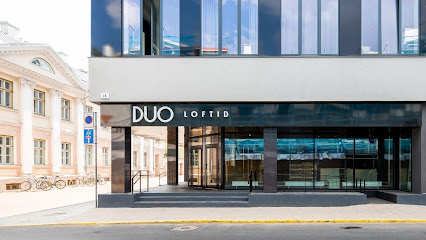
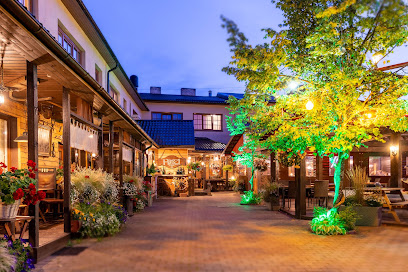
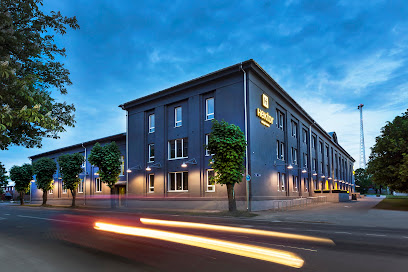
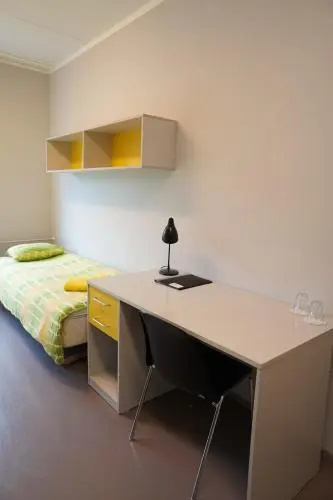
Tartu's accommodations are generally within walking distance of key areas due to the city's size. The Old Town center offers proximity to social venues but can be tourist-oriented. Hotels in Supilinn or along the river provide good access while being quieter. Airbnb and guesthouses are widely available and often more affordable than hotels. Budget travelers can find student hostels and guesthouses near the university. Mid-range hotels are found in the Old Town and near the train station. Accommodation prices are generally lower than in major Western European cities.
Estonia is generally safe for LGBTQ+ travelers. Tartu and Tallinn are considered the most accepting cities with visible LGBTQ+ communities. Public displays of affection between same-sex couples are common in Tartu's city center and university areas. Outside these urban centers, discretion is advised, though incidents targeting LGBTQ+ individuals are infrequent. Legally, Estonia provides strong protections, including marriage equality for same-sex couples, anti-discrimination laws covering employment and public accommodations, and a process for legal gender recognition. There is no disparity in the age of consent for same-sex activity. Recent changes to Estonia's legal framework for gender recognition have simplified procedures, moving toward self-identification. English proficiency is high among younger people and in urban centers, but not universal. Learning a few Estonian phrases is appreciated. Tourist information staff in central Tartu typically speak English. The currency is the Euro (EUR). Tartu is less expensive than Tallinn or major Western European cities. Card payments are widely accepted.
Tartu is easily accessible from Tallinn by bus (2.5-3 hours) via services like Lux Express or Flixbus. Trains are also available but slower. The city center is compact and walkable. Public buses connect to surrounding areas and are inexpensive. Bicycles are a popular mode of transport. Taxis and ride-sharing apps (Bolt, Uber) are available and affordable within Tartu. The city has good cycling infrastructure.
Tartu's food scene is characterized by affordability, casual dining, and increasing diversity, reflecting its university town status. The Old Town offers numerous cafes and restaurants serving traditional Estonian cuisine (such as rye bread, soups, and meat dishes) alongside international options. Vegetarian and vegan choices are increasingly common. Popular casual dining includes Estonian restaurants, pizzerias, and various ethnic cuisines. Cafes serve coffee and act as social hubs. Most venues are LGBTQ+-welcoming or neutral. Nightlife consists of bars, clubs, and student establishments. The scene is more relaxed than in Tallinn, focusing on live music, conversation, and community rather than large dance clubs. Beer culture is prominent, with a selection of local and international brews.
Peipsi Lake, approximately 40 kilometers northeast, is Estonia's largest lake, offering scenic beauty, small villages, and opportunities for outdoor activities. The Old Believers' villages along the shoreline have a distinct cultural character. Longer day trips to Sigulda and Lahemaa National Park are possible, though they are closer to Tallinn. The Tartu countryside features gentle landscapes suitable for cycling.
Cultural attractions include the University of Tartu's museums and historic buildings. The Tartu Art Museum and the Estonian National Museum provide cultural context. The city's Soviet heritage and remaining architecture offer historical interest.
May is a prime time to visit due to Tartu Pride. Summer (June-August) offers warm weather, long daylight hours, and increased social activity.


 Gay-Friendly Hotel
(4)
Gay-Friendly Hotel
(4)