Everything worth knowing before you go.
Tbilisi, Georgia's capital, offers a nuanced experience for LGBTQ+ travelers. While the city attracts international visitors and has a growing queer community, societal attitudes outside liberal urban circles can be conservative. Georgia has not legalized same-sex partnerships, and a constitutional amendment banned same-sex marriage in 2013. Despite these national realities, Tbilisi provides a space to explore post-Soviet culture and connect with local queer life.
Homosexuality was decriminalized in Georgia in 2000. Tbilisi's LGBTQ+ community, particularly among younger, urban, and creative populations, has established itself over time. Pride events, which began in 2013, occur annually and can attract both celebrations and counter-protests. The scene is smaller and more discreet than in many Western European cities but has seen steady growth as Georgia integrates more into global culture and tourism.
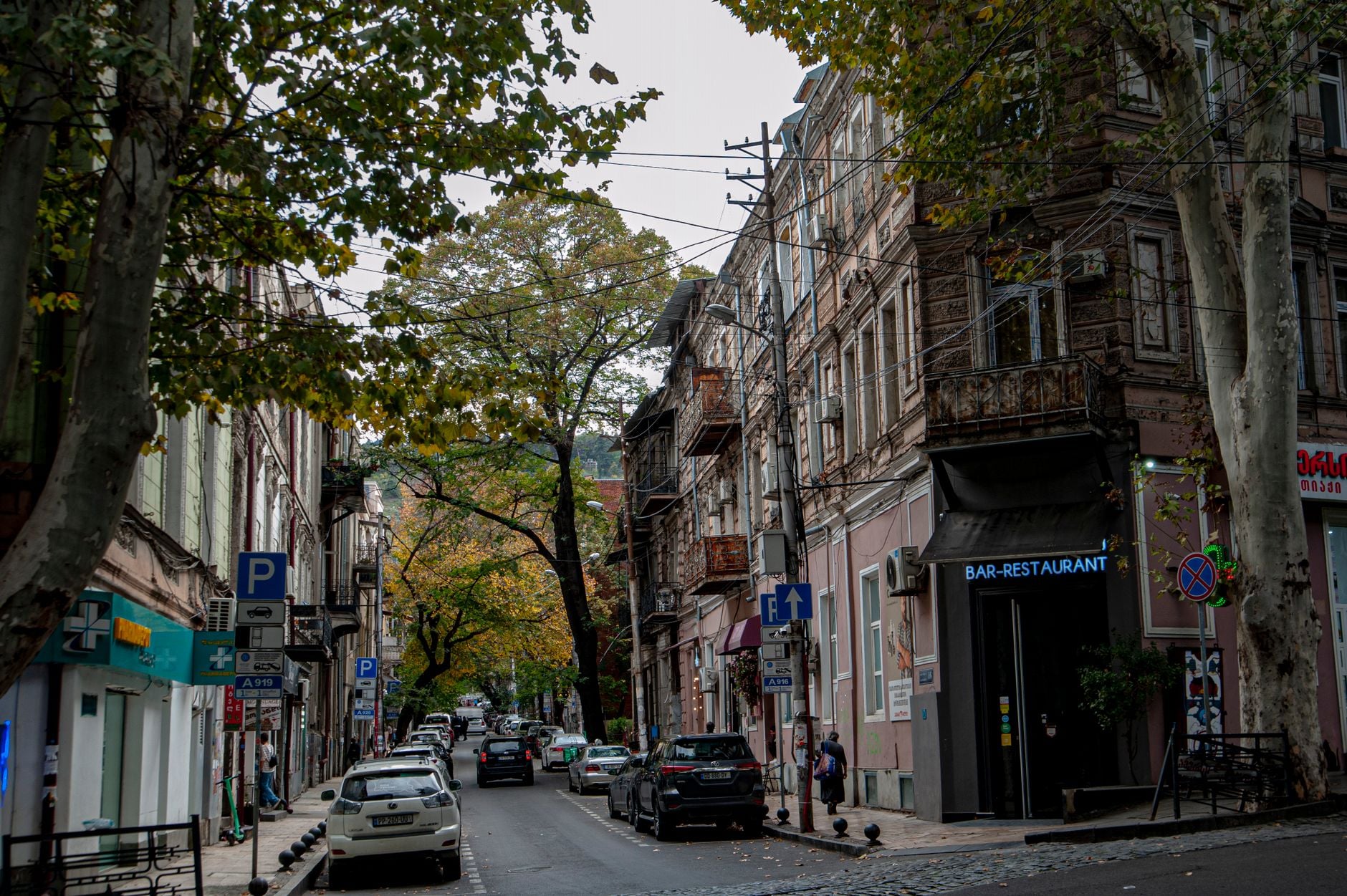
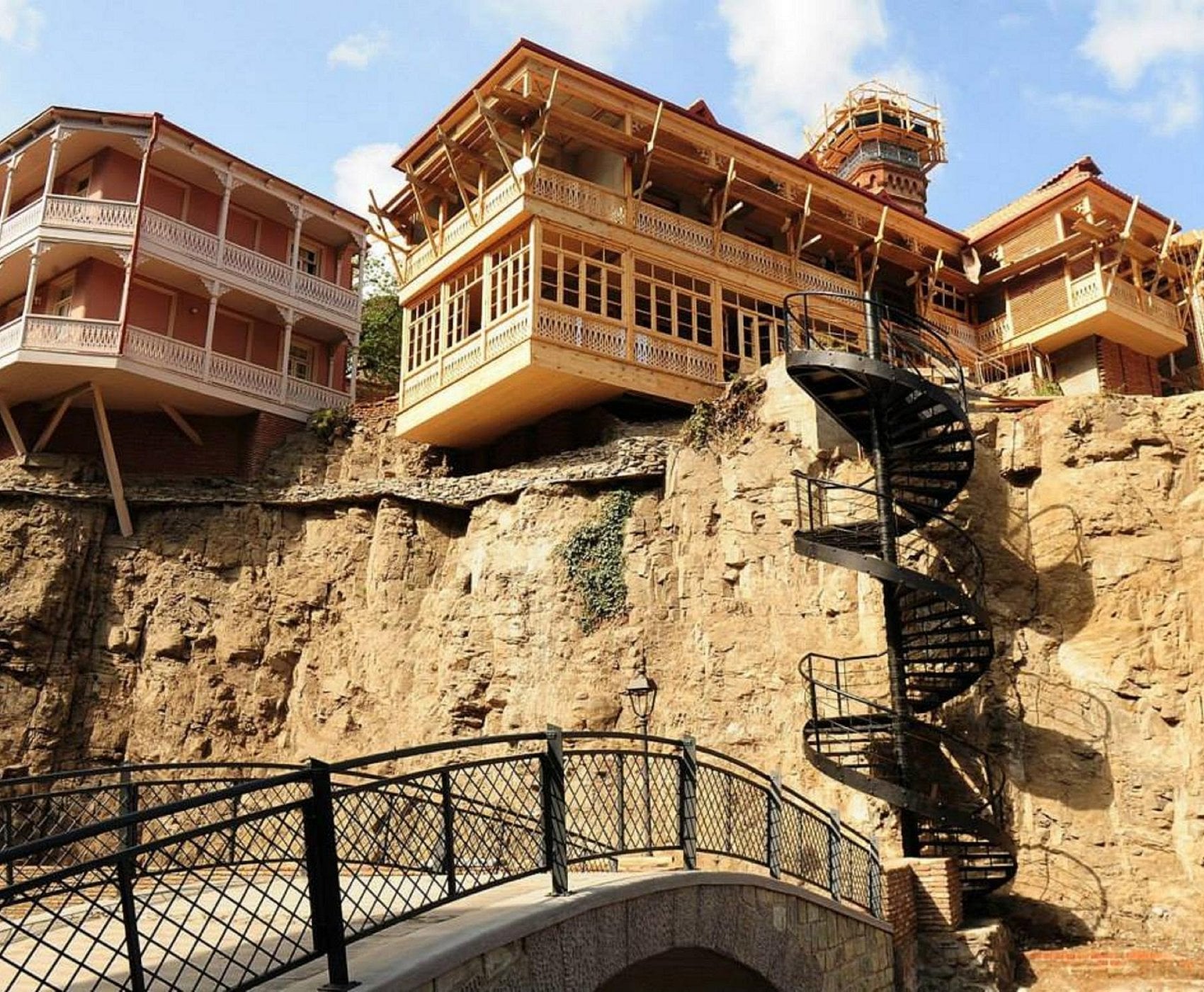
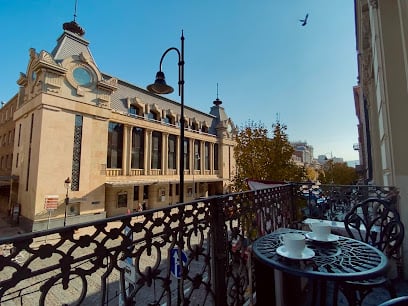
The Old Town (Dzveli Kalaki) is Tbilisi's historic center, characterized by narrow streets and traditional architecture. Many LGBTQ+-friendly venues and meeting points are found here or in adjacent areas. Vake is a more modern, upscale central neighborhood with shopping and dining. Saburtalo is a residential district with a younger demographic and some alternative cultural spaces. Shardeni Street and the surrounding downtown area feature numerous cafes and casual venues that are generally welcoming. The Metekhi Square area, while tourist-heavy, offers a central point for orientation.
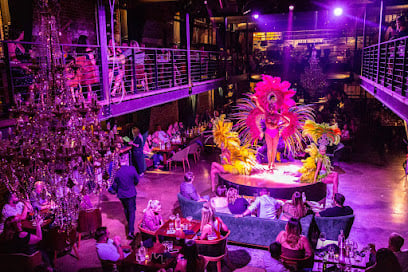
Tbilisi's gay scene primarily consists of bars and clubs, rather than large, exclusively gay venues. Specific underground clubs may occasionally host LGBTQ+ nights, but these details can change frequently. To find current information on welcoming bars, it is advisable to consult recent LGBTQ+ travel guides or check local LGBTQ+ groups on social media platforms. Some international hotels and larger restaurants are generally LGBTQ+-friendly. The scene tends to be discreet.
Tbilisi Pride typically takes place in May or June. The event has grown since 2013 and includes marches, parties, and cultural programming. Participants should be aware of a significant police presence and the possibility of confrontations with conservative groups outside Pride events. Awareness of local tensions is important for international visitors. Beyond Pride, organized LGBTQ+ events are limited, with much of the social life occurring through private networks and informal gatherings.
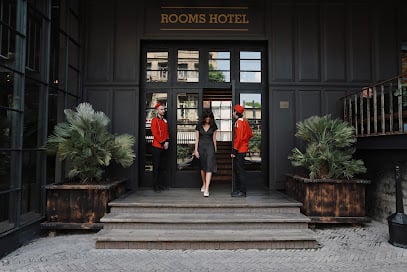
Numerous hotels and guesthouses are available across Tbilisi, catering to various budgets. The Old Town and Vake are convenient for accessing central attractions and LGBTQ+-friendly venues. Some boutique hotels and guesthouses in these areas are known to be welcoming to LGBTQ+ guests. Major chain hotels also operate in Tbilisi and offer reliable accommodation. Airbnb and local booking platforms provide options for private apartments. Staying in central Tbilisi facilitates easier navigation.
Tbilisi is generally safe for tourists, but LGBTQ+ visitors should be aware of local attitudes. Public displays of same-sex affection may attract negative attention outside of LGBTQ+-friendly venues or liberal spaces. Verbal harassment is possible, though physical violence against tourists is uncommon. It is advisable to avoid isolated areas at night. Wearing overtly LGBTQ+-themed clothing or symbols may draw scrutiny, and discretion is recommended outside the city center and known gay venues. While police are generally professional with tourists, their protective stance on LGBTQ+ issues can vary. Most incidents tend to involve social disapproval rather than legal problems.
The city is navigable by metro, bus, and minibus (marshrutka). The metro is clean, affordable, and efficient. Taxis, including ride-sharing apps, are inexpensive and widely available. Walking is pleasant in the Old Town and central districts. English signage is increasing but not universal; downloading offline maps is recommended. Most LGBTQ+-friendly venues are accessible via public transport or short taxi rides.
Georgian cuisine is a highlight, with dishes like khachapuri (cheese bread) and khinkali (dumplings) being signature items. The Old Town offers a range of dining options, from street food to upscale restaurants. Many restaurants in central areas are generally LGBTQ+-friendly. Wine bars and cafes are popular social spots, and Georgian wine is excellent and affordable. While vegetarian options are available, traditional cuisine is often meat-heavy.
Day trip options include Sighnaghi, a walled town in the Kakheti wine region, approximately two hours east, known for its architecture and wine tasting. Mtskheta, an ancient capital and UNESCO site, is about 30 minutes north. Kazbegi and the Dariel Gorge in the Caucasus Mountains offer dramatic hiking and scenery, located two to three hours north. Borjomi, a spa town in the south, is known for its mineral water and green landscapes. Day trips can be arranged through tour operators or by rental car.
Cultural attractions include Narikala Fortress, overlooking the Old Town, offering historical insights and views. Metekhi Church features an equestrian statue of Saint Nino. The Georgian National Museum showcases art, archaeology, and history. The Tbilisi Opera House hosts performances, and the Shardeni area has galleries and cultural spaces. The traditional sulfur baths are a notable experience.
The currency is the Georgian Lari (GEL). ATMs are widely available, and credit cards are accepted in most hotels and restaurants, though cash is preferred in smaller establishments. Most Western travelers do not require a visa for stays under one year. Electricity is 220V. The climate is humid subtropical, with hot summers and mild winters. English is spoken by younger people and in tourist areas, but not universally.
Tbilisi offers a blend of historic culture and modern energy, with an emerging LGBTQ+ presence. Visitors should approach with an awareness of local social conservatism while recognizing that the capital is more progressive than rural areas. Connecting with local LGBTQ+ groups online before arrival or via social media upon arrival can enhance the experience.


 Gay-Friendly Bars & Clubs
Featured
(532)
Gay-Friendly Bars & Clubs
Featured
(532)