כל מה שכדאי לדעת לפני הנסיעה.
פרישטינה, בירת קוסובו מאז 2008, מציעה סצנה להט"בית הולכת וגדלה, התפתחות ראויה לציון בהתחשב בשמרנות החברתית והדתית של האזור. אמנם הקהילה קטנה יותר מאשר בערים אירופאיות גדולות, אך פעילים מקומיים ותושבים צעירים מגבירים את הנראות ומקימים מרחבים בטוחים.
עצמאותה של קוסובו בשנת 2008 סימנה שינוי עבור פרישטינה. תנועת הלהט"ב כאן צעירה, עם אירועי גאווה מאורגנים שהחלו בשנות ה-2010. אירועי גאווה מוקדמים התמודדו עם אתגרים, אך ההשתתפות והקבלה גברו בהדרגה. האוכלוסייה הצעירה של פרישטינה, עם גיל חציוני סביב 27 ונוכחות סטודנטיאלית משמעותית, מטפחת אווירה חברתית פתוחה יותר בהשוואה לחלקים אחרים של קוסובו או מדינות שכנות.
פעילות מינית בין בני אותו המין חוקית (הוצאה מחוץ לחוק ב-1994), וחוק איסור האפליה מכסה במפורש נטייה מינית וזהות מגדרית בתחומים כמו תעסוקה וחינוך. עם זאת, קוסובו אינה מכירה באופן חוקי בזוגיות חד-מינית: טיוטת קוד אזרחי משנת 2022 שהייתה מציגה איחודים אזרחיים נדחתה על ידי האספה במרץ 2022. עם זאת, דעות חברתיות נותרו מגוונות, מושפעות מערכים מסורתיים ומוסדות דתיים. בעוד שפרישטינה היא העיר הליברלית ביותר בקוסובו, הצגת חיבה פומבית בין זוגות מאותו המין עשויה למשוך תשומת לב באזורים מסוימים.
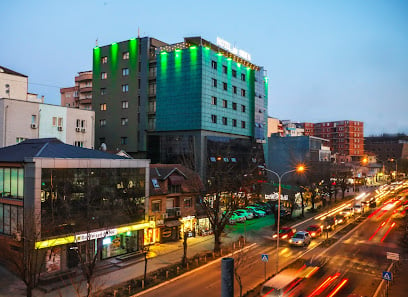
מרכז העיר פרישטינה, במיוחד סביב כיכר Skanderbeg ושדרות Bill Clinton, הוא האזור המרכזי לאוכל, חיי לילה ובילויים. רובע זה ידידותי להולכי רגל ושם ממוקמים רוב המקומות המקבלים בברכה את קהילת הלהט"ב. אזור הבזאר הישן מציע ארכיטקטורה ובתי קפה מסורתיים. רובעי האוניברסיטאות בצפון מאוכלסים על ידי מקומיים צעירים בסביבות פרוגרסיביות יותר.
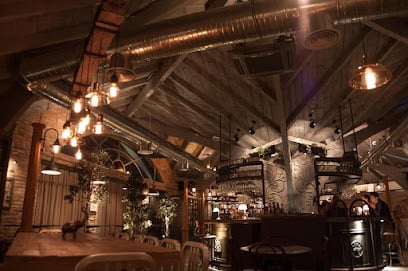
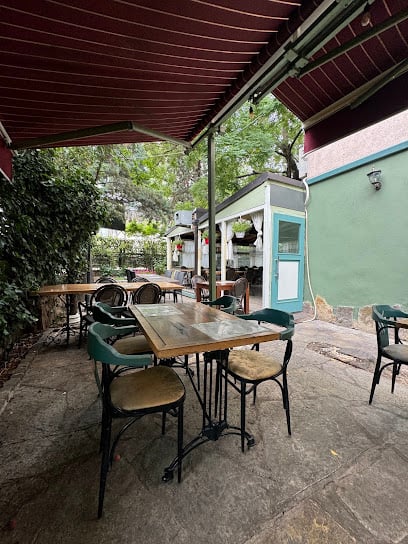
עוגן חיי הלילה הקוויריים של פרישטינה הוא Bubble Pub, שמתואר באופן נרחב כבר הבר הראשון בקוסובו המיועד לקהילת הלהט"ב. המקום, שנוסד על ידי הפעילה הטרנסית Lend Mustafa ברחוב צדדי ממש ליד Mother Teresa Boulevard, מארח ערבי קריוקי ושירה, מופעי דראג וקומדיה, והופעות של אמנים מקומיים, ומשמש כמרחב החברתי הבטוח העיקרי של הקהילה. מעבר לו, תרבות בתי הקפה נושאת חלק ניכר מהחיים החברתיים הקוויריים: Dit' e Nat', בית קפה-חנות ספרים-בר שמניף דגל קשת בענן ומחזיק בספרות קווירית, והמרכז התרבותי Soma Book Station, שניהם חללים מסבירי פנים במרכז העיר הנוח להליכה. הסצנה הרחבה יותר נותרת קטנה ומתבססת על מפה לאוזן, לכן עדיין כדאי לבדוק קבוצות מקומיות לקראת מסיבות קוויריות מזדמנות.
Prishtina Pride מתקיים ביוני, ומאורגן כשבוע גאווה רב-יומי שמסתיים במצעד במרכז העיר. מצעד הגאווה הראשון נערך ב-10 באוקטובר 2017 תחת המוטו "בשם האהבה"; מהדורות אחרונות עברו ליוני (שבוע הגאווה 2025 התקיים 9–14 ביוני). הוא מאורגן במשותף על ידי קבוצות מקומיות, כולל CEL Kosova ו-CSGD. האירוע התפתח מהתכנסויות קטנות יותר למצעדים ציבוריים בליווי אבטחה, אם כי ההשתתפות היא בדרך כלל במאות. מסלול המצעד עובר במרכז העיר, ולעיתים קרובות מתחיל ליד Skanderbeg Square. אירועי הגאווה כוללים פעילויות תרבותיות, דיונים, הקרנות סרטים ומסיבות, המשמשים ארגוני להט"ב מקומיים לקידום זכויות והעלאת מודעות. האירוע יכול להיות טעון פוליטית, עם הפגנות נגד מזדמנות, אך נוכחות המשטרה מבטיחה בטיחות. הגאווה מציעה הצצה לפעילות מקומית ולהתפתחות זכויות הלהט"ב.
מלונות ובתי הארחה במרכז פרישטינה מספקים גישה נוחה למתקנים ולאזורים חברתיים. קיימות אפשרויות בינוניות, ודירות Airbnb המארחות על ידי אנשים צעירים פונות לעיתים קרובות למבקרים בינלאומיים ולקהילת הלהט"ב. שהייה במרכז העיר מפשטת את הניווט והגישה לבתי קפה ומסעדות מסבירי פנים.
פרישטינה בטוחה באופן כללי למטיילים להט"ב, במיוחד באזורי מרכז העיר ובקרב הדמוגרפי הצעיר. למרות שקיימות עמדות הומופוביות, תקריות אלימות המכוונות נגד להט"ב אינן נפוצות בבירה. עם זאת, דיסקרטיות לגבי הפגנת חיבה בפומבי בין בני זוג מאותו המין מומלצת בחלק מהשכונות או בעת מפגש עם אנשים שמרניים יותר. אמצעי זהירות סטנדרטיים לבטיחות עירונית תקפים.
מרכז העיר נוח מאוד להליכה. אוטובוסים ציבוריים זמינים אך פחות חיוניים לתיירים המתאכסנים במרכז. מוניות זמינות בקלות ובמחיר סביר לנסיעות קצרות. שירותי אוטובוסים בינלאומיים מחברים את פרישטינה לבירות אזוריות אחרות. שדה התעופה הבינלאומי Pristina Adem Jashari משרת את העיר, עם טיסות ליעדים אירופיים מרכזיים.
המטבח של פרישטינה משלב השפעות טורקיות, סרביות ואלבניות, וכולל בשרים על האש, תוצרת טרייה, מוצרי חלב ולחמים אזוריים. האפשרויות נעות בין בתי קפה ומסעדות גריל פשוטים למוסדות יוקרתיים יותר. בתי קפה ומסעדות עכשוויים רבים מנוהלים על ידי בעלים צעירים. יינות אלבניים וקוסובריים זמינים, לצד קפה טורקי. בעוד שלמסעדות מסורתיות עשויות להיות אפשרויות צמחוניות מוגבלות, בתי קפה מודרניים גמישים יותר.
טיולי יום כוללים את קניון Rugova לנופים וטיולים רגליים, ואת העיירה ההיסטורית Prizren עם הארכיטקטורה מתקופת האימפריה העות'מאנית ובתי הקפה שלה. הרי Sharr מציעים פעילויות חוץ. מנזר Gračanica, למרות שהוא ממוקם באזור רגיש, ראוי לציון מבחינה אדריכלית. עדיף לארגן טיולי יום באמצעות סיורים או עם הדרכה מקומית.
אטרקציות תרבותיות כוללות מוזיאונים המפרטים את ההיסטוריה של קוסובו, גלריות אמנות עכשווית והמוזיאון הלאומי. העיר מארחת אירועי קולנוע ומוזיקה, במיוחד בקיץ. תכנות תרבותי ספציפי ללהט"ב מוגבל אך עשוי להופיע בפסטיבלי קולנוע או במתקני אוניברסיטה.
לימוד כמה משפטים באלבנית יתקבל בברכה על ידי המקומיים. המטבע הוא אירו. כרטיסי SIM ואינטרנט סלולרי אינם יקרים. פרישטינה מציעה WiFi טוב בבתי הקפה. חנויות עשויות להיסגר להפסקות צהריים. כספומטים ושירותי בנקאות זמינים במרכז העיר. פרישטינה היא יעד זול בהשוואה לערים מרכזיות במערב אירופה.


 בארים ומועדונים לקהילה הגאה
מומלץ
(131)
בארים ומועדונים לקהילה הגאה
מומלץ
(131)