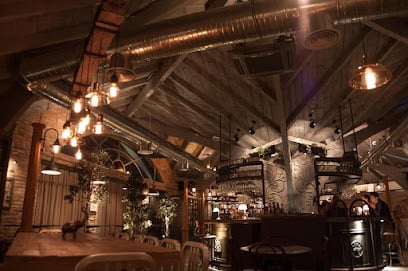
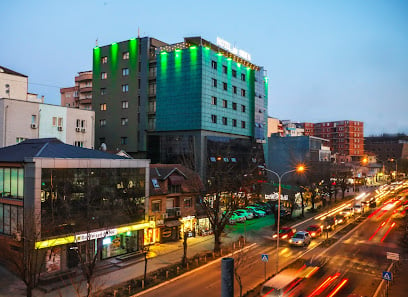
A popular central bar with a lively evening atmosphere and a well-earned reputation as one of Pristina's most socially open drinking spots -- welcoming to LGBTQ+ patrons and a good option for meeting…
Pristina's most beloved literary cafe and one of the most reliably queer-friendly spaces in Kosovo -- a beautifully curated bookshop and espresso bar that serves as the intellectual and social heart…
A well-positioned hotel in central Pristina offering contemporary rooms, attentive service, and a discreet, professional welcome that makes it a reliable choice for LGBTQ+ travellers visiting…
Pristina, Kosovo's capital since 2008, has a growing LGBTQ+ scene, a notable development given the region's social and religious conservatism. While the community is smaller than in major European cities, local activists and younger residents are increasing visibility and establishing safe spaces.
Kosovo's independence in 2008 marked a shift for Pristina. The LGBTQ+ movement here is young, with organized Pride events beginning in the 2010s. Early Prides faced challenges, but participation and acceptance have gradually increased. Pristina's young population, with a median age around 27 and a significant student presence, fosters a more open social atmosphere compared to other parts of Kosovo or neighboring countries.
Same-sex sexual activity is legal (decriminalised in 1994), and anti-discrimination law explicitly covers sexual orientation and gender identity in areas such as employment and education. However, Kosovo does not legally recognise same-sex partnerships: a 2022 draft Civil Code that would have introduced civil unions was rejected by the Assembly in March 2022. However, societal views remain varied, influenced by traditional values and religious institutions. While Pristina is Kosovo's most liberal city, public displays of affection between same-sex couples may attract attention in certain areas.
Downtown Pristina, particularly around Skanderbeg Square and Bill Clinton Boulevard, is the central area for dining, nightlife, and socializing. This district is pedestrian-friendly and where most LGBTQ+-welcoming venues are located. The old bazaar area offers traditional architecture and cafes. University districts in the north are frequented by younger locals in more progressive settings.
The anchor of Pristina's queer nightlife is Bubble Pub, widely described as Kosovo's first dedicated LGBTQ+ bar. Founded by trans activist Lend Mustafa on a side street just off Mother Teresa Boulevard, it hosts karaoke and poetry nights, drag and comedy shows and local performers, and serves as the community's main safe social space. Beyond it, café culture carries much of queer social life: Dit' e Nat', a café-bookshop-bar that flies a rainbow flag and stocks queer literature, and the cultural hub Soma Book Station are both welcoming spaces in the walkable centre. The wider scene stays small and word-of-mouth, so checking local groups for occasional queer party nights is still worthwhile.
Prishtina Pride takes place in June, organised as a multi-day Pride Week that culminates in a march through the city centre. The first Pride parade was held on 10 October 2017 under the motto "In the Name of Love"; recent editions moved to June (the 2025 Pride Week ran 9–14 June). It is co-organised by local groups including CEL Kosova and CSGD. The event has evolved from smaller gatherings to public marches with security, though attendance is typically in the hundreds. The parade route passes through downtown, often starting near Skanderbeg Square. Pride events include cultural activities, discussions, film screenings, and parties, used by local LGBTQ+ organizations to advocate for rights and raise awareness. The event can be politically charged, with occasional counter-protests, but police presence ensures safety. Pride offers insight into local activism and the development of LGBTQ+ rights.
Where to Stay
Hotels and guesthouses in downtown Pristina provide convenient access to amenities and social areas. Mid-range options are available, and Airbnbs hosted by younger individuals often cater to international and LGBTQ+ visitors. Staying downtown simplifies navigation and access to welcoming cafes and restaurants.
Pristina is generally safe for LGBTQ+ travelers, especially in downtown areas and among younger demographics. While homophobic attitudes exist, violent incidents targeting LGBTQ+ individuals are not common in the capital. However, discretion regarding public displays of same-sex affection is advisable in some neighborhoods or when encountering more conservative individuals. Standard urban safety precautions apply.
The city center is highly walkable. Public buses are available but less essential for centrally located tourists. Taxis are readily available and affordable for short trips. International bus services connect Pristina to other regional capitals. Pristina Adem Jashari International Airport serves the city, with flights to major European destinations.
Pristina's cuisine blends Turkish, Serbian, and Albanian influences, featuring grilled meats, fresh produce, dairy, and regional breads. Options range from casual grill houses to more upscale establishments. Many contemporary cafes and restaurants are run by younger proprietors. Albanian and Kosovan wines are available, alongside Turkish coffee. While traditional restaurants may have limited vegetarian choices, modern cafes are more accommodating.
Day trips include Rugova Canyon for scenery and hiking, and the historic town of Prizren with its Ottoman-era architecture and cafes. The Sharr Mountains offer outdoor activities. Gračanica Monastery, though in a sensitive region, is architecturally notable. Day trips are best arranged via tours or with local guidance.
Cultural attractions include museums detailing Kosovo's history, contemporary art galleries, and the National Museum. The city hosts film and music events, particularly in summer. LGBTQ+-specific cultural programming is limited but may appear at film festivals or university venues.
Learning a few Albanian phrases is appreciated by locals. The currency is the euro. SIM cards and mobile internet are inexpensive. Pristina offers good café WiFi. Shops may close for lunch breaks. ATMs and banking services are available downtown. Pristina is an affordable destination compared to major Western European cities.
Frequently asked questions
While same-sex relationships are legal and anti-discrimination protections exist, societal attitudes in Kosovo can be mixed due to strong traditional and religious influences. Public displays of affection between same-sex couples may attract unwanted attention in some areas. Pristina is considered the most liberal city in Kosovo.
Downtown Pristina, particularly around Skanderbeg Square and Bill Clinton Boulevard, is the main hub for socializing and where most gay-friendly venues are located. This area offers good pedestrian access and is generally considered the most progressive part of the city.
Pristina now has a genuine anchor for queer nightlife: Bubble Pub, widely described as Kosovo's first dedicated LGBTQ+ bar, founded by trans activist Lend Mustafa just off Mother Teresa Boulevard. It runs karaoke and poetry nights, drag and comedy shows and local performances. Beyond it, café-bars like Dit' e Nat' are welcoming, and much of the scene still runs through word-of-mouth queer party nights, so it is worth checking local groups for current events.
Prishtina Pride is held in June as a multi-day Pride Week that ends with a march through the city centre. The first Pride parade took place on 10 October 2017; recent editions have moved to June (for example, the 2025 Pride Week ran 9–14 June). It is co-organised by local LGBTQ+ groups including CEL Kosova and CSGD — see prishtinapride.org for current dates.
The scene is small but no longer invisible. Pristina has one dedicated LGBTQ+ bar, Bubble Pub, plus gay-friendly cultural cafés such as Dit' e Nat' and Soma Book Station. Several LGBTQ+ organisations — including CEL Kosova, CSGD and QESh — are active in the city and coordinate community life and Prishtina Pride. There are no gay saunas.
Downtown Pristina, centered around Skanderbeg Square and Bill Clinton Boulevard, is the main hub for socializing and where most gay-friendly venues cluster. Areas around the university also attract younger locals to more progressive spaces.
Your privacy choices.
We use cookies to run GayOut and, with your consent, measure usage. Learn more
Your privacy choices
We use cookies to keep GayOut running, remember your preferences, and (with your permission) measure how the site is used. You can accept all, reject all, or pick what you allow. Learn more
Essential
Required for sign-in, fraud prevention, CSRF protection and remembering your language. Cannot be disabled.
Always on
Remembers your favourites, dark mode and other interface preferences across visits.
Helps us understand which pages people visit (Google Analytics, server-side stats) so we can improve.
Used by campaign tracking pixels. None are active right now, reserved for future use.
Install GayOut
Add GayOut to your home screen for faster access, offline favourites, and Pride alerts.


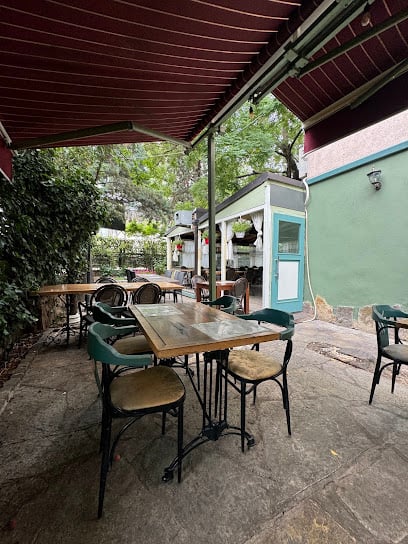 Gay Bars & Clubs
Featured
(131)
Gay Bars & Clubs
Featured
(131)