



本指南 · 20 章節
- The law in 2026
- The scene: one pub and a few open doors
- Bubble Pub · Qendra (city centre)
- Cafés and welcoming spaces
- Community groups
- CEL Kosova (Centre for Equality and Liberty)
- CSGD (Center for Social Group Development)
- Dylberizm
- Pristina Pride
- Where to stay
- Local colour
- Practical tips
- A few words of Albanian
- At a glance
- Frequently asked questions
- Is being gay legal in Kosovo?
- Are there gay bars in Pristina?
- When is Pristina Pride?
- Is Pristina safe for gay travellers?
- Where can I get LGBTQ+ support or an HIV test in Pristina?
Pristina runs on coffee. By mid-morning every terrace on the pedestrianised Mother Teresa Boulevard is full, the makiato arrives in a small glass with a perfect cap of foam, and a conversation that starts over one cup easily lasts three. It's a young, loud, unpolished capital of cranes, Yugoslav-era concrete and new glass, where a statue of Bill Clinton waves from the boulevard named after him and the yellow letters of the Newborn monument get a new coat of paint every year. The queer side of the city is small but real: one openly queer pub, a determined handful of activist groups, and a Pride Week that marked its tenth year in June 2026. Society is conservative and same-sex couples still have no legal recognition, so most gay life here is discreet, private and organised through friends and apps. Come with curiosity and a little caution, and Pristina is a warm, cheap and surprising place to spend a few days.
Legal in one line: sex between men has been legal in Kosovo since 1994, the 2008 constitution bans discrimination on grounds of sexual orientation and the 2015 anti-discrimination law also covers gender identity, but same-sex couples have no marriage or civil union: a draft Civil Code that would have allowed unions failed in the Assembly in March 2022, and a revised draft had still not been adopted in 2025.
The law in 2026
- Legal since 1994. There is no criminal law against same-sex relations.
- Anti-discrimination: the constitution lists sexual orientation among protected grounds, and the 2015 Law on Protection from Discrimination covers sexual orientation and gender identity.
- No partnership recognition: in March 2022 the Assembly voted down a draft Civil Code that would have allowed same-sex civil unions. In 2024 the government brought the draft back and the Ministry of Justice said it was revising the article on marriage and unions, while LGBTI groups warned they wanted couples recognised within the Code itself. In July 2025 the European Parliament noted that the Civil Code had "yet to be adopted", and we found no report that it had passed by October 2026, a year of repeated snap elections and caretaker governments.
- In practice: ILGA-Europe's 2026 review describes bias-motivated speech against LGBTI people as widespread, particularly at election time and on social media, and says physical attacks, threats and harassment remain heavily under-reported because victims fear being outed and don't trust the police.
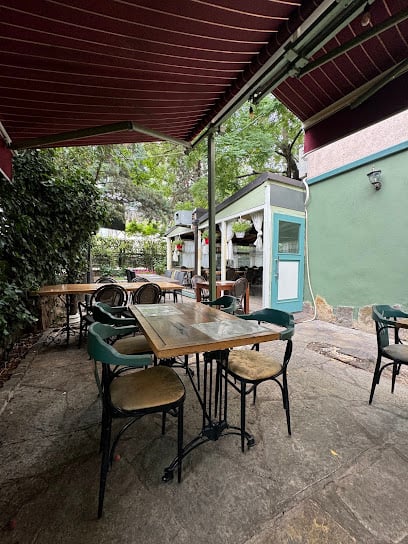
- Soma Book Station, Rr. Rexhep Luci, Pejton: a two-floor café, restaurant and bookshop that turns into a bar on weekend evenings. A mainstream place, not a gay bar, but central, relaxed and good for a long coffee. Evenings can be busy, so arrive early or book.
- Dit' e Nat' ("Day and Night"), Rr. Fehmi Agani: a bookshop-café that serves coffee by day and drinks, with occasional live music, in the evening. Again mainstream, with an easy-going crowd of students, creatives and expats; check current hours.
- Pride Week venues: in June 2026 the programme used several of the city's creative spaces, including Kafet e Rakisë, Kometë in Ulpiana (for a queer brunch), Juno's Social Hub (for the opening party) and the former Hivzi Sylejmani Library (for the Normal Love exhibition). That's no guarantee of a queer crowd on an ordinary night, but they are spaces that have welcomed the community.
- Two men walking together won't be noticed; holding hands or kissing in public will. Save affection for private or clearly friendly spaces.
- On the apps, chat for a while, meet in a busy café first, and tell a friend where you're going.
- Be wary of anyone who pushes to meet somewhere remote, asks for money, or turns up with a friend you didn't agree to. Don't send face photos to people you haven't met.
- Many men here are not out to their families. Don't tag, photograph or name people without asking.
- If something goes wrong, contact CEL Kosova or CSGD for legal and psychological help. The police number is 192.
- The macchiato. Coffee is a ritual here, and the makiato is the national order. Sit on a terrace on Mother Teresa Boulevard or in the side streets around it and watch the city go by.
- Flija. Thin layers of batter brushed with cream and baked slowly, one layer at a time, under a metal lid covered in embers. It takes hours, so it's a dish for gatherings; try it with yoghurt or honey in a traditional restaurant.
- Newborn. The giant letters by the Palace of Youth and Sports, designed by Fisnik Ismaili, were unveiled in yellow at independence in 2008. They get a new design every year around the anniversary on 17 February, often with a political message.
- Bill Clinton Boulevard. A statue of the former US president, unveiled in 2009, waves at the traffic, a reminder of how Kosovars remember NATO's 1999 intervention.
- Germia Park. When the city gets too hot or too loud, head to the forested park on Pristina's north-eastern edge for walks, picnics and, in summer, a big open-air pool.
- Getting there: Pristina International Airport Adem Jashari is outside the city, south-west of the centre; take a taxi into town and agree the fare or check the meter.
- Getting around: the centre is compact and walkable. Taxis are cheap and the sensible way home at night; use an official cab with a meter rather than a car that pulls up offering a ride.
- Money: Kosovo uses the euro. Cards work in many central cafés and hotels, but carry some cash for small places and taxis.
- Apps: Grindr is the main app. Many profiles are faceless and plenty of men are not out, so be patient and respectful. Turn off precise distance if you prefer, and see the safety box above before meeting anyone.
- Health: bring condoms and lube or buy them in a pharmacy. If a condom breaks, PEP must start within 72 hours: go to the University Clinical Centre of Kosovo (QKUK) and ask for the infectious diseases clinic, or call CSGD for advice.
- Names: the city is Prishtina or Prishtinë in Albanian and Priština in Serbian; you'll see all of them, plus the English Pristina.
- Tung – hi. Përshëndetje – hello (more formal).
- Faleminderit – thank you. Ju lutem – please.
- Po / Jo – yes / no. Jo, faleminderit – no, thank you.
- Një makiato, ju lutem – a macchiato, please.
- Sa kushton? – how much is it?
- Gëzuar! – cheers!
- Ndihmë! – help! Policia – police.
- Parada e Krenarisë – the Pride parade. Barazi ose revoltë – equality or revolt, the 2026 Pride slogan.
The scene: one pub and a few open doors
Pristina has no gay street, no sauna and no cruise bar. Queer social life centres on one pub, on community events and on a few mainstream cafés where students, artists and NGO workers make up much of the crowd. Most locals live with family until they marry, so many friendships and dates start on the apps and continue in cafés.

Bubble Pub · Qendra (city centre)
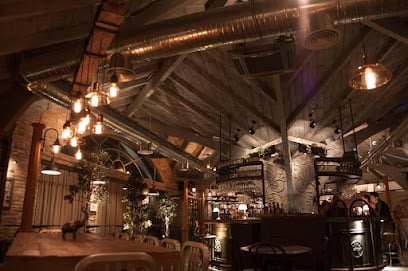
The heart of queer Pristina. AFP reported in 2023 on the opening of what it called Kosovo's first LGBTQ bar, run by Lend Mustafa, one of the first people in Kosovo to come out publicly as trans. Kosovo 2.0 describes it as a queer pub "on a quiet street around the corner from Kafet e Rakisë", with drag performances, DJs and a stage for "both queer and non-queer artists"; its anniversary nights have featured drag shows and a full dance floor. Its listed address is Rr. Sylejman Vokshi 22; check the pub's social media for opening hours and this week's events before you go, as hours aren't published consistently. When AFP visited, the tables were packed; it's the easiest place in the city to meet locals and ask what else is on.
The closing party of Pride Week 2026, Revolt on the Dancefloor, ran from 23:00 until 06:00 at a venue billed as Bubble X; watch for similar party nights around Pride.
Cafés and welcoming spaces
Saunas and cruising: there's no gay sauna, cruise bar or darkroom in Kosovo, and we don't list outdoor spots. In a small, conservative capital where people know each other, the risks of being outed, robbed or reported are too high. Meet people through the apps or at events, and go somewhere private.

Community groups
These are activist organisations, not tourist offices, and none of them publishes a walk-in address, for safety reasons. Contact them first; they're the most reliable source for what's on and for help if something goes wrong.
CEL Kosova (Centre for Equality and Liberty)
Qendra për Barazi dhe Liri të Komunitetit LGBT në Kosovë, founded in July 2013, offers free legal aid, psychological support and shelter, runs community events such as quiz nights, and organises Prishtina Pride Week. Blert Morina, its executive director, is one of Kosovo's best-known LGBTI activists. Phone +383 49 701 499, email info@cel-ks.org, website cel-ks.org.

CSGD (Center for Social Group Development)
Officially registered in October 2003, CSGD works on LGBTI rights and sexual health. It offers free HIV testing, free psychological help, legal aid and help with reporting discrimination, including through an online platform. It also announced that PrEP became available at the Infectious Diseases Clinic of the University Clinical Centre of Kosovo (QKUK) from 12 June 2024. Phone 038 728 417, email info@csgd-ks.org, website csgd-ks.org.
Dylberizm
An online queer media and culture project that ILGA-Europe describes as the world's first Albanian-language queer media platform. In September 2025 it presented research with the NGO Pro Peace on queer experiences during and around the Kosovo War. It has no physical space; follow it online for news and local queer history.
Also active in the past was QESh (Qendra për Emancipim Shoqëror, Centre for Social Emancipation), an advocacy group. We found no recent public contact details, so go to CEL or CSGD first.
Stay safe: Pristina is generally calm and most visitors have no problems, but attitudes are conservative and the threats are real for people who are visibly queer. In 2021 Lend Mustafa reported being spat at and threatened in the main square, and in 2023 graffiti calling for gay people to be killed appeared on the university campus. ILGA-Europe says threats, harassment and attacks continued in 2025 and most are never reported.

Pristina Pride
The first Pride march in Pristina took place on 10 October 2017, when a few hundred people walked under heavy police protection and the then president, Hashim Thaçi, joined them. Pride has since moved to June and grown into a week of talks, art and parties ending in a march. In 2025, the ninth edition marched on Saturday 14 June under the slogan No Step Back, after Acting Prime Minister Albin Kurti opened the week.
Pride Week 2026, the tenth, ran from 1 to 5 June under the slogan Barazi ose revoltë! ("Equality or Revolt!"). It opened at the Government Building, where Acting Minister of Industry and Trade Mimoza Kusari-Lila spoke, and included an artistic protest in the Ministry of Education courtyard about the lack of sex education, a queer brunch, the conference 10 Years of Pride, Resistance and Action at the Sirius Hotel, and the Normal Love exhibition. The march left Skanderbeg Square at midday on Friday 5 June and was followed by a concert by pop singer Adelina Ismaili at the National Library. Hundreds of people marched with activists and foreign ambassadors, under increased security and with no incidents reported. Unlike in previous years, no politicians from local or national government took part, including Albin Kurti.
The 2027 dates had not been announced in October 2026; expect early June, and follow CEL Kosova and Prishtina Pride Week on social media. Walk to and from the march in a group, and take rainbow gear off before you head home. See the Pristina Pride page.
Where to stay
There are no gay hotels in Kosovo; GayOut lists ten gay-friendly hotels in Pristina. Hotel Sirius, in the centre, hosted the Pride Week 2026 conference. Others include Amico Hotel, Hotel Princi i Arbërit and Derand Hotel; check the location before booking. If you're meeting people from the apps, expect to be the one hosting, so choose a place that allows guests.

Local colour
Practical tips
A few words of Albanian
At a glance
| Place | Type | Where | When | Note |
|---|---|---|---|---|
| Bubble Pub | Queer pub, drag, live music | City centre; listed at Rr. Sylejman Vokshi 22 | Evenings; check social media | The one queer bar |
| Pristina Pride | Pride week and march | March starts at Skanderbeg Square | Early June; 2026 edition 1–5 June | 2027 dates TBA |
| CEL Kosova | LGBTI rights group; Pride organiser | No walk-in office | +383 49 701 499 | Legal aid, support, shelter |
| CSGD | LGBTI rights and sexual health | No walk-in office | 038 728 417 | Free HIV testing |
| Dylberizm | Queer media platform | Online | Any time | Albanian-language news and history |
| Hotel Sirius | Gay-friendly hotel | City centre | Year-round | Hosted the 2026 Pride conference |
Frequently asked questions
Is being gay legal in Kosovo?
Yes. Sex between men has been legal since 1994, and the constitution and the anti-discrimination law protect people on grounds of sexual orientation. There is no civil union or marriage for same-sex couples: a draft Civil Code that would have allowed unions was voted down in 2022 and had still not been adopted in 2025.
Are there gay bars in Pristina?
One. Bubble Pub, run by trans activist Lend Mustafa, has been described by AFP as Kosovo's first LGBTQ bar and hosts drag, live music and parties. Beyond that, the scene is a handful of welcoming cafés and the events around Pride Week.
When is Pristina Pride?
In early June. Pride Week 2026 ran from 1 to 5 June, and the tenth Pride march left Skanderbeg Square on Friday 5 June under the slogan Equality or Revolt. The 2027 dates had not been announced in October 2026.
Is Pristina safe for gay travellers?
Most visitors have no trouble, but Kosovo is socially conservative and two men showing affection in public will draw attention. LGBTI groups still report threats, harassment and attacks, and many go unreported. Be discreet on the street, meet app contacts in a busy café first, and take a taxi at night.
Where can I get LGBTQ+ support or an HIV test in Pristina?
CSGD (Center for Social Group Development) offers free HIV testing, psychological help and legal aid, and PrEP has been available at the Infectious Diseases Clinic of the University Clinical Centre since 2024. CEL Kosova offers free legal aid, psychological support and shelter. Contact both by phone or email before visiting.
Part of the GayOut city guides. See the Kosovo country guide, or cross the border with our gay Skopje guide.
