I matrimoni tra persone dello stesso sesso celebrati all'estero sono pienamente riconosciuti. Il matrimonio civile interno non è disponibile per nessuno (i tribunali religiosi controllano la legge matrimoniale). L'adozione congiunta completa è legale da una sentenza della Corte Suprema del dicembre 2023. Le tutele contro la discriminazione sul lavoro/servizi esistono dal 1992. La terapia di conversione è stata vietata nel febbraio 2022. Il divieto sulla donazione di sangue è stato revocato nell'ottobre 2021. Il cambio legale di genere per le persone trans è possibile senza chirurgia dal 2015 (è ancora necessaria una diagnosi medica). Tel Aviv è riconosciuta come una delle città più...
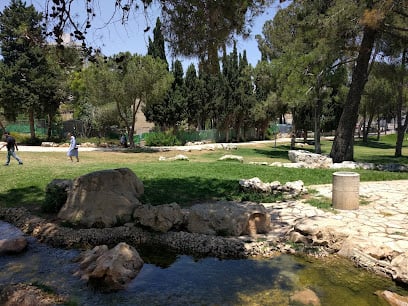
Central West Jerusalem park that is the city's long-standing, discreet after-dark gay cruising ground — much quieter now than in past decades. Exercise discretion.
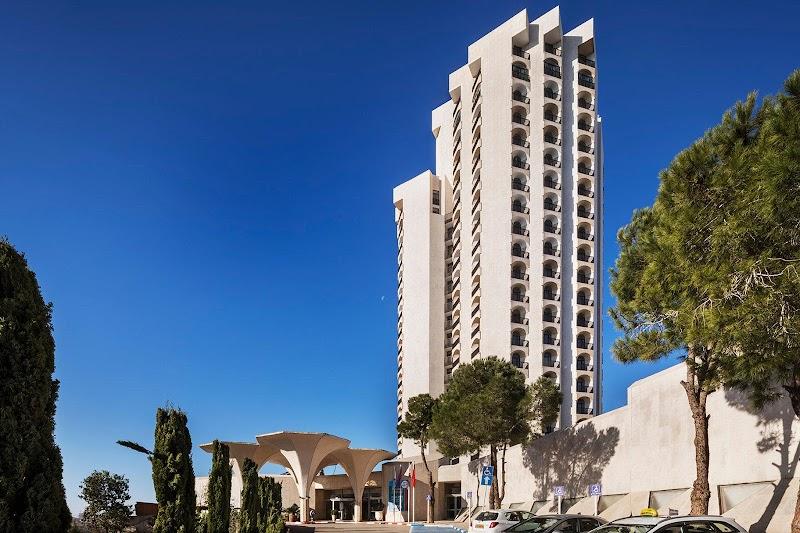
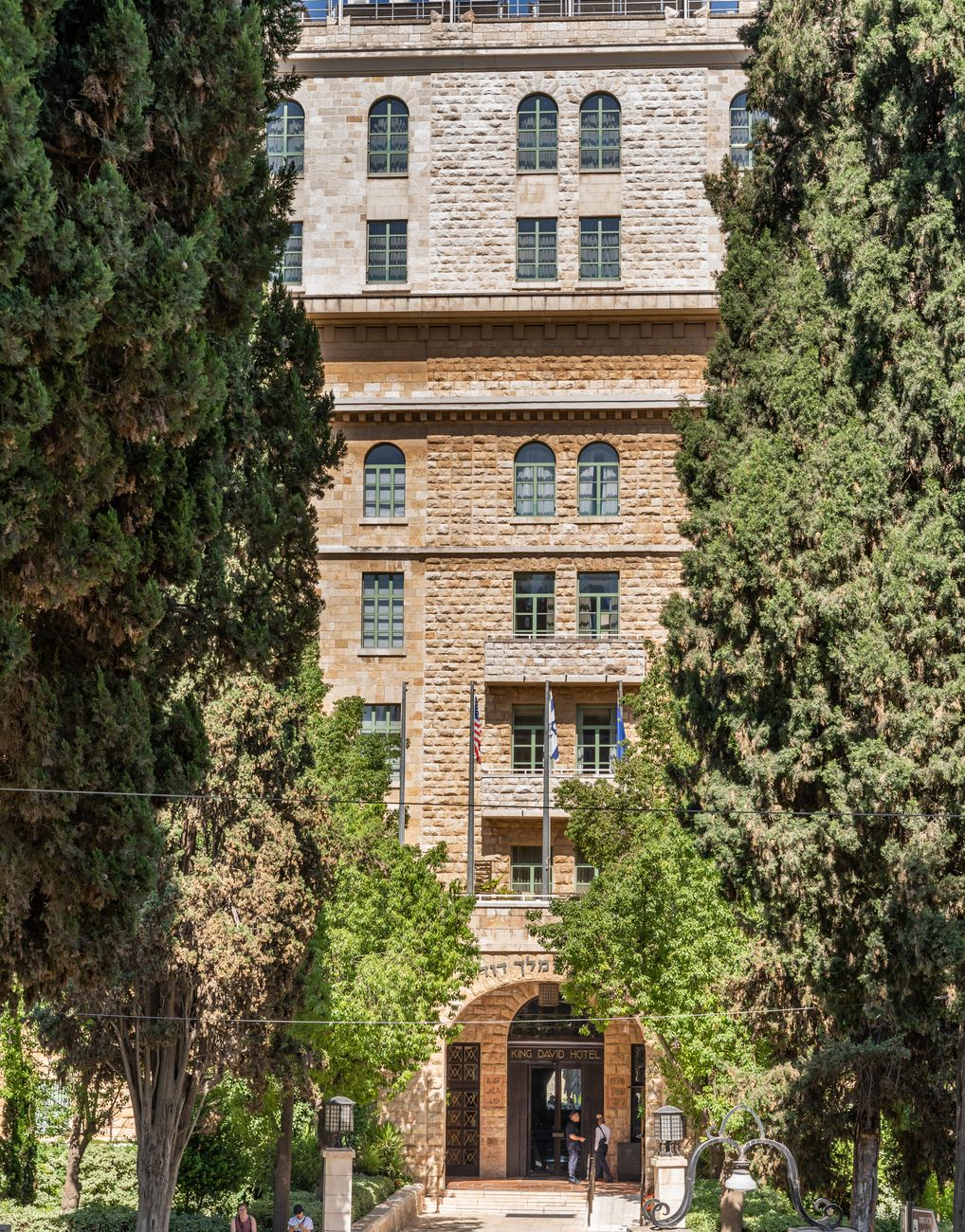
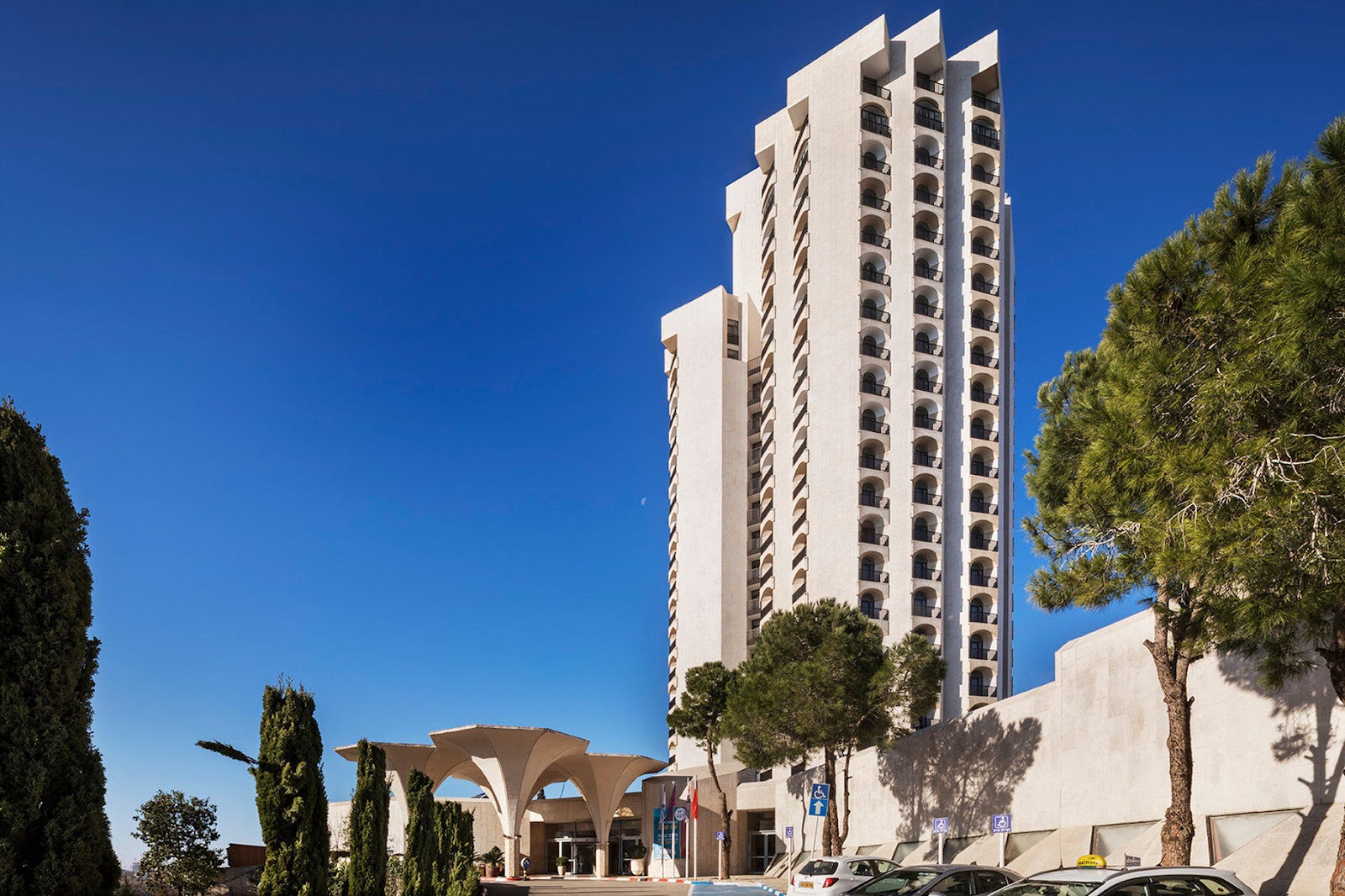
Situato nel distretto Givat Ram di Gerusalemme, sede del parlamento israeliano e della Corte Suprema, Crowne Plaza è l'edificio più alto della città. Offre camere climatizzate con Wi-Fi gratuito.
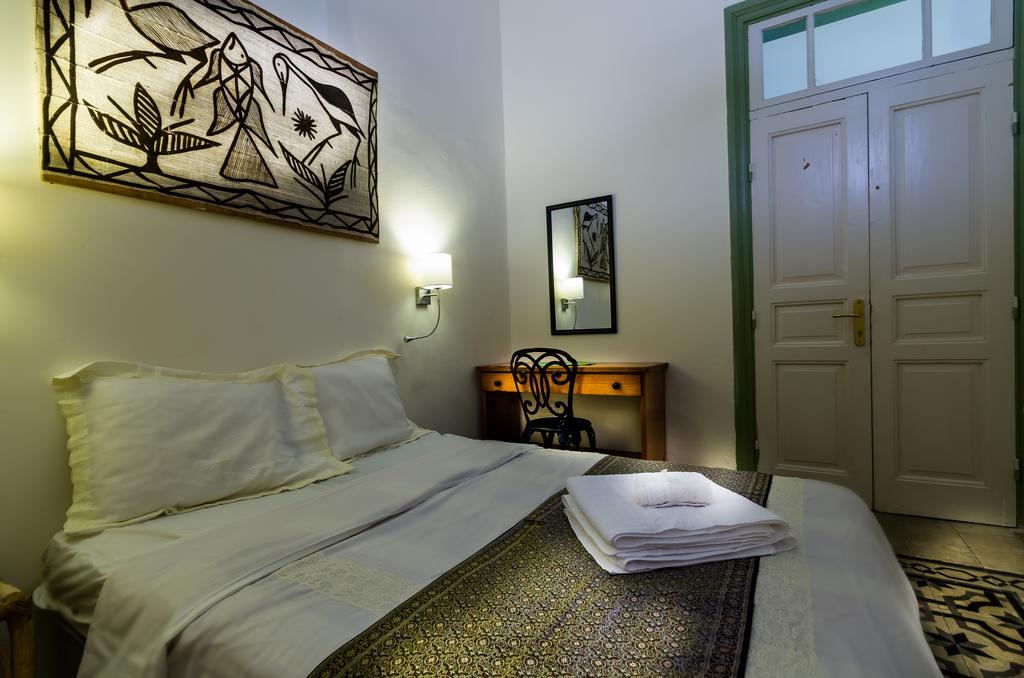
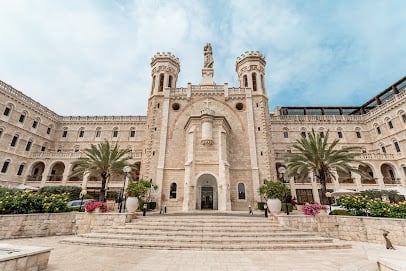
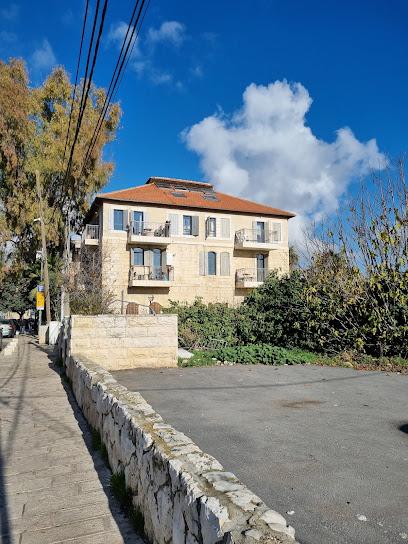
L'Ein Kerem Hotel è un elegante boutique hotel, per pazienti ambulatoriali, per le famiglie dei pazienti, per il personale ospedaliero e i professionisti, così come per gli uomini d'affari.
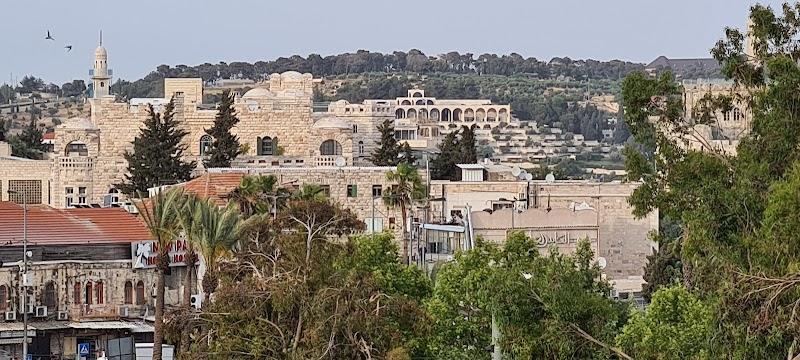
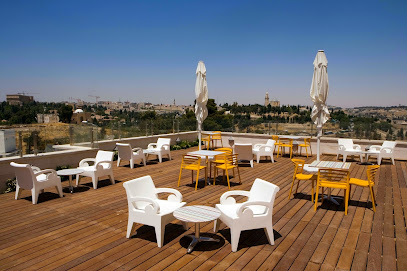
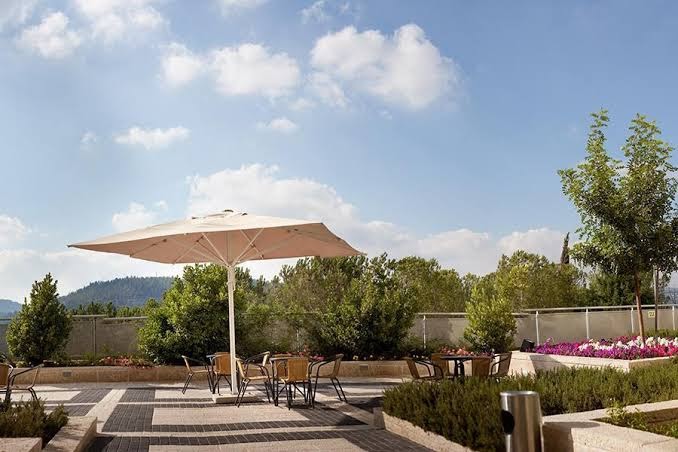
Situato in giardini affermati, questo hotel informale nel distretto di Talpiyot a Gerusalemme si trova a 3 km dal Muro Occidentale antico e a 5 km dalla Città Vecchia.
Il Jerusalem Open House for Pride and Tolerance (JOH) è un'organizzazione leader per le persone lesbiche, gay, bisessuali, transgender e queer (LGBTQ) e i loro alleati nel cuore di Jerusalem.
La storia LGBTQ+ di Gerusalemme è legata al percorso più ampio di Israele. Israele ha depenalizzato le relazioni omosessuali nel 1988 e ha promulgato leggi antidiscriminazione e riconosciuto le coppie dello stesso sesso, sebbene il matrimonio civile richieda l'approvazione rabbinica. Gerusalemme, tuttavia, rimane più conservatrice di Tel Aviv o Haifa.
Il movimento LGBTQ+ organizzato a Gerusalemme ha guadagnato visibilità negli anni '90 e 2000. Jerusalem Open House, fondata nel 1997, funge da centro comunitario e organizzazione di advocacy LGBTQ+ centrale. La prima parata del Pride di Gerusalemme nel 2002 ha incontrato opposizione; oggi attira migliaia di sostenitori e visitatori internazionali, sebbene alcuni quartieri ultraortodossi rimangano poco ricettivi.
La comunità è più piccola di quella di Tel Aviv ma politicamente attiva. I gerusalemmiti LGBTQ+ sono spesso impegnati nell'attivismo intersezionale, sostenendo sia i diritti LGBTQ+ che i diritti e la pace palestinesi.
QUARTIERI
La Gerusalemme Ovest è il centro della vita LGBTQ+. Il centro della città, intorno a Jaffa Street e Ben Yehuda Street, offre negozi, caffè e locali culturali generalmente accoglienti. Rehavia, un quartiere residenziale a sud del centro, ospita molti residenti LGBTQ+ e ha un'atmosfera rilassata con caffè e ristoranti.
Talbieh, adiacente a Rehavia, è similemente progressista e residenziale. Questi quartieri hanno strade alberate e un'atmosfera cosmopolita.
La Gerusalemme Est e la Città Vecchia contengono importanti siti religiosi ma sono prevalentemente palestinesi e conservatori. I visitatori possono esplorare queste aree come turisti, ma si consiglia discrezione riguardo all'orientamento sessuale o all'identità di genere.
I quartieri ultraortodossi come Mea Shearim dovrebbero essere approcciati con rispetto. Si raccomanda un abbigliamento modesto e si dovrebbero evitare le visite il venerdì sera o il sabato (Shabbat).
LOCALI E VITA NOTTURNA
La vita notturna gay di Gerusalemme è meno estesa di quella di Tel Aviv. Diversi locali si rivolgono alla clientela LGBTQ+:
Jerusalem Open House (2 HaSoreg Street) è il principale centro comunitario, che ospita eventi, mostre, proiezioni di film e incontri sociali. È un punto chiave per incontrare la gente del posto e conoscere le questioni attuali.
Il Video Pub, in Yohanan Horkanos Street nel Russian Compound, è stato per oltre un decennio l'unico bar gay di Gerusalemme; ha chiuso definitivamente nel giugno 2026. La città non ha più bar esclusivamente gay. Una manciata di locali nel centro della città, nei dintorni di Zion Square e Jaffa Street, sono LGBTQ+-friendly e occasionalmente ospitano serate drag o queer, ma la scena dei locali è integrata piuttosto che esclusivamente gay – per il clubbing gay dedicato, Tel Aviv è a un'ora di distanza.
I caffè sparsi per Rehavia e il centro città sono comuni punti d'incontro. Abu Shukri e altri locali di hummus offrono luoghi informali per riunirsi.
La Cinematheque (11 Hebron Road) proietta film internazionali e israeliani, spesso includendo programmazione a tema LGBTQ+.
ORGOGLIO ED EVENTI
Il Jerusalem Pride si svolge solitamente all'inizio di giugno. La parata attira migliaia di partecipanti e sostenitori, rendendola un evento significativo. Ufficialmente March for Pride and Tolerance, è organizzato da Jerusalem Open House e negli ultimi anni si è snodato attraverso Gan Sacher e il Wohl Rose Garden verso la Knesset. Rimane politicamente carico, con contro-manifestazioni che a volte si verificano, ma la sicurezza è considerevole (migliaia di poliziotti).
Gli alloggi possono esaurirsi rapidamente durante la settimana del Pride; si consiglia di prenotare in anticipo. L'evento include marce, raduni, concerti e feste.
Oltre al Pride, il Jerusalem International Film Festival (tipicamente luglio-agosto) presenta film a tema LGBTQ+. Il calendario culturale di Gerusalemme include teatro, danza e mostre d'arte durante tutto l'anno, molte delle quali presentano artisti e temi LGBTQ+.
DOVE ALLOGGIARE
Rehavia e Talbieh offrono un'atmosfera più LGBTQ+-friendly. Hotel come il Dan Boutique Hotel e varie guesthouse di charme si trovano in queste aree progressiste.
Il centro città, nei dintorni di Mamilla e Jaffa Street, è più orientato ai turisti ma comunque comodo. Qui si trovano molte catene alberghiere internazionali.
Airbnb è un'opzione per scegliere quartieri specifici. Soggiornare a Rehavia o nel centro di Gerusalemme Ovest offre vicinanza ai servizi mantenendo una certa distanza dalle zone più conservatrici.
Durante la settimana del Pride, gli alloggi vanno prenotati con mesi di anticipo.
CONSIDERAZIONI SULLA SICUREZZA
Gerusalemme è generalmente sicura per i viaggiatori LGBTQ+, con rari episodi di crimini violenti contro persone LGBTQ+.
Le manifestazioni pubbliche di affetto potrebbero attirare l'attenzione in aree conservatrici o tra le comunità ultra-ortodosse. Nel centro di Gerusalemme Ovest, a Rehavia e nelle zone turistiche, i visitatori LGBTQ+ possono essere più aperti. Si consiglia discrezione a Gerusalemme Est, nella Città Vecchia e nei quartieri ultra-ortodossi.
Possono sorgere tensioni politiche; i viaggiatori dovrebbero essere informati sugli eventi attuali ed evitare manifestazioni.
Viaggiare durante la settimana del Pride potrebbe attirare contro-manifestanti, ma l'evento è pesantemente presidiato.
TRASPORTI E NAVIGAZIONE
Il sistema di autobus di Gerusalemme è completo e conveniente. La maggior parte dei locali e dei quartieri LGBTQ+ è raggiungibile in autobus o taxi.
La metropolitana leggera collega diverse aree ma non copre tutte le destinazioni turistiche.
I taxi sono economici e generalmente affidabili. App di ride-sharing come Gett e Uber operano a Gerusalemme.
Camminare è fattibile a Gerusalemme Ovest e nel centro città, anche se le salite possono essere ripide. Si consigliano scarpe comode.
CIBO
Gerusalemme offre una scena culinaria diversificata. Hummus, falafel e insalata israeliana sono comuni. I ristoranti spaziano dal casual al fine dining.
Rehavia offre ristoranti frequentati dai residenti LGBTQ+. Il Mahane Yehuda Market ("The Shuk") è un mercato vivace con bancarelle di cibo e caffè.
Molti ristoranti sono kosher e chiudono per lo Shabbat (dal venerdì sera al sabato sera). I piani per i pasti dovrebbero tenerne conto.
ESCURSIONI GIORNALIERE
Da Gerusalemme, le escursioni giornaliere includono:
Betlemme (30 minuti in autobus): Basilica della Natività e cultura palestinese. Si noti che Betlemme si trova nell'Autorità Palestinese; i viaggiatori dovrebbero verificare gli avvisi di viaggio attuali.
Masada (90 minuti): Antica fortezza e sito UNESCO. Accessibile tramite tour guidati o trasporti pubblici.
Mar Morto (90 minuti): Punto più basso della Terra; popolare per nuotare e trattamenti spa.
Ramallah (Autorità Palestinese, 45 minuti): Centro culturale palestinese. Verificare gli avvisi di viaggio.
Gerico (90 minuti): Antica città e sito culturale palestinese.
INFORMAZIONI PRATICHE
Lingua: L'ebraico è la lingua principale; l'inglese è ampiamente parlato nelle aree turistiche e tra i giovani abitanti di Gerusalemme.
Valuta: Shekel israeliano (ILS). Gli sportelli bancomat sono diffusi.
Visto: I cittadini di molti paesi ottengono l'ingresso senza visto per 90 giorni. Verificare i requisiti attuali.
Periodo migliore per visitare: Ottobre-Novembre e Marzo-Aprile offrono un clima piacevole. Giugno (Pride) è caldo ma affollato. Dicembre-Febbraio è fresco e piovoso.
Salute: L'assistenza sanitaria è buona. Si consiglia un'assicurazione di viaggio.
RISORSE COMUNITARIE
Jerusalem Open House rimane una risorsa primaria per visitatori e residenti LGBTQ+. Il personale può fornire raccomandazioni aggiornate sui locali, informazioni sugli eventi della comunità e supporto.
La comunità LGBTQ+ è piccola ma accogliente nei confronti dei visitatori. Molti locali e organizzazioni aggiornano le informazioni sui social media.
Domande frequenti
Israele ha diritti LGBTQ+ progressisti, ma Gerusalemme è una città religiosamente conservatrice. Sebbene le relazioni tra persone dello stesso sesso siano legali, si consiglia di prestare attenzione all'ambiente circostante, specialmente nella Città Vecchia e a Gerusalemme Est, dove le manifestazioni pubbliche di affetto non sono raccomandate.
La Marcia di Gerusalemme per l'Orgoglio e la Tolleranza si tiene annualmente all'inizio di giugno (è caduta il 5 giugno 2025, con il 4 giugno previsto per il 2026), organizzata dal Jerusalem Open House. È una marcia incentrata sui diritti, pesantemente sorvegliata, che attira migliaia di persone attraverso Gan Sacher verso la Knesset — distinta nel tono dalla festosa parata di Tel Aviv.
La Gerusalemme Ovest è l'area per i visitatori LGBTQ+. Il centro città intorno a Jaffa Street, Zion Square e Mamilla ospita la maggior parte degli hotel e i caffè più accoglienti, mentre i rigogliosi quartieri residenziali di Rehavia e Talbieh sono rilassati e progressisti. Non esiste un unico 'quartiere gay' — la scena è integrata in tutta la Gerusalemme Ovest centrale.
Non più. L'unico bar gay dedicato di Gerusalemme, il Video Pub, ha chiuso definitivamente nel giugno 2026 dopo 14 anni. La città attualmente non ha un bar esclusivamente gay; invece, locali queer-friendly nel centro città ospitano occasionalmente serate drag e queer. Il Jerusalem Open House (2 HaSoreg Street) è il principale punto di ritrovo della comunità.
Gerusalemme è rimasta indietro rispetto a città laiche come Tel Aviv nello sviluppo di una cultura LGBTQ+ visibile, a causa della sua natura religiosa e demograficamente conservatrice. Tuttavia, ospita una celebrazione annuale del Pride.
Mentre Israele ha tutele legali, Gerusalemme è una città profondamente religiosa e politicamente complessa. Non è consigliabile per i viaggiatori LGBTQ+ mostrare affetto nella Città Vecchia e a Gerusalemme Est.
Le tue scelte di privacy.
Utilizziamo i cookie per far funzionare GayOut e, con il tuo consenso, misurarne l'utilizzo. Scopri di più
Le tue scelte di privacy
Usiamo i cookie per far funzionare GayOut, ricordare le tue preferenze e (con il tuo permesso) misurare come viene usato il sito. Puoi accettare tutto, rifiutare tutto o scegliere cosa consentire. Scopri di più
Essenziali
Necessari per il login, la prevenzione delle frodi, la protezione CSRF e per ricordare la lingua. Non disattivabili.
Sempre attivi
Ricordano i tuoi preferiti, la modalità scura e altre preferenze tra una visita e l'altra.
Ci aiutano a capire quali pagine vengono visitate (Google Analytics, statistiche lato server) per migliorare il sito.
Usati dai pixel di tracciamento per le campagne. Al momento nessuno è attivo, riservati a un uso futuro.
Installa GayOut
Aggiungi GayOut alla schermata Home per un accesso più rapido, preferiti offline e avvisi sui Pride.



 Zone di cruising
(2087)
Zone di cruising
(2087)