Casamentos entre pessoas do mesmo sexo realizados no exterior são totalmente reconhecidos. Casamento civil doméstico indisponível para qualquer pessoa (tribunais religiosos controlam a lei do casamento). Adoção conjunta plena legal desde decisão da Suprema Corte de dezembro de 2023. Proteções contra discriminação no emprego/serviços desde 1992. Terapia de conversão proibida em fevereiro de 2022. Proibição de doação de sangue removida em outubro de 2021. Mudança legal de gênero para pessoas trans possível sem cirurgia desde 2015 (diagnóstico médico ainda necessário). Tel Aviv é reconhecida como uma das mais do…
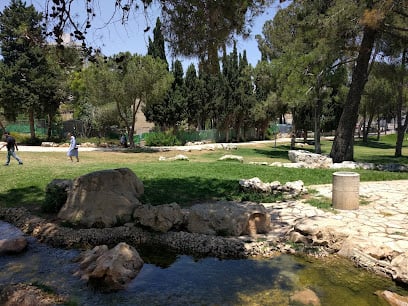
Central West Jerusalem park that is the city's long-standing, discreet after-dark gay cruising ground — much quieter now than in past decades. Exercise discretion.
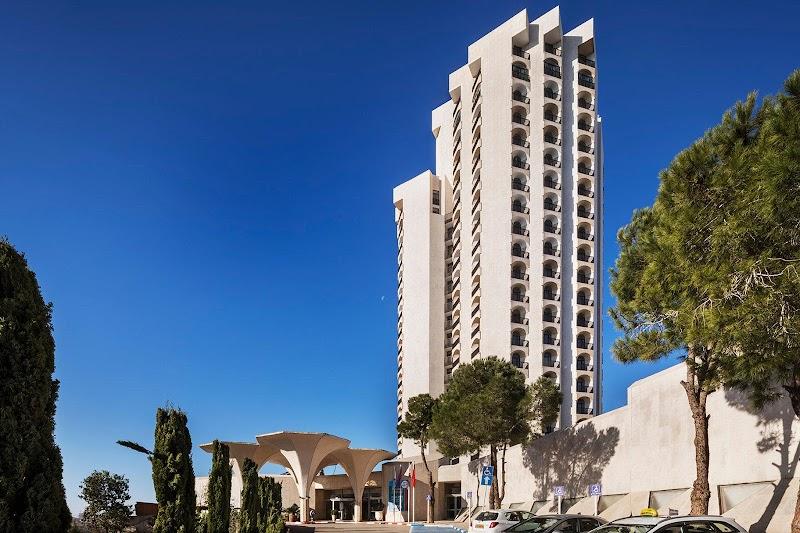
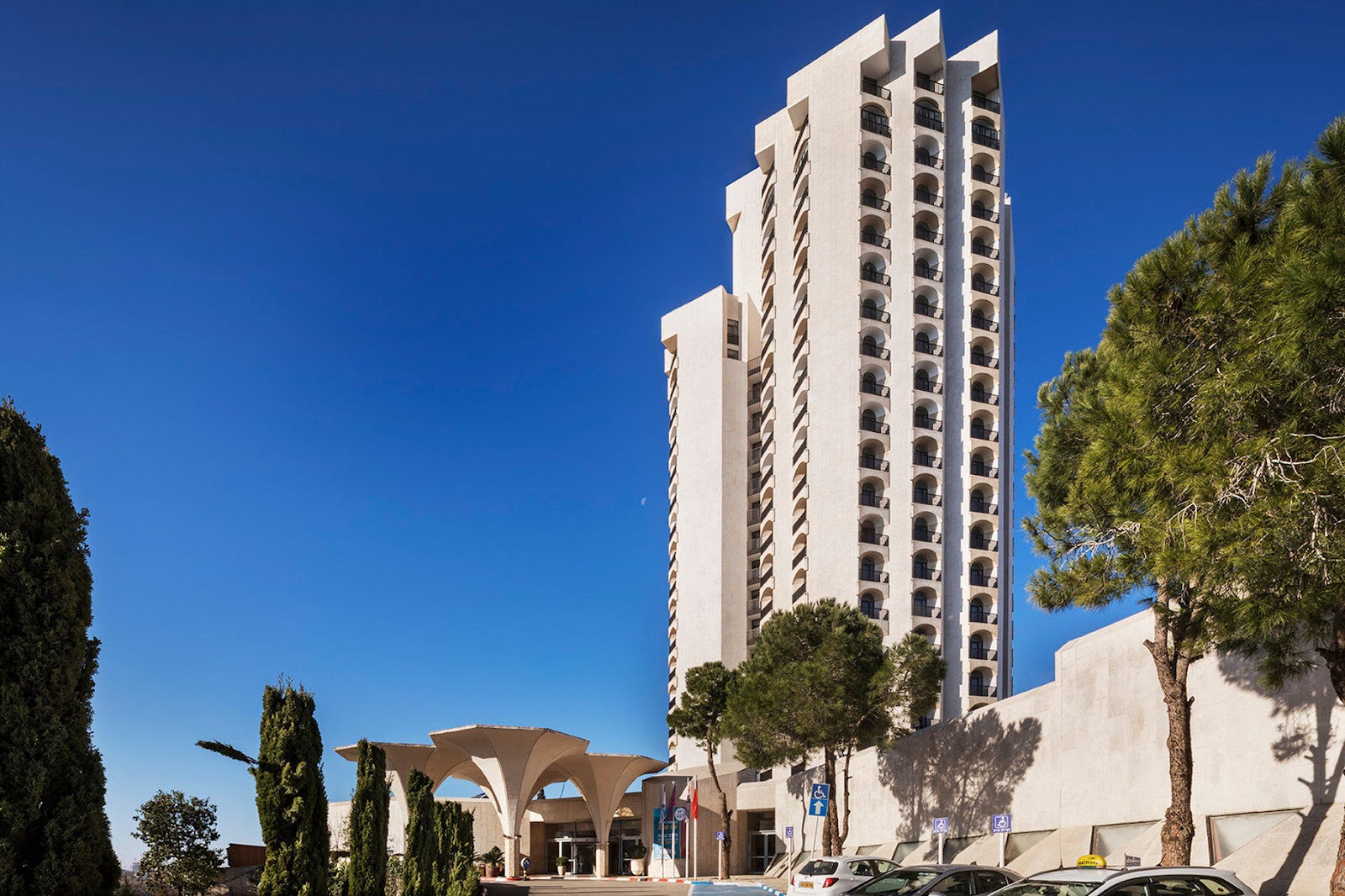
Localizado no distrito de Givat Ram em Jerusalém, onde ficam o parlamento israelense e a Corte Suprema, o Crowne Plaza é o prédio mais alto da cidade. Oferece quartos climatizados com Wi-Fi gratuito.
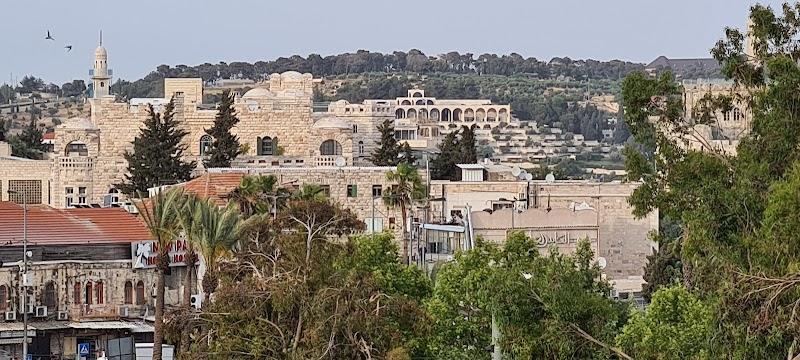
O Ein Kerem Hotel é um elegante hotel boutique para pacientes ambulatoriais, familiares de pacientes, funcionários hospitalares e profissionais, bem como pessoas de negócios.
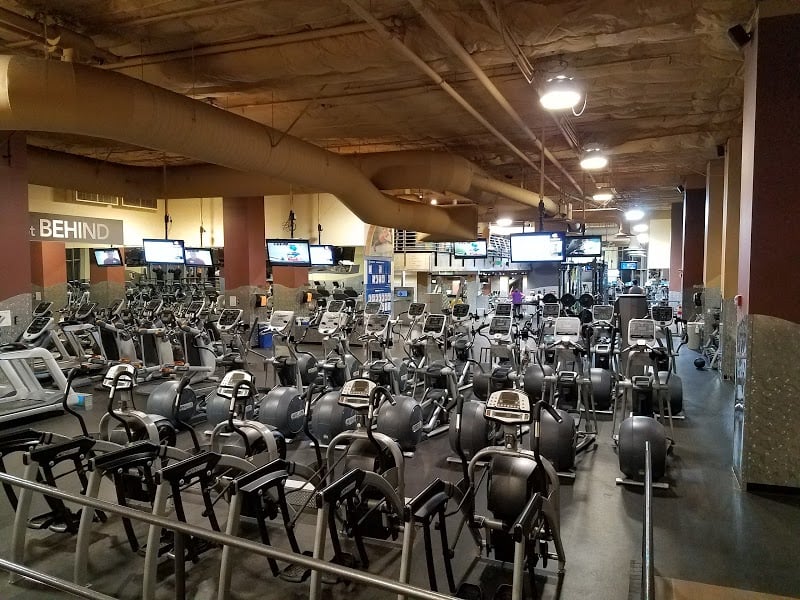
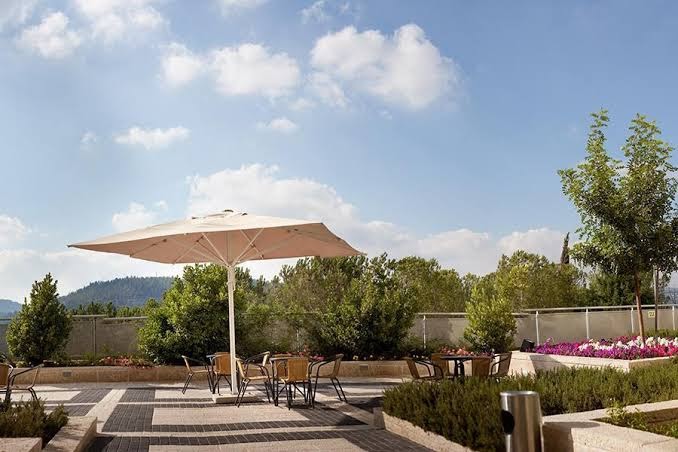
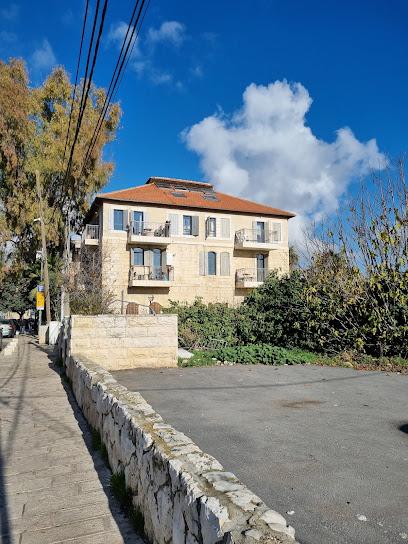
Situado em jardins bem estabelecidos, este hotel casual no bairro Talpiyot de Jerusalem fica a 3 km do antigo Muro das Lamentações e a 5 km da Cidade Antiga.
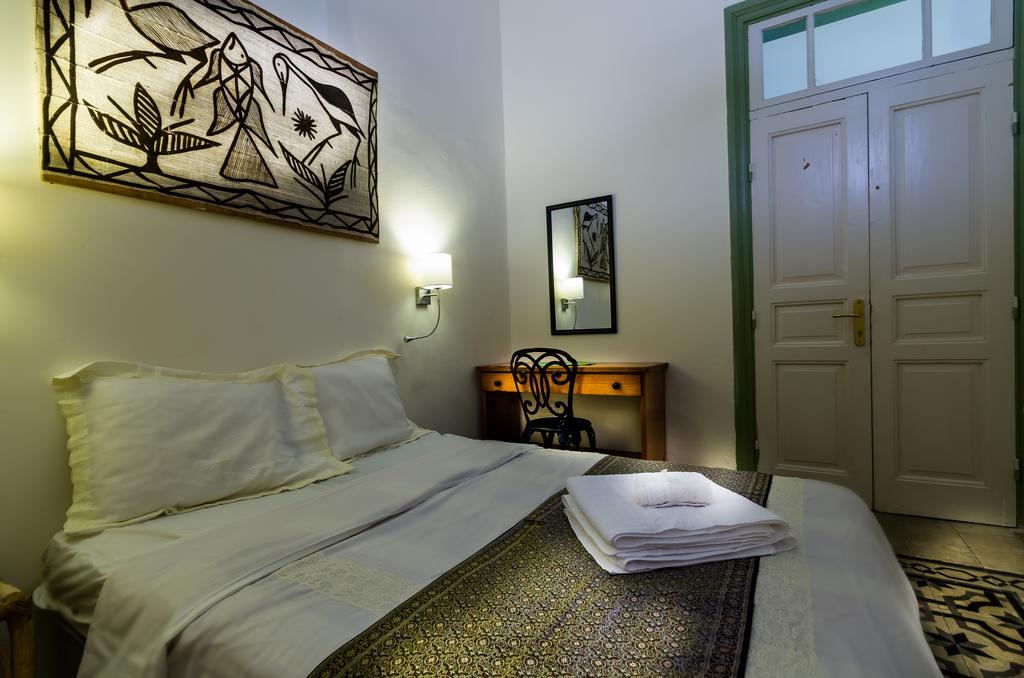
Jerusalem Garden Home é uma Bed and Breakfast familiar de Jerusalém. A casa de família abriu suas portas como Bed and Breakfast em 2008 e rapidamente conquistou uma excelente reputação pelo…
O Jerusalem Open House for Pride and Tolerance (JOH) é uma organização líder para pessoas lésbicas, gays, bissexuais, transgênero e queer (LGBTQ) e seus aliados no coração de Jerusalem.
A história LGBTQ+ de Jerusalém está ligada à trajetória mais ampla de Israel. Israel descriminalizou as relações entre pessoas do mesmo sexo em 1988 e promulgou leis antidiscriminação e reconheceu casais do mesmo sexo, embora o casamento civil exija aprovação rabínica. Jerusalém, no entanto, permanece mais conservadora do que Tel Aviv ou Haifa.
O movimento LGBTQ+ organizado em Jerusalém ganhou visibilidade nas décadas de 1990 e 2000. O Jerusalem Open House, fundado em 1997, serve como o centro comunitário e organização de defesa LGBTQ+ central. A primeira parada do Orgulho de Jerusalém em 2002 enfrentou oposição; hoje atrai milhares de apoiadores e visitantes internacionais, embora alguns bairros ultraortodoxos permaneçam pouco receptivos.
A comunidade é menor que a de Tel Aviv, mas politicamente ativa. Os habitantes LGBTQ+ de Jerusalém frequentemente se envolvem em ativismo interseccional, defendendo tanto os direitos LGBTQ+ quanto os direitos e a paz palestinos.
BAIRROS
A Jerusalém Ocidental é o centro da vida LGBTQ+. O centro da cidade, em torno da Jaffa Street e Ben Yehuda Street, oferece lojas, cafés e locais culturais que são geralmente acolhedores. Rehavia, um bairro residencial ao sul do centro, abriga muitos residentes LGBTQ+ e tem uma atmosfera descontraída com cafés e restaurantes.
Talbieh, adjacente a Rehavia, é igualmente progressista e residencial. Esses bairros têm ruas arborizadas e um ar cosmopolita.
A Jerusalém Oriental e a Cidade Velha contêm importantes locais religiosos, mas são predominantemente palestinos e conservadores. Os visitantes podem explorar essas áreas como turistas, mas recomenda-se discrição em relação à orientação sexual ou identidade de gênero.
Bairros ultraortodoxos como Mea Shearim devem ser abordados com respeito. Recomenda-se vestuário modesto, e visitas nas noites de sexta-feira ou aos sábados (Shabbat) devem ser evitadas.
LOCAIS E VIDA NOTURNA
A vida noturna gay de Jerusalém é menos extensa do que a de Tel Aviv. Vários locais atendem à clientela LGBTQ+:
Jerusalem Open House (2 HaSoreg Street) é o principal centro comunitário, onde se realizam eventos, exposições, exibições de filmes e encontros sociais. É um ponto chave para conhecer locais e aprender sobre as questões atuais.
O Video Pub, na Yohanan Horkanos Street, no Russian Compound, foi durante mais de uma década o único bar exclusivamente gay de Jerusalém; encerrou permanentemente em junho de 2026. A cidade não tem mais bares exclusivamente gays. Um punhado de locais no centro da cidade, em torno da Zion Square e da Jaffa Street, são amigáveis para a comunidade LGBTQ+ e ocasionalmente acolhem noites de drag ou queer, mas a cena de bares é integrada em vez de exclusivamente gay – para vida noturna gay dedicada, Tel Aviv fica a uma hora de distância.
Cafés em Rehavia e no centro da cidade são locais de encontro comuns. Abu Shukri e outras casas de hummus oferecem locais de encontro casuais.
A Cinematheque (11 Hebron Road) exibe filmes internacionais e israelitas, muitas vezes incluindo programação com temas LGBTQ+.
ORGULHO E EVENTOS
O Orgulho de Jerusalém geralmente ocorre no início de junho. O desfile atrai milhares de participantes e apoiantes, tornando-se um evento significativo. Oficialmente a Marcha pelo Orgulho e Tolerância, é organizada pelo Jerusalem Open House e, nos últimos anos, tem passado pelo Gan Sacher e pelo Wohl Rose Garden em direção à Knesset. Continua a ser politicamente carregado, com contra-protestos a ocorrerem por vezes, mas a segurança é substancial (milhares de polícias).
As acomodações podem esgotar rapidamente durante a semana do Orgulho; recomenda-se reservar com antecedência. O evento inclui marchas, comícios, concertos e festas.
Para além do Orgulho, o Festival Internacional de Cinema de Jerusalém (geralmente julho-agosto) apresenta filmes com temas LGBTQ+. O calendário cultural de Jerusalém inclui teatro, dança e exposições de arte ao longo do ano, muitas com artistas e temas LGBTQ+.
ONDE FICAR
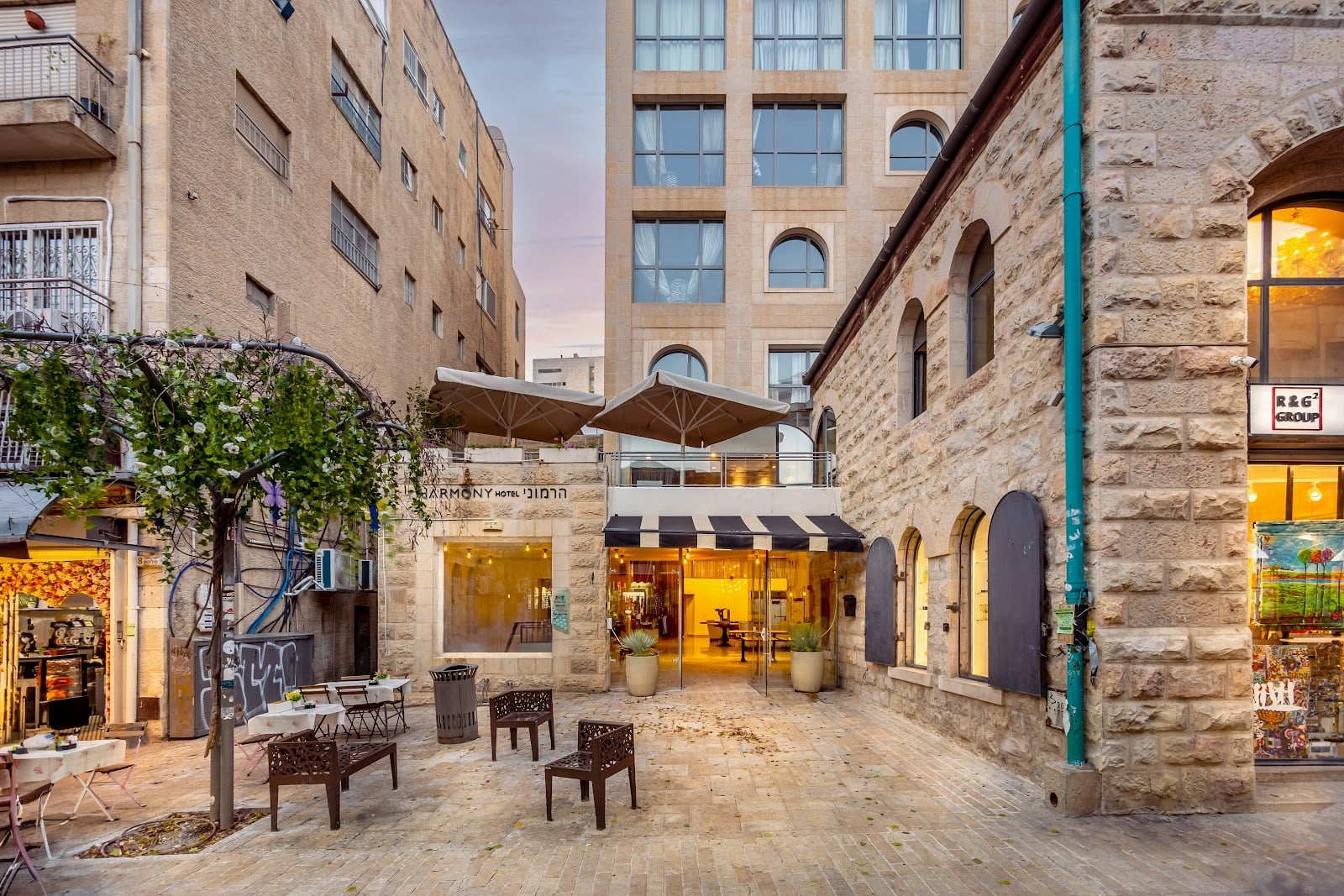
Rehavia e Talbieh oferecem uma atmosfera mais amigável para a comunidade LGBTQ+. Hotéis como o Dan Boutique Hotel e várias pousadas boutique estão localizados nestas áreas progressistas.
O centro da cidade, em torno de Mamilla e Jaffa Street, é mais voltado para turistas, mas conveniente. Muitas cadeias internacionais de hotéis estão localizadas aqui.
O Airbnb é uma opção para seleção direcionada de bairros. Ficar em Rehavia ou no centro de Jerusalém Ocidental oferece proximidade a comodidades, mantendo distância de áreas mais conservadoras.
Durante a semana do Orgulho, as acomodações devem ser reservadas com meses de antecedência.
CONSIDERAÇÕES DE SEGURANÇA
Jerusalém é geralmente segura para viajantes LGBTQ+, com raros incidentes de crimes violentos contra indivíduos LGBTQ+.
Demonstrações públicas de afeto podem atrair atenção em áreas conservadoras ou entre comunidades ultraortodoxas. No centro de Jerusalém Ocidental, Rehavia e áreas turísticas, visitantes LGBTQ+ podem ser mais abertos. Discrição é aconselhada na Jerusalém Oriental, na Cidade Velha e em bairros ultraortodoxos.
Tensões políticas podem surgir; viajantes devem estar cientes dos eventos atuais e evitar manifestações.
Viajar durante a semana do Orgulho pode atrair contra-manifestantes, mas o evento é fortemente seguro.
TRANSPORTE E NAVEGAÇÃO
O sistema de ônibus de Jerusalém é abrangente e acessível. A maioria dos locais e bairros LGBTQ+ é acessível por ônibus ou táxi.
O trem leve conecta várias áreas, mas não cobre todos os destinos turísticos.
Táxis são baratos e geralmente confiáveis. Aplicativos de transporte como Gett e Uber operam em Jerusalém.
Caminhar é viável em Jerusalém Ocidental e no centro da cidade, embora as colinas possam ser íngremes. Sapatos confortáveis são recomendados.
COMIDA
Jerusalém oferece uma cena gastronômica diversificada. Hummus, falafel e salada israelense são comuns. Os restaurantes variam de casuais a sofisticados.
Rehavia tem restaurantes frequentados por residentes LGBTQ+. O Mercado Mahane Yehuda ("The Shuk") é um mercado animado com barracas de comida e cafés.
Muitos restaurantes são kosher e fecham para o Shabat (da noite de sexta-feira à noite de sábado). Os planos de refeição devem levar isso em consideração.
PASSEIOS DE UM DIA
De Jerusalém, passeios de um dia incluem:
Belém (30 minutos de autocarro): Igreja da Natividade e cultura palestiniana. Note que Belém se situa na Autoridade Palestiniana; os viajantes devem consultar os avisos de viagem atuais.
Masada (90 minutos): Fortaleza antiga e Património Mundial da UNESCO. Acessível através de visitas guiadas ou transportes públicos.
Mar Morto (90 minutos): O ponto mais baixo da Terra; popular para nadar e tratamentos de spa.
Ramallah (Autoridade Palestiniana, 45 minutos): Centro cultural palestiniano. Consulte os avisos de viagem.
Jericó (90 minutos): Cidade antiga e local cultural palestiniano.
INFORMAÇÕES PRÁTICAS
Língua: O hebraico é a língua principal; o inglês é amplamente falado nas áreas turísticas e entre os jovens jerusalmitas.
Moeda: Shekel israelita (ILS). Os multibancos são abundantes.
Visto: Cidadãos de muitos países recebem entrada sem visto por 90 dias. Verifique os requisitos atuais.
Melhor altura para visitar: Outubro-Novembro e Março-Abril oferecem um clima agradável. Junho (Pride) é quente mas movimentado. Dezembro-Fevereiro é fresco e chuvoso.
Saúde: Os cuidados de saúde são bons. Seguro de viagem é recomendado.
RECURSOS COMUNITÁRIOS
O Jerusalem Open House continua a ser um recurso primordial para visitantes e locais LGBTQ+. A equipa pode fornecer recomendações de locais atuais, informações sobre eventos comunitários e apoio.
A comunidade LGBTQ+ é pequena mas acolhedora para os visitantes. Muitos locais e organizações atualizam informações nas redes sociais.
Perguntas frequentes
Israel tem direitos LGBTQ+ progressistas, mas Jerusalém é uma cidade religiosamente conservadora. Embora relacionamentos entre pessoas do mesmo sexo sejam legais, é aconselhável estar ciente do seu entorno, especialmente na Cidade Velha e em Jerusalém Oriental, onde demonstrações públicas de afeto não são recomendadas.
A Marcha de Jerusalém pela Diversidade e Tolerância é realizada anualmente no início de junho (caiu em 5 de junho de 2025, com 4 de junho esperado em 2026), organizada pelo Jerusalem Open House. É uma marcha focada em direitos, fortemente protegida, que atrai milhares de pessoas pelo Gan Sacher em direção à Knesset — distinta em tom da festiva parada de Tel Aviv.
A Jerusalém Ocidental é a área para visitantes LGBTQ+. O centro da cidade ao redor da Rua Jaffa, Zion Square e Mamilla tem a maioria dos hotéis e os cafés mais acolhedores, enquanto os arborizados Rehavia e Talbieh são bairros residenciais relaxados e progressistas. Não há um único 'bairro gay' — a cena é integrada em toda a Jerusalém Ocidental central.
Não mais. O único bar gay dedicado de Jerusalém, o Video Pub, fechou permanentemente em junho de 2026 após 14 anos. A cidade atualmente não tem bares exclusivamente gays; em vez disso, locais LGBTQ+-friendly no centro da cidade recebem noites ocasionais de drag e queer. O Jerusalem Open House (Rua HaSoreg, 2) é o principal centro de encontro da comunidade.
Jerusalém ficou para trás de cidades seculares como Tel Aviv no desenvolvimento de uma cultura LGBTQ+ visível devido à sua natureza religiosa e demograficamente conservadora. No entanto, sedia uma celebração anual do Orgulho.
Embora Israel possua proteções legais, Jerusalém é uma cidade profundamente religiosa e politicamente complexa. Não é recomendado para viajantes LGBTQ+ demonstrar afeto na Cidade Velha e em Jerusalém Oriental.
Suas preferências de privacidade.
Usamos cookies para manter o GayOut funcionando e, com seu consentimento, medir o uso. Saiba mais
Suas preferências de privacidade
Usamos cookies para manter o GayOut funcionando, lembrar suas preferências e (com sua autorização) medir como o site é usado. Você pode aceitar tudo, recusar tudo ou escolher o que permite. Saiba mais
Essenciais
Necessários para login, prevenção de fraudes, proteção CSRF e para lembrar seu idioma. Não podem ser desativados.
Sempre ativo
Lembra seus favoritos, modo escuro e outras preferências de interface entre visitas.
Nos ajuda a entender quais páginas as pessoas visitam (Google Analytics, estatísticas do servidor) para melhorarmos.
Usado por pixels de campanhas. Nenhum está ativo no momento — reservado para uso futuro.
Instalar GayOut
Adicione o GayOut à tela inicial para acesso rápido, favoritos offline e alertas de Pride.



 Áreas de Pegação
(2087)
Áreas de Pegação
(2087)