Małżeństwa osób tej samej płci zawarte za granicą są w pełni uznawane. Krajowe małżeństwa cywilne niedostępne dla nikogo (sądy kościelne kontrolują prawo małżeńskie). Pełne wspólne adopcje legalne od orzeczenia Sądu Najwyższego z grudnia 2023 r. Ochrona przed dyskryminacją w zatrudnieniu/usługach od 1992 r. Terapia konwersyjna zakazana w lutym 2022 r. Zakaz oddawania krwi zniesiony w październiku 2021 r. Prawna zmiana płci dla osób transpłciowych możliwa bez operacji od 2015 r. (nadal wymagana diagnoza medyczna). Tel Awiw jest uznawany za jeden z najbardziej…
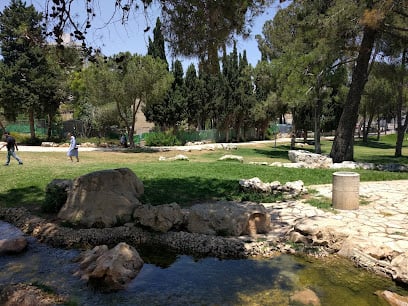
Central West Jerusalem park that is the city's long-standing, discreet after-dark gay cruising ground — much quieter now than in past decades. Exercise discretion.
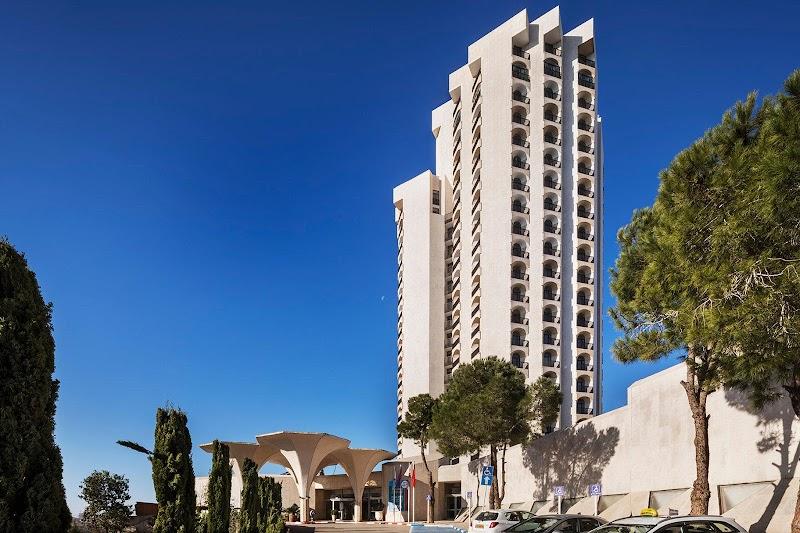
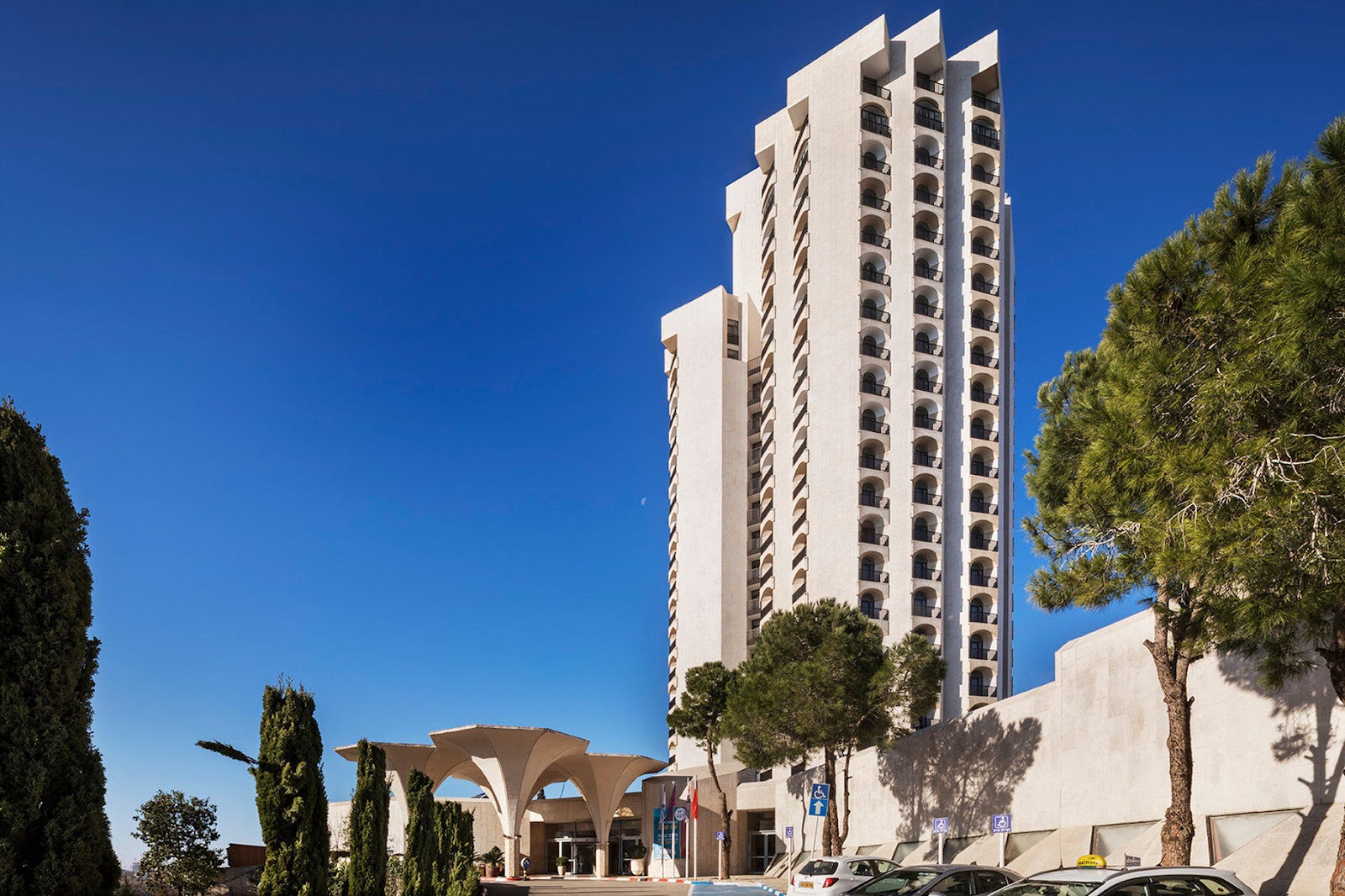
Położony w jerozolimskiej dzielnicy Givat Ram, która jest siedzibą izraelskiego parlamentu i Sądu Najwyższego, Crowne Plaza jest najwyższym budynkiem w mieście.
Ein Kerem Hotel to elegancki butikowy hotel dla pacjentów ambulatoryjnych, rodzin pacjentów, personelu szpitalnego i profesjonalistów, a także ludzi biznesu.
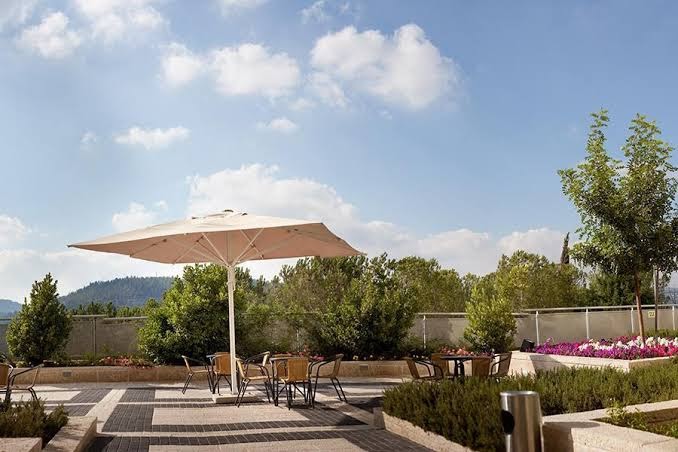
Położony w dojrzałych ogrodach, ten casualowy hotel w dzielnicy Talpiyot w Jerozolimie znajduje się 3 km od starożytnej Ściany Płaczu i 5 km od Starego Miasta.
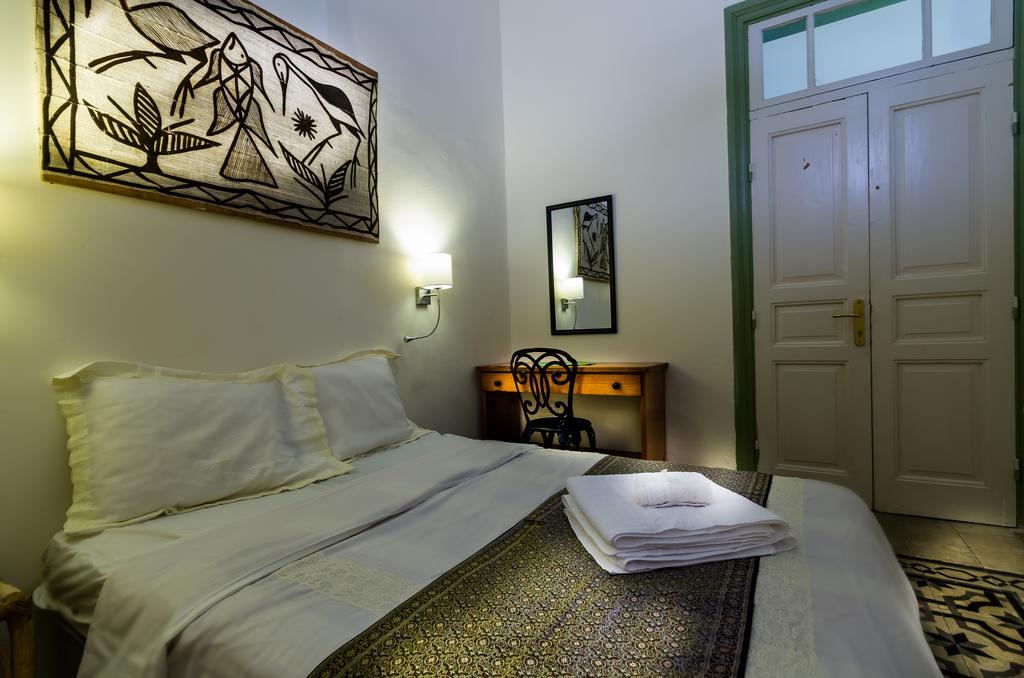
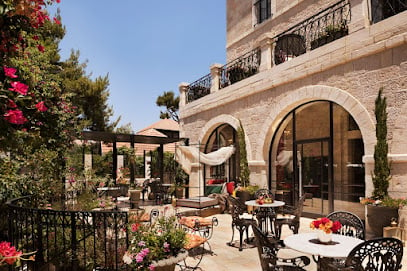
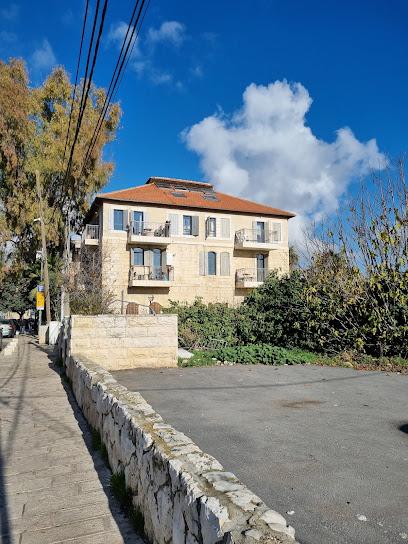
Jerusalem Garden Home to családi, żeruszalimska Pensja. Rodzinny dom otworzył swoje drzwi jako Pensja w 2008 roku i szybko zyskał doskonałą reputację dzięki ciepłemu powitaniu, wygodnym pokojom i…
Bilety bez kolejki, spacery z przewodnikiem, jednodniowe wycieczki i unikalne doświadczenia przyjazne LGBTQ+ — rezerwacja od ręki z bezpłatnym anulowaniem.
Jerusalem Open House for Pride and Tolerance (JOH) to wiodąca organizacja osób lesbijskich, gejowskich, biseksualnych, transpłciowych i queer (LGBTQ) oraz ich sojuszników w sercu Jerozolimy.
Historia społeczności LGBTQ+ w Jerozolimie jest ściśle związana z ogólnym rozwojem Izraela. W 1988 roku Izrael zdekryminalizował relacje między osobami tej samej płci, a następnie wprowadził przepisy antydyskryminacyjne i uznał związki jednopłciowe, choć małżeństwa cywilne wymagają zatwierdzenia rabinackiego. Jerozolima jednak pozostaje bardziej konserwatywna niż Tel Awiw czy Hajfa.
Zorganizowany ruch LGBTQ+ w Jerozolimie zyskał na widoczności w latach 90. i 2000. Jerusalem Open House, założony w 1997 roku, pełni funkcję centralnego centrum społeczności LGBTQ+ i organizacji działającej na rzecz jej praw. Pierwsza parada dumy w Jerozolimie w 2002 roku spotkała się z oporem; dziś przyciąga tysiące zwolenników i międzynarodowych gości, choć niektóre ultraortodoksyjne dzielnice pozostają niechętne.
Społeczność jest mniejsza niż w Tel Awiwie, ale aktywna politycznie. Jerozolimczycy LGBTQ+ często angażują się w aktywizm intersekcjonalny, opowiadając się zarówno za prawami osób LGBTQ+, jak i za prawami Palestyńczyków oraz pokojem.
DZIELNICE
Zachodnia Jerozolima jest centrum życia LGBTQ+. Centrum miasta, w okolicach ulic Jaffa i Ben Yehuda, oferuje sklepy, kawiarnie i miejsca kultury, które są zazwyczaj przyjazne. Rehavia, dzielnica mieszkalna na południe od centrum, jest domem dla wielu mieszkańców LGBTQ+ i charakteryzuje się swobodną atmosferą z kawiarniami i restauracjami.
Talbieh, sąsiadująca z Rehavią, jest podobnie progresywna i mieszkalna. Te dzielnice mają ulice wysadzane drzewami i kosmopolityczny charakter.
Wschodnia Jerozolima i Stare Miasto zawierają ważne miejsca religijne, ale są zdominowane przez Palestyńczyków i konserwatywne. Odwiedzający mogą zwiedzać te obszary jako turyści, ale zaleca się zachowanie dyskrecji w kwestii orientacji seksualnej lub tożsamości płciowej.
Do ultraortodoksyjnych dzielnic, takich jak Mea Shearim, należy podchodzić z szacunkiem. Zaleca się skromny ubiór, a wizyty w piątkowe wieczory lub soboty (Szabat) należy unikać.
MIEJSCA I ŻYCIE NOCNE
Życie nocne dla społeczności LGBTQ+ w Jerozolimie jest mniej rozbudowane niż w Tel Awiwie. Kilka miejsc obsługuje klientelę LGBTQ+:
Jerusalem Open House (2 HaSoreg Street) to główne centrum społeczności, organizujące wydarzenia, wystawy, pokazy filmowe i spotkania towarzyskie. Jest to kluczowe miejsce do poznawania mieszkańców i dowiadywania się o bieżących sprawach.
Video Pub, przy Yohanan Horkanos Street na terenie Russian Compound, przez ponad dekadę był jedynym dedykowanym barem dla gejów w Jerozolimie; został zamknięty na stałe w czerwcu 2026 roku. Miasto nie ma obecnie wyłącznie gejowskiego baru. Kilka lokali w centrum miasta, w okolicach Zion Square i Jaffa Street, jest przyjaznych osobom LGBTQ+ i okazjonalnie organizuje wieczory drag lub queer, ale scena barowa jest zintegrowana, a nie wyłącznie gejowska – dla dedykowanych imprez w gejowskich klubach Tel Awiw jest godzinę drogi.
Kawiarnie w Rehavia i centrum miasta to popularne miejsca spotkań. Abu Shukri i inne lokale z hummusem oferują swobodne miejsca do wspólnego spędzania czasu.
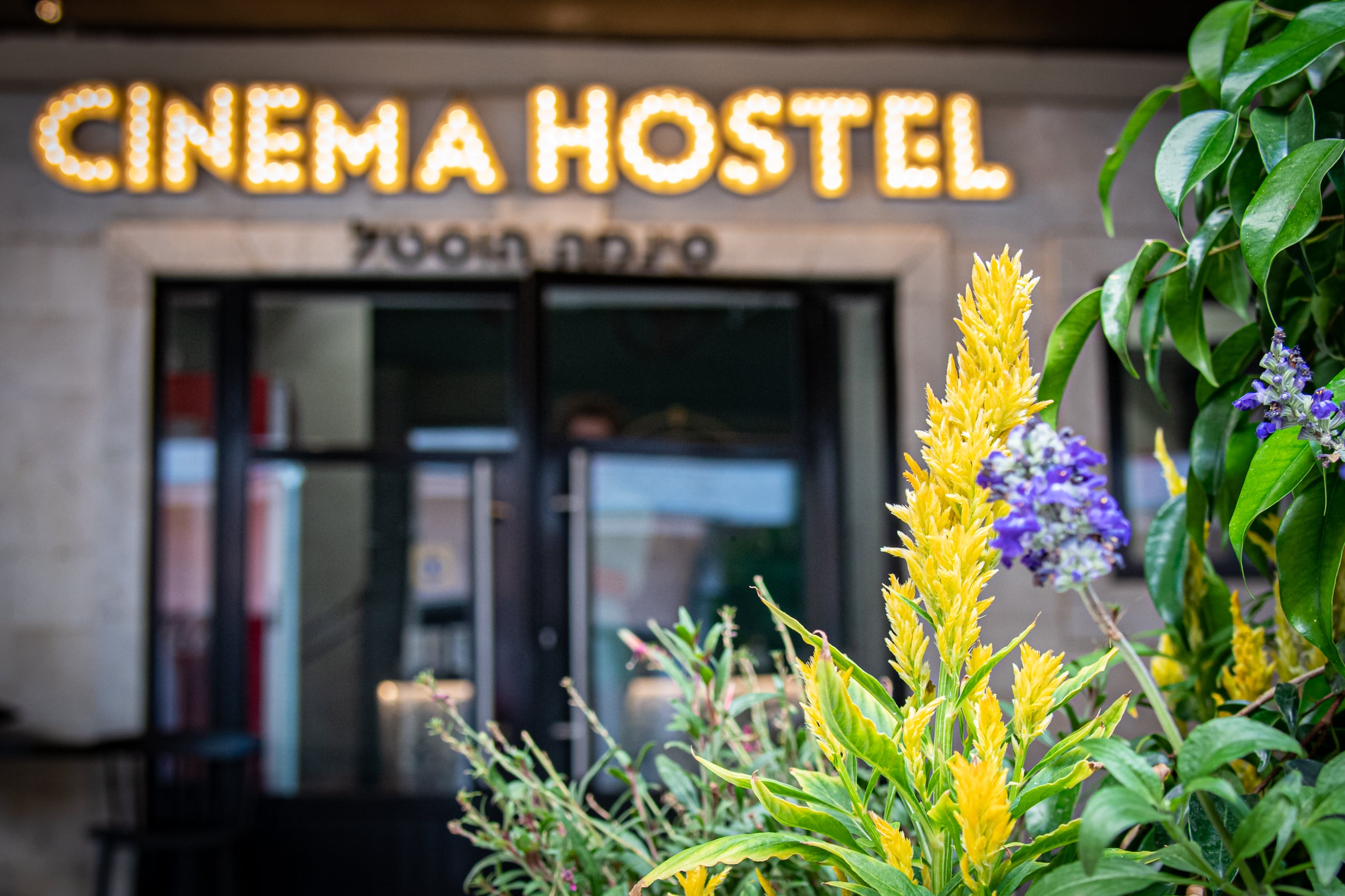
Cinematheque (11 Hebron Road) wyświetla filmy międzynarodowe i izraelskie, często w tym programy o tematyce LGBTQ+.
DUMA I WYDARZENIA
Jerusalem Pride zazwyczaj odbywa się na początku czerwca. Parada przyciąga tysiące uczestników i sympatyków, co czyni ją ważnym wydarzeniem. Oficjalnie Marsz dla Dumy i Tolerancji, jest organizowany przez Jerusalem Open House, a w ostatnich latach przebiegał przez Gan Sacher i Wohl Rose Garden w kierunku Knesetu. Pozostaje wydarzeniem nacechowanym politycznie, z okazjonalnymi kontrprotestami, ale zabezpieczenie jest znaczące (tysiące policjantów).
Zakwaterowanie może szybko się wyczerpać w tygodniu Pride; zaleca się rezerwację z wyprzedzeniem. Wydarzenie obejmuje marsze, wiece, koncerty i imprezy.
Poza Pride, Jerusalem International Film Festival (zazwyczaj lipiec-sierpień) prezentuje filmy o tematyce LGBTQ+. Kalendarz kulturalny Jerozolimy obejmuje przez cały rok teatr, taniec i wystawy sztuki, z których wiele prezentuje artystów i tematykę LGBTQ+.
GDZIE SIĘ ZATRZYMAĆ
Rehavia i Talbieh oferują bardziej przyjazną atmosferę dla osób LGBTQ+. Hotele takie jak Dan Boutique Hotel i różne butikowe pensjonaty znajdują się w tych postępowych dzielnicach.
Centrum miasta, w okolicach Mamilla i Jaffa Street, jest bardziej nastawione na turystów, ale wygodne. Znajduje się tu wiele międzynarodowych sieci hotelowych.
Airbnb to opcja umożliwiająca wybór konkretnej dzielnicy. Pobyt w Rehavia lub centralnej części Zachodniego Jerozolimy zapewnia bliskość do udogodnień, jednocześnie zachowując dystans od bardziej konserwatywnych obszarów.
W tygodniu Pride noclegi należy rezerwować z kilkumiesięcznym wyprzedzeniem.
ASPEKTY BEZPIECZEŃSTWA
Jerozolima jest generalnie bezpieczna dla podróżujących osób LGBTQ+, z rzadkimi incydentami przestępstw z użyciem przemocy skierowanych przeciwko osobom LGBTQ+.
Publiczne okazywanie uczuć może przyciągać uwagę w konserwatywnych rejonach lub wśród społeczności ultraortodoksyjnych. W centralnej części Zachodniej Jerozolimy, Rehavia i obszarach turystycznych, osoby LGBTQ+ mogą być bardziej otwarte. Dyskrecja jest zalecana we Wschodniej Jerozolimie, Starym Mieście i dzielnicach ultraortodoksyjnych.
Mogą pojawić się napięcia polityczne; podróżujący powinni być świadomi bieżących wydarzeń i unikać demonstracji.
Podróżowanie w tygodniu Pride może przyciągnąć kontrdemonstrantów, ale wydarzenie jest silnie zabezpieczone.
TRANSPORT I PORUSZANIE SIĘ PO MIEŚCIE
System autobusowy Jerozolimy jest rozbudowany i niedrogi. Większość miejsc i dzielnic przyjaznych osobom LGBTQ+ jest dostępna autobusem lub taksówką.
Kolejka lekka łączy kilka obszarów, ale nie obsługuje wszystkich atrakcji turystycznych.
Taksówki są niedrogie i generalnie niezawodne. W Jerozolimie działają aplikacje do zamawiania przejazdów, takie jak Gett i Uber.
Chodzenie pieszo jest wykonalne w Zachodniej Jerozolimie i centrum miasta, choć wzgórza mogą być strome. Zalecane są wygodne buty.
JEDZENIE
Jerozolima oferuje zróżnicowaną scenę kulinarną. Popularne są hummus, falafel i sałatka izraelska. Restauracje oferują szeroki wybór od swobodnych po wykwintne.
W Rehavia znajdują się restauracje często odwiedzane przez mieszkańców LGBTQ+. Mahane Yehuda Market ("The Shuk") to tętniący życiem targ z punktami gastronomicznymi i kawiarniami.
Wiele restauracji jest koszernych i zamyka się na Szabat (od wieczora w piątek do wieczora w sobotę). Należy to uwzględnić w planach posiłków.
WYCIECZKI JEDNODNIOWE
Z Jerozolimy można wybrać się na jednodniowe wycieczki do:
Betlejem (30 minut autobusem): Bazylika Narodzenia Pańskiego i kultura palestyńska. Należy pamiętać, że Betlejem znajduje się na terytorium Autonomii Palestyńskiej; podróżujący powinni sprawdzić aktualne ostrzeżenia dla podróżujących.
Masada (90 minut): Starożytna twierdza i obiekt UNESCO. Dostępna z wycieczkami z przewodnikiem lub transportem publicznym.
Morze Martwe (90 minut): Najniższy punkt na Ziemi; popularne miejsce do pływania i zabiegów spa.
Ramallah (Autonomia Palestyńska, 45 minut): Palestyńskie centrum kultury. Sprawdź ostrzeżenia dla podróżujących.
Jerycho (90 minut): Starożytne miasto i palestyńskie miejsce kultury.
PRAKTYCZNE INFORMACJE
Język: Głównym językiem jest hebrajski; angielski jest powszechnie używany w obszarach turystycznych i wśród młodszych mieszkańców Jerozolimy.
Waluta: Szekel izraelski (ILS). Bankomaty są powszechnie dostępne.
Wiza: Obywatele wielu krajów otrzymują bezwizowy wjazd na 90 dni. Sprawdź aktualne wymagania.
Najlepszy czas na wizytę: Październik-listopad i marzec-kwiecień oferują przyjemną pogodę. Czerwiec (Pride) jest ciepły, ale zatłoczony. Grudzień-luty jest chłodny i deszczowy.
Zdrowie: Opieka zdrowotna jest dobra. Zaleca się ubezpieczenie podróżne.
ZASOBY SPOŁECZNOŚCIOWE
Jerusalem Open House pozostaje głównym zasobem dla odwiedzających i mieszkańców LGBTQ+. Personel może udzielić aktualnych rekomendacji dotyczących miejsc, informacji o wydarzeniach społecznościowych i wsparcia.
Społeczność LGBTQ+ jest niewielka, ale przyjazna dla odwiedzających. Wiele miejsc i organizacji aktualizuje informacje w mediach społecznościowych.
Najczęściej zadawane pytania
Izrael ma progresywne prawa LGBTQ+, ale Jerozolima jest miastem konserwatywnym religijnie. Chociaż związki jednopłciowe są legalne, zaleca się zwracanie uwagi na otoczenie, zwłaszcza w Starym Mieście i Wschodniej Jerozolimie, gdzie publiczne okazywanie uczuć nie jest zalecane.
Marsz dla Dumy i Tolerancji w Jerozolimie odbywa się corocznie na początku czerwca (w 2025 roku przypadł na 5 czerwca, a w 2026 roku oczekuje się 4 czerwca), organizowany przez Jerusalem Open House. Jest to marsz skoncentrowany na prawach, silnie zabezpieczony, który przyciąga tysiące ludzi przez Gan Sacher w kierunku Knesetu – odmienny w tonie od festiwalowej parady w Tel Awiwie.
Zachodnia Jerozolima to obszar dla odwiedzających LGBTQ+. Centrum miasta wokół ulicy Jaffa, placu Syjon i Mamilla ma większość hoteli i najbardziej przyjazne kawiarnie, podczas gdy zielone Rehavia i Talbieh to zrelaksowane, progresywne dzielnice mieszkalne. Nie ma jednej „dzielnicy gejowskiej” – scena jest zintegrowana w centralnej części Zachodniej Jerozolimy.
Już nie. Jedyny dedykowany bar gejowski w Jerozolimie, Video Pub, został na stałe zamknięty w czerwcu 2026 roku po 14 latach. Miasto obecnie nie ma wyłącznie gejowskiego baru; zamiast tego, przyjazne społeczności LGBTQ+ lokale w centrum miasta organizują okazjonalne wieczory drag i queer. Jerusalem Open House (ul. HaSoreg 2) jest głównym centrum spotkań społeczności.
Jerozolima pozostaje w tyle za świeckimi miastami, takimi jak Tel Awiw, w rozwoju widocznej kultury LGBTQ+ ze względu na swój religijny i demograficznie konserwatywny charakter. Niemniej jednak organizuje coroczną celebrację Równości.
Chociaż Izrael posiada ochronę prawną, Jerozolima jest miastem głęboko religijnym i politycznie złożonym. Nie zaleca się podróżującym LGBTQ+ okazywania uczuć w Starym Mieście i Wschodniej Jerozolimie.
Twoje wybory dotyczące prywatności.
Używamy plików cookie, aby uruchomić GayOut i, za Twoją zgodą, mierzyć jego użytkowanie. Dowiedz się więcej
Twoje wybory dotyczące prywatności
Używamy plików cookie, aby GayOut działał sprawnie, zapamiętywał Twoje preferencje i (za Twoją zgodą) mierzył, jak korzystasz ze strony. Możesz zaakceptować wszystkie, odrzucić wszystkie albo wybrać, na co się zgadzasz. Dowiedz się więcej
Niezbędne
Wymagane do logowania, ochrony przed oszustwami, zabezpieczeń CSRF i zapamiętania języka. Nie można ich wyłączyć.
Zawsze aktywne
Zapamiętują ulubione, tryb ciemny i inne preferencje interfejsu między wizytami.
Pomagają nam zrozumieć, które strony są odwiedzane (Google Analytics, statystyki serwera), żebyśmy mogli się rozwijać.
Wykorzystywane przez piksele kampanii marketingowych. Obecnie żaden nie jest aktywny, zarezerwowane na przyszłość.
Zainstaluj GayOut
Dodaj GayOut do ekranu głównego — szybszy dostęp, ulubione offline i powiadomienia Pride.



 Strefy cruisingu
(2087)
Strefy cruisingu
(2087)